
Pool Liners price list
Last updated Sunday, 27 Sept 2026




View 12 Offers





Loading...
Last updated Sunday, 27 Sept 2026
Think of a pool liner as the skin of your swimming pool — it protects the structure, holds water, and sets the tone for how your pool looks and feels. A good liner prevents leaks, resists UV damage, and makes cleaning easier. If you’ve ever seen a tired, stained pool surface and wondered whether a fresh liner would revive it, the answer is a resounding yes. Replacing or upgrading the liner can add years to your pool’s life and drastically improve your backyard’s appeal.
There isn’t a one-size-fits-all liner. Most pool owners choose between vinyl, reinforced vinyl, and specialty composite liners. Vinyl is the most common for both above-ground and in-ground pools thanks to its flexibility and variety of patterns, while reinforced vinyl adds durability for pools that see heavy use. Some modern liners incorporate foam backing or UV-resistant coatings to boost comfort and longevity. Picking the right type depends on your pool’s design, how often it’s used, and your budget.
Vinyl liners are affordable and available in many colors and patterns — from serene blue to mosaic tile prints. They’re typically measured in mil thickness (commonly 20 mil to 30 mil), with higher numbers indicating stronger material. A 20 mil liner is fine for a calm backyard pool used seasonally, while a 30 mil reinforced liner gives extra puncture resistance for busy families or commercial settings. Vinyl is flexible, making it easier to fit odd shapes, and it’s softer underfoot than bare concrete.
If you want extra strength, consider reinforced liners with polyester backing or welded seams. These liners resist stretching and tearing better than standard vinyl. Some specialty liners also offer insulating layers to help retain heat, or textured surfaces to reduce slipping. For pools that host lots of activity — think diving, pool parties, or active kids — going reinforced can be a smart long-term investment.
Above-ground liners are usually simpler to install and come pre-sized for popular round and oval frames, like 12-foot or 18-foot models. They’re often tabbed to clip onto the pool wall or held by top rails. In-ground liners need precision: they must be cut to the exact shape and fitted into steps and corners, especially for freeform or Roman-style pools. In-ground liners also need careful consideration for coping and skimmer placement. If your pool is a standard oval or rectangular shape, replacing the liner is more straightforward than if you have custom contours.
For above-ground pools you typically need the diameter (for round pools) or length and width (for ovals and rectangles) along with the wall height in feet and inches. For example, a 15-foot round pool with a 4-foot wall height will require a liner cut to those dimensions with the appropriate overlap for anchoring. Always measure twice — it’s easier to correct measurement errors before ordering than after the liner arrives.
In-ground pools require more exact measurements: overall length, overall width, depth at shallow and deep ends, and distances to any steps or built-ins. If your pool has a diving area or deep end of 8 feet or more, ensure the liner is rated for that depth and the corresponding hydrostatic pressure. Many homeowners hire a professional to measure complex pools, but with patience and careful notes you can measure for a replacement liner yourself.
Attempting a DIY liner installation can save money, but it requires steady hands, careful measurements, and often at least two people to stretch and seam the liner correctly. Above-ground liner swaps are the most DIY-friendly; many kits come with instructions and pre-cut sizes. In-ground installations, especially with weird shapes, are trickier: fitting the liner into corners, ensuring proper vacuum during seaming, and trimming around coping and skimmers demand skill.
Hire a pro if your pool has custom features, deep ends, or complex plumbing. Professionals ensure the liner sits without wrinkles that trap dirt, cut around skimmers precisely, and return the pool to safe operation quickly. If your pool is over 20 feet long or deeper than 6 feet, a professional can also help match the liner grade and seam technique to your pool’s demands, preventing early failure.
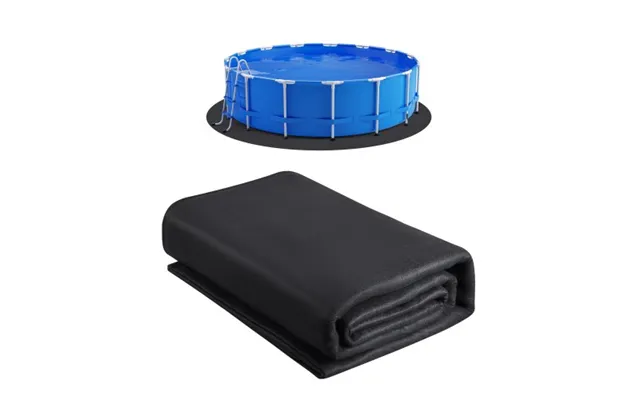
If you go DIY, plan to install on a calm day to avoid wind catching the lining. Use a chalk line for straight cuts, and keep a shop vacuum on hand to smooth out wrinkles by pulling the liner snug. Keep the pool floor free of sharp stones and debris — a foam underlayment can protect the liner and make the floor more comfortable. Buy tape measures in feet and inches and write down every measurement clearly to avoid costly mistakes.
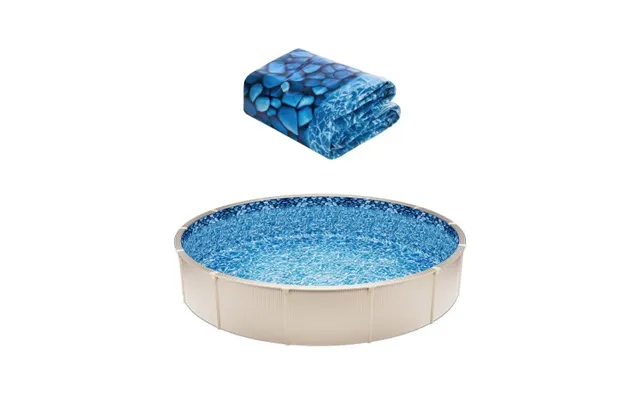
The visual impact of a new liner is immediate. Tile-pattern prints create the look of a tiled pool without the hassle, while gradient blues evoke a natural lake. Lighter colors reflect heat and can make the water appear brighter; darker shades can absorb heat a bit but may show algae more readily. Don’t forget UV protection: liners treated to resist sun damage last longer and keep their color better, especially in regions with strong summer sun or reflective surfaces around the yard.
Caring for a liner is part chemistry, part common sense. Keep pool chemistry balanced — pH between 7.2 and 7.6 and chlorine at recommended levels — to prevent liner corrosion or staining. Avoid drag of sharp objects across the surface, trim rough pool toys that can nick the liner, and submerge a brush rather than using metal scrapers. For seasonal pools, store your liner dry and folded loosely to prevent creasing; for in-ground, circulate water during winterization to avoid freeze damage if you live in chilly climates.
Use soft brushes and non-abrasive cleaners designed for vinyl. Gentle chlorine-based shock works for sanitizing, but avoid acidic cleaners that can strip protective coatings. A pool vacuum designed for liners helps remove debris without scratching. Periodically treat visible seams and skimmer edges with manufacturer-recommended adhesives or sealants to reinforce weak spots.
A liner is part of a bigger ecosystem of pool gear. Consider pairing a new liner with a quality pool cover to prevent debris buildup and extend liner life. Automatic pool cleaners reduce manual scrubbing that can wear a liner over time. If your pool is large, invest in a variable-speed pump and a suitable filter to keep water moving and reduce chemical needs. For comfort, add foam steps or a vinyl stair covering that blends with your liner and reduces direct wear.
How much should you budget? For a basic above-ground liner, expect modest costs, whereas in-ground custom liners and professional installation raise the price. Liners are often sold by thickness and pattern complexity — a 20 mil standard liner costs less than a 30 mil reinforced, tile-print model. Installation labor varies by region and pool complexity; a straightforward liner replacement on a rectangular in-ground pool will be cheaper than fitting one to an irregular shape with multiple steps. Always compare quotes and read customer reviews on comparison sites before committing.
Shop during off-season months when installers and suppliers offer discounts, or consider purchasing a standard pattern that’s kept in stock rather than a custom print. If you’re confident in your skills, handle the measurement and removal yourself and hire a pro just for the critical fitting and seaming. Buying a slightly thicker liner can prevent early replacement and save money over the long haul.
Wrinkles, leaks, and premature fading are common headaches. Wrinkles often come from incorrect tension or poor drainage under the liner; a foam underlayment and proper vacuuming during installation can eliminate most issues. Leaks generally occur around fittings, seams, or sharp objects; inspect skimmer and return openings and use reinforced collars or gaskets recommended by the liner maker. Fading is mainly UV-driven — a UV-resistant liner and a pool cover protect your investment.
Take stock of your pool’s shape, how many people use it, and how often you maintain it. A family with kids who use the pool daily may prioritize durability and thickness, while a secondary seasonal pool might focus on cost and aesthetics. Always check warranty terms and what they cover: seams, blisters, or manufacturing defects. Compare several liner brands, and if in doubt, ask for sample swatches so you can see color and texture in your backyard lighting.
Choosing the right pool liner is both a practical decision and a design opportunity. From vinyl and reinforced liners to patterns that mimic tile, the right choice protects your pool, boosts curb appeal, and improves swimmer comfort. Measure carefully, weigh DIY versus professional installation, and pair your liner with the right accessories to maximize lifespan. With thoughtful choices, your pool can look and perform like new for many seasons — and that fresh, inviting surface is one of the best investments for your backyard enjoyment.