


Sauna Accessories - Other price list
Last updated Thursday, 12 Nov 2026

View 7 Offers
Loading...
Last updated Thursday, 12 Nov 2026
Think of your sauna like a car: the engine is the heat source, but the accessories are what make every journey comfortable, safe, and memorable. The right add-ons transform a basic steam room into a sanctuary — improving comfort, extending the life of the build, and letting you tailor each session to how you feel. Whether you’re stepping into a compact 4 ft x 6 ft home sauna or a roomy 6 ft x 8 ft family setup, choosing the correct accessories makes a big difference in enjoyment and performance.
A solid wooden bucket and a long ladle are legendary sauna companions. They let you control steam by adding water to hot stones, and their wood construction keeps handles cool to the touch. Look for buckets that hold about 2 to 3 gallons so you don’t need to refill mid-session, and ladles that reach roughly 15 to 18 inches to keep hands a safe distance from the hot stones.
Temperature and humidity are the twin pillars of a safe session. A combined thermometer and hygrometer helps you keep the heat in check — aim for a thermometer that reads up to about 194°F and a hygrometer that measures relative humidity up to 100%. Mechanical analog units with large faces are easy to read through steam, but digital options with backlight and memory can be handy if your sauna is dimly lit.
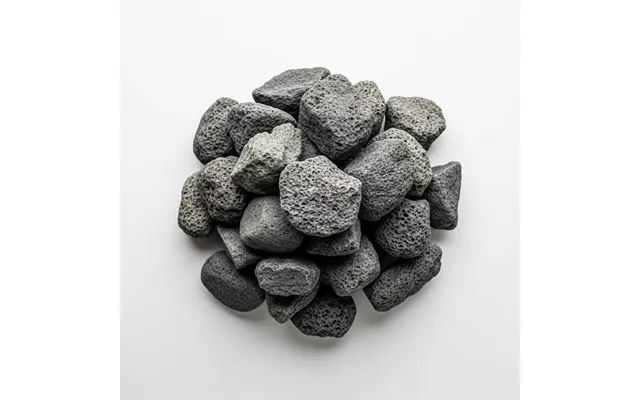
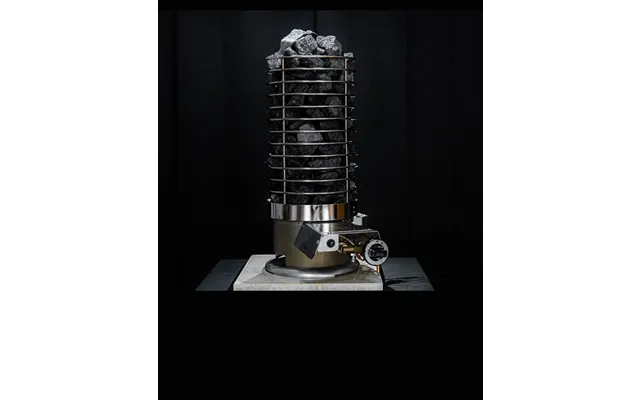
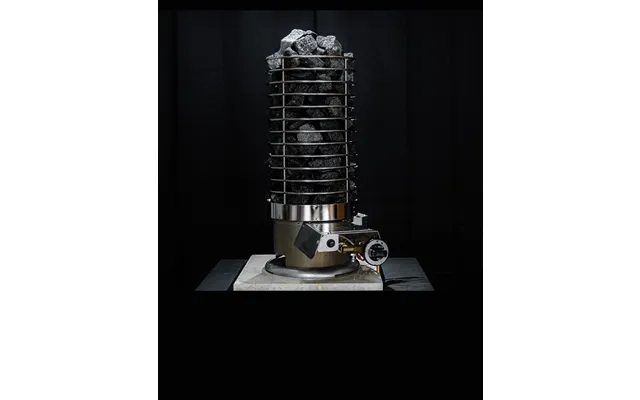
Stove stones matter more than many people realize. Dense igneous stones store and radiate heat better than porous varieties, giving stronger, longer-lasting bursts of steam when you ladle water. Choose stones sized roughly 2 to 4 inches in diameter for traditional stoves so air circulates well between them. Replace cracked or crumbly stones regularly — they lose efficiency and can trap moisture that causes corrosion.
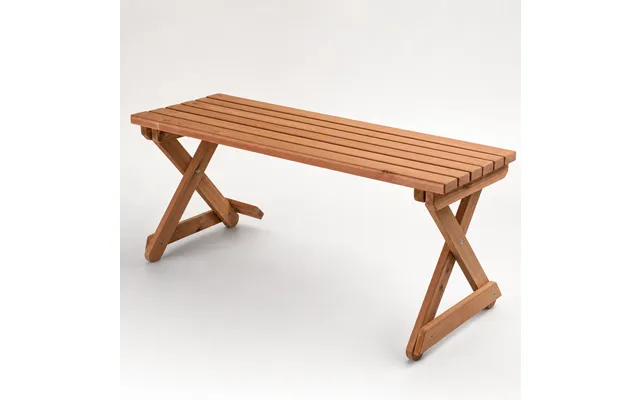
Wooden or cushioned backrests and headrests are small luxuries that let you relax in natural positions without slumping. Look for slatted backrests that match your bench depth — standard bench widths are often 18 to 24 inches. Ergonomic headrests elevate the neck by a few inches and reduce pressure, helping you stay in the sauna longer without stiffness.
Sauna hats might look quirky, but they do a job: they protect your hair and scalp from intense heat and help regulate body temperature so your head doesn’t overheat. Felt hats are popular and usually fit most adults. Seat covers and bench mats made of breathable cotton or linen protect wood from sweat and add a softer feel; choose covers sized to match your bench in inches for a neat fit.
A couple of large towels (think 30 x 60 inches or larger) are essential — one to sit on and one to dry off with afterwards. Bench mats made from woven cotton or bamboo provide extra grip and can be washed frequently. Avoid synthetic fabrics that can trap heat or melt against hot surfaces.
A reliable timer or control panel takes the guesswork out of sessions. Mechanical timers are simple: set up to 60 minutes and they shut off automatically. Digital controllers give you precise temperature control in 1 or 2-degree increments and can be programmed to preheat the sauna so it’s ready when you are. If your sauna has a separate control box outside, ensure cables are rated and installed according to local safety codes.
Music and mood lighting turn routine heat therapy into a multisensory escape. Waterproof Bluetooth speakers designed for high humidity environments let you stream calming playlists without worrying about steam damage. For lighting, consider LED strips behind benches or beneath foot rails to create soft, indirect illumination — warm tones mimic candlelight and keep the atmosphere relaxing.
A few drops of eucalyptus, pine, or lavender essential oil can instantly change the character of a session. Add oils sparingly to the water in your ladle or use dedicated scent diffusers that clip near the heater for a controlled release. If you have respiratory sensitivities, start with low concentrations and test how your body responds before making oils a regular part of your routine.
For a gentler release, consider scent rocks or small bowls that sit near the heater but not directly on the stones. These let aromas waft slowly without producing overpowering bursts of vapour. Materials like ceramic or heat-safe glass are ideal for these bowls; keep them small — about 3 to 5 inches across — so they don’t take up too much bench or heater space.
Regular cleaning keeps bacteria and mildew at bay and preserves the wood’s natural beauty. Natural-bristle brushes, soft scrub pads, and specialized wood cleaners are gentle on surfaces while removing sweat residues. Use a mild solution and avoid bleach or harsh solvents which can damage wood and leave toxic residues. Aim to deep clean every few months, with light surface cleaning after heavy use.
Many people worry about finishing wood in a sauna. The rule of thumb is to use products designed for high heat and humidity. Unscented wood oils for interior use can help resist stains and moisture penetration, but avoid heavily varnished or sealed surfaces that trap heat. If you prefer a raw wood look, sanding and frequent cleaning will maintain appearance without coatings.
Cedar is a favorite for its natural resistance to rot and pleasant aroma. It’s lightweight and stable, so benches and walls made from cedar can last a long time without warping. Spruce and pine are more affordable and still work well, but they may darken over time and require a bit more maintenance. When measuring for benches and backrests, take note of bench depth and thickness in inches so accessories fit properly.
Accessories like head cushions and hats often use leather or felt. Felt is breathable and excellent at insulating, while treated leather adds a bit of luxe and is easy to wipe clean. When shopping for towels and bench textiles, choose natural fibers that breathe and dry quickly — cotton and linen are top choices.
Most traditional saunas operate between 150°F and 190°F, but comfort varies. Beginners should start at the lower end and stay for shorter periods, gradually increasing time and temperature. Use a thermometer and moisture gauge to monitor conditions, and always keep a bottle of cool water nearby. If you feel dizzy, nauseous, or lightheaded, exit immediately and cool down slowly.
Over time sauna stones break down and should be replaced, typically every 1 to 2 years depending on use. When adding water, small amounts — a couple of ounces at a time — produce comfortable, controlled bursts of steam. Dumping a gallon at once risks scalding vapour and can stress the stove. Ladle measures in ounces are useful for repeatable, safe steam bursts.
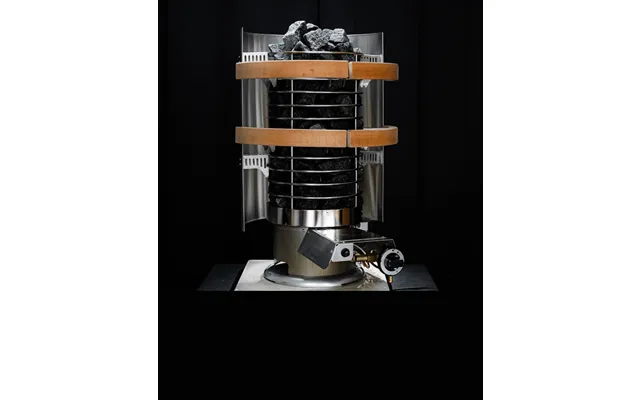
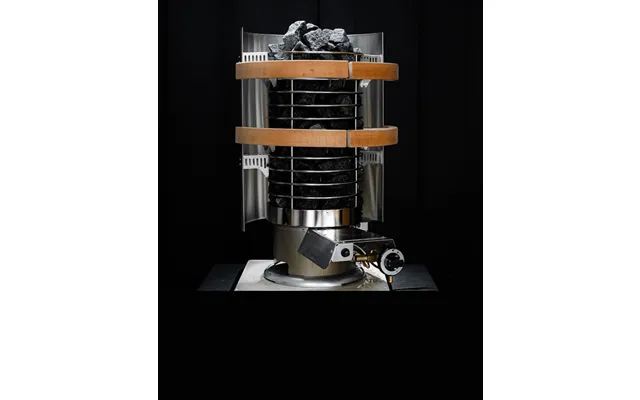
Traditional saunas with stone heaters benefit most from wooden buckets, ladles, and stone-specific accessories. Ensure stones are rated for high-temperature stoves and that any diffusers or bowls are heat-resistant. Benches and backrests should match bench width in inches, and wood choices like cedar reduce the risk of warping near stoves.
Infrared saunas heat the body directly and don’t use hot stones, so accessories like buckets and ladles aren’t necessary. Instead, prioritize comfort and electronics that can handle heat and humidity — think towel systems, bench cushions rated for higher temperatures, and Bluetooth speakers made for humid environments. Always check manufacturer guidance for materials safe in infrared cabins.
Accessories that face heat, steam, and sweat need to be built to last. Look for sturdy joints, corrosion-resistant hardware, and materials like untreated cedar or stainless steel where appropriate. Warranties vary, so prioritize products with clear coverage on defects and heat-related failures. Comparing warranty terms can be as important as comparing price.
Accessories that come apart or have replaceable liners are easier to keep hygienic. Removable covers, replaceable filters in diffusers, and snap-on cushions speed up maintenance. If a part wears out, being able to buy replacement components — handles, lids, covers — keeps a beloved accessory in service for years.
Shopping smart means comparing feature sets, materials, and prices before you buy. Comparison sites can help you see many offers side by side, filter by material (cedar, spruce), size in inches, and special features like digital controls or Bluetooth connectivity. Read user reviews to learn how accessories perform in real-world humid conditions, and look for sellers that list clear specifications like ladle length in inches, bucket capacity in gallons, and stone sizes in inches.
If you’re new to home saunas, start with a handful of versatile accessories: a wooden bucket and ladle, a combined thermometer-hygrometer, a comfortable headrest, and a set of large towels. These basics cover safety, comfort, and the core ritual of creating steam. As you get used to the experience, add aromatherapy elements, lighting, or audio to personalize the space. Remember, small upgrades over time often deliver the biggest boosts in comfort.
Whether you’re crafting a compact cabin in your garden or upgrading a built-in bathroom sauna, choosing the right accessories makes each session better, longer, and safer. Think in inches and ounces when measuring, match materials to your sauna type, and prioritize comfort and durability. With the right kit, a few minutes in the hot room can feel like a mini-retreat every time.