

Saunas price list
Last updated Monday, 19 Oct 2026
| Saunas | Price |
|---|---|
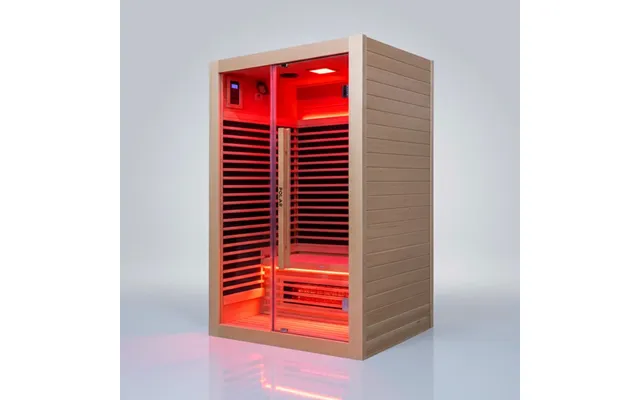
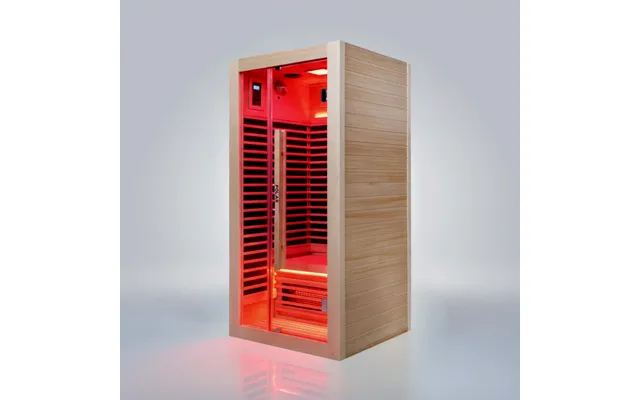
| Polar Recovery Nova 4 Person Infrared Sauna | £4,599.99 |
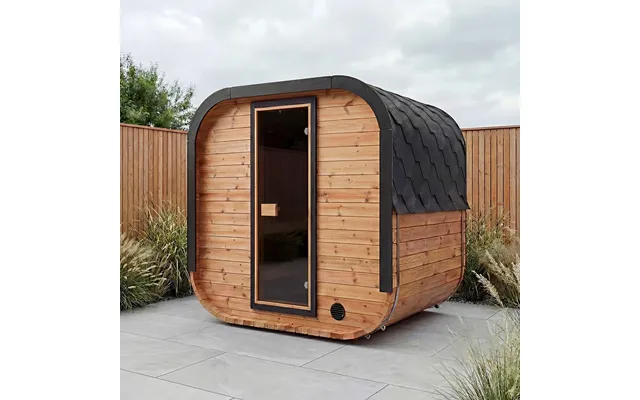
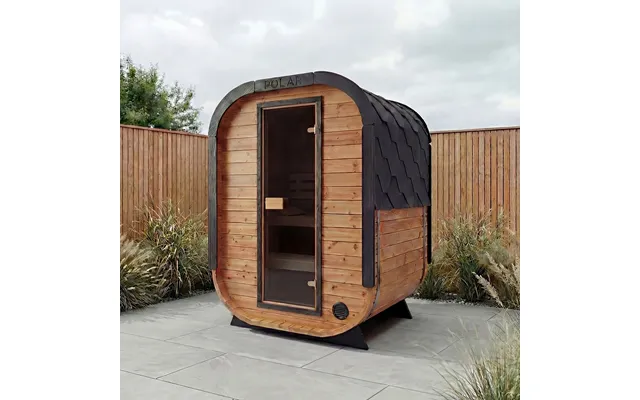
| Polar Recovery Sauna Cube Mini - 2 Person Outdoor Sauna | £4,699.99 |




View 5 Offers

Loading...
Last updated Monday, 19 Oct 2026
| Saunas | Price |
|---|---|
| Polar Recovery Nova 4 Person Infrared Sauna | £4,599.99 |
| Polar Recovery Sauna Cube Mini - 2 Person Outdoor Sauna | £4,699.99 |
Looking to transform your daily routine into something you actually look forward to? A home sauna might just be your warm, wood-scented ticket. Regular sauna use can help you unwind after long days, soothe tight muscles, and create a dedicated space for mindfulness. Traditional dry saunas typically run between about 160°F and 195°F, giving you that classic, intense heat, while infrared models sit comfortably around 120°F to 150°F and feel gentler on the body. The best part? You don’t need a mansion to enjoy one. From compact 1–2 person cabins to eye-catching outdoor barrel saunas, there’s a fit for almost every space and budget in the UK. And if you love a good deal, the current wave of sauna offers makes it easier than ever to bring spa-level relaxation home.
Traditional saunas deliver that iconic, dry, enveloping heat powered by a heater topped with stones. Splash a ladle of water over those rocks and—woosh—you’ll get a burst of steam that lifts the humidity for a few seconds and makes the heat feel deeper. If you crave an authentic, high-heat session around 170°F to 195°F, this is your lane. You can choose an electric heater for convenience or a wood-burning stove for the ritual and spa-like crackle (plus that nostalgic timber scent). Traditional saunas are ideal if you enjoy short, hot bursts followed by cool-downs—like stepping outside or hopping into a cold shower between sessions.
Prefer a gentler, more gradual warm-up? Infrared saunas heat your body directly, operating comfortably around 120°F to 150°F. That lower ambient temperature can feel friendlier for beginners, while still providing a deeply relaxing sweat. Another perk? Infrared models usually assemble quickly and are often plug-and-play, making them great for flats or homes where major installation isn’t practical. If you’re time-poor and want a quick daily session, infrared units are brilliantly convenient and typically warm up faster than most traditional setups.
Steam rooms are a different animal: think 100% humidity and a steamy, moist environment around 110°F to 120°F. Saunas, by contrast, are generally dry and hotter. If you want that crisp, wood-lined cabin feel with a dry, penetrating heat, pick a sauna. If you love thick, enveloping steam and a lower temperature, steam rooms deliver—but they’re not the same as saunas, and they need different materials and maintenance.
No garden? No problem. An indoor sauna can fit into surprising nooks, from a spare corner to a converted box room. Compact infrared cabins for 1–2 persons can fit into spaces as small as roughly 3 ft by 4 ft, while mid-size traditional models might need around 5 ft by 6 ft to seat 3–4 people comfortably. Indoors, you’ll get the convenience of year-round use without worrying about the weather. Just make sure you account for ventilation, door swing, and a little breathing room around the unit—generally a few inches of clearance helps the cabin perform better and keeps your walls happy.
Outdoor saunas bring instant wow-factor to gardens and patios. Barrel saunas are popular thanks to their efficient shape and fast heat-up times, while cabin or pod styles blend beautifully with timber decking and landscaping. Many outdoor units use fragrant cedar or thermally treated wood for durability. Weatherproof roofing, protective shingle kits, and raised bases keep the structure sound. If you’re drawn to a rustic, retreat-like vibe—and you’ve got the space—outdoor saunas turn your garden into a destination. Morning steam in winter while you watch your breath in the air? Absolutely magical.
Barrel saunas are the show-stoppers of the outdoor world. That rounded shape isn’t just for looks—it helps circulate hot air efficiently, which can shorten warm-up time and produce a uniformly comfortable session. They often seat 4–6 people, with optional porches for cool-downs. If you’re browsing current offers, look for insulated end caps, stainless bands, and thick staves (often 1 in or more) for long-term stability. Pair with a wood-burning stove for the ultimate garden ritual, or choose an electric heater for ease and steady control.
Got a small flat or want a personal retreat? Compact infrared booths tuck into corners and only need a few square feet. Look for models with carbon or ceramic emitters, clear control panels, and tempered glass doors. Corner designs maximize seating without hogging floor space, which is great for spare rooms and home gyms. With the right deal, you can get chromotherapy lighting, Bluetooth speakers, and a comfortable backrest without blowing your budget.
Hosting a crew? Family-sized cabins give you stretch-out room, tiered benches, and enough seating for a social sweat. These models are ideal for traditional dry saunas, where multiple bench levels let each person pick a heat intensity—higher bench, hotter air. When checking offers, compare door quality, wall thickness (look for robust panels around 1 in thick or more), and whether the kit includes a bucket, ladle, and a wall thermometer in Fahrenheit for easy monitoring.
Electric heaters are set-it-and-forget-it convenient. They pair well with both indoor and outdoor cabins, and modern controllers let you adjust temperature, set timers, and even preheat from the sofa with smart add-ons. If you love precise control and reliable performance, electric is the straightforward choice. When comparing, look for durable stone baskets, rust-resistant components, and safety features like overheat protection. A quality heater makes the difference between “pretty warm” and “oh, that’s the good stuff.”
Want atmosphere? Wood stoves deliver a cozy crackle and that unmistakable scent. You’ll need a proper flue, clearances from combustibles (measure carefully in inches), and a safe base. For fuel, standard split logs around 12–16 in long work well in most sauna stoves. Wood heat feels primal, and for outdoor saunas it can be a true joy—especially on crisp evenings. Just make sure your chosen model comes with the right chimney parts, spark arrestor, and weather cap, and always follow local safety guidelines.
Timber sets the tone. Western red cedar is prized for its aroma, natural resistance to decay, and handsome grain. Hemlock and spruce are popular too, offering a clean look and sturdy performance. Wall and bench thickness matter; thicker panels—think near or over 1 in—improve stability, insulation, and longevity. Also consider how panels are joined and whether the cabin comes pre-sanded. Quality woodwork looks better on day one and ages gracefully with proper care.
Tempered glass doors and panels make a sauna feel open and modern. Look for glass thickness of about 5/16 in to 3/8 in for a solid, premium feel. Magnetic latches, ergonomic handles, and smooth hinges sound small, but they change how a sauna feels—quiet, secure, and easy to use. Frosted or bronze tints add privacy if your sauna faces a busy space.
Tiered benches let you choose your heat intensity, while contoured backrests support longer, more comfortable sessions. Soft, dimmable lighting and optional chromotherapy bring a spa vibe without fuss. If you’re into tech, Wi‑Fi or app-based controls make scheduling a breeze. Bonus points for a built-in hour meter to track usage and maintenance intervals.
On a tight budget or testing the waters? Compact infrared saunas for one or two people often start around £700 to £1,200 during good sales. Expect simpler control panels, fewer bells and whistles, and lighter cabinetry. Still, with smart shopping, you can land a reliable setup that warms quickly and fits small spaces. This tier is fantastic for wellness beginners who want daily relaxation without major installation.
Most buyers land here. Between roughly £1,200 and £3,000, you’ll find sturdier builds, better heaters, thicker panels, and stylish touches like upgraded lighting and glass. Traditional dry saunas in this range feel substantial and often include useful accessories (thermometer in Fahrenheit, hygrometer, bucket, and ladle). Outdoor barrel saunas also pop up here during promotions—watch for weatherproofing extras and stronger bench supports.
Looking to create a garden showpiece? Premium models often range from around £3,000 to £8,000+, depending on size, timber, and heater type. Expect thicker staves, superior insulation, premium cedar, custom benches, and elegant design touches like panoramic windows. At this level, delivery options, install support, and extended warranties become part of the value proposition. If you want “destination sauna” vibes at home, this tier checks every box.
Grab a tape measure and map out floor area and height. For indoor saunas, ensure a few inches of clearance around the walls for ventilation and maintenance access. High ceilings are nice but not essential; most cabins are designed for standard indoor heights. If you plan to slip your sauna under a stairwell or into an alcove, double-check the door height and the space required to assemble panels.
Doors usually swing outward—plan for that. If you’re fitting a sauna near furniture or a hallway, test the swing path with masking tape on the floor. Also consider floor strength, especially for upper levels. A solid, level base is a must. For outdoor units, a raised deck or concrete pad helps with drainage and stability. If you’re placing a heavy stove or thick glass panels, be mindful of total weight in pounds and distribute it evenly.
Most infrared cabins arrive as flat panels that lock together with clips or buckles. Two people can usually assemble a compact unit in a few hours with basic tools. Then it’s simply a case of plugging it in, leveling the feet, and letting it preheat. The simplicity here is a big reason infrared saunas are popular in flats and rented spaces—quick setup, reliable operation, minimal fuss.
Traditional saunas may require more planning, especially with heater wiring or a flue for wood-burning stoves. Keep safe clearances in inches from walls and ceilings, mount a wall thermometer in Fahrenheit where it’s easy to read, and make sure your stones are placed as per the manufacturer’s pattern for even airflow. If you’re going wood-fired outdoors, check that your chimney sits above nearby structures and that you’ve got spark protection sorted. It’s a bit more involved, but the reward is a truly classic experience.
Want to save on running costs without compromising your sweat? Preheat efficiently—traditional saunas usually need a bit longer, while infrared warms up quicker. Keep the door closed during sessions and avoid cranking the heat higher than you need. Insulated walls and thick doors make a noticeable difference, as does sealing any tiny gaps you find during assembly. For outdoor units, simple additions like a weather cap and wind shielding can help maintain temperature with less effort. A quick practice that pays off: turn on your sauna as you start stretching or showering, then step in when it hits your preferred temperature.
Saunas are low maintenance, but a simple routine keeps them feeling fresh. After sessions, prop the door open to dry the interior. Wipe benches with a soft cloth and a mild solution—try 1 cup of white vinegar in 1 gallon of warm water. Avoid harsh chemicals; the heat can amplify odors. Place towels on benches during use to reduce sweat staining and keep oils off the wood.
Every few months, give the interior a deeper clean. Lightly sand any rough spots on benches, tighten hardware, and inspect seals around doors and windows. For outdoor units, check shingles, bands, and staves, and renew protective oils as recommended by the manufacturer. Stones in traditional heaters can crack over time—swap damaged ones to keep airflow and heat distribution consistent. Treat the sauna like a classic car: a little regular attention, years of enjoyment.
Hydrate before and after you sweat. Most folks enjoy sessions of 10–20 minutes, sometimes with a cool-down break before a second round. Listen to your body—if you feel lightheaded, step out and cool down. Keep a thermometer inside so you know exactly how hot it is in Fahrenheit, and avoid touching metal components when the cabin is hot. Cotton towels and a water bottle nearby are your best friends.
If you have health concerns, chat with a medical professional before starting regular sauna sessions. Children and older adults can enjoy shorter, gentler sessions—infrared saunas at the lower range (around 120°F to 130°F) can be more comfortable. Avoid alcohol before sauna time, and never use a sauna if you’re feeling unwell. Safety first, glow second.
When you’re browsing sauna offers, compare similar sizes and heater types. A compact infrared booth and a 6-person barrel won’t match on price—so line up features, materials, wall thickness, and accessories to judge value accurately. Look closely at timber grade, glass thickness, and the quality of the heater—these elements define the experience and lifespan.
A solid warranty is peace of mind. Look for clear coverage on the heater, electronics, and cabin structure. Read the fine print on what’s included and whether common wear items are covered. Aftercare resources—like setup guides, maintenance tips, and spare parts availability—often separate a good deal from a great one.
Before you click “buy,” think logistics. Will the packed panels fit through your doorway and up the stairs? Do you have a flat, level spot ready? For outdoor units, plan for a firm base and weather protection. Knowing these answers up front makes installation smooth and saves on surprises.
Not long ago, a home sauna felt like a luxury reserved for high-end homes. Today, compact designs, competitive price points, and a flood of offers have changed the game. Whether you’re gifting yourself a daily ritual or building a garden retreat to share with friends, there’s a sauna that fits your space, style, and budget. Imagine stepping into warm timber, closing the glass door behind you, and feeling the day melt away—that’s the kind of habit that sticks, and the kind of investment that keeps giving back.
If you’re ready to bring the spa home, the UK market offers a rich mix of sauna styles—from compact infrared cabins perfect for flats to statement outdoor barrels that turn your garden into a retreat. Focus on the essentials: pick your heat style (traditional vs. infrared), measure your space in feet and inches, compare like-for-like features, and hunt for offers that pair quality timber, dependable heaters, and smart accessories. Keep an eye on wall thickness, glass quality, and practical extras like a Fahrenheit thermometer and a sturdy bench layout. With a little planning and a keen eye for value, you’ll land a sauna that fits your life, your space, and your budget—then all that’s left is to step in, breathe deep, and enjoy the glow.