All categories
Business & Offices
Electronics & Media
Fashion & Accessories
Groceries & Essentials
Health & Personal Care
Home & Living
Kids & Family
Sports & Outdoors
Search in ZoneOffer

Loading...
When you’re building a cozy, safe play space at home, a quality play mat is one of those “how did we live without it?” essentials. It cushions little tumbles, creates a hygienic surface on hardwood floors, and invites babies to roll, stretch, and explore with confidence. If you’re browsing UK deals and comparison listings, you’ll see a huge range of play mats promising comfort and safety—so how do you choose? Let’s break it down in plain English, from the types of mats to the features that matter most for your family.
Think of a play mat as your baby’s mini gym. From day one, a supportive mat encourages tummy time, which strengthens neck, shoulder, and core muscles. As babies grow, the right surface gives them traction for scooting, crawling, pulling up, and cruising. For toddlers, a forgiving mat turns rough-and-tumble moments into confident practice sessions for balance and coordination. And yes, it doubles as a comfy parent spot for reading and play too.
A dedicated baby play mat creates a clean zone you can control. It’s easier to sanitize than a carpet, warmer and softer than tile, and more forgiving than bare floors. Many mats resist spills and wipe clean in seconds, which is clutch during snack time or inevitable spit-up moments. That extra padding also helps take the shock out of minor bumps—especially important when babies are learning to sit and topple over like adorable, wobbly penguins.
All play mats aim to deliver a safe, cushioned surface, but the way they do it varies. Knowing the main types will help you zero in on the best fit for your space, lifestyle, and budget.
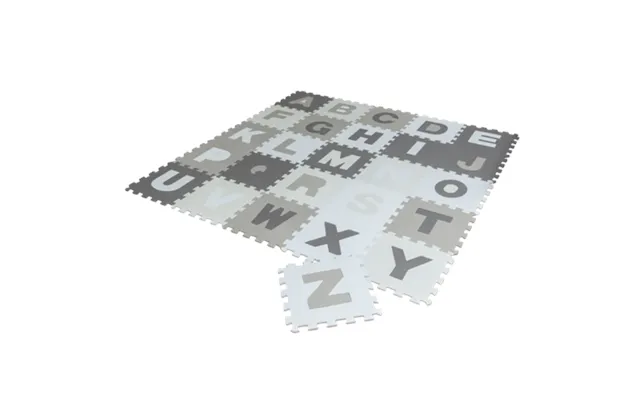
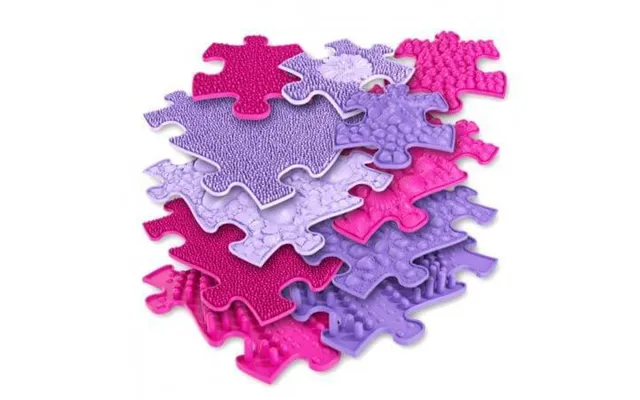
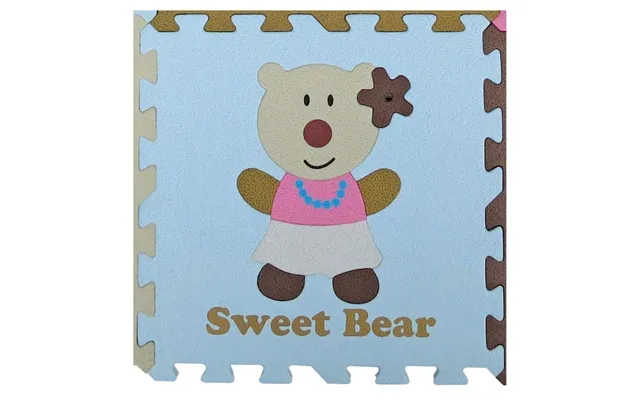
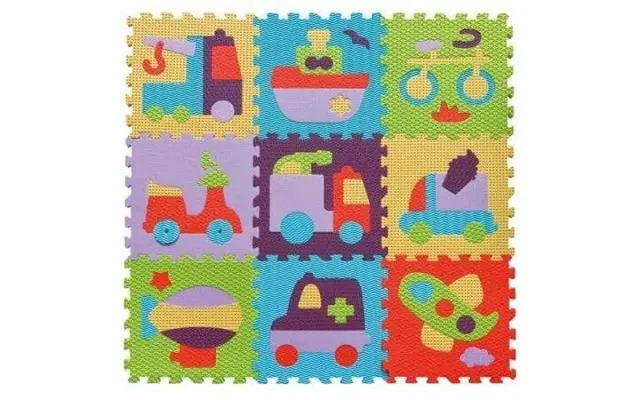
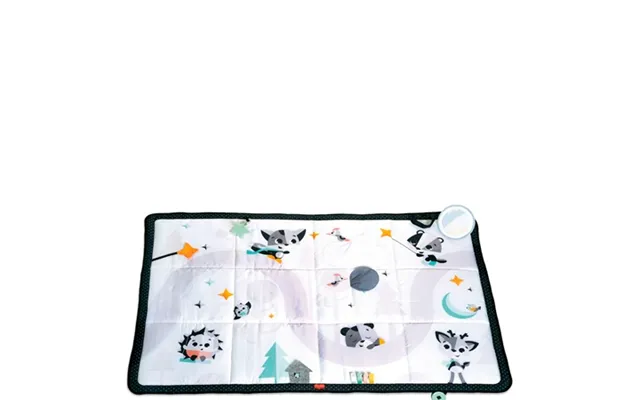
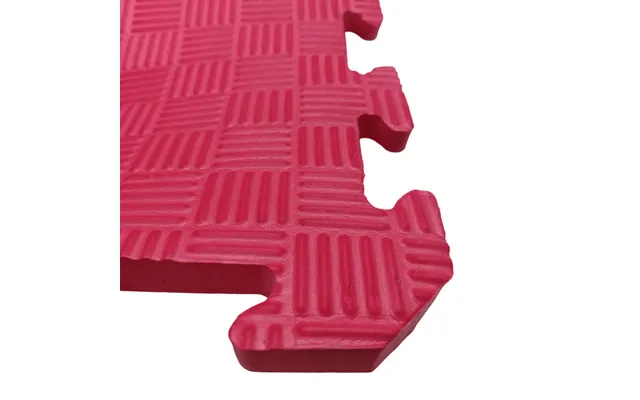
These are the classic puzzle-piece squares. Typically made from foam, they snap together to cover as much floor as you need. The beauty? You can expand, shrink, or reconfigure them in a flash. Tile sizes vary, but many sets include squares around 12 in to 24 in per side, so you can quickly assemble a 6 ft by 6 ft zone or go bigger. Choose styles with sealed surfaces for easier cleaning and designs that blend with your decor if you prefer a minimalist look.
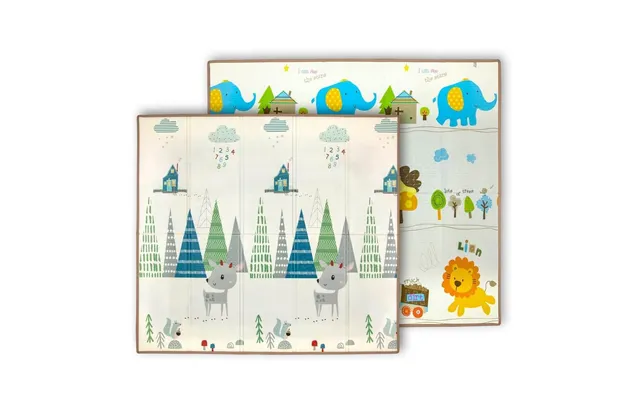
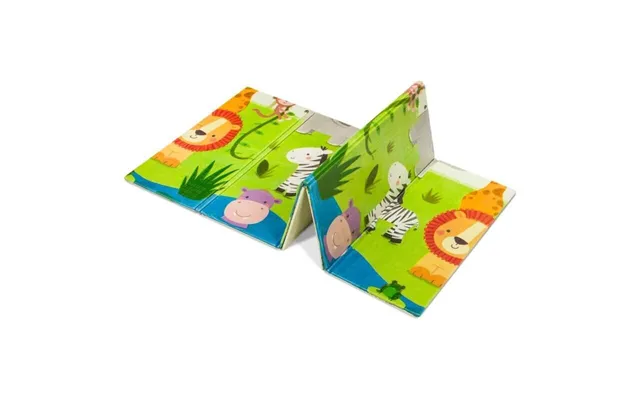
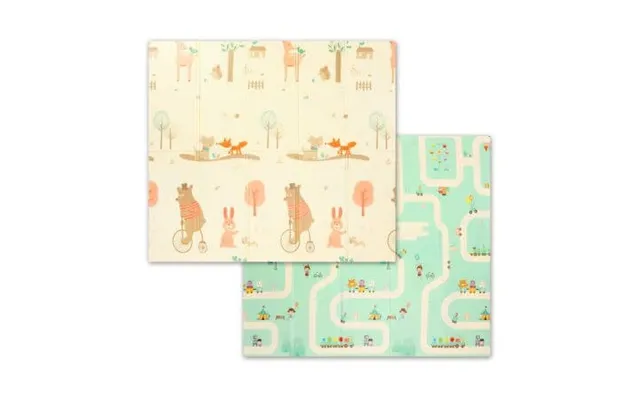
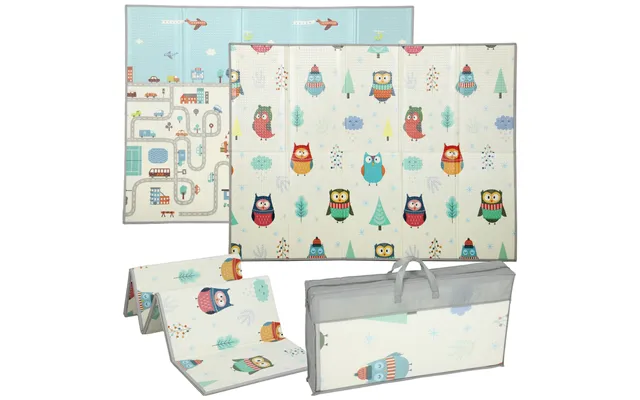
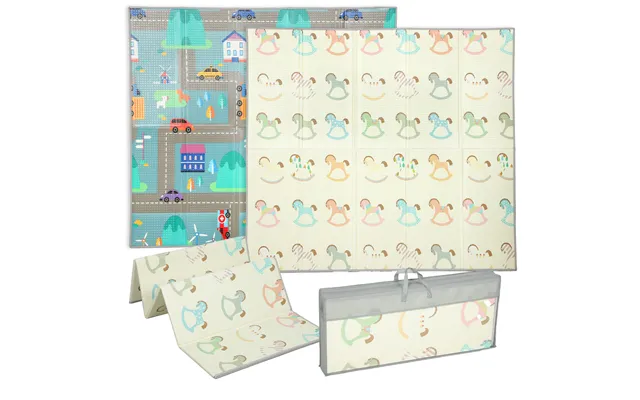
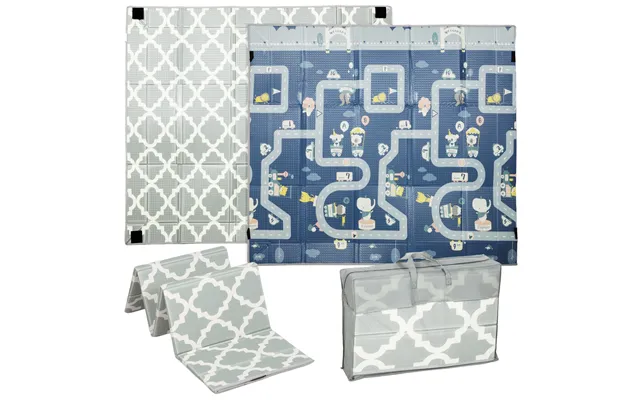
Foldable mats are usually one or two large panels that accordion-fold for quick storage. They’re fantastic for living rooms because you can lay them out for play then tuck them behind a sofa. Thickness can vary, but look for around 0.5 in to 1 in of cushioning if your floors are hard. Many foldable mats are reversible, so you can switch from a playful print to a neutral pattern in seconds.
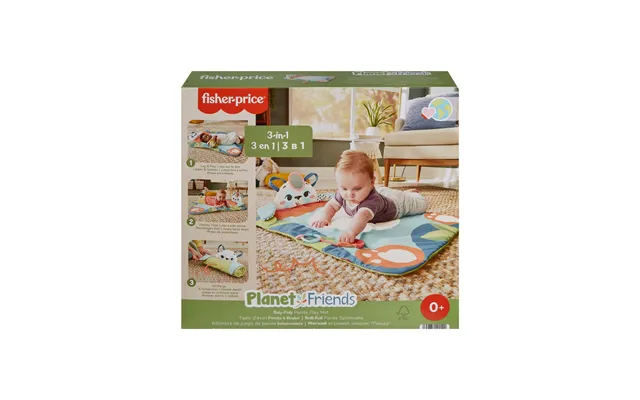
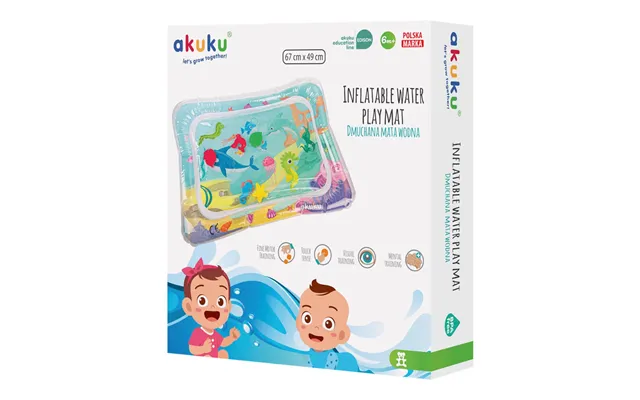
Tummy time mats are smaller, portable pads with extra textures or props to engage younger babies. Water mats have a sealed water-filled center that squishes under little hands and knees—great for sensory play and hand-eye coordination. Keep in mind that water mats are usually a short-term novelty; pair them with a larger surface for rolling and crawling.
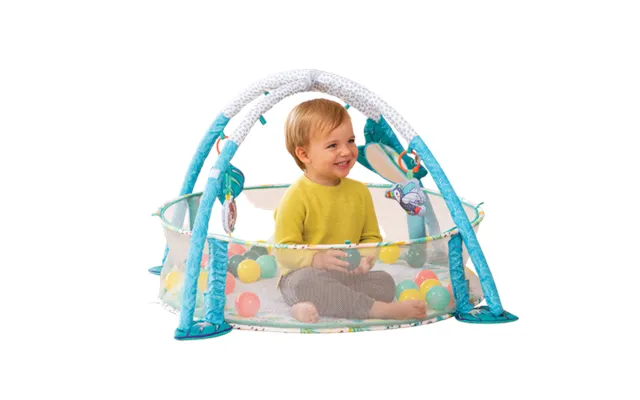
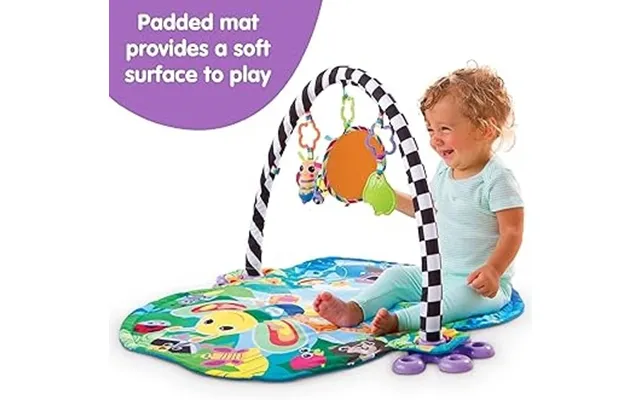
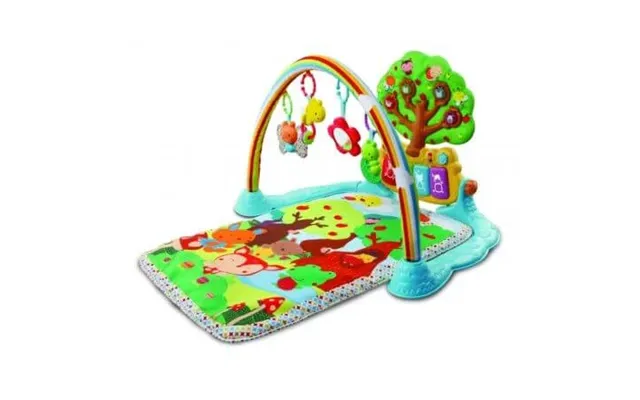
Activity gyms combine a soft mat with overhead arches and dangling toys. They’re designed to stimulate visual tracking, reaching, and grasping. Many parents use an activity gym in the early months, then transition to a larger flat mat once babies start to roam. You can also place an activity gym on top of a larger mat for the best of both worlds.
Headed to a friend’s house or the park? Lightweight travel mats, often with a waterproof underside, are easy to roll or fold and toss in the car. They make impromptu floor time simple, whether you’re visiting grandparents or setting up in the garden on a dry day.
With so many options in the UK market, it helps to focus on a few non-negotiables. Here’s your fast checklist to shop smarter, not harder.
Look for mats that are safety-tested and free from nasties like BPA and phthalates. If your child has sensitivities, seek out options labeled as non-toxic and odor-light (or odor-free) after airing out. Some buyers prefer foam for extra cushioning, while others lean toward TPU or natural rubber for durability and easy cleaning.
On hard floors, a thicker mat makes a huge difference. Around 0.6 in to 1 in is a sweet spot for everyday falls without feeling squishy under adult feet. If your home is carpeted, thinner mats are fine, but ensure they don’t bunch up.
Babies need a bit of traction to push up and crawl. A lightly textured surface helps tiny hands and knees grip without irritating skin. The underside should also resist sliding, especially on hardwood or tile. If you notice slipping, a rug gripper under large mats can help.
Measure your available space and pick a footprint that suits your daily flow. For small areas, a 4 ft by 6 ft mat is plenty. For a multi-kid playroom, 6 ft by 8 ft or larger feels luxurious. Tile systems win for modularity; foldables win for speed and storage.
Choose prints you won’t mind looking at every day. Reversible mats are brilliant—one side playful, the other stylish and neutral. Some foam tiles mimic classic rugs or wood grain if you want a grown-up look that still protects little knees.
Spills happen. Prioritize wipe-clean surfaces and sealed edges that don’t trap crumbs. If you’re considering fabric-topped mats, check if the cover is removable and machine-washable on a gentle cycle. For foam and TPU, a mild soap wipe-down is usually all you need.
Trends come and go, but when a mat nails style and practicality, it sticks. These are the styles parents in the UK keep snapping up because they work in real homes with real kids.
Soft grays, beiges, and simple geometric prints blend seamlessly into modern living rooms. They’re easy on the eye, calming for little ones, and won’t clash with your sofa or rug. If you love a minimalist vibe, this is your lane.
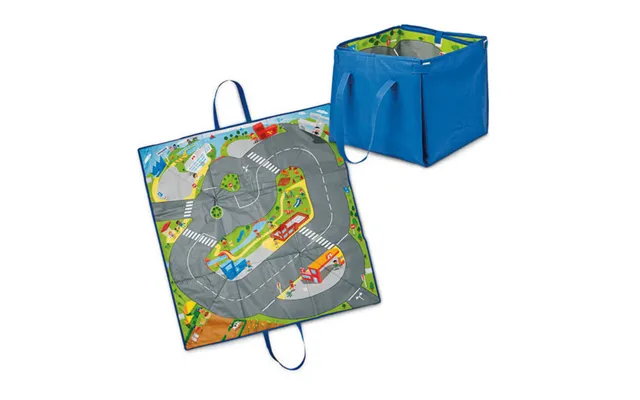
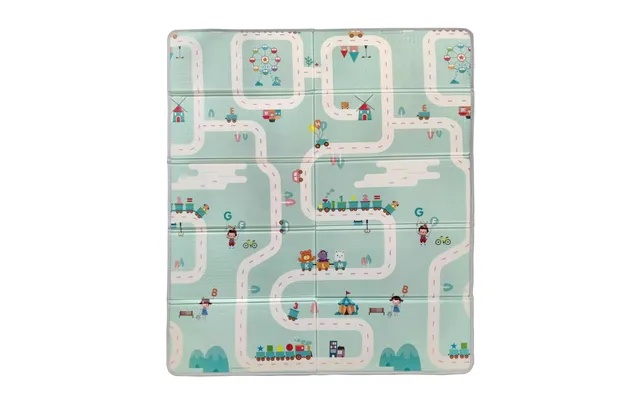
Alphabet letters, numbers, roads, and maps invite playful learning. Toddlers can trace roads with toy cars, practice letter sounds, or turn clean-up time into a “find the letter” game. It’s sneaky-smart and fun.
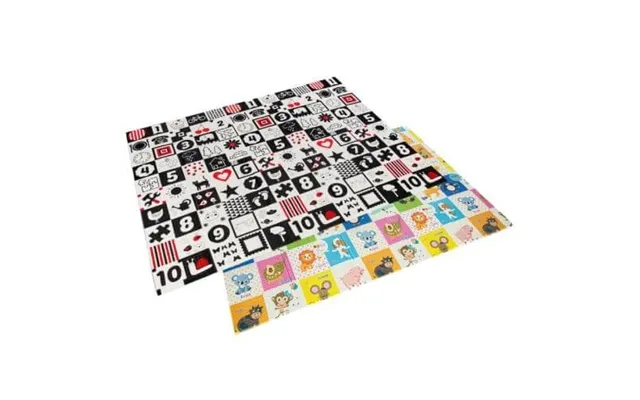
For younger babies, bold, high-contrast patterns can be mesmerizing and help with visual development. Add in a few crinkly or textured sections, and you’ve got a mini sensory lab on your floor.
While individual brand availability changes and new models pop up frequently, these core categories reliably get top marks from parents. Think of them as your short list when comparing deals across trusted retailers.
Choose thick, closed-cell foam tiles for a plush, durable surface that can expand as your child grows. Look for beveled edge pieces to finish the border and reduce trip risks. A 6 ft by 6 ft configuration is a great baseline; add more tiles for larger spaces or playdates.
If you want maximum shock absorption and super-fast setup, thick foldables are stellar. Reversible prints help you switch from nursery-bright to living-room-chic in seconds. They store upright behind furniture, so you reclaim your floor at night.
For newborn through early months, a smaller pad with a mirror, crinkle tabs, and soft textures turns tummy time into a mini adventure. Use it on top of your main mat for extra comfort and keep it handy for visits to grandparents.
Place an activity gym on a larger flat mat to create a cushioned zone where dropped toys and baby elbows are protected. As your baby outgrows the arch, the larger mat remains the daily play base—no wasted purchase.
A water-resistant underside and quick-fold design make travel mats a parenting cheat code. Keep one in the car for impromptu picnics, baby classes, or playdates. A 5 ft by 5 ft square or 4 ft by 6 ft rectangle usually fits most outings.
Short answer: both are useful at different stages, and they can work together beautifully. But if you’re prioritizing one, here’s how to weigh the decision.
Arches with dangling toys invite reaching, swatting, and early visual tracking. Gyms are perfect for short stretches of independent play while you sip (okay, reheat) your coffee. Just remember to place the gym on a cushioned mat if your floors are hard.
A flat mat covers more floor and grows with your child—from rolling to crawling to block-building marathons. It’s the practical backbone of your play area and the best value over time.
Use an activity gym for the early months, then transition to a larger mat while still bringing out the gym’s toys for floor play. You get sensory stimulation without sacrificing space for bigger movement.
No one wants to assemble a mat only to realize it’s awkwardly too small or comically oversized. A quick measure saves headaches.
If you’re setting up by a crib or under a window nook, a 3 ft by 5 ft or 4 ft by 6 ft mat keeps things snug without overwhelming the room. Foldable options shine here because storage is easy.
In a family room, 5 ft by 7 ft up to 6 ft by 8 ft mats create a generous play zone while leaving walkways clear. If you host playdates, consider modular tiles so you can expand on weekends.
Go big. A 6 ft by 10 ft footprint (or larger) turns the floor into a soft canvas for gross motor play, train tracks, and big-building sessions. Use border pieces to finish edges cleanly.
Good news: most modern play mats are built for messy real life. A simple routine keeps them fresh and ready for daily adventures.
Keep fragrance-free wipes or a mild soap-and-water spray nearby. A quick wipe each evening tackles crumbs, drool, and the occasional mystery spot. Dry with a soft cloth to avoid streaks.
Once a week, lift and clean underneath—dust and lint like to hide. For foam tiles, separate pieces occasionally and clean seams. For foldables, pay attention to folds where crumbs can gather.
If you fold and store often, let mats dry completely before putting them away. Avoid heavy furniture on top to prevent impressions. Keep mats away from direct heat sources and prolonged sun exposure to maintain color and integrity.
Play mats run the gamut from budget-friendly to premium. Here’s how to land the right mat at the right price without compromising safety.
Prices can vary widely, and stock turns over quickly. Using a comparison site helps you scan offers from multiple trusted retailers in one place, so you can spot genuine discounts fast and avoid overpaying.
Sometimes tile sets include edge borders, storage bags, or matching foam blocks. If you’re planning a larger play zone, bundles can cut the per-square-foot cost and give you extra accessories for free.
Seasonal sales, holiday promotions, and end-of-line clearances are prime times to buy. Set alerts where possible so you don’t miss short-lived deals on the best play mats in the UK.
Before the first tummy time session, run through this quick setup to make sure everything’s secure and baby-ready.
Open packaging and let the mat air out for a day if possible. Most modern mats have minimal odor, but a quick airing helps any new-material scent dissipate faster.
For tile mats, ensure all pieces fit snugly and edges are finished with borders if provided. For foldables, check that corners lie flat. If your mat slips, add a rug gripper underneath to lock it down.
Remove small items if your baby is mouthing everything. Keep toys tethered or within easy reach to avoid rolling hazards. And as always, supervise play—mats help, but they don’t replace watchful eyes.
Many parents want materials that are gentle on babies and the planet. You’ve got solid choices without sacrificing durability or cleanability.
Foam mats offer plush cushioning and are budget-friendly. TPU mats are often durable, wipe-clean, and low-odor. Natural rubber mats bring great grip and sustainability vibes but can be heavier. Balance feel, maintenance, and cost to match your priorities.
Look for clear statements about third-party testing and the absence of concerning chemicals. Reputable products will be upfront about what’s in (and not in) their mats. If a brand provides test summaries, even better.
Your play mat can be the anchor of a beautiful, functional space that evolves from newborn snuggles to toddler adventures. A little planning goes a long way.
Newborns need a calm spot with a mirror and soft toys within reach. Crawlers need space to roam, so clear furniture edges and expand your mat area. Toddlers thrive with “zones”: building corner, reading nook, music spot—all anchored on a comfy mat.
Rotate toys weekly to keep the setup fresh without buying new stuff constantly. Baskets on the outskirts of your mat make cleanup fast and keep the center clear for play. Think of your mat as the stage and toys as the rotating cast.
Want to squeeze every bit of value out of your purchase? Use your mat for parent workouts during nap time, family board games, or even as a cozy spot for reading dates. Add an activity arch for early months, then swap in a mini slide or balance toys later. The best play mats earn their keep daily, becoming the heart of your home’s kid-friendly zone.
Choosing the right play mat doesn’t have to be overwhelming. Focus on safety-tested materials, the right thickness for your floors, a size that fits your space, and a design you’ll enjoy seeing every day. Decide whether you want modular tiles, foldable convenience, or a combo with an activity gym for early months. Then compare offers across trusted retailers using a dedicated comparison site to lock in real value. With a thoughtful pick, you’ll transform the floor into a comfortable, engaging space where your child can learn, move, and play—day after day.
| Play Mats | Price | |
|---|---|---|
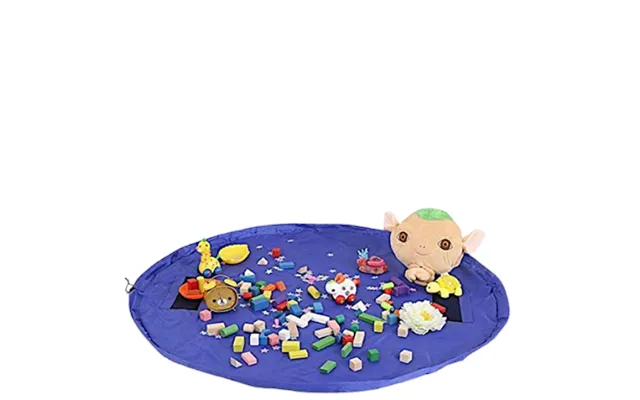
| United Entertainment Play Blanket & Storage Bag | £ 5,13 | |
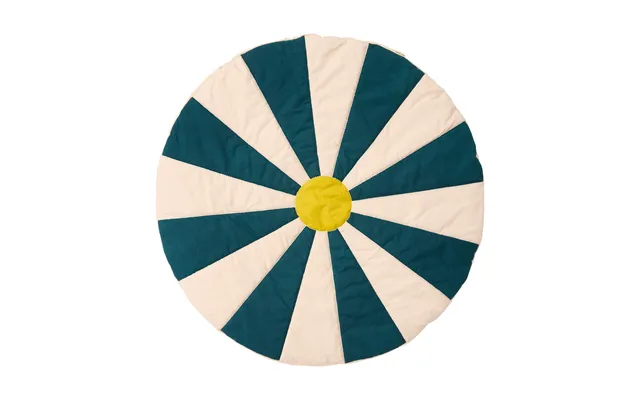
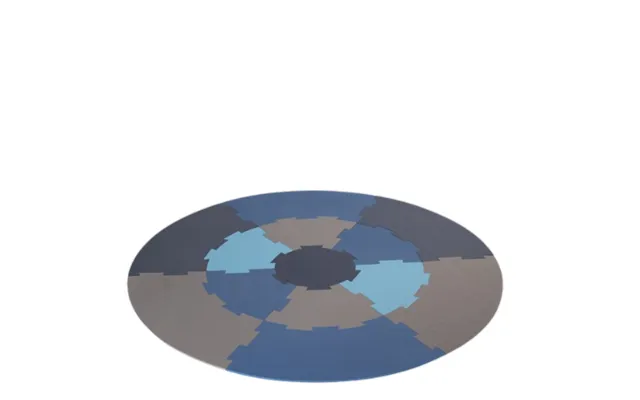
| Nordic Play Round Play Mat | £ 14,49 | |
| Play Mat And Toy Box Traffic - Miniland | £ 17,30 | |
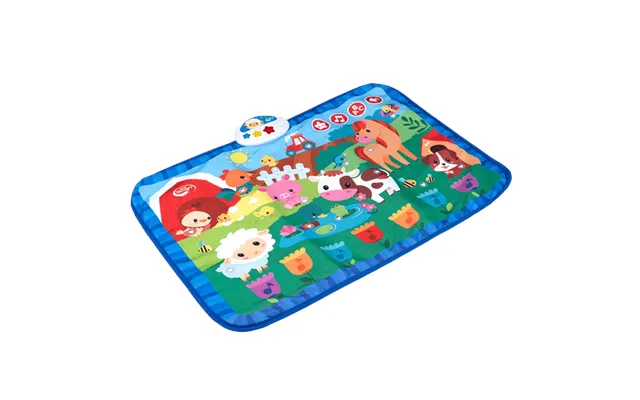
| Dumel Discovery - Electronic Mat | £ 21,60 | |
| Bambino Play Mat Set A-z 26 Pcs. | £ 22,29 | |
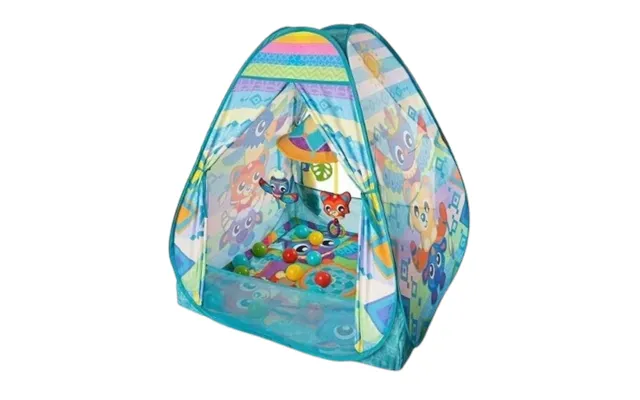
| Infantino 3-in-1 Activity Blanket & Ball Pool | £ 24,68 | |
| Fiesta Foldable Play Mat - Convertible Into Carrying Bag 40167 | £ 26,10 | |
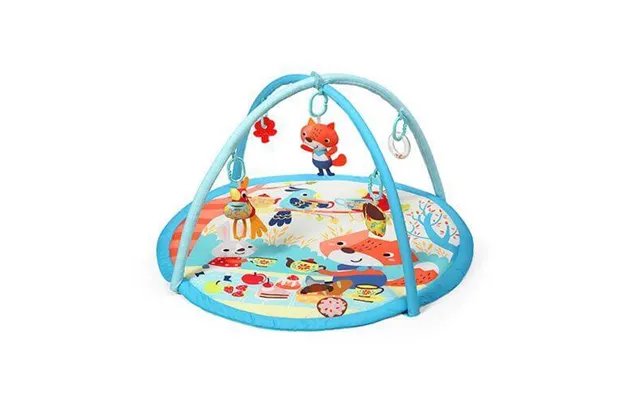
| Babyono Forest Tea Party 1520 Educational Mat Babyono Forest Tea Party 1520 | £ 32,90 | |
| Kid's Concept Circus Play Mat Blue-green - Ø112x2 Cm | £ 58,65 | |
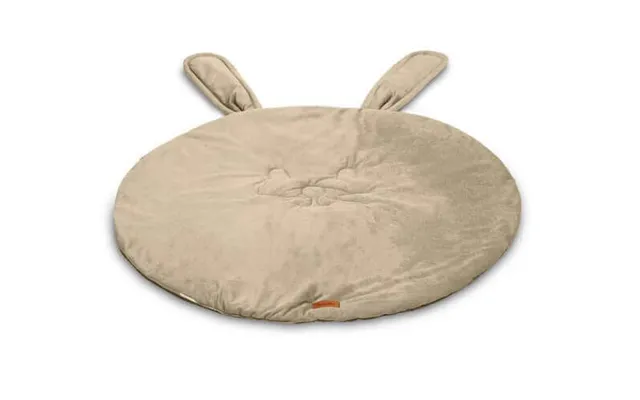
| Play Mat Bunny Beige Sensillo | £ 66,30 |