All categories
Business & Offices
Electronics & Media
Fashion & Accessories
Groceries & Essentials
Health & Personal Care
Home & Living
Kids & Family
Sports & Outdoors
Search in ZoneOffer

Loading...
If you’re like me, sometimes the last thing you want to do after a long day is cook from scratch. Prepared foods step in like a reliable friend—fast, convenient, and often delicious. But how do you choose the best ready meals, pre-made salads, or rotisserie chickens without overpaying or ending up with soggy disappointment? This guide walks you through the most common prepared food categories, how to read price lists, where to spot popular offers, and simple strategies to save money while keeping quality and nutrition in check.
Prepared foods have surged in popularity because they solve a modern problem: time scarcity. Whether you're juggling work, family, or evening plans, prepared meals can cut dinner prep time from an hour to 5 minutes. They’re like a tiny career coach for your dinner plate—helping you stay on track when life gets hectic. And with supermarkets and specialty brands stepping up quality, taste and nutrition have improved dramatically.
These days, prepared foods aren’t just microwavable trays of mystery meat. You can find chef-inspired dishes, fresh salads with crisp toppings, and heat-and-eat meals that taste like you didn’t rush them. Look for meals with whole ingredients, reasonable portion sizes (often 8–12 oz per serving for mains), and clear labels—those are the signs you’re getting convenience without sacrificing flavor or quality.
Want the most bang for your minute? Rotate between a few go-to prepared items: a 1–1.5 lb rotisserie chicken can become several meals, frozen entrees cover emergency nights, and pre-made salads or bowls fill midday hunger without a fuss. Stash staples in the freezer and plan a “heat-and-eat” night once or twice a week to cut time without feeling like you live on takeout.
Prepared foods come in many shapes and sizes. Knowing the major categories helps you pick the right product for the occasion—quick lunch, family dinner, or meal-prep for the week.
These are the classic heat-and-eat trays and bowls. Serving sizes typically range from 8 oz to 16 oz. Look for meals with clear ingredient lists and shorter cook or heat times. Many brands now offer options labeled “low sodium” or “high protein” which can help you align choices with your dietary goals.
Prepared fresh salads and grain bowls are perfect for lunches. Portions often come in containers around 12–20 oz. The trick is to check the dressing and topping portions—sometimes a salad looks healthy until you count the creamy dressing that adds excess calories and sodium. Buying the dressing separately can give you control and save calories.
A whole rotisserie chicken, often around 3–4 lb, is one of the smartest prepared-food buys. It provides multiple meals—salads, sandwiches, and a weeknight casserole. Pre-cooked proteins like sliced turkey, pulled pork, or meatballs are similarly versatile and usually sold in packages from 8 oz to 2 lb.
Freezer-friendly meals let you build a variety of dinners into your schedule. Look for packages sized in single-serve 8–12 oz portions or family packs of 1–3 lb that you can split. Frozen prepared foods can be economical when you calculate price per ounce and avoid impulse buys at the checkout.
Price comparison isn’t just about who has the lowest sticker; it’s about value per serving, ingredients, and convenience. With a few simple steps, you can decode price lists and find real savings on prepared foods.
Always break prices down to a per-ounce or per-pound cost. A 16-oz ready meal for $6 is about $0.38 per ounce, while a 32-oz family pack for $9 is roughly $0.28 per ounce—so the family pack might offer better value if you’ll use it. This math helps you compare different package sizes and formats fairly, especially when deals advertise savings that vanish once you calculate unit cost.
Comparison sites track popular offers and price lists across supermarkets and brands, making it easy to spot discounts and special promotions. Tools that list “popular offers” or show weekly price lists help you plan purchases—for example, timing a purchase of pre-marinated meats when they drop by $2 per package. Just remember to read reviews and ingredient lists, not only price tags.
Prepared doesn’t mean unhealthy by default, but reading labels matters. A quick scan can tell you whether a meal is packed with vegetables or just dressed up with salt, sugar, and hidden fats.
Many prepared meals and sauces contain high levels of sodium and added sugars. Look for meals under a 700–900 mg sodium range per serving if you’re aiming for moderation, and compare sugar contents—some sauces can add 2–4 tablespoons' worth of sugar to a single meal. Opt for products labeled “no added sugar” or those with lower sodium if you’re sensitive to either.
Calorie counts can be deceptive when portion size isn’t obvious. A 12-oz ready meal might be 500–700 calories, while a light salad with dressing on the side could be 300–400 calories. If you’re trying to manage portions, consider splitting a family pack into two meals or supplementing a smaller prepared entrée with a side of steamed vegetables to feel fuller without adding lots of extra calories.
Prepared foods save time—but handling them properly keeps those savings from going to waste. Safe storage and smart reheating preserve taste and reduce food wastage.
If you won’t eat a prepared meal within 2–3 days, freeze it. Most cooked meats and meals freeze well for 2–3 months. Pack items in airtight containers or heavy-duty freezer bags to prevent freezer burn. Label items with the date and portion size—writing “1 lb pulled pork — 07/01” helps you rotate stock and avoid guesswork.
Reheat slowly when possible. Use a microwave on medium power and stir half-way through, or reheat in a 300–325°F oven in a covered dish to retain moisture. When reheating rice or pasta, add a splash of water or broth to prevent dryness. For rotisserie chicken, wrap loosely in foil and warm for 10–15 minutes to keep juices intact.
Prepared foods produce more packaging, but there are environmentally friendlier choices. Thinking beyond price helps you reduce waste without losing convenience.
Select meals in recyclable containers or reduced packaging. Some brands now use molded fiber trays or recyclable plastic and mark them clearly. Buying larger family packs with less overall packaging per ounce can also cut waste. If you repeatedly buy prepared foods, washing and reusing sturdy containers where safe can shave both cost and landfill impact.
Different lives need different shortcuts. Whether you’re a busy professional, a parent feeding a family, or a student on a budget, there are prepared food strategies that fit your rhythm and wallet.
Opt for single-serve microwaveable bowls and fresh salads with separate dressings. Look for protein-forward options—meals with at least 20–30 grams of protein per serving—so you stay full and focused. Keep a few premium frozen entrees and a 3–4 lb rotisserie chicken in rotation for variety without sacrificing speed.
Family packs and batch-ready trays are your friends. A 2–3 lb lasagna or a 3–4 lb roasted bird can feed a family and generate leftovers, which lowers cost per serving. Add a bag of pre-cut veggies and a loaf of crusty bread and you have a complete meal in minutes that feels homemade to kids and adults alike.
Look for supermarket own-brand prepared meals and multi-pack frozen deals. Unit price matters: a 32-oz family style meal often costs less per ounce than single-serve trays. Use comparison tools and keep an eye on weekly promotions—minor timing differences can save you several dollars per purchase over time.
Quality varies between premium lines and value ranges. Many large supermarket chains and specialty brands offer reliable prepared foods. Comparing reviews, ingredients, and price lists helps identify the best picks.
Premium brands usually charge more but often use higher-quality ingredients and better packaging. Value lines can still be surprisingly good and are often the best choice for bulk purchases or weekly essentials. Evaluate on taste, ingredient transparency, and price per ounce to decide which line suits your needs.
Saving on prepared foods is part strategy, part timing. With the right habits, you can enjoy convenience without frequent premium prices.
Buy bulk and freeze when seasonal promotions hit. Retailers often discount prepared items around holidays or inventory changes. Comparison sites that collect price lists and popular offers can reveal the best weeks to stock up—pairing that intel with unit-price math will steer you to the real bargains.
Prepared foods are a powerful tool in modern meal planning: they save time, reduce stress, and can be part of a healthy, balanced diet when chosen wisely. Learn to read labels, compare price per ounce, and use comparison sites to track popular offers and price lists. With a few smart habits—like rotating between frozen staples, fresh salads, and a trusty rotisserie chicken—you’ll keep dinners quick, tasty, and budget-friendly without losing control of nutrition or quality.
| Prepared Foods - Other | Price | |
|---|---|---|
| Delicatessen - Delicatessen | £ 3,20 | |
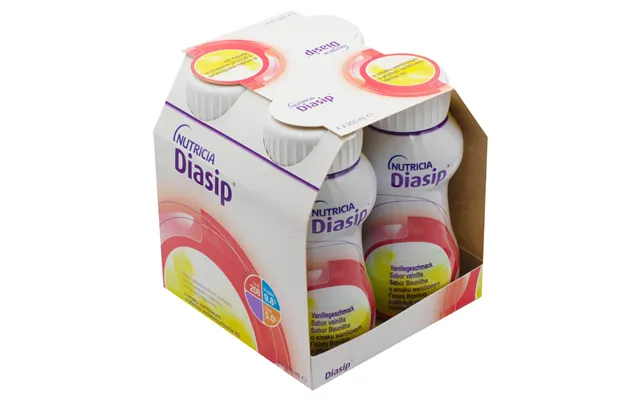
| Diasip - Nutritional Preparation For Diabetics | £ 9,60 | |
| Food Safety & Hygiene Online Training Course | £ 15,- | |
| Peeroton Slim Shake With Vanilla Flavor 500 G | £ 23,90 | |
| Haccp Level 2 Video Based Cpd Certified Online Course | £ 35,- |