
Tools price list
Last updated Sunday, 27 Sept 2026





View 10000 Offers


Loading...
Last updated Sunday, 27 Sept 2026
Whether you’re tackling a weekend project or outfitting a professional kit, the right tools turn tough jobs into smooth, satisfying wins. Good tools slice through the workload, save time, minimize mistakes, and, frankly, make you want to keep building. If you’ve ever tried to split a brick with a dull bolster or strip a thick cable with a utility knife, you know the difference between “good enough” and “built for the job.” The best part? You don’t need to overspend to upgrade your setup—smart shopping and comparison insights can help you snag powerful gear at sharp prices.
In this guide, we’ll zero in on stand-out products commonly sought by UK buyers—like CK chisels and a wide range of precision cutters—and show you how they stack up for masonry, electrical work, and general construction. You’ll also learn what to look for in build quality, safety ratings, and ergonomics so you can buy with confidence, whether you’re renovating a kitchen or wiring a workshop.
Chisels and gouges might look simple, but they’re the backbone of accurate masonry and detail work. A solid brick bolster and a refined chisel-and-point combo will help you control where material breaks, make tidy cuts, and shape stone or mortar lines without fracturing surrounding material. Think of these tools as the steering wheel and brakes for heavy, brittle materials—they guide and stop the action exactly where you need it.
Two items to pay attention to are the CK Brick Bolster 100mm 4 Inch and the CK Mortar Pick Chisel and Point. Together, they form a compact but capable pairing for brick splitting, chasing, repointing, and precision detailing. If you’re updating a fireplace, repairing steps, or opening a channel for cabling, these tools help you work cleaner, faster, and safer.
A brick bolster is your go-to for splitting bricks and blocks cleanly. The CK Brick Bolster 100mm 4 Inch offers a wide cutting edge to deliver force across a broader surface, helping you control crack lines when you strike it with a club hammer. If you’ve ever tried to “freehand” a split with a narrow cold chisel, you’ll appreciate how a wider bolster reduces chip-outs and gives more predictable breaks.
Pro tip: Score the brick along your intended break line with a few lighter taps, then commit with firmer blows. Pair the bolster with a comfortable, well-balanced hammer and always wear eye protection—chips can fly like tiny comets when the bond finally pops. For frequent masonry work, a bolster like this is worth its weight in neatly cut bricks.
When you need finesse, this chisel-and-point combo shines. Use the chisel for removing old, crumbling joints and the pointed end for detail work, tracing lines, or starting a channel. It’s a versatile piece for repointing projects, where you need to remove just enough mortar without damaging the edges of the bricks. Think of it as your scalpel for masonry—surgical, controlled, and efficient.
If you’re repointing a garden wall or tidying up a patchy facade, pair this tool with a dust brush and vacuum to keep your workspace visible. A steady hand and the right chisel will save you hours and keep your brickwork crisp and tidy.
Certain cutters become instant favorites because they solve real problems: tight spaces, clean finishes, tough materials, and safety concerns. From flush cutters for electronics to ratcheting cutters for conduit, the right tool produces clean results and reduces fatigue. Let’s look at a selection of cutters that are popular across trades for their durability and precision.
When you’re shopping, you’ll find a range of specialty tools—each designed to cut a specific material without crushing or distorting it. The more the cut matters (think: cable integrity, finish quality, and compliance), the more you’ll appreciate cutters designed for that exact task. That’s where CK’s precision lines and other specialized tools can really stand out.
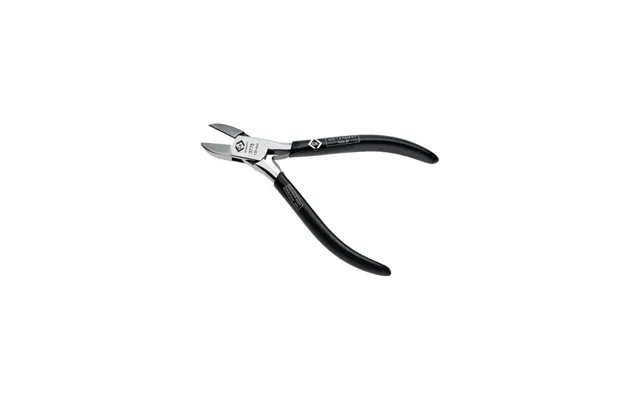
For electronics and fine cable work, a full flush cut is gold. This ESD-safe side cutter is designed to nip component leads and small cable ties right at the surface, producing a clean, flat finish that won’t snag or short against neighboring parts. At roughly 4.7 inches in overall size, it fits naturally in the hand and offers excellent control on delicate assemblies.
Why does full flush matter? On circuit boards, ragged ends can scratch or cause clearance issues. A true flush cut leaves the surface tidy, improving reliability and appearance. If you do bench work, cable management in racks, or hobby electronics, this kind of side cutter becomes indispensable.
If you work with modular cable tray systems, a dedicated Rollatray cutter is a smart pick. This tool is built to make quick, straight cuts through tray sections without bending edges or flaring the ends. That means faster assembly, cleaner joins, and less time fixing ragged edges. No one likes fussing with snags and sharp burrs—get a clean cut once and move on.
Use it with a stable work platform and measure twice so your tray segments align with support points. A reliable Rollatray cutter helps you keep installations neat, improves airflow, and reduces risk of cable damage from rough edges.
Cutting conduit with a standard saw is noisy, messy, and slow. A ratchet conduit cutter gives you smooth, controlled cutting with minimal deformation. The ratcheting mechanism multiplies your hand strength, so you can work through tough plastic conduit with steady, incremental pressure. The result? Clean ends that fit couplers properly without excessive deburring.
If you’re running multiple conduit lines, the time savings add up fast. Pair this with a deburring tool and you’ll nail clean, professional-grade fits that slide together without a fight.
Top cutters are excellent for pulling and cutting in confined spaces where a standard diagonal cutter just can’t reach. At about 8 inches long, this tool gives you the leverage you need for heavier-duty tasks like clipping protruding fasteners, trimming cable ties flush, or cutting soft wire where a low profile is helpful.
Use it when you need to cut close to a surface without tilting your wrist at awkward angles. The extra length helps your hands stay out of tight corners while still delivering enough bite to finish the job cleanly.
Oblique cutters angle the head for better visibility and access, especially on boards or inside enclosures. Around 4.3 inches long, this full flush cutter is a compact powerhouse for trimming leads, plastic sprues, and fine wire. The angled design keeps your line of sight clear, so it’s easier to see exactly where you’re snipping.
If you’ve ever tried to reach that last, awkward lead under a component, you know how much an oblique head helps. Pair it with an ESD mat and wrist strap for safe, static-controlled bench work.
Pipe cutters rely on sharp wheels to make clean, repeatable cuts without crushing pipe walls. A spare wheel for models T2231 and T2232 keeps your tool in peak form. When you notice increased effort, rough edges, or spiraling, it’s time to swap the wheel. It’s a simple upgrade that brings the tool back to day-one performance.
Keep a spare in your kit so a dull wheel doesn’t stall your workflow. Replacing it is fast, and the difference in cut quality is immediate—less burr, straighter cuts, and fewer leaks or fit issues down the line.
A specialized cable knife makes quick, consistent work of stripping insulation on large-diameter cables. The No.35p targets a range of about 1.06 to 1.38 inches, giving you stable, repeatable results on thicker lines without nicking conductors. If you’ve been wrestling with utility knives and guesswork, a dedicated cable knife is a revelation.
Use gentle, controlled rotation and let the tool’s guide features do the work. The result is a clean jacket removal that keeps inner conductors protected and ready for termination.
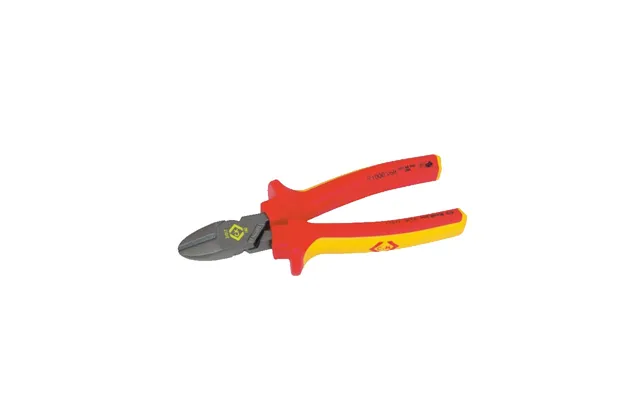
When you’re cutting power cables, a heavy-duty cutter with insulated handles is a must. At roughly 6.3 inches in length, this VDE-rated tool is designed to handle copper and aluminum conductors cleanly, delivering a neat cut without squashing or fraying strands. That’s essential for secure terminations and reliable connections.
Never use this type of cutter on steel or hardened materials—save it for the conductors it’s made to slice. And even with insulated tools, always de-energize circuits before cutting. The tool protects you, but safe procedure protects you even more.
Picking a cutter isn’t just about size—it’s about the material you’re cutting, the finish you need, and the space you’re working in. One mistake many folks make is trying to find a single “do-it-all” cutter. That unicorn rarely exists. Instead, build a small, focused set: one for power cables, one for plastic conduit, one for electronics, and one for general-purpose trimming. You’ll work faster, safer, and with better results.
Let the job dictate the tool. Cutting conduit? A ratchet cutter wins. Trimming leads on a PCB? Reach for a flush, ESD-safe side cutter. Chopping into bricks? That’s a bolster and chisel day. The right choice pays you back with cleaner finishes, fewer reworks, and less frustration.
Always match the cutter to the material and diameter you’ll encounter most. For plastics and soft metals, dedicated cutters prevent crushed edges and ensure a tight fit for connectors. For cable, look for a tool rated specifically for copper/aluminum conductors in your typical size range. Oversizing by a notch is fine; undersizing is a recipe for chewed insulation and sore hands.
If the finish matters, aim for full flush cutters. They leave almost no protrusion and are perfect for electronics or finish carpentry where a tiny nub becomes a big annoyance. Semi-flush cutters are tougher and last longer under heavy use but leave a slight protrusion after the cut. Pick based on the finish you need most often.
Look for comfortable grips, spring-assisted opening, and a size that fits your hand. For electronics, ESD-safe tools reduce the risk of static damage. For electrical work, VDE-rated insulation adds vital protection. The right ergonomics and safety ratings reduce fatigue and lower the chance of mistakes—especially at the end of a long day.
Well-kept tools last longer and work better. Clean moving parts, check pivot screws for play, and wipe blades after use to prevent corrosion. A single drop of light oil on a pivot can make a cutter feel brand new. For masonry tools, inspect edges for chips and store them so cutting faces aren’t banging against other metal in your bag.
Sharpen where appropriate and replace consumables before they cost you time. A fresh pipe cutter wheel, for instance, can be the difference between a perfect fit and a leaky joint. And of course, invest in eye protection and gloves suited to the task—safety gear is like a seatbelt: you don’t think about it until you really need it.
Not all cutters are meant to be sharpened, but many chisels and pipe cutter wheels are consumable or maintainable. Learn the recommended approach for each tool. If you notice tearing instead of cutting, increased force, or ragged edges, don’t power through—service the tool. It’s cheaper than replacing materials or redoing work.
For masonry: safety glasses, dust mask, and sturdy gloves. For cutting cable: cut-resistant gloves and eye protection. For electronics: ESD wrist strap and mat. These essentials are simple, inexpensive, and help you focus on precision instead of worrying about injury.
If you like keeping more money in your pocket, lean on independent comparison platforms that gather prices from multiple retailers. Sites like ZoneOffer act as comparison tools, helping you discover current offers, compare features and price points side-by-side, and track down discounts that are easy to miss when you’re browsing store by store.
Use filters to narrow by tool type, safety ratings (ESD or VDE), brand lines, and accessory compatibility—then check recent pricing trends to see if you’re buying at a peak or a dip. Price alerts can be especially handy for big-ticket items or when you’re building a toolkit over time. A little patience can equal a lot of savings.
Want to get the most out of your cutter and chisel lineup? Pair them with complementary tools that supercharge your efficiency. For masonry, match a brick bolster and mortar chisel with a club hammer, cold chisel, and a stiff masonry brush. For conduit and cable management, combine a ratchet conduit cutter with a deburring tool, label maker, and quality cable ties.
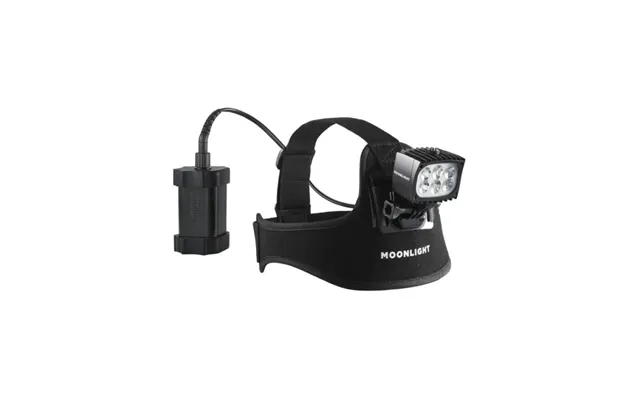
For electronics, a full flush oblique cutter belongs next to a temperature-controlled soldering iron, precision screwdrivers, tweezers, and an ESD mat. Little upgrades—like a magnetic parts tray or a compact headlamp—do wonders for your workflow, keeping you focused and hands-free when it matters.
Let’s put these tools to work in everyday scenarios. Seeing where each shines helps you build a shortlist that’s tailored to what you actually do—not what looks cool in a toolbox photo. The goal is a kit that feels like an extension of your hands, not a random pile of metal.
You’re repointing a weathered garden wall. Use the CK Mortar Pick Chisel and Point to loosen and remove crumbly mortar, then clean the joint with a brush. If you need to replace a brick, score a line with the CK Brick Bolster 100mm 4 Inch and work along it with decisive hammer blows. The brick breaks clean, the cavity is tidy, and your replacement fits like it was always meant to be there. That’s the power of the right chisel and bolster combo.
Running plastic conduit across a garage ceiling? Measuring your runs and cutting with a CK Ratchet Conduit Cutter gives you clean, square ends. Deburr the edge, dry-fit your couplers, and secure the run. When your cuts are true, the whole install aligns better—less wrestling at each junction and a more professional finish that you’ll be proud to show off.
On a PCB project, a CK Sensoplus ESD Side Cutter Extra Full Flush Cut 120mm or a CK Precision Oblique Cutter Full Flush Cut 110mm trims leads right to the board surface. No jagged bits to catch sleeves or scratch traces. ESD-safe construction helps protect sensitive components while you work. It’s the difference between a clean, reliable board and one that looks—and behaves—like it’s been through a fencing match.
Even great tools can give poor results if used incorrectly. Want to skip the headaches? Learn from the common pitfalls below so your tools last longer and your results look sharp from day one.
Snipping hardened screws or nails with a cable cutter is a fast way to ruin the cutting edges. Use a tool rated for hard wire or a small bolt cutter for those. Keep each cutter in its lane and it will reward you with years of reliable performance.
Cable cutters are designed for straight compression cuts, not twisting or prying. If the cut is difficult, reassess: are you within the tool’s capacity? Is the blade dull? Are you using the right cutter for the conductor type? Forcing it can misalign the jaws and cause permanent damage.
When you face a long tools price list, start by sorting into three buckets: must-have, nice-to-have, and later. Prioritize safety-rated cutters for live-adjacent work, masonry essentials for structural tasks, and exact-fit cutters for the materials you handle most. Then, compare prices across multiple sellers using a trusted comparison platform to quickly spot true deals versus routine discounts.
Watch for bundles that include spare wheels or protective sheaths, and double-check warranty coverage. A fair price on a solid tool with a strong warranty beats a rock-bottom deal on gear that fails midway through a project.
Before you buy, run through this quick checklist: Are you matching the tool to the material? Do you know the maximum capacity you’ll need? Is the cut quality (flush or semi-flush) right for the finish you want? Do you need ESD or VDE safety? Is the tool comfortable in your hand? Can you easily find spare parts or replacement wheels? And lastly—did you compare prices across several retailers? Hit all those points and you’ll build a kit that makes every job smoother.
From the CK Brick Bolster 100mm 4 Inch to precision, ESD-safe cutters and heavy-duty VDE cable cutters, the right selection of tools transforms projects from hard labor into a satisfying craft. Choose tools that match your materials and finish requirements, keep them maintained, and rely on comparison platforms to secure the best deals. Build your set thoughtfully, and you’ll feel the difference every time you squeeze a handle, strike a chisel, or snap a perfectly clean cut. Ready to level up your kit? Start with the essentials that fit the work you do most—and let quality guide the rest.