




All categories
Business & Offices
Electronics & Media
Fashion & Accessories
Groceries & Essentials
Health & Personal Care
Home & Living
Kids & Family
Sports & Outdoors
Search in ZoneOffer
Loading...
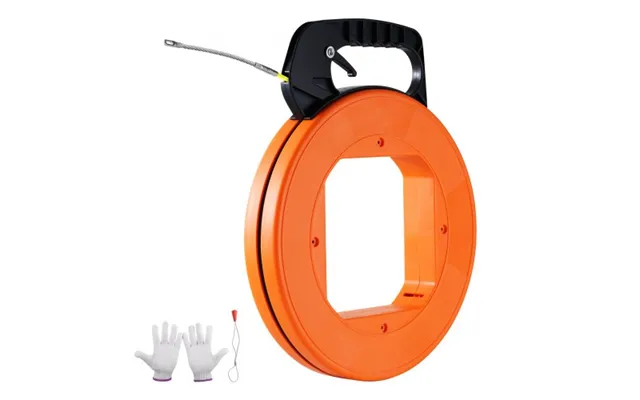
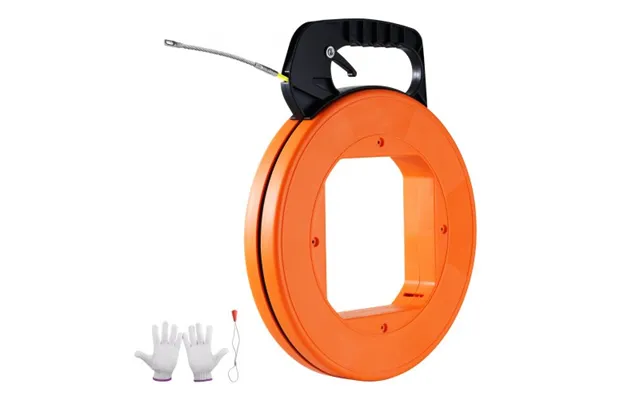
Electrician fish tape is the unsung hero of wire pulling. If you’ve ever tried to push cable across a wall cavity or down a long conduit run, you know it can feel like threading spaghetti through a garden hose. Fish tape solves that. It’s a flat, flexible tape—often steel, fiberglass, or nylon—housed in a circular case that lets you feed, guide, and retrieve cables from point A to point B without tearing up walls. Whether you’re routing a new circuit to a garage, adding Ethernet to a home office, or rewiring an older property, the right fish tape turns a frustrating chore into a smooth, predictable task. And because pricing, features, and materials vary widely, comparing today’s popular offers can help you snag the best fit for your projects without overpaying.
So why does every electrician keep fish tape in the kit? Speed, precision, and safety. It gets your cable where it needs to go while reducing snags, bends, and damage to insulation. A good tape also saves your hands and back, because you can push or pull with control instead of wrestling a live snake of wire. Add in a strong case, ergonomic handle, and the right leader tip, and you’ll find your cable routing jobs take less time and involve fewer “Why won’t this turn that corner?” moments.
Not all fish tapes behave the same. Material choice changes how the tape feeds, turns, and resists wear. Picking the right one is like choosing the right blade for a saw—sure, they all cut, but the right blade makes the job cleaner and faster. Here’s what to know about each common type before you compare prices and features across today’s deals.
Steel fish tape is the classic go-to. It’s durable, has a strong “memory” that lets you push through long runs, and is excellent for straight conduit pulls. It’s also affordable, especially in the 50 ft to 100 ft range, and common in widths around 1/8 in to 3/16 in. The trade-off? Steel can conduct electricity, so it’s not for live circuits, and it may kink if forced around extremely tight bends. If you’re mainly working in metal conduit with predictable routes and want reliable push strength, steel is a solid, cost-effective pick.
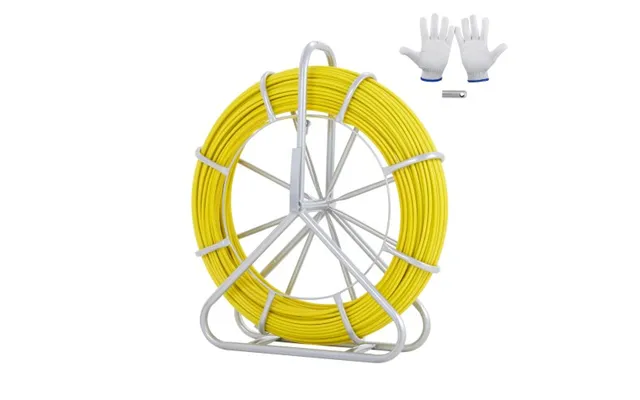
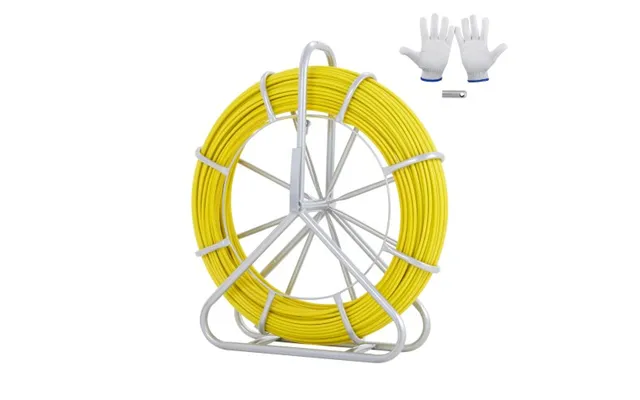
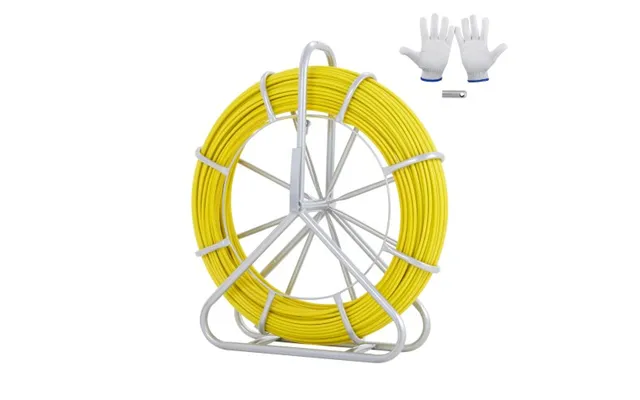
Fiberglass fish tape is a favorite for safety and flexibility. It’s non-conductive, which makes it a safer choice around energized equipment (though you should always de-energize circuits when possible). It navigates bends more easily than steel and reduces the risk of kinking. Many fiberglass tapes come with high-visibility coatings or glow options that make them easier to spot in dim spaces. They’re usually found in lengths from 50 ft to 200 ft. If you often find yourself working in busy ceiling voids, residential runs with lots of turns, or around panels where safety is non-negotiable, fiberglass is worth a close look.
Nylon fish tape is lightweight, flexible, and usually budget-friendly. It’s great for short runs behind walls or in open cavities where you don’t need heavy push force. Nylon is also non-conductive, so it adds a safety edge when working near live components. The downside is reduced stiffness, so it’s not ideal for long or stubborn conduit. Think of nylon as a nimble helper for quick domestic tasks rather than a workhorse for demanding pulls.
Stainless steel and hybrid tapes bridge the gap between strength and corrosion resistance. Stainless steel resists rust, which is a big deal if you’re working in damp basements or outdoor conduits. Hybrid designs might combine a strong core with a smooth coating, giving you better glide and reduced friction. These options often land at a higher price point, so they’re smart buys when durability and longevity matter more than initial cost.
Length and width aren’t just numbers on a label—they define what your fish tape can tackle. Too short, and you’ll come up inches shy of the panel. Too narrow, and it might buckle when the conduit throws you a tight turn. Dial these in for fewer headaches and a smoother pull every time.
For most domestic work, 50 ft to 100 ft covers a surprising amount of ground, from running cable across rooms to reaching down basement-to-first-floor paths. If you’re frequently navigating longer conduit runs in larger buildings, consider 125 ft or 200 ft options. Remember: it’s better to have 10 ft more than you need than to come up short and start over from the other side.
Width typically ranges from about 1/8 in for lighter, more flexible tapes to 3/16 in for added stiffness and push strength. Thicker tape resists buckling and can power through a straight conduit like a tiny bulldozer. Thinner tape snakes around bends more easily but may fold under pressure on long runs. If your jobs vary, a mid-width tape offers a nice balance.
Beyond material and size, the best electrician fish tape products stand out with smart details that save time and frustration. It’s like comparing two identical cars and noticing one has heated seats, a rear camera, and better gas mileage—you feel the difference every day on the job.
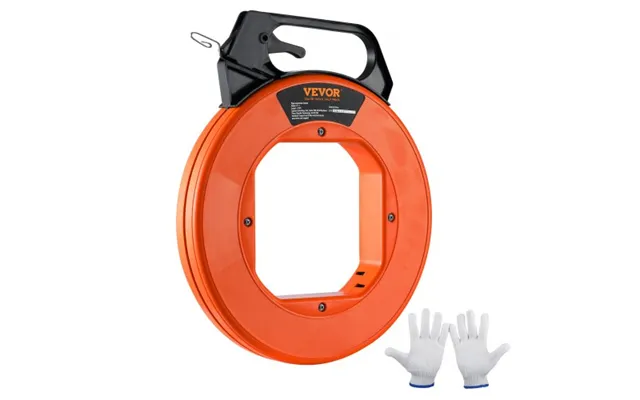
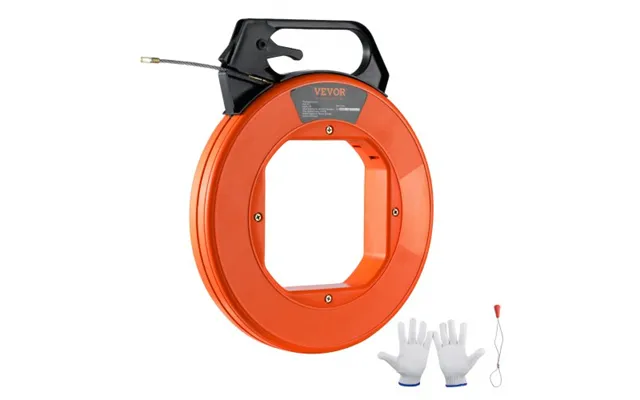
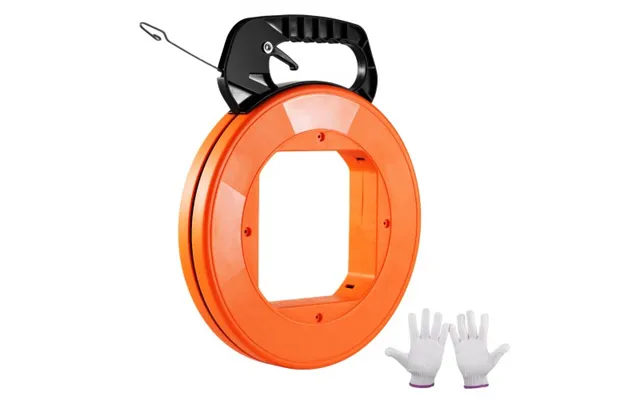
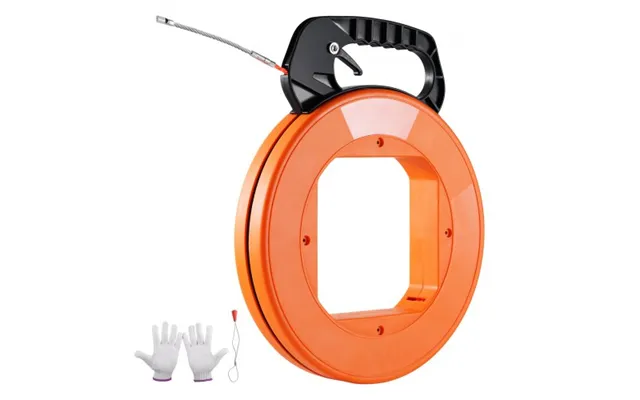
The case is your control center. Look for a rugged shell with a comfortable, non-slip handle and a smooth winding mechanism. Larger handles give you leverage, especially on longer tapes. Some cases include a reel design that minimizes binding and lets you feed and retract quickly without wrestling the tape back into place. If you’ve ever spent more time re-spooling than pulling cable, you know how valuable a slick case can be.
The leader—the first few inches of the tape—should be flexible enough to round corners but sturdy enough not to collapse. Steel leaders punch through tougher paths; nylon or fiberglass leaders handle bends gracefully. Swivel tips reduce twisting when pulling multiple wires. Some tapes include hook or loop ends to tie off conductors neatly. If you regularly pull data cable, a smooth, snag-resistant tip is worth its weight in gold.
Glow coatings help in crawl spaces and dark ceiling voids, acting like a breadcrumb trail. Non-conductive builds are invaluable around panels or junctions where live risk can’t be fully eliminated. If safety is priority one, non-conductive fiberglass or nylon gives you peace of mind, while glow features keep the tape visible when your headlamp beam is bouncing around.
Mastering fish tape is part technique, part patience. Think of it like guiding a kite in the wind—you don’t brute-force it; you finesse it. The steps below will have you pulling clean, damage-free runs with fewer snags and do-overs.
Before you feed the tape, map your route. Identify entry and exit points, confirm conduit paths, and clear obstructions. Label cables, prep pulling heads, and stage tools like electrical tape, pulling grips, and lubricant. De-energize circuits whenever possible. Prep is boring—until it saves you from a mid-pull headache.
Start with the leader aimed at your exit point. Feed steadily, keeping the case aligned with the path to avoid kinks. When you hit a bend, ease up on the push and rotate the case slightly to help the leader find its angle. If the tape binds, withdraw a bit and try again rather than forcing it. The mantra is guide, don’t shove.
Once the tape reaches your exit, attach the wire with a smooth, tapered wrap of electrical tape or use a pulling grip. Make sure there’s no sharp shoulder that can catch on a lip or coupling. Use a partner if possible—one feeds while the other pulls. Communicate and keep tension steady. A small dab of wire pulling lubricant can turn a stubborn route into a smooth glide.
If the tape stalls, stop and assess. A quick back-and-forth can free a mild snag. Try rotating the tape to shift the leader orientation. If you suspect a tight coupling, withdraw and adjust the entry angle. Persistent binds may require switching to a more flexible tape, using a smaller bundle, or feeding from the opposite end.
Safety isn’t just a checkbox—it’s the backbone of professional work. Fish tapes can conduct electricity and exert force that surprises your hands, wrists, and shoulders. A few smart habits protect you and your gear, and they don’t cost a dime.
If there’s any chance of contact with energized components, choose a non-conductive fish tape like fiberglass or nylon and verify circuits are de-energized. Use a quality tester before you begin. Remember: even non-conductive tape can carry risk if attached hardware or the pulled cable itself contacts live parts. Treat every pull with respect.
Keep the case close to your body and pull with your legs engaged, not just your arms. Wear gloves to protect against sharp edges, eye protection for debris, and sturdy footwear. Take breaks on long pulls—fatigue leads to mistakes. If your gut says “this feels sketchy,” stop and reassess.
Fish tape is a star player, but sometimes a different tool earns the assist. Knowing when to switch saves time and sanity. Consider these companions when comparing your toolkit against the job’s demands.
For open areas like lofts or ceiling voids, rigid fish rods shine. They’re excellent for overhead runs where gravity fights your tape. Glow rods add visibility in dim spaces. Use rod kits with threaded ends for hooks, loops, and magnets to grab or guide cable with surgical precision.
When you have a smooth wall cavity and want to avoid opening it up, magnetic pullers can move a leader along drywall and around obstacles. They’re especially handy for low-voltage runs like Ethernet or coax. Think of them as a secret handshake through the wall.
For long, heavy pulls—especially in commercial environments—powered cable tuggers and capstans bring muscle and control. Pair with proper pulling grips, swivels, and lubricant to reduce friction and protect conductor jackets. This is pro-grade territory, but it can be a game-changer for big installs.
From quick residential fixes to demanding retrofit jobs, fish tape proves its worth daily. When you match the tape to the task, you get cleaner pulls, fewer callbacks, and happier clients or family members when the job gets done without drama.
Older properties often have quirky paths and tight voids. A flexible fiberglass tape or a mid-width steel tape with a smooth leader can help you weave through surprises without chewing up insulation. Plan routes from accessible basements or lofts and use glow features when working in dark voids.
For data and AV runs, gentle curves and non-conductive materials are your friends. Nylon or fiberglass fish tape pairs nicely with smaller-diameter cable bundles. Magnetic pullers can speed up straight wall runs without punching new holes. Keep pulls smooth to protect delicate twisted pairs.
For garages, sheds, and garden lighting, longer runs and moisture are common. Stainless steel or coated steel tapes resist corrosion and keep push strength high. If you’re working in underground conduit, add pulling lubricant and watch your transitions at junction boxes to protect cable jackets.
Not every job needs a premium tape, and not every bargain saves money in the long run. The sweet spot is matching features to frequency of use. A reliable mid-range fiberglass tape with a smooth case can outwork a cheaper option if you’re pulling weekly, while an occasional DIYer may love a budget nylon tape for quick weekend projects.
Entry-level steel or nylon tapes around 50 ft are affordable and perfect for straightforward domestic pulls. You’ll get basic cases and standard leader tips. If you only tackle a few runs a year, a well-reviewed budget option can punch above its weight without emptying your wallet.
Mid-range fiberglass or stainless steel tapes step up with better cases, smoother feed-and-retract action, and improved leaders. Lengths at 100 ft to 125 ft cover most residences and light commercial jobs. If you’re on the tools regularly, this tier delivers excellent value.
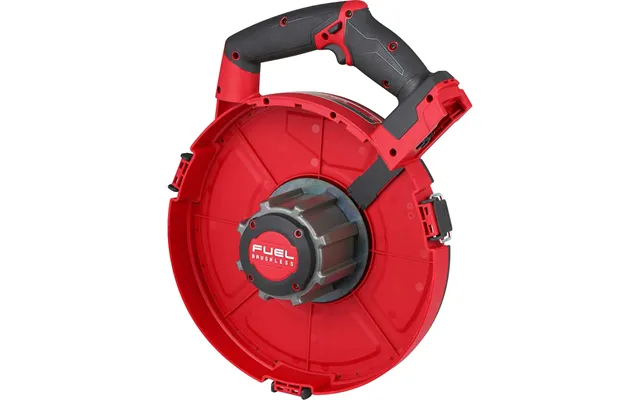
Premium models bring pro-grade durability, advanced coatings for low friction, reinforced tips, and ergonomic cases designed for all-day use. If your work involves complex conduit systems, long pulls, or frequent use near energized equipment, investing here pays off in time saved and fewer headaches.
The electrician fish tape market is packed with options, which is great news for your budget. Comparing popular offers across retailers lets you weigh materials, lengths, leaders, and case designs side by side. Look for detailed product pages, user feedback on push strength and bend handling, and clear specs on non-conductive ratings. If you time your purchase around seasonal discounts or stock clearances, you can secure a higher-tier tape for a mid-range price.
A little care stretches the life of your fish tape—just like sharpening a chisel, small habits save money. Clean the tape after gritty pulls, store it coiled properly, and fix minor damage before it becomes a failure point. Treat it well, and it will keep feeding and pulling like new.
Wipe down steel tape after dusty or muddy runs and add a light protective oil to prevent rust. Fiberglass and nylon benefit from a clean, dry wipe to remove grit that can abrade the case or leader. Keep the case vents clear so the reel turns freely.
Always retract the tape fully before storage and avoid sharp bends. If you feel a kink forming, stop and straighten it before winding in. Store cases upright and away from extreme heat that could warp the housing or soften plastic components.
Retire tape that has severe kinks, cracks, or frayed leaders. Replace worn tips and swivels before they fail mid-pull. If retracting becomes rough even after cleaning, inspect the reel for damage. A well-timed replacement beats a snapped tape buried in conduit any day.
A few expert habits turn a decent job into a great one. Taper your tape-to-cable connection so it glides through tight couplings. Pull steadily, not in jerks, to avoid snagging. When pulling multiple cables, stagger ends to create a smooth bundle. And when in doubt, use a small dab of pulling lubricant—it’s like adding butter to toast; everything just goes down easier.
Electrician fish tape is a deceptively simple tool that unlocks professional results when you choose the right material, length, and features. Steel brings push power, fiberglass adds safety and flexibility, nylon gives quick and light convenience, and stainless steel offers rugged resilience. Match the tape to your route, add a smart leader and a smooth case, and you’ll run cable with less fuss and better outcomes. By comparing popular offers, checking real-world reviews, and targeting features you’ll actually use, you can secure a great deal and a dependable tool that earns its place in your kit day after day.
| Electrician Fish Tape | Price | |
|---|---|---|
| Ferret Short Rod Hook And Magnet Bundle | £ 18,14 |

