
Threading Machines price list
Last updated Sunday, 27 Sept 2026





Loading...
Last updated Sunday, 27 Sept 2026
Got pipework to run, fittings to connect, or bolts to repair? Threading machines are the unsung heroes that turn smooth pipe or rod into precision-threaded connections that don’t leak, don’t loosen, and don’t let you down. Whether you’re plumbing a bathroom, installing HVAC lines, or fabricating a custom frame, a dependable threader can transform a tough job into a straightforward, repeatable process. The best part? With so many models and accessories available, you can tailor a setup to your exact workload and budget while comparing deals across the UK to find serious value.
Browsing a comparison site like ZoneOffer helps you zoom out and see what’s out there—from compact hand-held threaders to heavy-duty bench machines. You’ll spot the features that actually matter (capacity, die heads, oil systems) and avoid paying for bells and whistles you’ll never use. Ready to cut crisp, accurate threads without the headaches? Let’s break down what to look for and how to pick a machine that earns its keep from day one.
A threading machine cuts helical grooves—threads—into the outside of a pipe or rod so it can mate with a fitting or nut. In plumbing, that often means taper threads on steel pipe for a leak-tight seal. In fabrication or maintenance, it could be straight threads on rod or bolts. Manual threaders get the job done for small volumes, but powered machines dramatically boost speed, consistency, and surface finish. The result is a cleaner thread that assembles faster and seals better.
Modern threaders come in several flavors: hand-held power units for quick on-site work, portable bench machines for daily jobsite use, and stationary workhorses built to crank out threads all day long. Most systems rely on interchangeable die heads and dies, letting you switch sizes without buying a new machine. With the right combination, one threading setup can cover a surprising range of pipe diameters and standards.
On a tight budget or threading only occasionally? Manual ratchet threaders still have a place. They’re compact, affordable, and perfect for basic pipe runs in sizes like 1/2", 3/4", and 1". You clamp the die onto the pipe, apply cutting oil, and crank. It’s slower and more physical than powered options, but the low cost and portability make it a smart backup or starter choice, especially for small repairs or remote work.
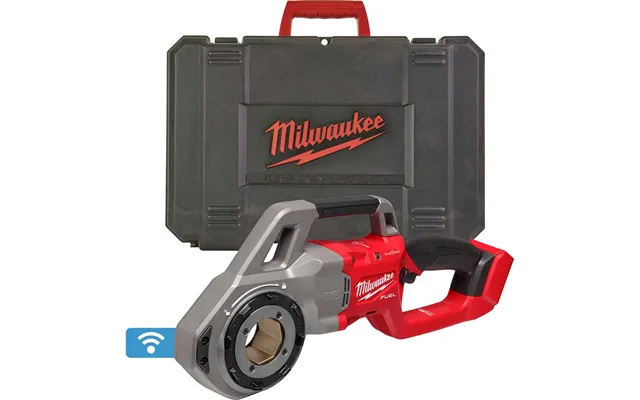
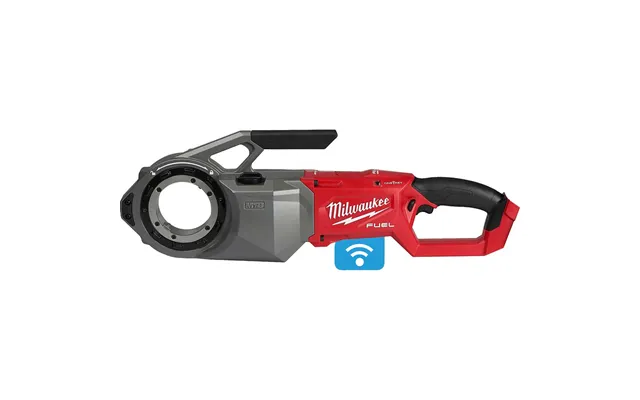
Handheld power threaders are a sweet spot for service techs. They’re light enough to carry but strong enough to drive through common pipe sizes up to around 2" in many cases. Pair one with a sturdy tripod vise and you’ll cut threads cleanly without hogging space in the van. Swappable die heads, variable speed triggers, and robust gearboxes are key features here—plus a reliable method of getting oil onto the cut to keep threads sharp and burr-free.
Bench machines take productivity up a notch. With a built-in motor, foot switch control, and integrated oiling system, these are designed for repeatable, high-quality threads throughout the day. Typical capacity ranges from 1/2" to 2" on standard models, with some options reaching larger sizes using different heads. Add a stand with wheels, and you’ve got a portable mini-workstation that rolls between jobs and keeps workflow organized.
When the workload is nonstop—think contractor shops, MEP fabrication, or plant maintenance—heavy-duty stationary machines earn their keep. They’re heavier, more powerful, and built for size range flexibility, often with quick-change die heads for speed. Foot pedal control, strong jaw vises, and high-flow oil pumps help these machines run cooler and cut consistent threads hour after hour. If uptime is money, this tier is worth a serious look.
Two standards dominate the pipe-thread world: NPT (National Pipe Taper) and BSPT (British Standard Pipe Taper). Both are taper threads designed to seal as they tighten, but they’re not interchangeable. NPT uses a 60-degree thread angle, while BSPT uses 55 degrees, and the profiles differ. Some die heads can be fitted with NPT or BSPT dies, but you must match the die to the standard required by your fittings. Using the wrong standard risks leaks, damage, or both.
If you work across different systems—say, servicing older equipment with one standard while installing new lines with another—choose a threading setup that accepts both NPT and BSPT dies. Clear labeling, color-coded boxes, or dedicated storage helps avoid mix-ups on busy sites where time and attention are under pressure.
Threads Per Inch (TPI) affects how the thread engages and seals. For common pipe sizes like 1/2" or 3/4", the TPI is standardized within each thread system, so your die handles sizing automatically. Still, reading the die markings and confirming TPI with gauges is smart practice—especially on rethreading jobs where you’re repairing damaged ends. When in doubt, measure and match. A quick TPI check now beats a leaky joint later.
Start with the sizes you thread most often. If your bread and butter is 1/2" to 1", a compact hand-held unit may be ideal. Regularly handle 1-1/4" to 2"? A bench threader is more efficient. If you occasionally tackle larger pipe, confirm whether your machine can expand up to 2-1/2" or even larger with special heads. Buying only what you need is smart, but leaving room to grow can save money long term.
Cutting speed influences finish quality and die life. Most powered threaders keep RPM modest to maintain torque and avoid overheating. Variable or two-speed drives are useful when switching between sizes. Listen for smooth motor operation and check duty-cycle ratings. A machine that stalls or overheats under load turns a simple job into a headache. Consistent power delivery is the silent feature you’ll appreciate most.
Die heads determine how fast you can switch sizes. Quick-change, self-opening heads reduce downtime and help prevent over-threading. Look for clear markings and a positive locking mechanism. Compatibility with widely available die sets (NPT and BSPT) is crucial for keeping consumable costs under control. If you rethread bolts or rods, check whether straight-thread dies are supported.
Thread-cutting oil isn’t optional—it’s the difference between a clean cut and a chewed-up mess. Bench and stationary machines often include recirculating oil pumps that flood the cut for cooler, sharper threads and longer die life. Handheld units may rely on manual application, so plan accordingly. Transparent reservoirs, easy drains, and screens for trapping chips make maintenance faster and cleaner.
Jobsite work favors compact, rugged gear. Handheld threaders keep weight lower for overhead or tight-space work, while portable bench units on wheeled stands strike a balance between stability and mobility. Check the frame material, vise jaws, and overall fit-and-finish. A few extra pounds of durability beats a lighter unit that struggles with real-world abuse.
Foot switches, overload protection, secure jaw vises, and grippy handles reduce risk and fatigue. Guarding around moving parts and clear shutoff controls are must-haves. Good ergonomics—like a comfortable working height and smartly placed switches—keep you in control when threads bite and torque jumps.
For service calls and small installs, many pros carry a handheld threader and a solid tripod vise, covering 1/2", 3/4", and 1" all day long. Add a compact bench machine back at the shop for bigger runs or prefabrication. This two-tool setup lets you thread on-site when it’s easier and batch larger projects when time allows.
High-volume work benefits from a heavy-duty bench or stationary threader with a quick-change die head and robust oiling. If you’re threading a lot of 1-1/4" to 2" lines, consistent torque and cooling are everything. A wheeled stand helps roll between stations, while a foot switch streamlines start-stop control when you’re repeating cuts all day.
From rethreading damaged rod to cutting short nipple lengths, a versatile machine with both taper and straight-thread capability pays off. Keep a selection of dies, reamers, and deburring tools handy, and you’ll handle surprises without a run to the supplier. A durable oil system and easy-clean chip trays make shop life cleaner.
Dies do the cutting, so buy quality and maintain them. Keep separate, clearly marked sets for NPT and BSPT. Reamers clean the inside of cut pipe, removing burrs that can snag fittings or restrict flow. If you work with rod or bolts, add straight-thread dies and taps to your kit so you’re covered for both external and internal threads.
A sturdy stand with a broad base and gripping jaws prevents vibration and misalignment. Tripod vises are popular because they fold fast and handle uneven floors. For powered bench machines, a foot switch frees both hands to steady the work and react quickly. These small upgrades translate to cleaner threads and fewer do-overs.
Good oil cools the cut and carries chips away from the die teeth. Choose an oil formulated for pipe threading, and don’t skimp. After threading, wipe parts clean and use a degreaser if needed before applying pipe sealant. Keep an eye on your machine’s reservoir level, screen, and return flow so your oil system stays reliable.
Manual ratchet threaders and light-duty hand-held units sit at the entry point. They’re ideal for occasional use, small sizes, and tight budgets. Step up to bench machines when you need speed, repeatability, and daily performance. Heavy-duty stationary models cost more up front but deliver the lowest cost per thread when volume is high.
New machines come with full support and the latest safety features. Refurbished options can be great value if they’re inspected, repaired, and tested by reputable sellers. Used gear can work too—just verify die head compatibility, motor health, oil pump function, and wear on vise jaws. A bargain that slips under load isn’t a bargain at all.
Check warranty terms, parts availability, and how easy it is to get service. Common consumables like dies, cutting wheels, reamers, and seals should be easy to source. A machine that keeps running for years—because you can get parts when you need them—beats a cheaper unit that becomes disposable when something simple fails.
Prices, bundles, and promotions vary widely. A comparison site like ZoneOffer lets you scan multiple offers, spot genuine savings, and pick the configuration that fits your work. Look for bundles that include die heads, stands, oil, and case storage. The right kit can save cash and get you threading on day one without extra trips to fill gaps.
Square cuts make clean threads. Use a sharp cutter, deburr inside and outside edges, and wipe away chips. Clamp the pipe firmly in a vise or the machine’s jaws. If you can rotate the pipe by hand, the jaws aren’t tight enough. A small slip under load can chew the die and ruin the thread.
Apply oil before the die engages and keep it flowing during the cut. Start slowly to ensure the die bites cleanly. On powered machines, use the foot switch and maintain steady pressure. Once you reach depth, back off, then ream the pipe’s interior. Deburr the outside edge with a file or tool so fittings slide on without snagging.
Wipe threads clean and check shape, depth, and finish. Make sure crests and roots are crisp and that the fitting engages smoothly by hand before final tightening. A quick inspection now prevents leaks and callbacks later. Empty chip trays, top up oil, and store dies dry to prevent rust.
After each session, clear chips, check oil levels, and inspect die teeth for wear or chipping. Keep jaws sharp and clean so they grip without marring. Periodically check power cords, switches, and guards. A few minutes of care extends die life, keeps threads consistent, and prevents downtime.
Ragged threads? You might be low on oil or using a dull die. Misalignment often points to poor clamping or worn jaws. Machine stalls can indicate too much feed pressure or an electrical issue. Over-threading at the shoulder happens when the die head doesn’t open properly—adjust or service the head so it releases at the correct depth.
If you only need a threader for a short-term project, hire one. You get pro-grade equipment without the purchase price, and you can match the tool to the job—handheld for small runs, bench machine for larger volumes. It’s also a great way to test models before committing to a buy.
For quick fixes, a die stock with the right die can repair damaged threads on bolts or short pipe sections. While not as fast as a powered machine, it’s compact, cheap, and handy to keep in the van. Adapters that allow your die heads to work across different threaders can also save money and simplify your kit.
A plumber threads 3/4" steel for a bathroom remodel—handheld threader, tripod vise, and a bottle of cutting oil. A fire-sprinkler crew runs multiple floors of 1-1/2" lines—bench machine on a stand, quick-change dies, and a foot switch to keep pace. A maintenance tech rethreads a scuffed rod to salvage a critical assembly—straight dies and a bench setup get the plant back online before lunch. Different jobs, same outcome: clean, reliable connections without the drama.
Threading machines turn tricky pipework into a controlled, repeatable process. Pick the right type—manual, handheld, bench, or stationary—based on the sizes you run and how often you run them. Focus on capacity, die head compatibility, oiling, and ergonomics, and don’t overlook the power of good accessories like stands and foot switches. Most of all, compare offers to get the best value. With the right machine and a smart kit, you’ll cut cleaner threads, finish faster, and deliver leak-tight results that make every project look easy.