All categories
Business & Offices
Electronics & Media
Fashion & Accessories
Groceries & Essentials
Health & Personal Care
Home & Living
Kids & Family
Sports & Outdoors
Search in ZoneOffer
Loading...
If you enjoy woodworking, metalworking, or DIY projects at home, a band saw is one of those tools that quietly makes your life easier—like a trusty Swiss Army knife that lives on a bench. Band saws cut curves, rip lumber, and resaw thick boards into thinner slabs with a precision that’s hard to match with circular saws or jigsaws. They’re versatile, space-efficient, and can handle everything from delicate scrollwork to heavy resawing, depending on the size and power. Think of a band saw as the bridge between a handheld saw and a full-scale stationary mill—compact but serious.
Not all band saws are created equal. Choosing the right type comes down to what you want to cut, how much space you have, and how much power you need. The main categories are benchtop models, floor-standing band saws, portable models for metalworkers, and specialty resaw machines for big timber. Each one has strengths and trade-offs, so let’s walk through them like you’re browsing tools in a crowded workshop.
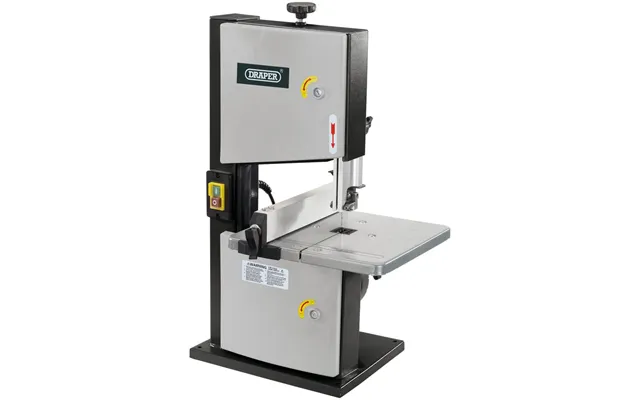
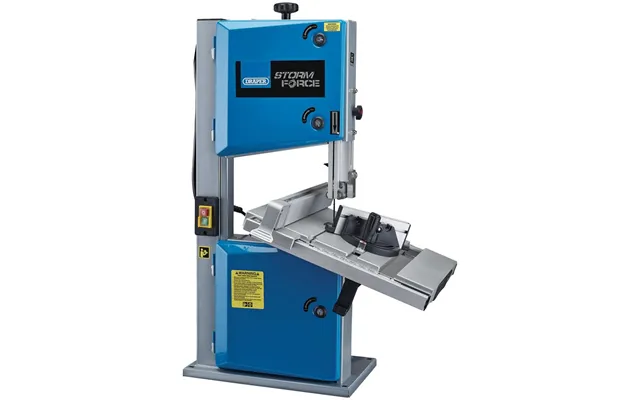
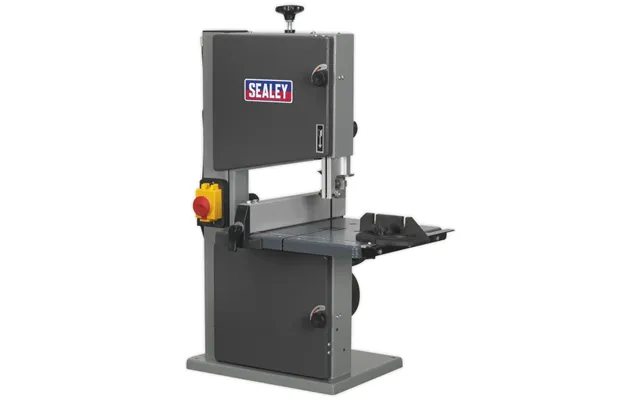
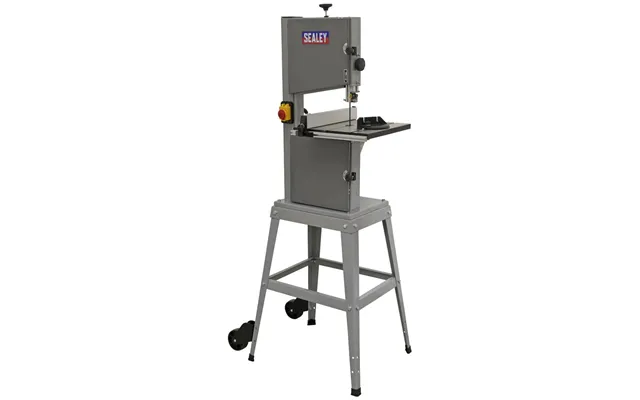
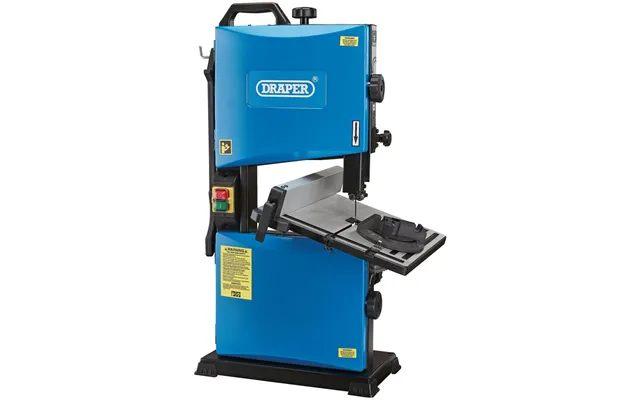
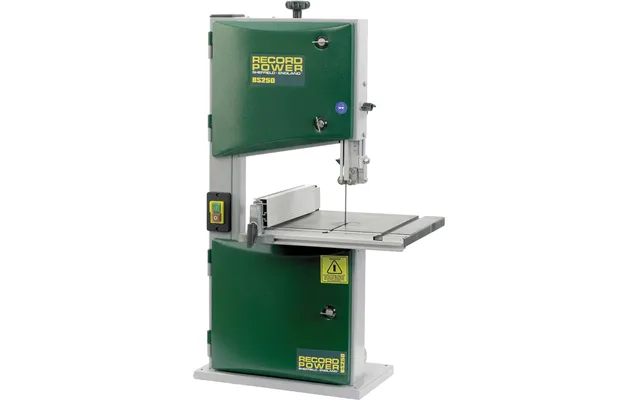
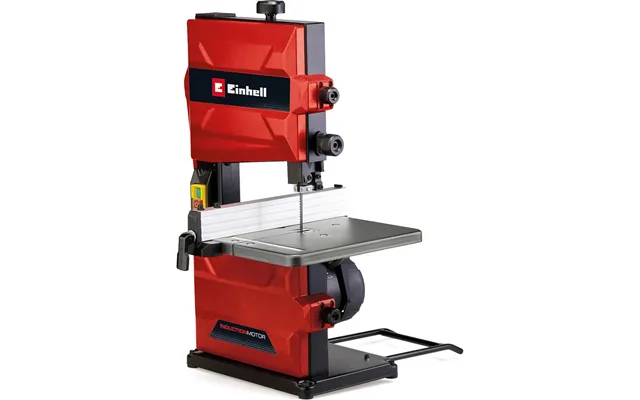
Benchtop band saws are compact, typically offering blade widths suited for general woodworking and hobby use. They usually feature a smaller table and a throat depth in the neighborhood of 8 to 10 inches, which is great for cutting smaller projects, curves, and trim. They’re light on footprint and kind to your wallet, perfect for a garage or small shed. If you’re just starting out or working on small furniture and craft items, a benchtop model is often the most sensible first step.
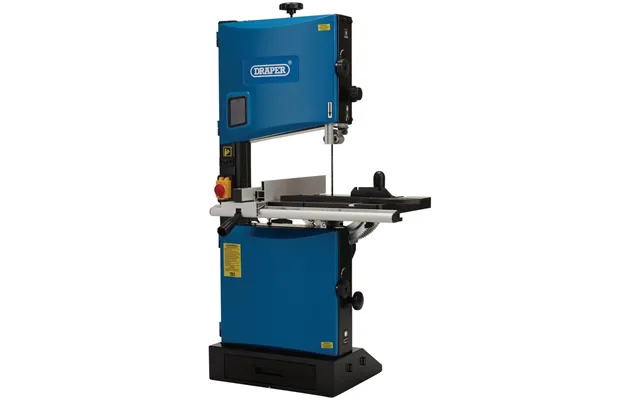
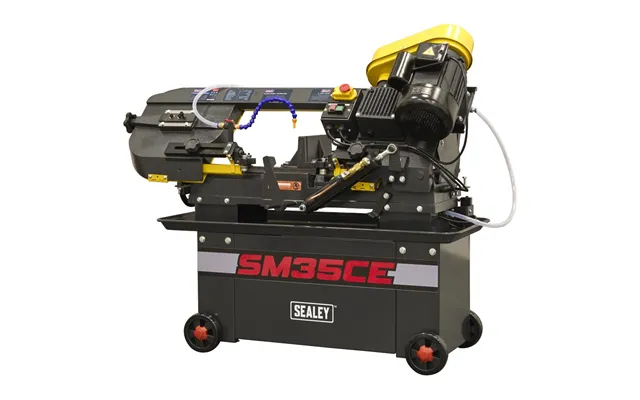
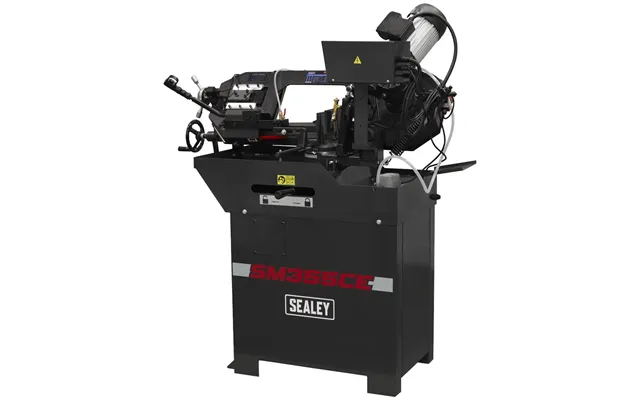
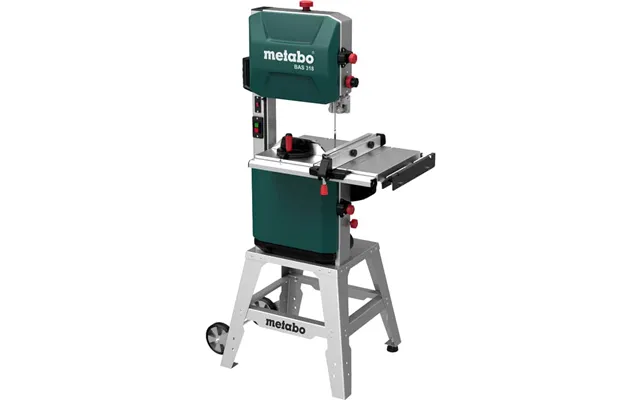
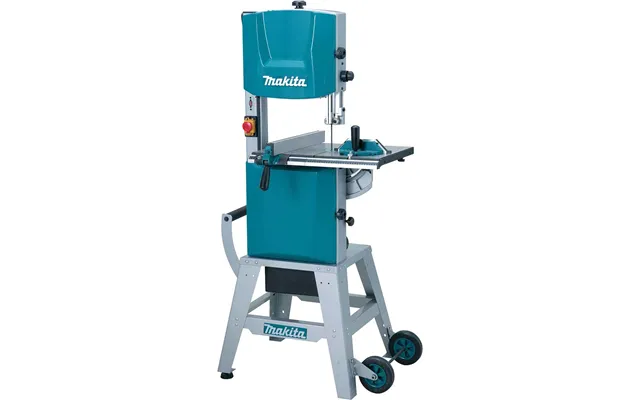
When the jobs get bigger, floor-standing band saws step up. These machines typically boast 14-inch or larger wheel diameters and throat capacities from 12 to 20 inches or more, giving you the ability to resaw thick boards or rip large panels. They’re heavier—often 200 to 600 pounds—so make sure you have a stable, level floor. These are the models seasoned woodworkers and small shops reach for when precision and capacity matter most.
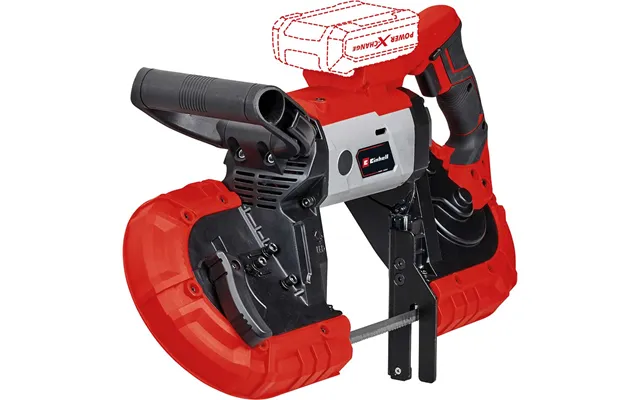
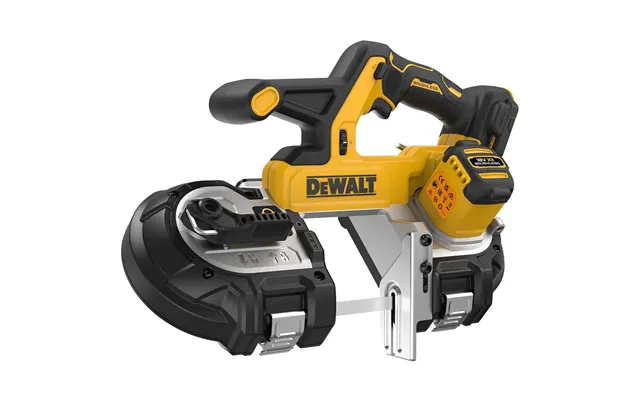
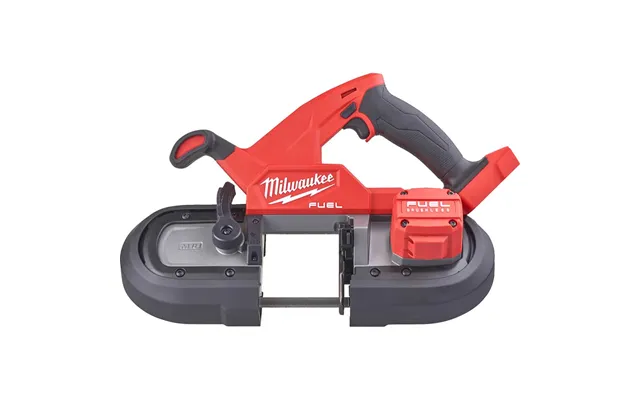
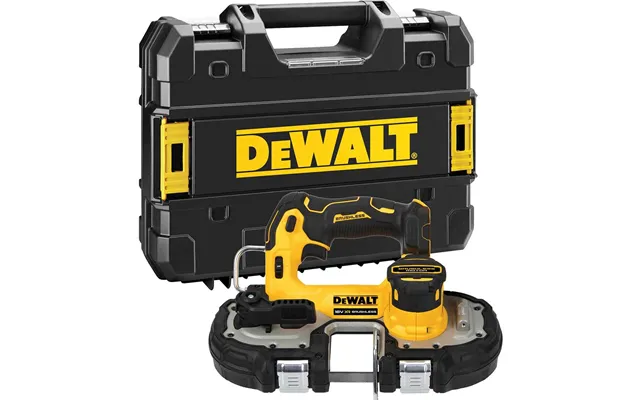
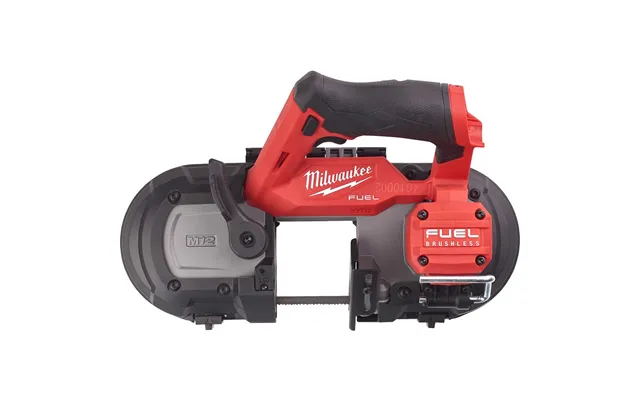
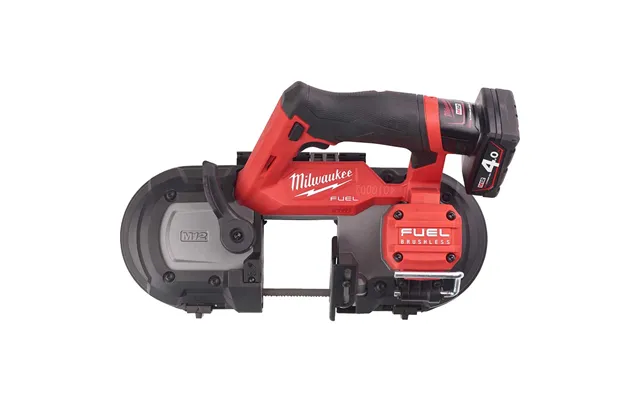
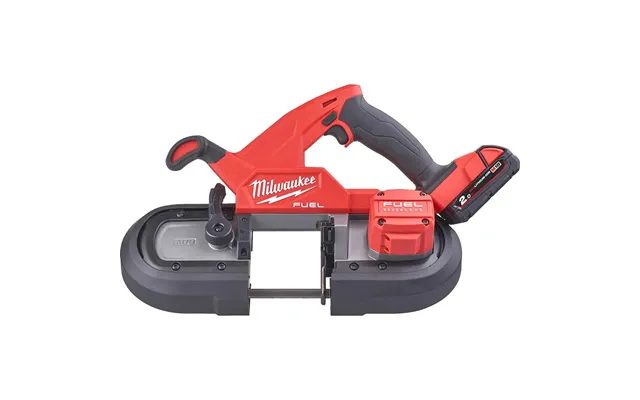
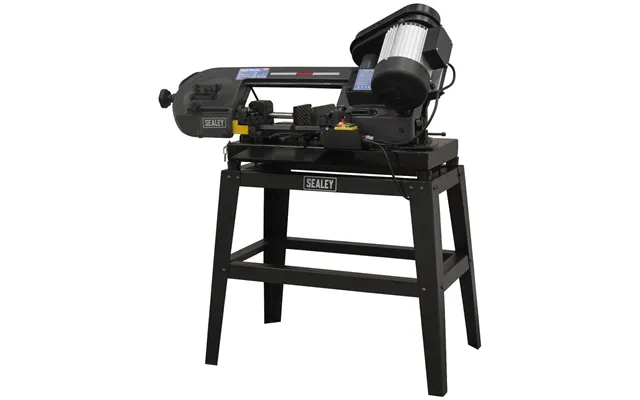
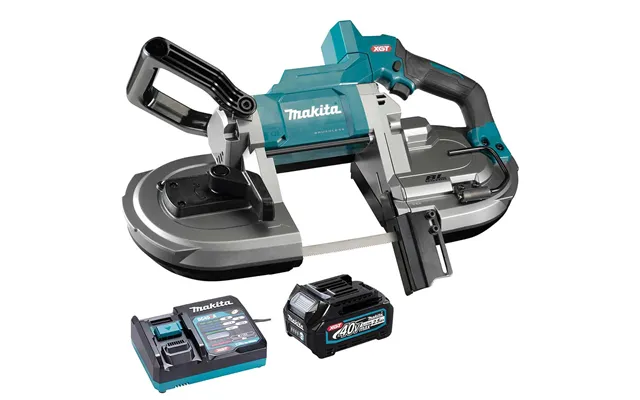
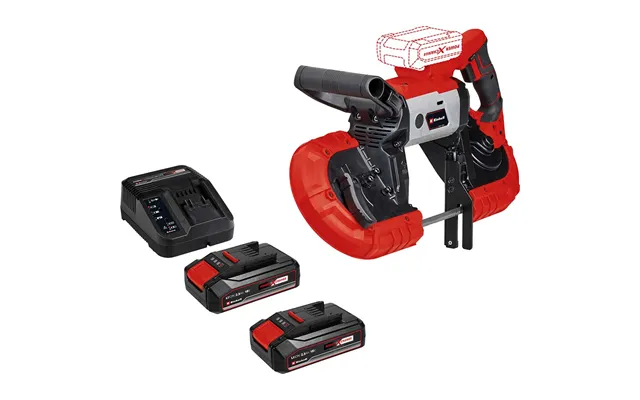
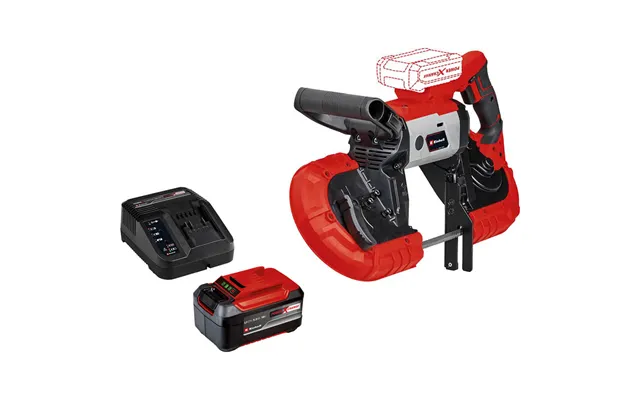
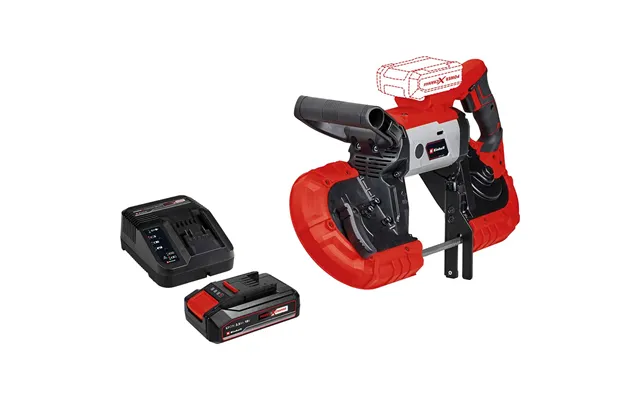
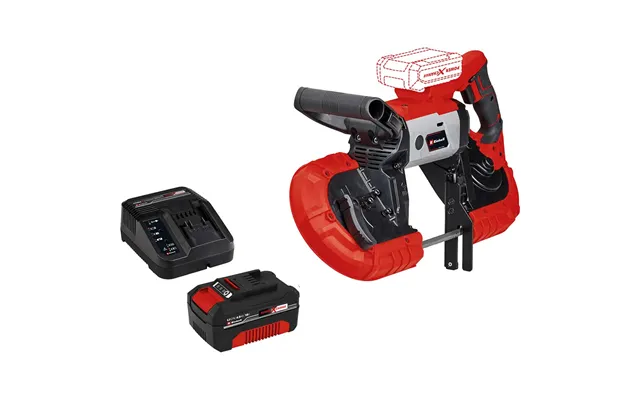
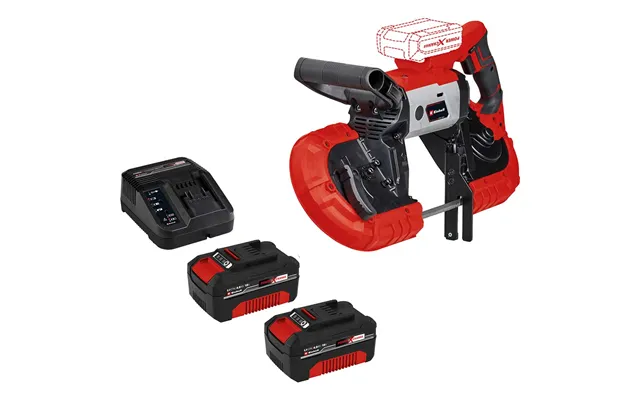
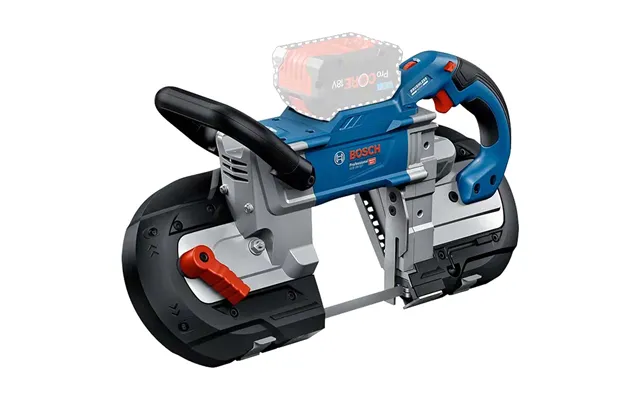
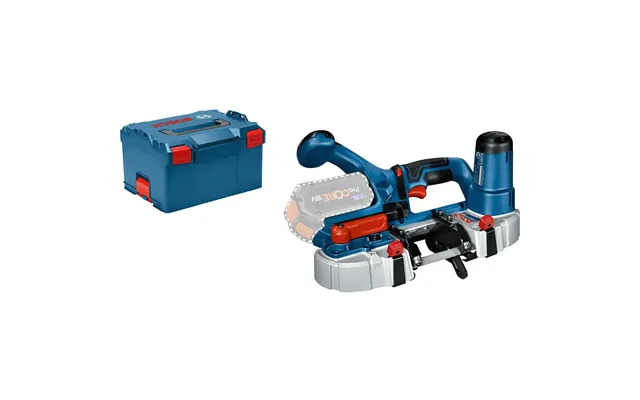
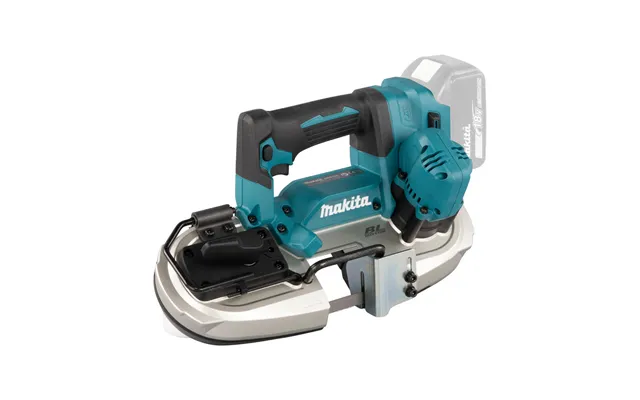
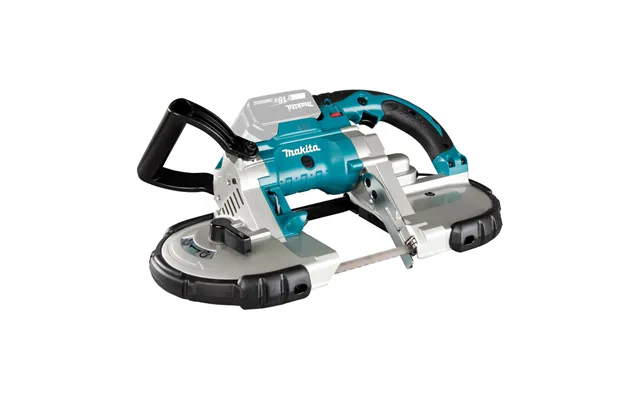
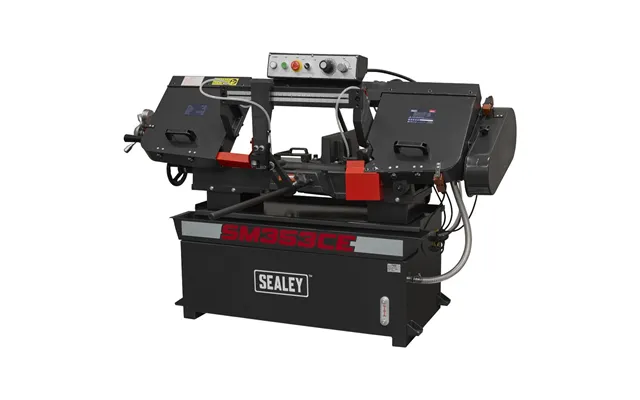
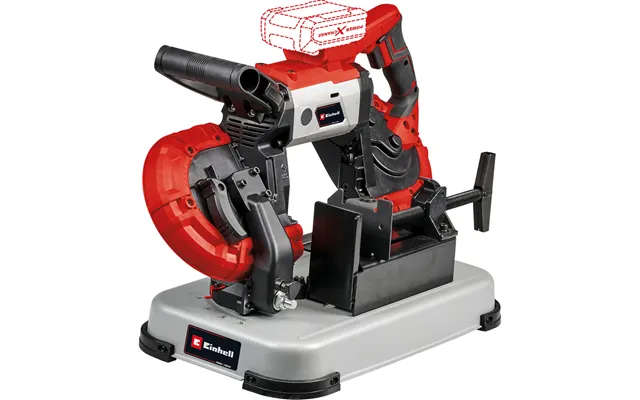
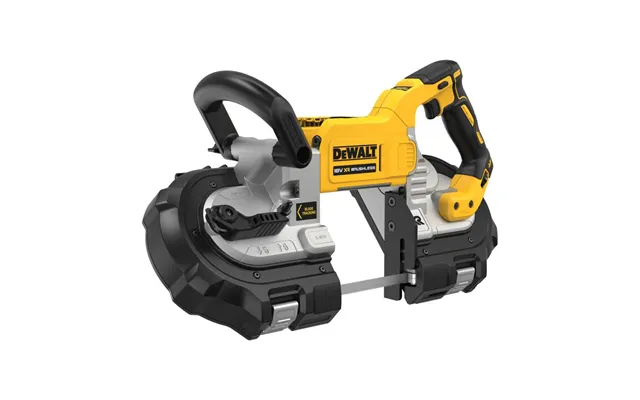
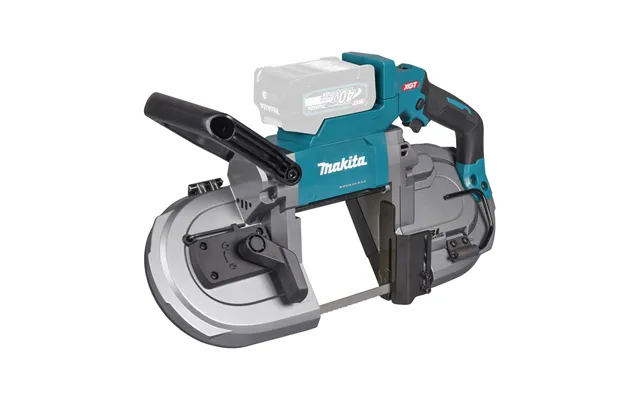
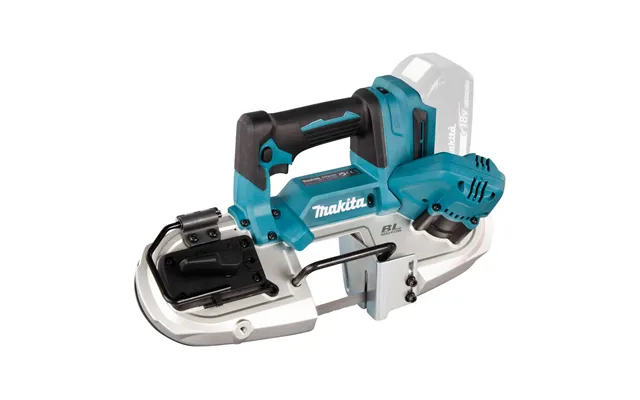
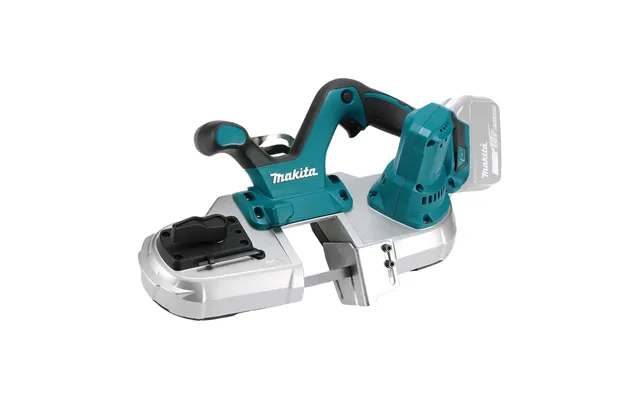
If you work with pipe, conduit, or metal stock on site, portable handheld bandsaws are a godsend. They’re built to be carried to the workpiece rather than vice versa, cutting round or square metal shapes cleanly. Portable models are often measured by their cutting capacity in inches (for example, 2 to 4-inch pipe) and are lighter than stationary saws, making them ideal for tradespeople and maintenance tasks on the move.
Resaw machines are a niche but powerful breed designed specifically to slice thick boards into thinner boards or veneers. They usually have a tall cutting capacity measured in inches—think 12 to 16 inches or more—and wide blade compatibility. If you’re into producing your own thin stock or book-matched slabs for furniture, a resaw is like having a small sawmill in your workshop.
Before you click “buy,” compare the essentials. Different models trade off throat depth, motor power, blade size, and table features. Consider how thick the material you’ll cut will be, how much shop space you have, and whether you need portability. Other features like blade tension systems, tilting tables, and dust ports can turn a so-so saw into a joy to use. Like shopping for shoes, fit matters: the right fit for your projects will make your work feel effortless.
Blades are the heart of the band saw. Narrower blades (1/8 to 1/2 inch) are great for tight curves, while wider blades (3/4 to 1-1/2 inches) resist deflection on long straight cuts and resawing. Check the maximum blade width the machine accepts and the recommended blade length in inches. A saw that supports a variety of blade widths lets you switch between detailed work and heavy ripping without buying a second machine.
Motor size is usually expressed in horsepower, and more power helps when cutting tough hardwoods or thick metal. Benchtop models often range from 1/3 to 1 horsepower, while floor models might be 1 to 3 horsepower or higher. Variable speed controls are extremely useful: slower blade speeds for metal and resawing, faster speeds for clean curves in wood. Think of motor and speed like gears on a bike—matching the right gear to the terrain makes the ride smoother.
Throat depth is how far from the blade you can bring the wood—bigger throat depth equals bigger projects. Cutting height tells you the maximum thickness the saw can resaw in one pass. If you plan to cut boards that are 6, 8, or 12 inches thick, verify that the saw’s maximum cutting height in inches covers that. Underestimating throat depth is a common mistake; it’s like buying a suitcase that’s beautiful but too small for your needs.
Solid cast-iron tables resist vibration and provide a stable work surface, while stamped steel tables are lighter and cheaper. Larger tables give better support for long stock, and tilting tables make bevel cuts simpler. Look for a reliable fence and miter gauge, and consider whether the table takes easy accessory upgrades, like roller extensions or a mobile base. Durability here pays off in smoother cuts and fewer frustrations.
There are many dependable brands that appear again and again in buyer lists. Jet and Rikon are often praised for their floor-standing precision and sturdy build, while WEN and Grizzly offer budget-friendly benchtop options that are great for hobbyists. For professionals who need portability and metal-cutting capability, DeWalt and Milwaukee portable models are reliable choices. Look at what users say about blade tension systems, wheel alignment, and after-sales parts availability—those details can determine long-term satisfaction.
Blades, guides, and dust collection accessories are the unsung heroes of a band saw setup. A quality blade matched to the material can improve cut quality, reduce tear-out, and extend blade life. Guides keep the blade tracking true, and dust collection makes cleanup faster and safer, especially when cutting fine dust-generating woods. Think beyond the machine itself—good accessories turn a capable saw into a precise, efficient workstation.
There are tooth patterns and materials tailored for different jobs. For wood, skip-tooth blades and hook-tooth blades cut faster and are forgiving on softer stock. For metal, bi-metal blades with fine teeth and slower speeds prevent overheating. Match tooth-per-inch (TPI) to the thickness of the material: fewer teeth per inch for thicker wood, more teeth per inch for thin or metal stock. Choosing the right blade is like choosing the right pen for the job—line quality matters.
Band saws can throw up a surprising amount of dust, especially when resawing. A dust port sized for a typical 2-1/2 to 4-inch vacuum hose can make a huge difference. Blade guides—be they bearing guides or thrust bearings—stabilize the blade and improve accuracy. Don’t skimp on these components: improved dust control keeps your lungs safer, and better guides make cutting more predictable.
A flat, square table makes life easier, and a reliable fence ensures straight, repeatable rips. Miter gauges are essential for angled cuts and joinery. Some band saws come with scalable fences and built-in stop systems for repetitive cuts. If you plan to build furniture or cabinetry, invest in a good fence system—it's the difference between consistent parts and a lot of rework.
Band saws are powerful, and respect goes a long way. Always wear eye and hearing protection, avoid loose clothing and jewelry, and keep fingers well away from the blade—use push sticks for small work. Set blade tension and tracking correctly before each session, and never switch speeds or adjust tension with the power on. Safety guards and riving knives (if supplied) should always be in place. Treat the band saw like a busy intersection: look, think, and proceed with intention.
Proper PPE is simple: safety glasses or a face shield, hearing protection, and a dust mask or respirator for prolonged dusty work. Gloves are typically not recommended for blade contact tasks because they can catch in moving parts, but you can use cut-resistant sleeves or special handling gloves for loading raw stock. PPE is your last line of defense—don’t skip it because it feels inconvenient.
Routine care prolongs the life of your band saw and keeps cuts accurate. Clean the wheels and blade, check and adjust blade tension, and regularly inspect bearings and guides. If the blade drifts, check tracking and fence alignment; if the cut heats or burns the wood, reduce feed rate or increase blade speed if appropriate. Think of maintenance like oil changes for a car: regular attention avoids expensive surprises down the road.
Proper blade tracking ensures the blade runs centered on the wheels; improper tracking can cause chatter, rough cuts, or blade derailment. Most saws offer an easy tracking adjustment knob. Blade tension must match the blade width and material; a tension gauge helps, but many users learn muscle memory for common blade widths. A properly tensioned and tracked blade behaves like a taut violin string, producing clean and controlled cuts.
Keep moving parts lightly lubricated per manufacturer guidance, and clear sawdust from wheel housings and vents to prevent overheating. Use a brush or vacuum to remove built-up dust and resin from the blade and guides. Removing pitch and resin from blades can be done with specific cleaning solutions, which extend blade life and keep cuts clean. A tidy saw is a faithful saw—little chores add up to big savings.
Scoring the best price often means comparing specs and offers across several sellers and price comparison sites. Look for seasonal sales, manufacturer promotions, and package deals that include blades or stands. Read user reviews for long-term reliability rather than just the initial price tag. Comparison sites list popular models, specs like throat depth in inches and motor horsepower, and aggregate discounts so you can judge true value faster. Also consider warranty and parts availability—cheap upfront can cost more over time if spare parts are hard to find.
Choosing the right band saw comes down to matching the machine’s capabilities to your projects and workspace. Whether you start with a compact benchtop for hobby work or invest in a robust floor-standing resaw, pay attention to blade compatibility, motor power, throat depth, and accessories like a good fence and dust collection. Invest time in learning blade selection, tracking, and basic maintenance—those skills will make your band saw a reliable partner for years. When you’re ready to buy, compare models and deals carefully to get the best balance of performance and value for your needs.
| Band Saws | Price | |
|---|---|---|
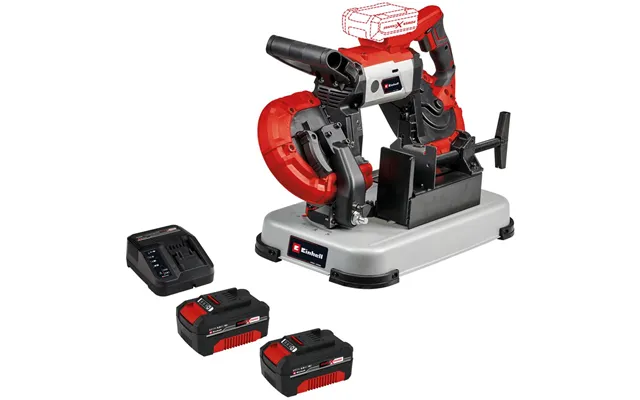
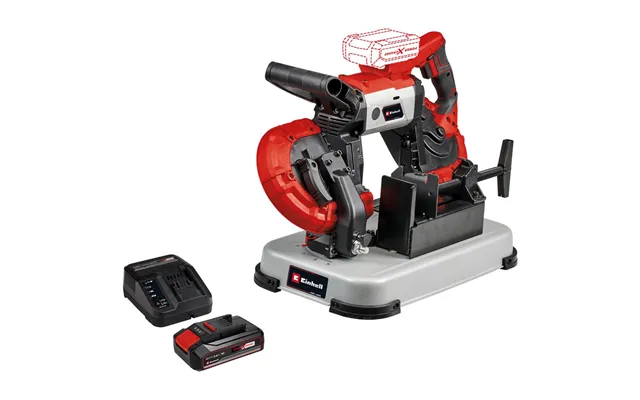
| Einhell Te-mb 18 127 Li-solo 18v Bandsaw | £ 162,60 | |
| Bosch Gcb 18v-63 Professional 18v Band Saw Bare Unit | £ 209,94 | |
| Dewalt Power Tools Dewalt Dcs378nxj 18v Xr Brushless Bandsaw Bare Unit | £ 608,01 |