
Paint Trays price list
Last updated Friday, 18 Sept 2026
| Paint Trays | Price |
|---|---|
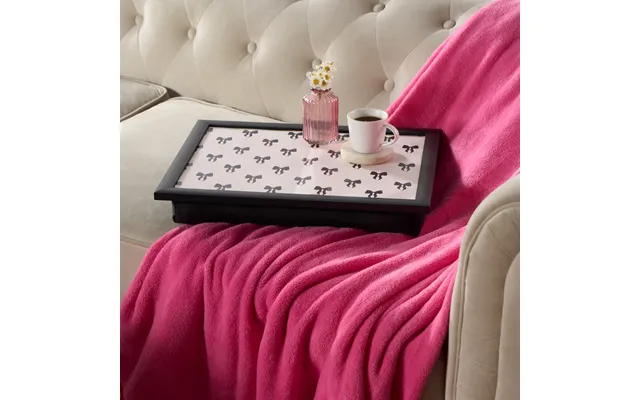
| Ohs Bow Print Lap Tray - Light Pink Black | £9.50 |




Loading...
Last updated Friday, 18 Sept 2026
| Paint Trays | Price |
|---|---|
| Ohs Bow Print Lap Tray - Light Pink Black | £9.50 |
If you’re about to tackle a wall, a ceiling, or a piece of furniture, the paint tray you pick will quietly decide whether the job feels like a breeze or a hassle. A tray is the staging area for your roller and the little control center that keeps paint from turning into a mess. Think of it like the kitchen counter for a chef—get the prep surface right and everything that follows is smoother, faster, and cleaner.
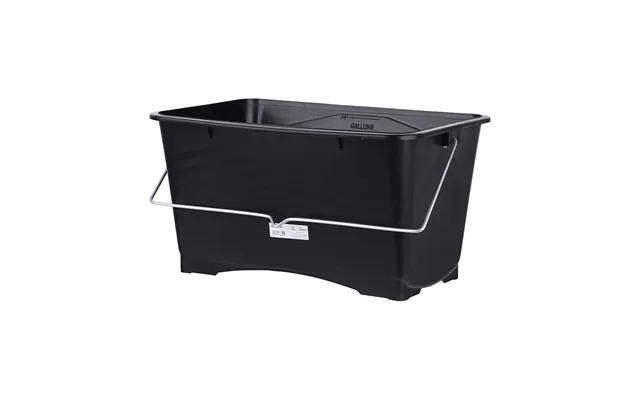
Plastic trays are the workhorses for most DIYers: lightweight, inexpensive, and often stackable. They usually come in a standard size for use with a 9-inch roller sleeve, and many are designed with a textured ramp to help load the roller evenly. They’re great for water-based paints because cleanup is fast—wipe, rinse, repeat. Plus, when you’re done you can either wash them or use disposable liners and toss them out.
Metal trays are tougher and more abrasion-resistant than plastic models, so they’re popular if you work with heavy-duty jobs or rough surfaces. They often have a longer lifespan and can handle harsher solvents used to clean oil-based paints. On the flip side, metal trays are heavier and can rust if not dried properly, so factor that into your care routine.
For painters who move around a lot—think stairwells, tight rooms, or outdoor projects—collapsible trays and padded portable pans are a lifesaver. These trays fold or compress for travel, and some have handles or clips so you can hook them on a ladder or rail. They’re ideal for touch-ups and multi-room jobs where carrying a full-size tray is awkward.
Disposable liners are a modern convenience for a reason: they cut cleanup time in half. Pop a liner into a reusable tray and when you’re done, peel it out and toss it. That’s perfect for short jobs or if you switch colors frequently. Reusable trays without liners are more eco-friendly and better long-term value if you keep them clean between uses.
Liners are thin plastic or biodegradable sleeves shaped to fit standard trays. They save time, reduce chemical exposure during cleanup, and let you change colors fast. From a cost perspective, liners are a bargain if they save you ten minutes of scrubbing each time—but don’t forget the environmental trade-off. If you want both convenience and sustainability, look for compostable liners or buy a high-quality tray you’re willing to wash out.
Size matters. Most rollers are 9 inches wide, so a standard 9-inch tray is the most common. For bigger walls or textured surfaces you might prefer a 12-inch or 18-inch tray, especially if you’re using wider roller covers. Capacity is usually measured in quarts; a typical 9-inch tray holds roughly 1 quart (32 fluid ounces) of paint in the well. Deep pans and larger trays can hold 1–2 quarts, which reduces the frequency of refilling during larger jobs. Keep in mind that a fuller tray is heavier—so if you’re working on a ladder, a lighter, more portable option is often safer.
An ideal roller sleeve and frame combo makes the tray work better. A short-nap sleeve (1/4"–3/8") is great for smooth surfaces, while a medium nap (3/8"–1/2") handles light texture. Match the sleeve width to your tray—9-inch sleeves with 9-inch trays are standard. Frames with a solid cage and good bearings give a smooth action and transfer paint evenly from the textured ramp to the wall.
Extension poles let you paint ceilings and high walls without a ladder. Most poles extend between 3 and 9 feet, often with threaded or universal connectors that attach to roller frames. If you’re painting high rooms, a telescoping pole that locks in place at about 6 to 9 feet is a smart pick. Make sure the pole you choose is compatible with your roller frame’s connection style.
While rollers do the heavy lifting, good brushes are the finishing touch. A 2–3 inch angled brush cuts in along trim and corners cleanly. Pair your tray with a paint shield or trim guard for faster, straighter edges—think of these tools as the painter’s ruler. A small paint bucket with a handle can also act as a mini-tray for tight spots.
Cleaning depends on the paint type. For latex or water-based paints, a warm-water rinse and a scrub with mild soap in about 5–10 minutes usually does the trick. For oil-based paints you’ll need a solvent like mineral spirits; soak the tray for 10–20 minutes and then wipe clean with rags. Dry metal trays immediately to prevent rust. If you use liners, you’ll minimize cleaning time dramatically—just pop and toss.
Here’s a quick checklist to use when you shop: non-slip base so the tray won’t slide on drop cloths; a textured ramp for even roller loading; pour spout or lip for clean refills; pour handles or grips for safer carrying; compatibility with liners; and sturdy construction if you expect heavy use. If you paint often, invest in features—cheap trays can warp, leading to spills and a lot more hassle.
If you’re setting up for a room or two, consider a starter kit: a 9-inch tray with liners, a 9-inch roller frame, two medium-nap sleeves, a 3-foot extension pole, and a 2–3 inch angled brush. For larger jobs, upgrade to a larger tray (12–18 inches), a heavier-duty frame, and a telescoping pole. For trim-heavy or precision jobs, a small angled brush and a paint shield paired with a narrow tray help keep lines crisp. Buying a kit saves time and ensures compatibility between tray and tools.
Want to keep costs down? Disposable liners let you use cheaper plastic trays and avoid long scrubbing sessions. Want to be greener? Opt for a durable metal tray, wash with eco-friendly cleaners, and look for reusable roller sleeves rated for many washes. Some manufacturers now offer compostable liners or recyclable materials—check product specs if sustainability matters to you.
Never overload a tray—too much paint makes it heavy and awkward to carry on stairs or ladders. Keep trays on a stable surface and wipe up drips immediately to avoid slips. When using oil-based paints, ventilate the area and use gloves—solvents can be harsh on the skin. Also, store trays and liners away from direct sunlight to prevent warping and degradation.
Paint trays are surprisingly versatile. Use a clean tray as a mixing pallet for stains or glazes, or turn one into a drip catch for small repairs. Cut a liner along the ramp to create a makeshift funnel for pouring leftover paint back into a can. For small touch-ups, a shallow tray becomes a handy portable station you can hold in one hand while you work with the other.
Avoid overloading your roller—too much paint causes splatter and uneven coverage. Don’t use the wrong nap length for the job; a nap that’s too long will pick up too much paint on smooth surfaces. If you skip liners because they seem wasteful, be realistic about cleanup time—sometimes the hours you save are worth the small extra cost. Finally, never leave paint sitting in a tray overnight unless you seal it; skin forms on the surface and ruins the next day’s work.
When shopping, compare tray depth, material, liner compatibility, and ergonomic features like handles or non-slip bottoms. Read customer reviews for durability and whether the tray holds up to regular cleaning. Price matters, but for frequent painting, a mid-range metal tray or heavy-duty plastic tray with liners often gives the best balance of value and longevity.
Paint trays are a small investment that pays big dividends in convenience and finish quality. Whether you’re a weekend DIYer or a frequent painter, matching the tray to your roller, job size, and cleanup preferences will streamline the whole project. Choose wisely, and your next paint job will go faster, look better, and clean up easier—like turning a clumsy camp stove into a smooth kitchen range.
At the end of the day, a paint tray isn’t just a plastic or metal pan—it’s part of your painting system. The right tray paired with the right roller, sleeves, and accessories reduces mess, speeds up work, and helps you achieve a professional finish. Think about the type of jobs you do most often, pick features that suit your workflow, and don’t underestimate the value of liners for fast cleanup. With the right setup you’ll spend less time fussing and more time admiring your freshly painted surfaces.