
Log Splitters price list
Last updated Saturday, 19 Sept 2026




View 8 Offers
Loading...
Last updated Saturday, 19 Sept 2026
If you heat your home with a wood stove, enjoy weekend fires, or manage a garden with mature trees, a log splitter can save you time, effort, and sore muscles. Instead of swinging a maul for hours, you can turn a pile of logs into neat firewood in a fraction of the time. It’s not just convenience; it’s consistency. A good splitter powers through knotty, stubborn rounds you’d never want to tackle by hand.
Think of a log splitter as your winter prep partner. When cold weather hits, you’ll appreciate having stacks of seasoned wood ready to go. Plus, splitting your own wood can be far cheaper than buying pre-split loads. And if you choose wisely, you’ll get a machine that fits your space, your fuel preferences, and your budget. Wondering how to pick the right one? Let’s break it down in plain English.
From compact electric units to beefy petrol models and even tractor-powered rigs, there’s a log splitter for every situation. Your best fit depends on the wood you split, where you’ll use the machine, and how much you want to spend. Here’s what to know about each type before you compare deals and specs.
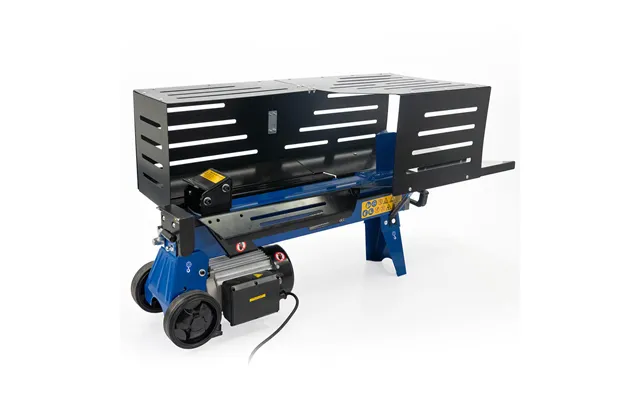
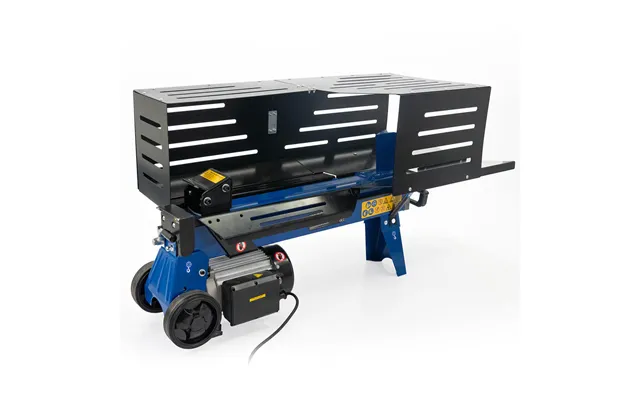
Electric log splitters are popular for households because they’re compact, quieter than petrol units, and easy to operate. Plug them in, roll your rounds into place, and you’re off. They shine for softwoods and moderately sized hardwoods, especially in the 5 to 7 ton class. If you typically split logs up to about 20 in long and 10 to 12 in across, a solid electric unit handles the job nicely without fumes or complex maintenance.
They’re also simpler to store and move. Many fit in a shed, garage, or even a larger utility closet, and you won’t have to keep petrol on hand. If you split near your home or in a workshop, electric is a tidy, reliable choice.
Petrol-powered log splitters pack serious punch and excel with tougher hardwoods and thicker rounds. Look for models in the 20 to 30 ton range if you regularly process big oak or ash. They’re ideal for rural plots, larger gardens, and anyone who wants to split away from power outlets. Yes, they’re louder and need more care than electric models, but if you’ve battled knotted, green, or oversized timber, you’ll appreciate the brute force.
Another perk? Mobility. Many petrol splitters feature sturdy frames, tow-style handles, and large wheels, so you can move them across rough ground and set up right where the logs are piled.
If you want something simple, affordable, and exercise-friendly, manual splitters are worth a look. These are typically lever- or foot-operated devices that multiply your force through a hydraulic ram. They’re slower and best for smaller volumes, but they beat swinging an axe for hours and are great for occasional firewood prep or camping stock.
Most electric and petrol units are hydraulic at heart. The hydraulic system is what delivers that satisfying, unstoppable push through the grain. With hydraulics, you’ll often see an “auto-return” feature that brings the ram back for the next split. The system’s build quality—cylinder, pump, fluid lines—has a big impact on longevity, so it’s worth prioritizing sturdy components and easy access for maintenance.
Kinetic splitters store energy in a flywheel and release it in a quick, powerful burst. The headline advantage is speed—cycle times can be dramatically faster than traditional hydraulics. If you value production rate and typically split straight-grained logs, a kinetic design can be a joy to use. The caveat: they’re not always the best pick for gnarly, twisted rounds where a steady hydraulic push is more forgiving.
If you already own a compact tractor, a PTO-driven splitter is a natural fit. These units use your tractor’s power and hydraulics, delivering serious force without a standalone engine. They’re fantastic for smallholdings, woodland maintenance, and high-volume splitting sessions. Just make sure your tractor’s hydraulic flow matches the splitter’s needs for smooth operation.
Spec sheets can be intimidating, but a few numbers and features do most of the heavy lifting. Focus on tonnage, log size capacity, cycle time, and portability. Then consider controls and safety systems. Matching these elements to your real-world wood pile is where the magic happens.
Tonnage tells you the splitting force. For softwoods and small- to medium-diameter hardwoods, many homeowners are happy in the 5 to 10 ton range. If your pile includes seasoned hardwoods with knots, stepping to 10 to 15 tons adds valuable headroom. For truly tough, thick rounds—think dense oak over a foot across—look at 20 to 30 tons to keep your workflow smooth.
Not sure what you need? Picture the hardest log you regularly tackle and size up for that. It’s better to have extra force on tap than to stall out and wrestle with every other round.
Check the maximum log length and diameter a splitter accepts. Many homeowner units handle logs around 20 to 25 in long and up to about 12 in in diameter. If you’re working with longer or wider rounds, make sure the bed and wedge height match your needs. Nothing kills productivity like constantly trimming logs to fit.
Cycle time is how long it takes for the ram to push forward and return. Faster cycles mean more splits per hour. Kinetic splitters often excel here, but many hydraulic models strike a great balance between speed and steady power. If you process a lot of wood at once, quicker cycles can make your weekend workload feel like an afternoon chore.
Pay attention to frame design and wheel size. Larger wheels roll better on uneven ground and help you maneuver the machine without strain. Weight matters too—lighter models are easier to store and move, while heavier frames often feel more planted and durable. If you’ll shuttle the splitter between storage and your wood pile, pick a design with comfortable handles and sturdy tires.
The right features make splitting safer, faster, and easier on your body. From wedge styles to control layouts, these details can be the difference between a frustrating chore and a satisfying rhythm that flies through your log stack.
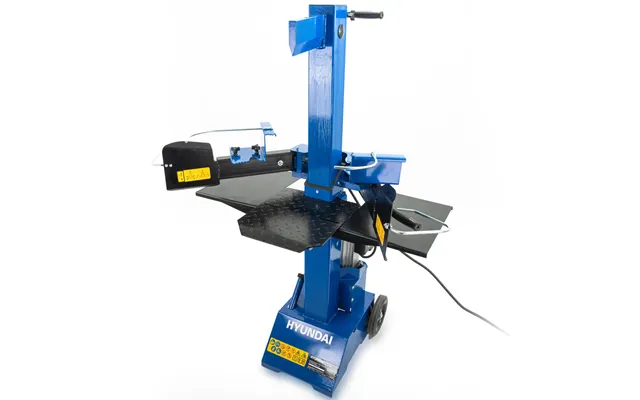
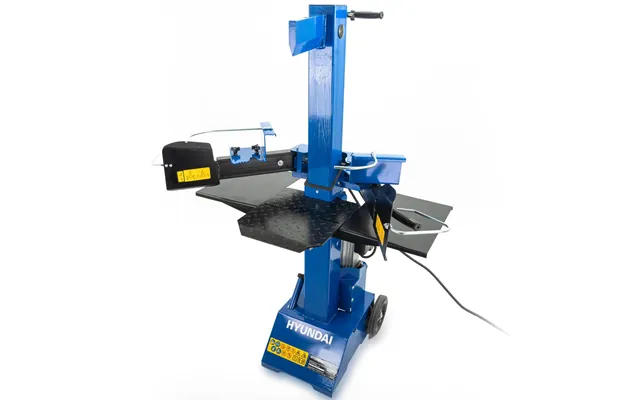
Horizontal splitters are common and comfortable for most rounds. But if you’ve got heavy logs you can’t easily lift, vertical operation is a back saver. Many petrol models switch between horizontal and vertical modes, letting you roll big rounds into place rather than deadlifting them. If you regularly handle large hardwood rounds, that vertical mode can be a game changer.
A sharp, durable wedge is essential. Some splitters accept 4-way or adjustable wedges that split into multiple pieces in a single stroke. It’s a huge time-saver on straight-grained logs. Also consider attachments like log cradles or side tables that catch and stage wood so you’re not constantly bending to pick up split pieces.
Two-handed operation, guarded levers, and an auto-return function are all worth having. They improve safety and keep your momentum going. Look for clear emergency stop options and an accessible power switch. Good machines make it obvious what each control does, even at a glance.
Thick steel frames, reinforced welds, and quality hoses matter more than flashy paint. You want a splitter that stays tight and stable season after season. A solid warranty offers peace of mind, but read the fine print—consumables like hoses and seals may have shorter coverage. The best value is often a machine with a strong frame and widely available parts you can service yourself.
While everyone’s wood pile is different, you can use a few common scenarios to narrow your shortlist. Whether you’re aiming for wallet-friendly, mid-range versatility, or heavy-duty muscle, there’s a category that likely fits your needs and your garden space.
If you’re splitting modest volumes for a stove or fire pit, a compact electric splitter in the 5 to 7 ton class is an excellent starter. These typically handle logs up to about 20 in long and around 10 to 12 in in diameter, especially if the wood is seasoned. They store easily, start instantly, and won’t annoy neighbors with engine noise. Look for sturdy stands to bring the working height up—your back will thank you.
On the value front, you’ll find plenty of competitive pricing. If you watch for seasonal reductions, you can often score better-than-expected specs under a tight budget. Comparing models side by side on a trusted comparison site makes this even easier.
Stepping into the 10 to 15 ton bracket unlocks more capability for dense hardwoods and awkward grain. These machines offer more confidence when your pile includes oak, ash, or beech. You’ll often see sturdier frames, longer beds, and faster cycle times. If you split medium volumes year-round or stock up ahead of winter, this tier hits a sweet spot of power and price.
If you want to chew through thick, knotty rounds without a hiccup, heavy-duty petrol splitters in the 20 to 30 ton range are the obvious choice. They’re built for larger properties, regular use, and tough wood. Many allow vertical splitting for those giant rounds you’d rather roll than lift. Yes, they need more storage space and maintenance, but when you pull the lever and the wedge just plows through anything, you’ll know why you upgraded.
Own a tractor? A PTO splitter can be the most cost-effective way to get serious splitting power without managing a separate engine. Match the splitter to your tractor’s capabilities and enjoy all-day productivity with fewer moving parts to maintain. For log piles that would overwhelm smaller electrics, PTO is a smart, durable route.
Splitting is just one step in the firewood journey. The right accessories can keep you safer, boost productivity, and protect your hard-earned wood from the weather. A small investment here can pay off big in time saved and hassles avoided.
Before you split, you need clean, manageable rounds. A dependable chainsaw matched to your experience level is essential. Keep the chain sharp, use a sturdy saw horse to stabilize logs, and wear proper protection. If you process loads of uniform pieces, a log saw or a chainsaw stand helps you cut repeatable lengths—so every piece fits your stove with no trimming later.
Firewood burns best when properly seasoned. Stack your splits on a rack to keep them off the ground with good airflow. A moisture meter helps you verify when the wood is ready—aim for well-seasoned wood to get clean, efficient burns and less creosote. Finally, use a breathable cover that shields from rain while allowing air to circulate. Wet wood is wasted effort.
Gloves, safety glasses, steel-toe boots, and hearing protection are non-negotiable when you’re cutting and splitting. Add a splitting table or catch tray to reduce awkward lifts. If you regularly handle heavy rounds, a log lifter or ramp can save your back and speed up the whole process.
Good technique is as important as good equipment. A few smart habits make splitting safer and more comfortable. Create a tidy work zone, plan your cuts, and let the machine do the hard work while you keep a steady rhythm.
Choose level ground and chock the wheels if needed. Set logs within arm’s reach but out of the splitter’s moving path. Keep kids and pets well clear. If your splitter has a stand, set it to a comfortable working height so you’re not hunched over. A small staging table or crate on the side can keep your next round ready to go.
Inspect each log for nails, screws, or embedded metal. Position the round flat and centered on the bed. Start with the wedge on an existing crack or the end grain’s natural lines to make the first split easier. For tricky knots, try flipping the log and splitting from the other side. Avoid forcing the wedge into odd angles that can twist or pinch the log.
When you’re done, power down and wipe off debris. If your splitter uses hydraulics, check for leaks around fittings. Store it under cover to protect the cylinder, controls, and frame. A simple routine—clean, inspect, cover—goes a long way toward keeping your machine ready for the next session.
Even the best log splitter needs periodic care. Don’t worry—it’s mostly straightforward, and catching small issues early saves money and downtime. Keep a maintenance checklist, and your splitter will reward you with seasons of reliable power.
Hydraulic systems rely on clean, correctly filled fluid. Follow the manufacturer’s intervals for fluid and filter changes. If the ram feels weak or jerky, you might have air in the system—some models need a quick bleed procedure. Make it a habit to inspect fluid levels before long splitting sessions so you don’t run the pump dry.
Belts should be tensioned properly—too loose and they slip, too tight and they wear prematurely. Inspect hoses for cracks or bulges, and replace at the first sign of damage. A slow drip at a fitting can turn into a bigger leak under pressure, so snug up connections and refresh worn seals. Keep spare pins and clips on hand; they’re easy to misplace during a busy day.
If the wedge stalls on tough wood, back off, reposition, and try again rather than straining the system. Slow cycle time? Check fluid level, filters, and for obstructions in the return path. Electric unit won’t start? Verify the power source and any safety switches. Petrol engine surging? Fresh fuel, a clean air filter, and a quick spark plug inspection solve a surprising number of problems.
Prices can swing with the seasons, and the smartest buyers keep an eye on timing, bundles, and price matching. Comparing models and features side by side helps you avoid paying for extras you won’t use—or missing features you’ll regret skipping.
Demand peaks right before and during winter, so early-season buys or off-peak periods often reveal better prices. Watch for holiday promotions and end-of-line clearances when newer models arrive. Even popular mid-range splitters can drop noticeably if you’re patient and ready to pounce when the price dips.
It’s easy to get dazzled by big tonnage numbers. Instead, compare the full picture: tonnage, log size capacity, cycle time, build quality, and warranty terms. Side-by-side comparison on a dedicated comparison site makes this painless and helps you spot hidden gems—those models that punch above their price with practical features.
A rock-bottom price isn’t a bargain if you can’t get parts or support later. Look for clear warranty terms, available spares, and responsive customer service from the brands you’re considering. Sometimes paying a bit more upfront saves headaches down the road when you need a seal kit or a replacement wedge.
If you’re splitting near neighbors, electric splitters are the friendly option. They produce no onsite emissions and run quieter than petrol units. For larger properties or off-grid work, petrol remains a strong choice—just be mindful of where you set up and the times you run. Either way, keeping your machine in good tune reduces noise and makes the experience more pleasant for everyone.
Choosing the right log splitter comes down to matching your wood, your space, and your budget to the machine that fits best. Electric splitters are brilliant for everyday homeowners, petrol models tackle big, tough rounds, kinetic designs deliver speed, and PTO units suit smallholdings. Focus on tonnage, log size capacity, cycle time, safety features, and build quality. Then compare prices and warranty coverage to get the most for your money. Do that, and you’ll have a reliable partner that turns towering log piles into tidy stacks—fast, safe, and with a lot less sweat.