All categories
Business & Offices
Electronics & Media
Fashion & Accessories
Groceries & Essentials
Health & Personal Care
Home & Living
Kids & Family
Sports & Outdoors
Search in ZoneOffer

Loading...
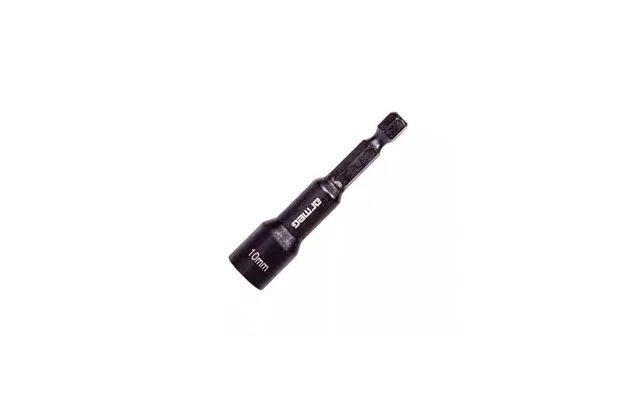
Let’s keep it simple: a socket driver is any tool that turns a socket. That can be a ratchet, a nut driver, a torque wrench, or a power tool with a square drive (or an adapter) that spins sockets to tighten or loosen nuts and bolts. If screws are the bread and butter of DIY, fasteners with hex heads are the hearty sandwich—socket drivers make sure you actually get to eat. Whether you’re assembling furniture, swapping out a lawnmower blade, or tackling weekend car work, socket drivers give you the grip and leverage you need without stripping hardware or your patience.
Think of them as the universal key to your mechanical world. Once you have the right drive size and socket selection, you can confidently work on everything from door hinges and bike brackets to engine components. Add a few well-chosen accessories, and suddenly you can reach fasteners tucked behind panels, inside cramped engine bays, or deep within furniture frames. That’s the magic of a good socket driver setup—access, leverage, and control.
Choosing a drive size is like picking the right vehicle for a trip. You can take a compact car across town, but you’d want a pickup for hauling. Socket drivers follow the same logic: 1/4" for delicate and light-duty tasks, 3/8" for all-around versatility, and 1/2" when torque and strength take center stage.
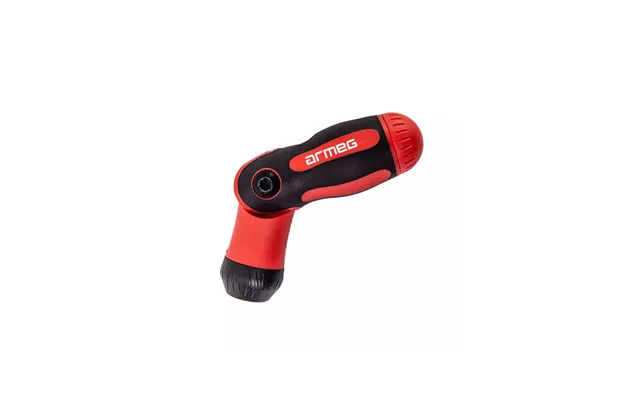
Use a 1/4" drive for small fasteners and tight spaces. It’s your go-to for electronics housings, appliance panels, bike accessories, cabinet hardware, and anything with small bolts. Paired with a slim ratchet or a palm spinner, a 1/4" setup gets into cramped spots without the bulk and weight of larger tools. It’s also great for precision: you feel fastener feedback early, which helps you avoid overtightening and stripping threads.
If you can only choose one, grab a 3/8" drive. It’s the Swiss Army knife of drive sizes—strong enough for light automotive work, compact enough for most household jobs, and widely supported by socket sets in both shallow and deep lengths. With a 3/8" ratchet, a few extensions, and a handful of common sockets like 7/16", 1/2", and 9/16", you can conquer the majority of everyday tasks.
When you need to bust loose stubborn fasteners or torque wheel lug nuts, a 1/2" drive steps in. It’s heavier and tougher, designed for higher loads. Pair a 1/2" ratchet—or better yet, a breaker bar—with sockets in sizes like 3/4" and 13/16" for suspension components, mower blades, and larger structural bolts. If you plan to do regular automotive work, you’ll eventually want a 1/2" setup in your arsenal.
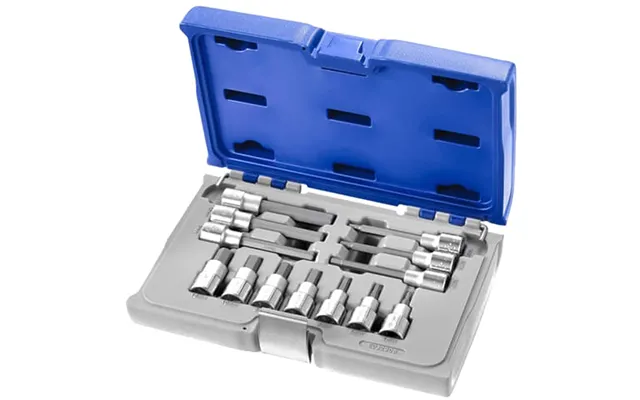
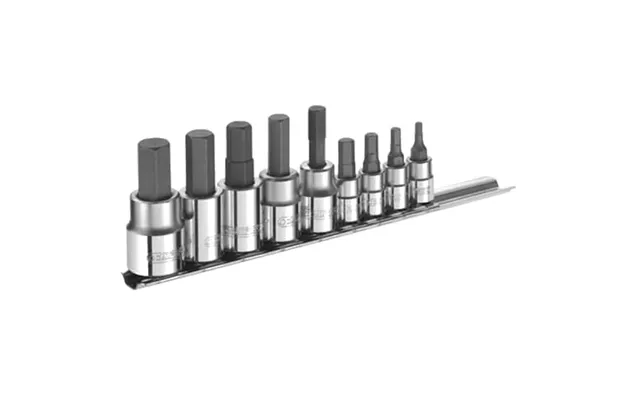
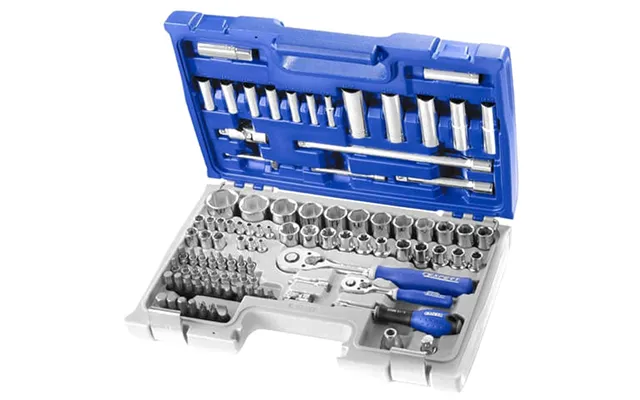
Sockets aren’t all the same. Choosing the right type saves time, prevents damage, and keeps your knuckles intact. The three big decisions are depth, material, and profile. Once you understand those, the rest is just selecting the size.
Shallow sockets keep you close to the work and are perfect where clearance is limited. Deep sockets reach nuts on longer studs or over protruding bolts—think battery terminals, lawn tool handles, and threaded rod connections. Having both in the most common sizes (like 1/2", 9/16", and 3/4") means you won’t have to improvise with awkward adapters that slow you down.
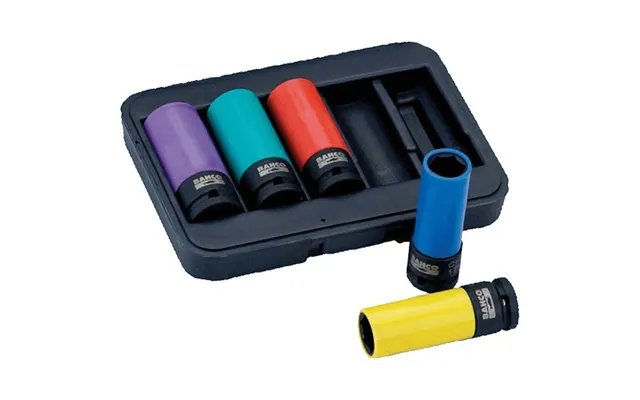
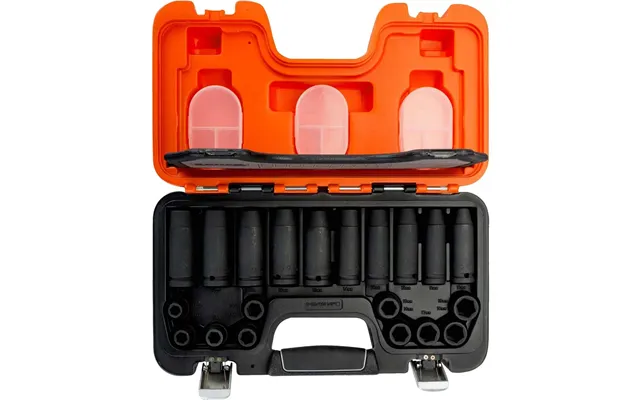
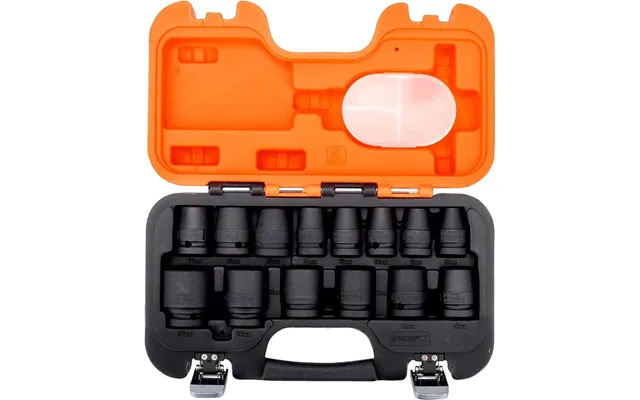
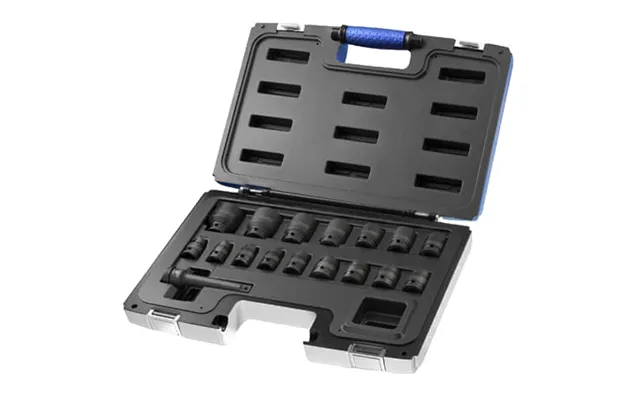
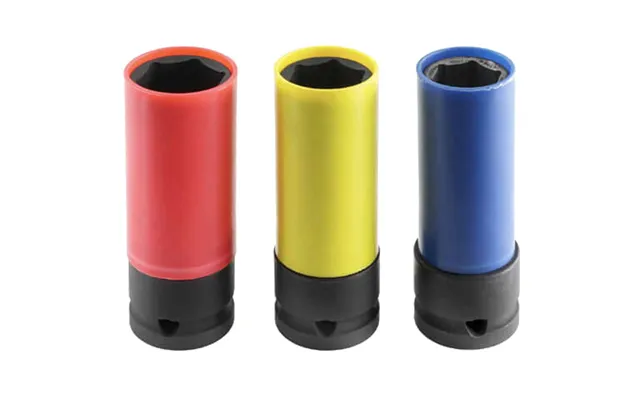
Impact sockets are built for punishment. Made from tougher alloys and usually finished in black, they’re designed to handle the hammering of an impact driver or impact wrench. Chrome sockets (those shiny ones you see in most sets) are fantastic for hand tools—smooth, easy to clean, and perfect for ratchets. The golden rule: use impact sockets with power tools, and chrome with manual ratchets. Crossing that line can shatter a chrome socket or mushroom an impact socket in the wrong setting.
Universal (swivel) sockets pivot to access fasteners at wonky angles. Spark plug sockets have rubber inserts or magnets to protect porcelain and pull the plug safely. Pass-through sockets enable access where a long stud prevents standard sockets. There are even bolt extractor sockets with spiral flutes for rounded nuts—think of them as your “oops insurance” when a fastener fights back.
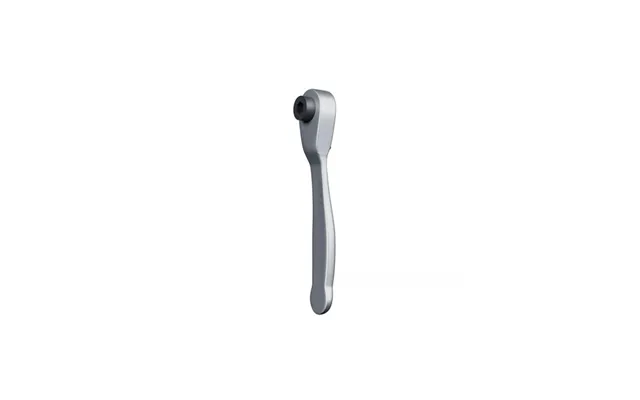
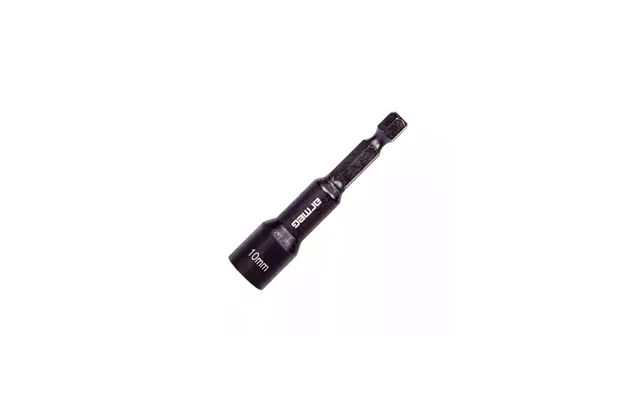
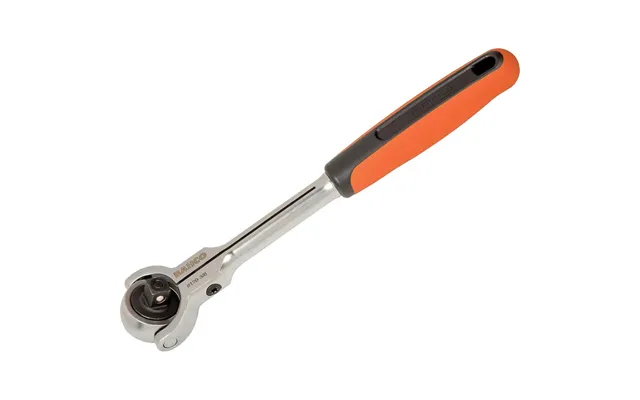
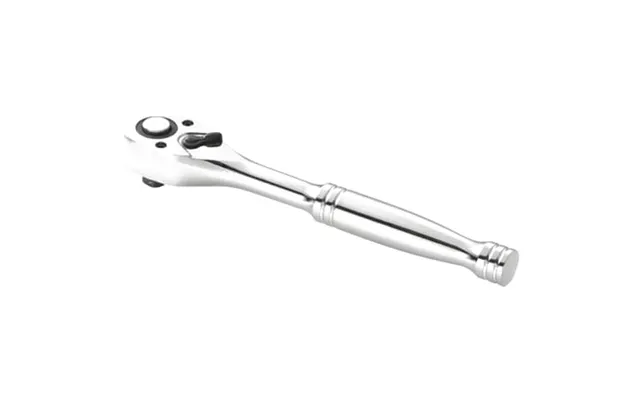
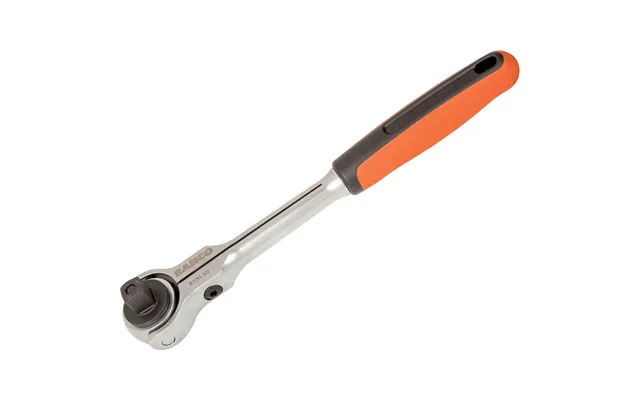
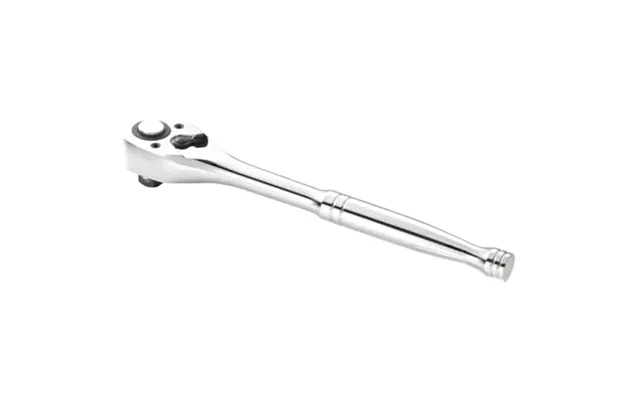
Manual tools give you finesse; power tools give you speed. A well-rounded kit includes both. Ratchets deliver controlled torque and tactile feedback—ideal when you want to feel a fastener seat. Nut drivers look like screwdrivers but accept nut sizes instead of bit tips; they’re quick for light work like hose clamps or small machine assemblies. Impact drivers (with the right adapters and impact sockets) excel at repetitive fastening and breaking loose stubborn hardware.
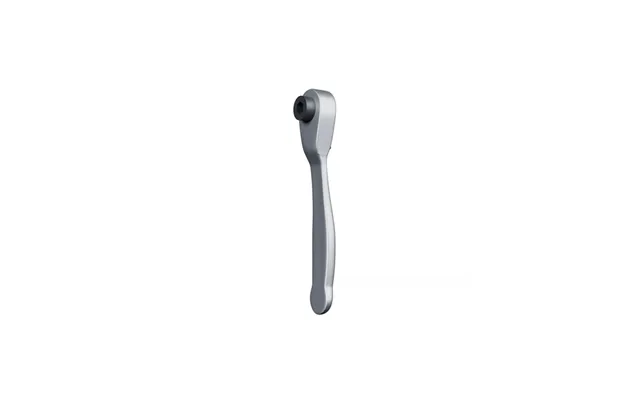
Ratchets with higher tooth counts have a shorter swing arc—sometimes just a few degrees. In tight spaces, that’s priceless. A fine-tooth ratchet lets you nudge fasteners without removing and resetting the tool, keeping your momentum up. Combine a fine-tooth 3/8" ratchet with a stubby handle and a short extension, and you’ll snake into places you’d never expect.
Impact drivers are tempting for everything because they’re fast and compact, but safety and socket choice matter. Always use impact-rated sockets and square drive adapters built for impacts. Keep your grip firm, brace your wrist, and stop once the fastener seats—then switch to a torque wrench if a specific value is required. That one-two punch gives you speed without sacrificing accuracy.
Accessories turn a basic socket set into a problem-solving machine. With just a few extras, you go from “it doesn’t quite fit” to “done and dusted.” The right extensions, joints, and adapters give you reach, flexibility, and control—like adding secret passages to your toolkit.
Extensions are simple, effective, and indispensable. Keep a mix: 3", 6", and 10" cover most jobs. Wobble extensions add a slight angle at the socket end so you can work around obstructions while still transmitting torque. It’s a tiny feature that makes a huge difference, especially in engine bays or under sinks.
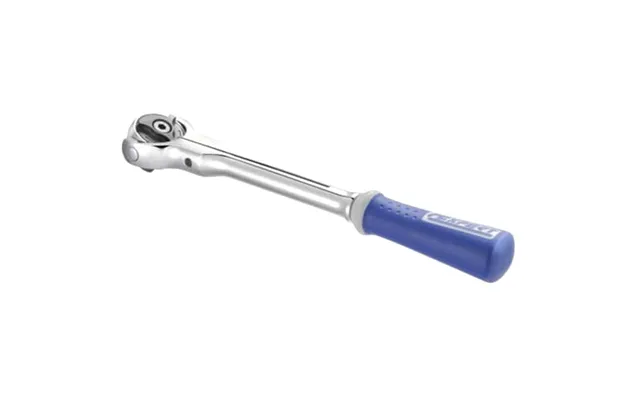
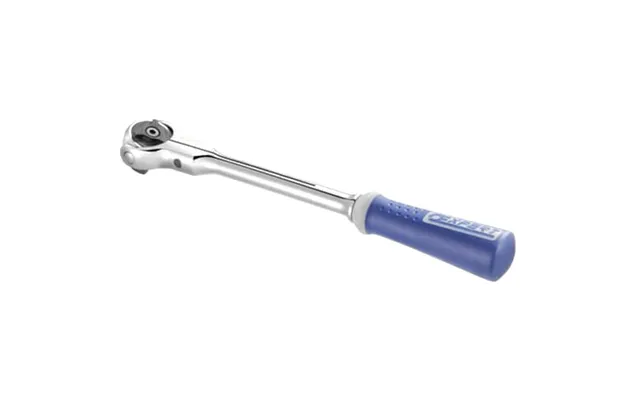
Universal joints provide more angle when wobble isn’t enough. They’re great for fasteners hidden behind brackets or tucked under panels. Flex-head ratchets offer similar benefits, letting the head pivot to meet the fastener where it lives. Use them with care to avoid snapping hardware at severe angles—slow and steady wins the race here.
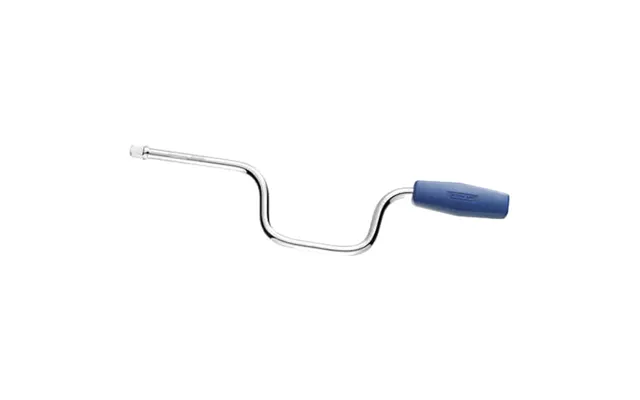
Adapters let you mix and match drive sizes, like stepping a 3/8" ratchet up to a 1/2" socket in a pinch. Reducers do the reverse. A 1/4" spinner handle is perfect for starting threads quickly, and T-handles give you balance and speed for long bolts. These small helpers keep you moving without a trip back to the toolbox.
Tightening “until it feels right” is a gamble. Over-tighten, and you risk stripping threads or snapping bolts. Under-tighten, and things loosen up at the worst time. A torque wrench saves the day by letting you dial in values and stop at the exact point needed. It’s particularly important for vehicle work and safety-critical connections.
Lug nuts commonly call for around 80 to 100 lb-ft—enough to hold wheels securely without overstressing studs. Small engine parts and accessory brackets may spec values in lb-in, not lb-ft, which is where a 1/4" or 3/8" torque wrench shines. Always reference the manufacturer’s guidelines, and if you use an impact tool to snug things up, finish with a torque wrench for precision.
Use the correct socket profile and size. Six-point sockets grip flat sides better than twelve-point under high torque, reducing the chance of rounding. Keep threads clean, start bolts by hand, and stop at resistance so you don’t cross-thread. If something fights you, soak it with a penetrating oil and give it time instead of muscling through. Patience beats broken fasteners every time.
Looks can deceive—what matters is the alloy and heat treatment. Strong materials resist wear, yield under stress instead of shattering, and stay accurate over years of use. Finish also plays a role: polished chrome resists corrosion and wipes clean easily, while black oxide on impact sockets fights rust and glare under harsh conditions.
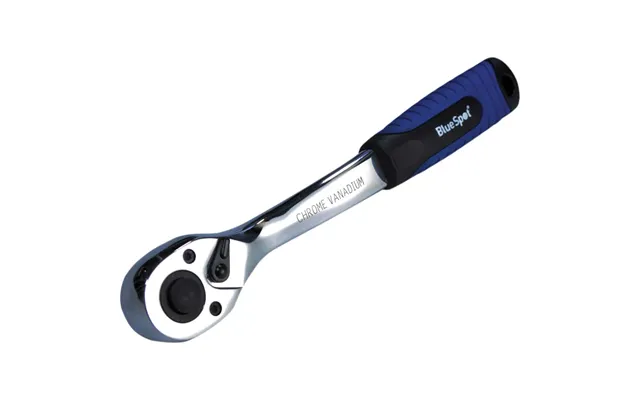
Chrome vanadium is the classic choice for hand sockets and ratchets: hard, durable, and corrosion-resistant. Chrome molybdenum typically appears in impact sockets because it handles shock loads better and won’t crack under the hammering of power tools. Neither is “better” across the board—they’re optimized for different jobs. Match the material to your tool usage, and your kit will last for years.
An organized set saves time and sanity. When sizes are scattered, you spend more minutes hunting than wrenching. A good storage system pays you back on every project—fast selection, quick cleanup, and fewer lost pieces rolling under the workbench.
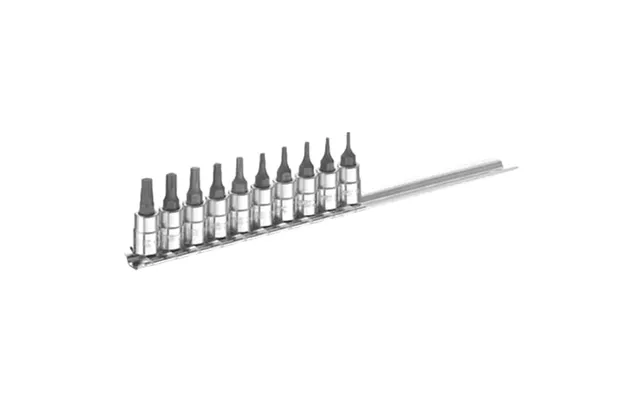
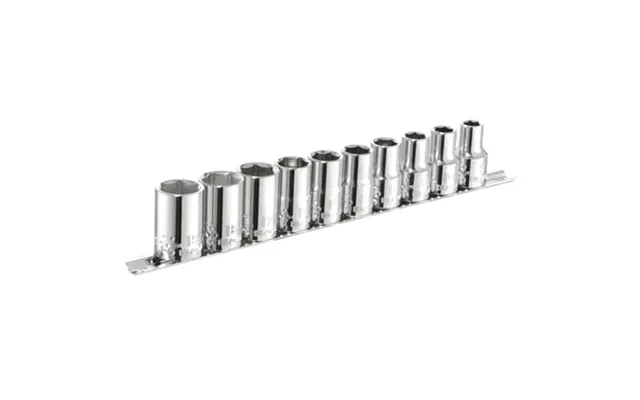
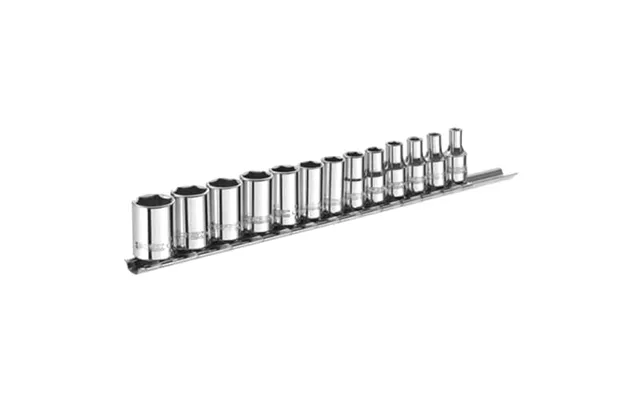
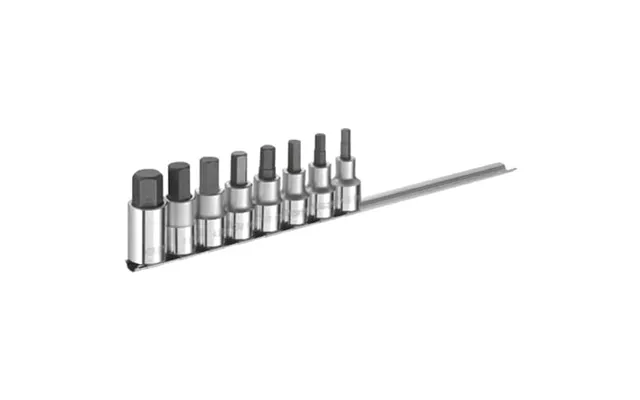
Metal or plastic socket rails keep sockets locked by drive size, making it easy to grab the whole run at once. Magnetic trays hold common sizes front-and-center without the mess. Foam inserts (pre-cut or DIY) turn drawers into labeled grids so you can spot missing pieces at a glance. For portability, a sturdy case with secure latches protects your investment on the move.
Mark your common sockets—like 7/16", 1/2", and 9/16"—with high-contrast paint or laser-etched labels for quick ID. Group by drive and depth, and keep adapters in a dedicated pocket. Spend five minutes labeling today and save hours over the year. Your future self will thank you.
With so many options out there, it’s tempting to chase the biggest piece count or the lowest price tag. But the best socket driver set is the one that matches your real-world tasks. A balanced kit with quality ratchets, core sockets, and a few key accessories beats a massive set of rarely used pieces every time.
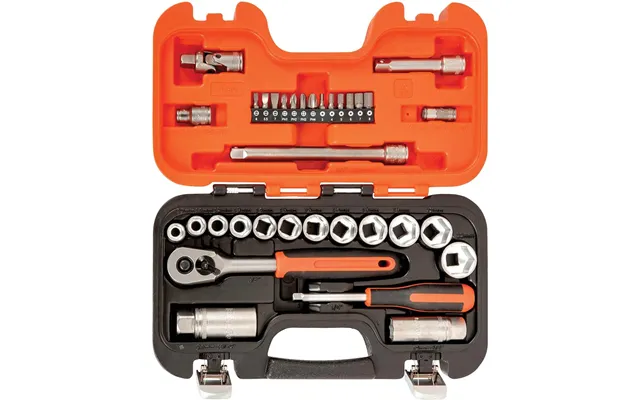
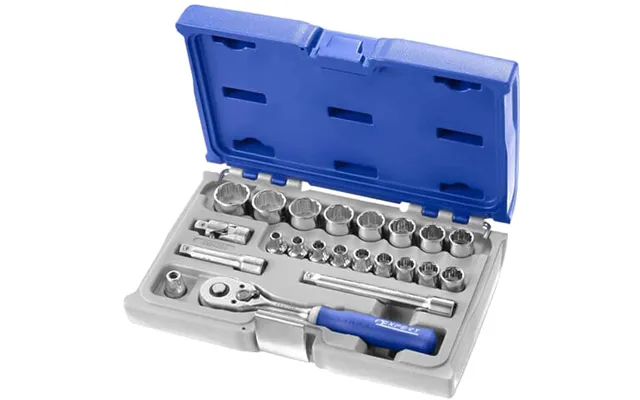
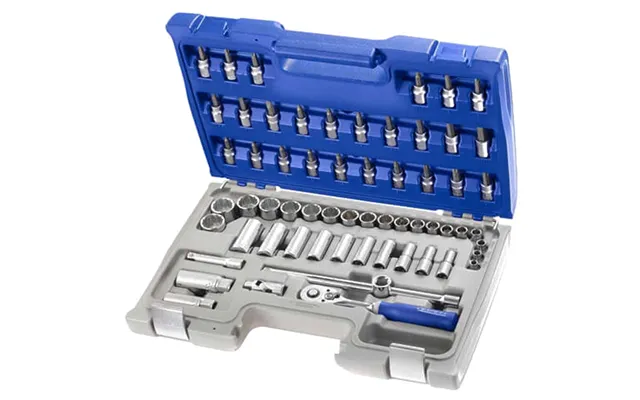
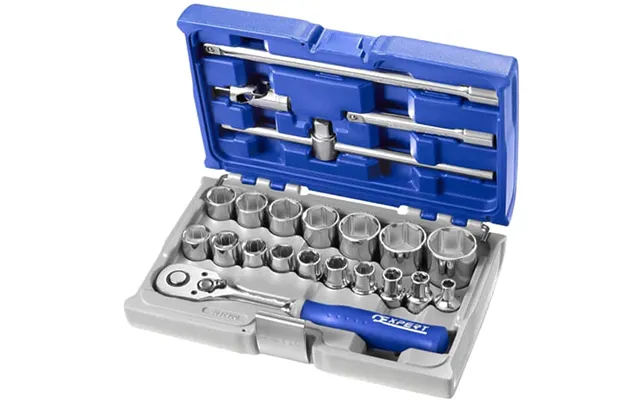
Look for coverage in the sizes you actually use. For household and light automotive work, focus on 1/4" and 3/8" sockets from 1/4" up to around 7/8", shallow and deep in the most common steps. Add a 1/2" drive for heavier tasks, even if you only stock a handful of larger sizes. A solid starter set might include a 3/8" ratchet, 1/4" and 3/8" shallow/deep sockets, a selection of extensions, a universal joint, and a few adapters.
A good case keeps sockets seated and labeled, so they don’t spill the second you open the lid. Check hinge quality, latch strength, and internal layout—nothing kills motivation like reorganizing a set every time. Warranty support can also be valuable; ratchets have moving parts that eventually need service, and some brands make repairs straightforward.
Prices can vary widely across retailers, especially during seasonal sales and limited-time promotions. Use a trusted comparison platform to scan multiple offers at once, track price history, and spot genuinely good discounts. This approach helps you avoid marketing fluff and focus on value—features, materials, and coverage—while snagging attractive prices when they pop up among popular offers.
Socket drivers aren’t just for gearheads. If it has a bolt, there’s a good chance a socket driver can make the job faster, easier, and safer. Once you start using them, you’ll wonder how you ever managed with pliers and adjustable wrenches alone.
Adjust door hinges, tighten bed frames, assemble shelving, and mount TV brackets with confidence. A 3/8" ratchet with 1/2" and 9/16" sockets handles a surprising amount of household hardware. For delicate fixtures, a 1/4" driver gives you control without overdoing it.
Lawnmowers, trimmers, and wheelbarrows often use fasteners that benefit from deep sockets and 1/2" drive leverage. Use a breaker bar to loosen stubborn mower blades, then switch to a torque wrench when reinstalling so you don’t overtighten. For bicycles, small sockets and nut drivers speed up accessory installs and brake adjustments.
Oil changes, battery swaps, and brake inspections all go smoother with the right socket driver setup. Lug nuts usually call for a 1/2" drive and a torque finish, while under-hood work favors 3/8" for reach and control. Keep a universal joint handy for hard-to-reach fasteners near the firewall.
Take care of your socket drivers and they’ll take care of you. A little routine maintenance makes ratchets smoother, sockets cleaner, and extensions corrosion-free. It’s the difference between fighting your tools and having them feel like an extension of your hand.
Wipe down sockets after use, especially if they’ve seen moisture or grime. A light oil film keeps rust at bay. For stubborn dirt, a soft brush and mild solvent work wonders. Store tools in a dry case or drawer with desiccant packs if your workspace is humid. Impact sockets benefit from occasional rust-prevention spray to protect the black oxide finish.
Ratchets have pawls and springs inside that love a bit of lube. If yours feels gritty, open it up (following the manufacturer’s instructions), clean the mechanism, and apply a thin grease. Replacement kits are inexpensive and can make an old ratchet snap back to life. Keep the selector switch clean so it engages positively every time.
Not all socket driver kits aim at the same user. The trick is matching your expectations to your usage. Weekend DIYers can get great results from budget-friendly sets, while heavy users benefit from pro-grade durability and refined ergonomics. The middle ground often hits the best performance-to-price balance.
Starter sets often deliver the essentials without frills. Look for a reliable 3/8" ratchet, core sockets in shallow and deep, a few extensions, and a universal joint. If you’re just dipping your toes in, these sets are a smart way to learn what you use most—then you can add specialty pieces as needed instead of overbuying upfront.
Midrange kits typically upgrade ratchet mechanisms, include more six-point sockets, and provide better cases. You’ll see more complete coverage in common sizes and drives, plus extras like wobble extensions. For most homeowners and hobbyists, this tier offers the best long-term value.
Pro-level gear focuses on high-strength materials, precision manufacturing, and serviceable ratchets. Expect smooth fine-tooth mechanisms, robust impact socket sets, and specialty pieces designed for repetitive daily use. If you wrench for hours every week, pro-grade tools pay you back in speed, comfort, and reliability.
Using chrome sockets on impact tools is a classic error—stick to impact-rated pieces with power. Another pitfall is mixing drive sizes with sloppy adapters under heavy load; it introduces play and can damage both tool and fastener. Don’t neglect torque specs for critical components, and resist the urge to “lean on it” with cheater bars unless the tool is designed for that. Finally, avoid buying giant sets you’ll never use—curate your kit around your actual projects and add thoughtfully over time.
Socket drivers are the unsung heroes of home, garden, and garage projects. With the right drive sizes, a smart mix of shallow and deep sockets, impact pieces for power tools, and a few key accessories, you can handle almost any bolt or nut that crosses your path. Organize your kit, torque fasteners properly, and care for your tools—they’ll reward you with years of smooth, reliable performance. When you’re ready to buy or upgrade, compare offers across retailers to spot real value, especially when popular deals surface. Build your set with intention, and you’ll turn every project from a headache into a satisfying win.