All categories
Business & Offices
Electronics & Media
Fashion & Accessories
Groceries & Essentials
Health & Personal Care
Home & Living
Kids & Family
Sports & Outdoors
Search in ZoneOffer

Loading...
If you’ve ever stared at a toolbox and wondered why you don’t just have one kit that covers most jobs, combo sets are your answer. Power tool combo sets bundle essential tools—typically a drill, an impact driver, and a battery/charger—so you get a coherent system that saves money, space, and time. They’re ideal whether you’re a weekend DIYer fixing fence posts or a pro swapping out skirting boards all week long.
Buying a combo kit means one battery platform, fewer chargers cluttering up the garage, and usually a lower per-tool price than buying everything separately. Think of it as buying a starter wardrobe for your workshop: get the staples first, then add statement pieces later.
The drill/driver is the backbone of most combo sets. It tackles pilot holes, screws, and light drilling into wood and some metals. Look for decent torque and a variable speed trigger so you can control delicate tasks like driving into trim without splitting the wood.
Impact drivers excel at driving long screws and lag bolts. If you’re assembling decking or hanging heavy shelves, this tool makes the job faster and uses much less wrist strength than a standard drill.
Many kits aimed at carpentry include a circular saw for straight cuts, while renovation-oriented sets might include a reciprocating saw for demo work. Circular saws are great for ripping boards and sheet goods; recip saws are the go-to when walls, pipes, or old fixtures need removing.
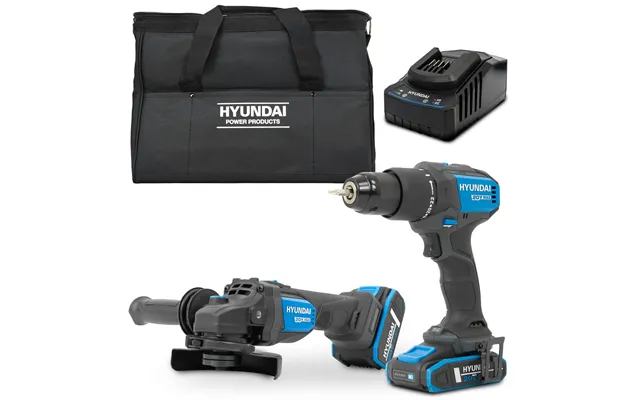
Higher-tier bundles often add a multi-tool for detail work, an angle grinder for grinding and cutting metal, or a compact hammer drill for masonry. If you plan to tackle a variety of jobs, consider a kit that includes at least one cutting or sanding tool.
Cordless tools are the modern favorite because they give Freedom Of Movement—no dragging an extension cord across the yard or finding a socket on a scaffold. Combo sets typically center on cordless models powered by Lithium-ion batteries, and the convenience pays off in portability and speed.
That said, corded tools still offer continuous power for really heavy-duty tasks. If you’re cutting all day or drilling through concrete at volume, think about keeping a corded backup in the van. For the majority of home and light-construction work, a cordless combo set will be the more practical choice.
One of the biggest benefits of buying a combo set is shared batteries. When all tools use the same battery type, you can swap packs during a job rather than pause for charging. Look for kits that include at least two batteries so you can have one charging while using the other.
Replaceable batteries do vary in size and weight, so if you’re climbing ladders or working overhead a lot, consider lighter battery packs to cut fatigue. If you ever plan to expand your tool collection, choose a platform with a wide range of compatible tools so each new purchase adds value.
Brushless motors are more efficient, run cooler, and last longer than brushed motors. They also tend to deliver better runtime and more torque in compact housings. For heavy use and longer life, many pros prefer brushless tools, and you’ll see them in many premium combo sets.
Brushed tools are usually less expensive and can be perfectly fine for occasional DIY tasks. If budget is tight and you only need tools for light jobs around the house, brushed motors are a reasonable compromise.
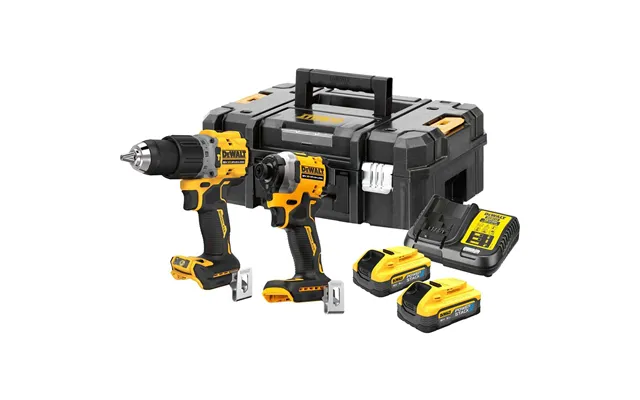
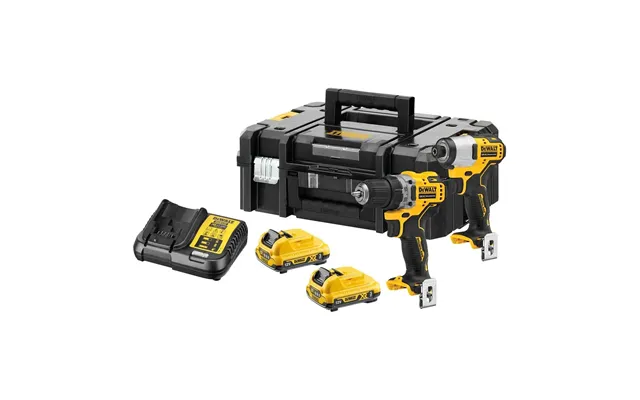
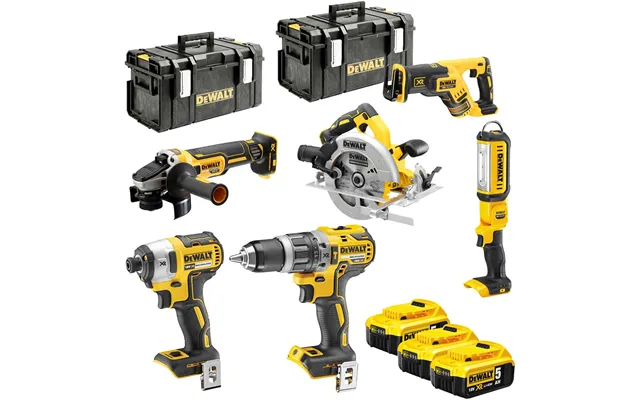
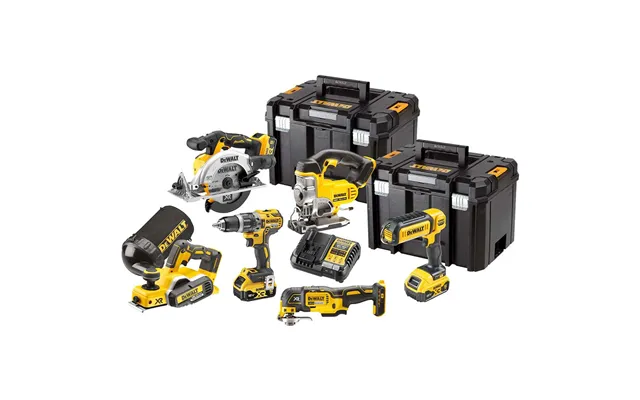
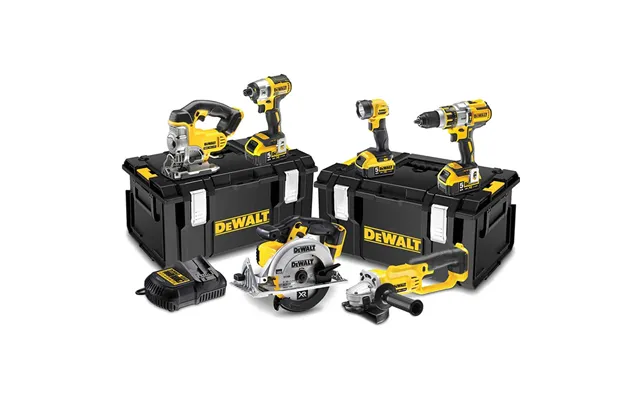
DeWalt is known for rugged designs and a huge ecosystem of compatible batteries and accessories. Their combo sets often target pros and serious DIYers, with durable cases and extras like LED lights and belt hooks included.
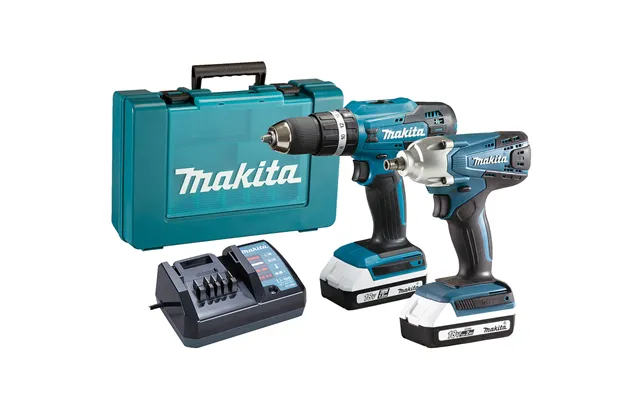
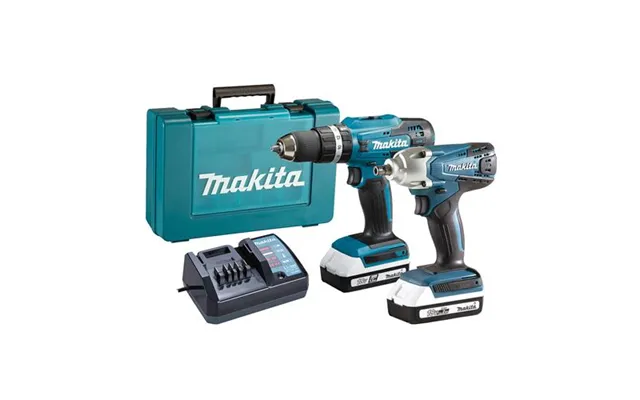
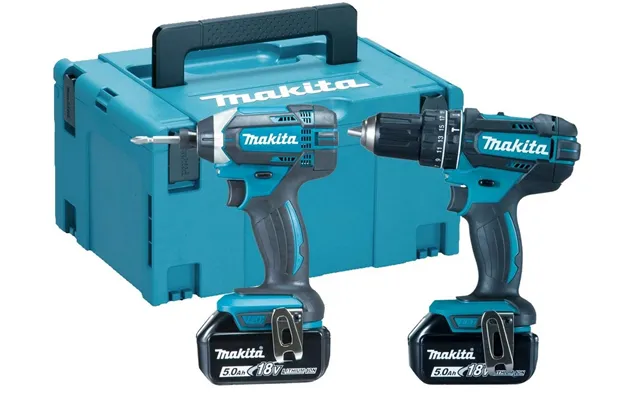
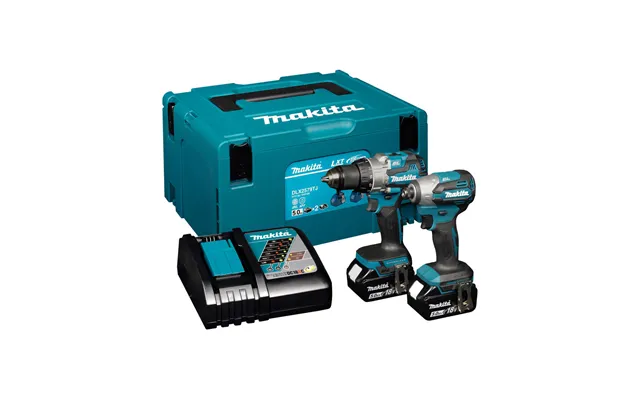
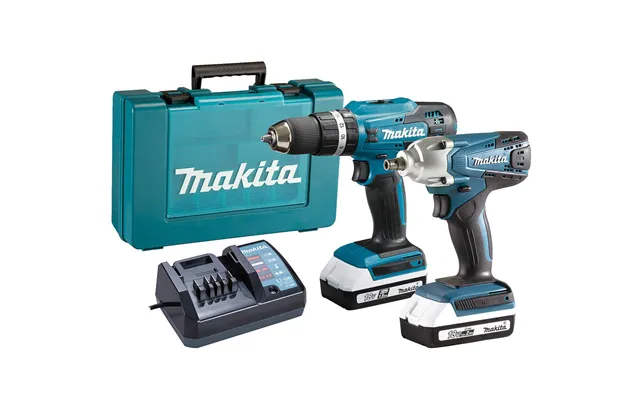
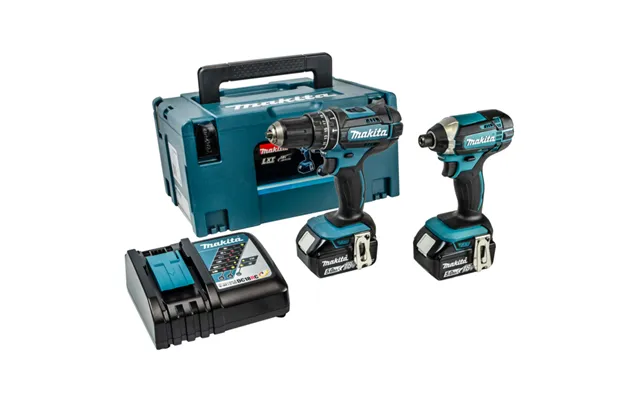
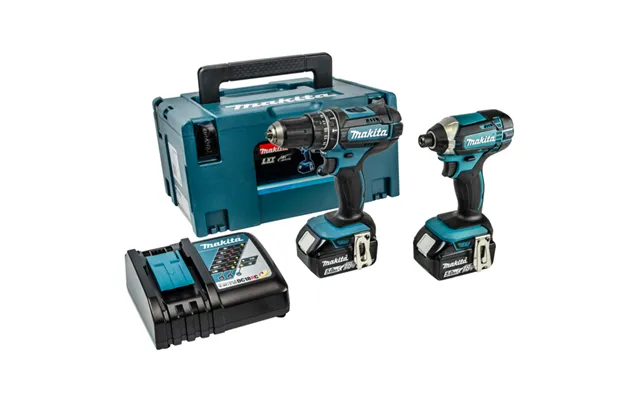
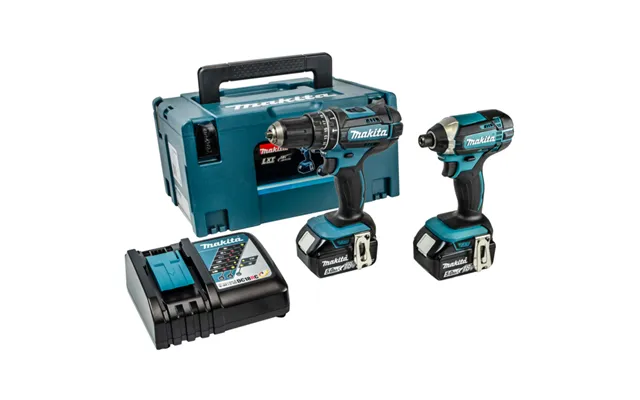
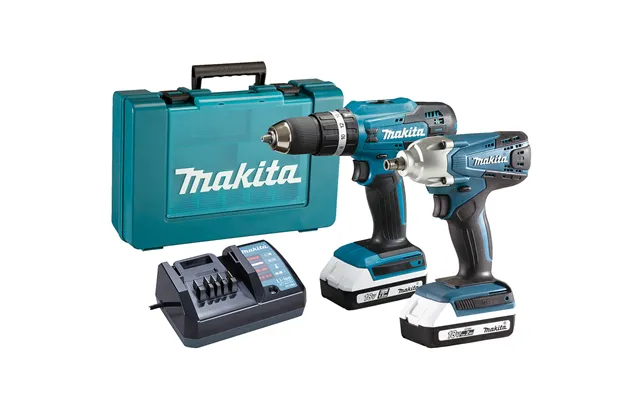
Makita stands out for ergonomics and compact engineering. Their kits are often lighter, which helps when you’re working overhead or doing jobs that require mobility. Expect good battery life and a broad choice of specialty tools to add later.
Milwaukee is famous for heavy-duty performance, particularly in impact tools and cordless percussion drills. Their M18 platform has a wide range of professional-grade tools and accessories if you want to build out a complete system.
Bosch offers balance between professional performance and consumer affordability, while Ryobi is a go-to for hobbyists due to very competitive pricing and an extensive lineup designed for homeowners. Ryobi’s “one+” battery system is a popular choice for those who want to gradually add tools without changing battery types.
Start by listing the jobs you do most. Are you hanging drywall, building a garden shed, or fixing squeaky floors? If you primarily drive screws and drill wood, a basic drill/impact kit may be enough. If you’re doing more cutting or masonry work, look for kits that include a saw or a hammer drill.
Consider ergonomics—how the tools feel in your hands. If possible, test the grip and balance at a local store. Weight matters for overhead work; an extra pound or two per tool adds up fast by the end of the day.
Even the best combo set benefits from a few extras. A set of high-quality drill bits in inch sizes, a range of screwdriver bits, and a good tape measure can make the kit functional right away. If your projects include decking or framing, add a long-lasting blade for your circular saw and a selection of driver bits for different screw heads.
For cleanup and dust control, a compact dust extractor or shop vacuum that’s compatible with your tool’s dust ports is a smart investment. It keeps work areas safer and reduces sanding time later.
When comparing offers, pay attention to battery count and capacity, included chargers, and the range of tools in the set. A lower price on a kit that includes only one battery may not be a bargain if you’ll need to buy a second battery right away.
Also check the warranty terms on both tools and batteries. Warranties vary by brand and sometimes by retailer, so know what you’re getting before you commit. A longer warranty often signals the manufacturer’s confidence in durability.
For casual users, a 2-tool kit with a drill and impact driver plus one battery is often enough. These kits cover most repairs, furniture assembly, and light renovation. Prioritize comfort and a compact size so tools are easy to store in the garage.
If you’re building cabinets or renovating a room, pick a kit that includes a circular saw, a drill, and a multi-tool or jig saw. Two batteries are a big plus to keep the workflow moving, especially when you’re making repeated cuts or driving long screws.
Pros should aim for brushless motors and multiple batteries of higher capacity, plus a robust charger. Look for kits with a hammer drill for masonry and an impact driver that can handle lag bolts without bogging down. Durability and serviceability are key—replaceable brushes, sealed switches, and easy access to parts matter over time.
Some combo sets omit a compact circular saw, oscillating multi-tool, or hot glue gun—tools that can be surprisingly handy. If your typical project requires precise plunge cuts, an oscillating multi-tool is worth adding. For metal cutting, a small angle grinder can expand your capabilities significantly.
Also think about storage and transport. A heavy-duty carrying case or stackable hard cases make it easier to move tools between jobs and protect them from wear and tear.
Combo set deals pop up frequently around seasonal sales and clearance events. Comparison sites and deal aggregators can help you track the best prices across vendors. Remember, the lowest price isn’t always the best value—consider what’s included and whether you’ll need to buy batteries or accessories separately.
Sign up for brand mailing lists if you want early access to promotions. Many manufacturers and retailers offer discounts to subscribers or bundle upgrades during holiday sales.
Simple maintenance extends tool life. Clean vents and brush dust from the motor area after heavy use, store batteries in a cool, dry spot, and avoid dropping tools. Periodic inspection of cords, switches, and chuck jaws keeps small problems from becoming big failures.
If a tool starts overheating or making odd noises, stop using it and get it serviced. Most brands have repair centers or authorized service partners that can diagnose problems before permanent damage occurs.
Wear eye protection and hearing protection when cutting or driving screws, and use gloves when handling sharp blades. Keep batteries away from extreme heat and avoid leaving them partially charged for long periods—full cycles and proper storage extend their useful life.
When disposing of old batteries, follow local regulations. Rechargeable battery packs should never go in standard trash; many hardware stores and recycling centers accept them for safe disposal.
Pick a kit that matches the majority of your projects, prioritize battery count and compatibility, and choose a platform you can expand. Think of your first combo set as the foundation of a toolbox you’ll build over years—buy quality where it counts (motors, batteries) and save on nonessential extras.
With the right combo set, you’ll have a reliable, compact system that lets you tackle tasks quickly and confidently. Whether you’re tightening a hinge or building a fence, the convenience of a matched-tool system will change how you approach projects.
Power tool combo sets deliver convenience, savings, and flexibility for a wide range of jobs, from small home repairs to professional construction. By understanding the typical tools included, battery systems, motor types, and which extras matter most for your work, you can pick a kit that saves time and grows with your needs. Shop smart: compare what’s included, prioritize battery count and compatibility, and don’t forget the small accessories that make a big difference on the jobsite.

| £ 2.085,78 |