
Paint Sponges price list
Last updated Friday, Sep 18, 2026
| Paint Sponges | Price |
|---|---|
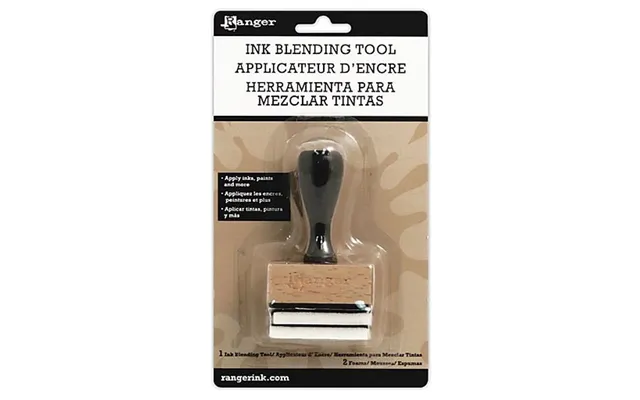
| Blending Tool Rectangle | £7.87 |
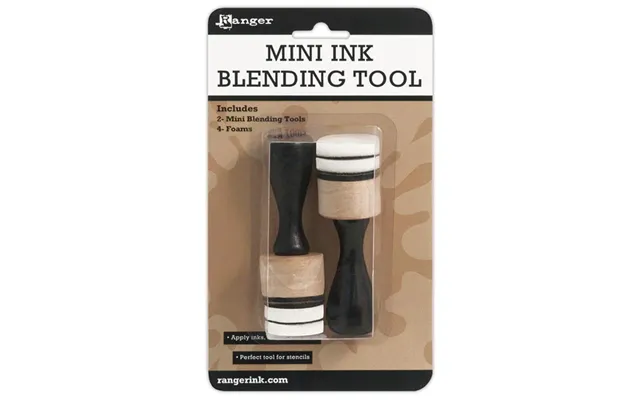
| Blending Tool Round Mini 1 | £8.45 |
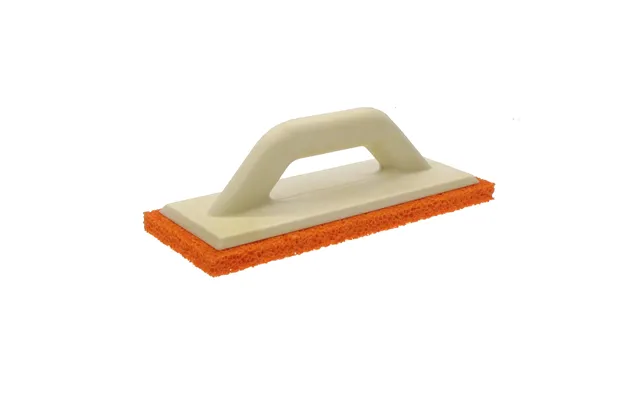
| Rst Polyurethane Sponge 295mm X 115mm | £17.12 |





Loading...
Last updated Friday, Sep 18, 2026
| Paint Sponges | Price |
|---|---|
| Blending Tool Rectangle | £7.87 |
| Blending Tool Round Mini 1 | £8.45 |
| Rst Polyurethane Sponge 295mm X 115mm | £17.12 |
If you've ever tried to touch up a scuff, add faux texture, or get clean edges on trim, you know that a brush or roller doesn't always cut it. Paint sponges are the unsung heroes of small jobs and creative finishes — they’re versatile, inexpensive, and easy to use. Think of them as the Swiss Army knife for painting: small, handy, and perfect for a surprising number of tasks from delicate blending to heavy-duty sanding.
At its simplest, a paint sponge is a block or pad made from foam, cellulose, or abrasive material that holds and transfers paint. Unlike a brush, which leaves streaks, a sponge can dab, stipple, and smooth paint with a softer touch. They come in different densities and shapes — squares, wedges, rounds, and even precision edges — so you can pick the one that matches the job, whether that's a one-inch corner or a five-foot accent wall.
Soft foam sponges absorb paint well and release it evenly, making them ideal for blending and faux finishes. Use them for water-based paints and quick touch-ups. Typical sizes range from 2 inches to 6 inches across a pad, which fits comfortably in your palm for controlled dabbing.
Cellulose sponges have a porous texture that creates a slightly more organic pattern when you dab paint. They’re great for textured backgrounds and creating warmth in faux finishes. They’re inexpensive and disposable, which is handy for messy jobs where cleanup would be a pain.
Sanding sponges are abrasive on one or both faces and act like a hand-sander for small woodworking and paint-prep tasks. They come in grits from coarse to fine and are excellent for smoothing patched drywall or removing minor paint ridges before the final coat. Sizes often measure about 4 inches by 2 inches by 1 inch — small enough to get into tight spots.
These sponges are molded into specific shapes: wedge tips for corners, round pads for circular patterns, and narrow edges for trim. If you’re painting window frames, door jambs, or intricate moldings, shaped sponges help you stay neat without taping every edge.
Single-use sponge daubers are a godsend for messy finishes or when working with multiple colors—just swap and toss. Pad sponges often attach to handles and can mimic the coverage of a small roller while offering the control of a sponge.
Water-based paints pair well with soft foam and cellulose sponges, while oil-based finishes may require disposable sponges or ones you’re willing to discard, since cleaning oil from foam can be messy. If in doubt, try a small test patch first to see how the surface reacts.
For smooth surfaces and subtle blending, choose a fine closed-cell foam in a smaller size like 3 inches. For rough or textured walls, a larger, more porous sponge or even a sponge roller will move more paint with fewer passes. Always think in terms of how many square feet you’ll cover — small pads for touch-ups, larger pads or rollers for bigger areas.
If you want a long-lasting tool, opt for higher-density foam or a washable sanding sponge. Disposable sponges are cheap and convenient, but a quality foam sponge will hold up through multiple projects if you clean it properly.
These are the classic choice for faux finishes and blending. Look for a pack that offers multiple sizes or wedge tips for edges. A standard set often includes pads in 2-inch, 4-inch, and 6-inch widths — ideal for everything from trim to a medium-sized wall.
A sanding sponge in medium or fine grit is a must for smoothing joint compound or feathering edges between paint layers. They conform to contours better than sanding blocks, so you can sand around molding or on curved profiles without gouging the surface.
When you need the coverage of a roller but the soft finish of a sponge, a sponge roller is a smart choice. A 4-inch sponge roller covers narrow spaces and gives a different texture compared with nap rollers. Pad applicators with sponge heads are another great option for cabinets and furniture because they reduce splatter and produce a smooth coat.
For trim, corners, and tiny touch-ups, look for dauber-style sponge brushes with a thin handle or for wedge-edge sponges. They’re perfect when you want the control of a brush but the blending ability of a sponge.
Good results start with good prep. Clean surfaces to remove dust and grease, sand any rough spots with a sanding sponge, and wipe away debris. Mask off areas you don’t want to paint. Proper prep is like laying a strong foundation — skip it and the finish won’t last.
Don’t soak the sponge. Dab it lightly into paint and then press it onto a tray or cardboard to remove excess. Think of loading a sponge like loading a stamp — less is more. Too much paint will drip and create heavy spots.
Use a light, tapping motion to apply paint. Keep a wet edge and blend as you go. For consistent texture, work in small sections about 2 feet by 2 feet, reloading the sponge as needed. This helps avoid noticeable transitions or dark patches.
Sponge painting is ideal for faux finishes: layer two or three closely related tones, dab, then lightly blend with a clean sponge to soften transitions. For a distressed look on furniture, sponge on paint in patches and then lightly sand with a sanding sponge after the paint dries.
Rinse foam sponges in warm water until the water runs clear, then squeeze out excess water and let them air dry flat. Adding a drop of dish soap helps remove pigment. Store sponges dry to prevent mildew.
Oil-based paints require solvents like mineral spirits or a suitable cleaner. Wear gloves and clean sponges in a well-ventilated area. For many people, disposable sponges are the best option with oil-based paints to avoid the hassle of solvent cleanup.
Replace sponges when they lose shape, start to shed particles, or fail to hold paint consistently. A good rule: if a sponge costs less than a cup of coffee and it’s not performing, don’t hesitate to swap it out. Cheap replacements are often less frustrating than working with a compromised tool.
If you want to add depth and character without hiring a pro, sponge techniques let you mimic plaster, suede, or cloud effects. Use two matching shades and layer them using a gentle blotting motion to build nuanced color and texture.
Sponges are perfect for furniture because they minimize brush strokes and prevent brush splatter. Apply thin coats and build up color gradually. For a weathered look, sponge on paint in targeted areas and then sand lightly with a sanding sponge to reveal the undercoat.
When you need to fix scuffs on a wall or paint around hardware, a wedge sponge fits into narrow grooves and corners that brushes struggle to reach. They’re also handy for matching texture when touching up a small area.
Foam rollers give a smooth finish and are great for flat doors and cabinets. Choose a 4-inch foam roller for cabinets and trim, or a 9-inch for walls, depending on the job. Use rollers when you need speed and an even finish over a larger area.
Brushes still rule when precision and reach matter, such as cutting in ceilings or painting narrow trim. Foam brushes are inexpensive and good for varnishes and smooth finishes on furniture. They don’t replace sponges for texture but are excellent partners for edge work.
Microfiber pads can apply very thin, even coats and are useful for rub-on finishing techniques. They work especially well with stains and oils where absorption and even distribution matter more than texture.
When shopping, look for packs that include multiple shapes and sizes — they offer more flexibility for different tasks. Check product descriptions for material (closed-cell foam, cellulose, abrasive grit), dimensions in inches, and whether the sponge is designed for water-based or oil-based paints. Reviews from other DIYers can reveal whether a sponge sheds or loses shape. Comparison sites and customer reviews are your friend when you want to weigh longevity against price.
If sustainability matters, seek biodegradable cellulose sponges or reusable sanding sponges with replaceable pads. On a budget? Multipacks of disposable daubers are extremely affordable and perfect for one-off jobs. The trick is balancing cost with how often you’ll reuse the tool.
To prevent blotchy patches, always keep a wet edge and work in small sections. If a spot dries before you blend it, lightly mist with water (for latex paints) and re-blend with a clean sponge.
Some cheap sponges shed fibers. To test, dab a dry sponge on paper before using it on your wall — if fibers come off, choose a higher-density foam or try a sealed-edge sponge designed not to break down.
When touching up, use the same sponge type, shape, and application method as the original job. Take a small sample to a quiet corner and test until the pattern matches before committing to the visible area.
Paint sponges are simple, low-cost tools that deliver big results when you match the right type to the job. From soft foam pads for blending to abrasive sanding sponges for prep work, these little helpers make a range of DIY projects easier and more satisfying. Whether you’re refreshing a room, repainting furniture, or doing precise touch-ups, having a selection of sponges in different sizes and densities will expand your capabilities and speed up the work. Try a small kit for a few projects — you’ll likely find yourself reaching for a sponge more often than you’d expect.