All categories
Business & Offices
Electronics & Media
Fashion & Accessories
Groceries & Essentials
Health & Personal Care
Home & Living
Kids & Family
Sports & Outdoors
Search in ZoneOffer

Loading...
If you’ve ever spent hours cutting in around trim, sanding between coats or wrestling with a roller on an uneven fence, you know how slow and tiring painting can be. A paint sprayer can turn those long afternoons into a few efficient hours, delivering a smooth, factory-like finish on doors, cabinets, fences, walls and even ceilings. Whether you’re a weekend DIYer or a professional decorator, the right sprayer saves time, reduces brush marks, and often uses paint more efficiently than brush and roller. Let’s explore the options so you can pick the one that fits your projects, budget, and skill level.
Not every sprayer is made for every job. Understanding the main categories—airless, HVLP, turbine, and handheld electric—will help you match a machine to the surfaces you plan to coat. Each type has pros and cons in terms of finish quality, material flexibility, and speed.
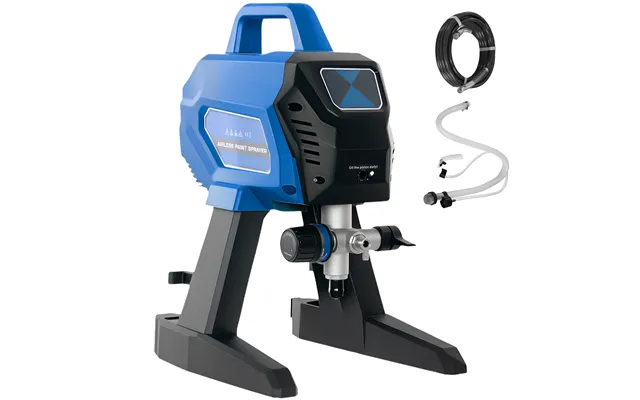
Airless sprayers force paint through a small tip at high pressure, creating a fine atomized fan. They’re outstanding for large exterior surfaces like house walls, fences and decks because they cover broad areas quickly and handle thick coatings without thinning. An airless unit usually delivers several gallons per hour, making it the go-to for contractors or homeowners with big repaint projects.
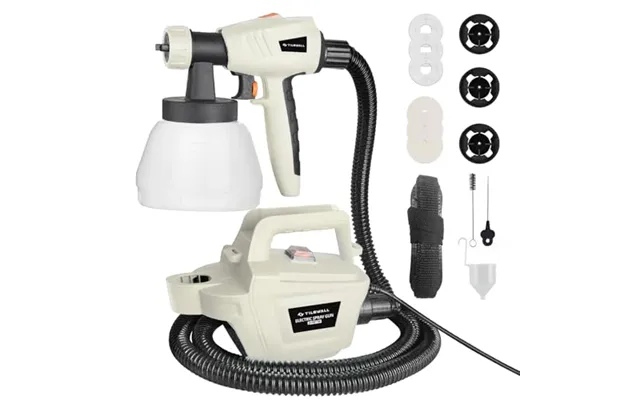
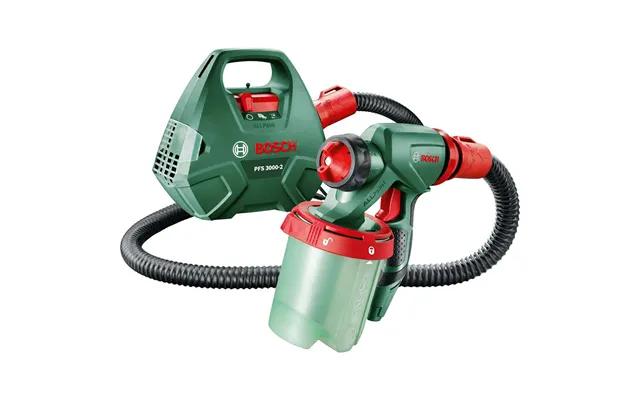
HVLP (High Volume Low Pressure) systems use lower pressure and more air volume to create a softer spray pattern that leads to less overspray and a finer finish. If you’re refinishing kitchen cabinets or spraying furniture, HVLP is often the best bet. It gives the kind of smooth, even finish a brush or roller can’t match, especially with lacquer, varnish or water-based paints.
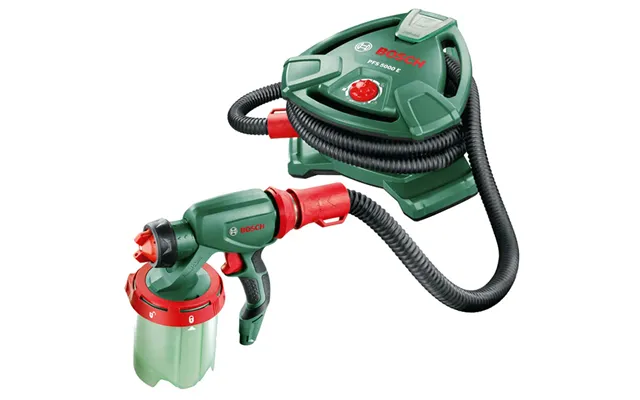
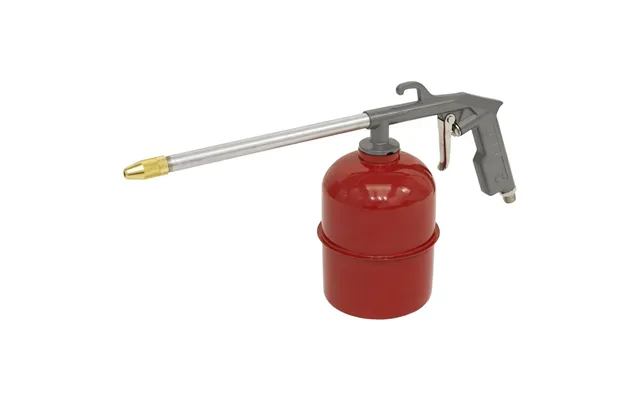
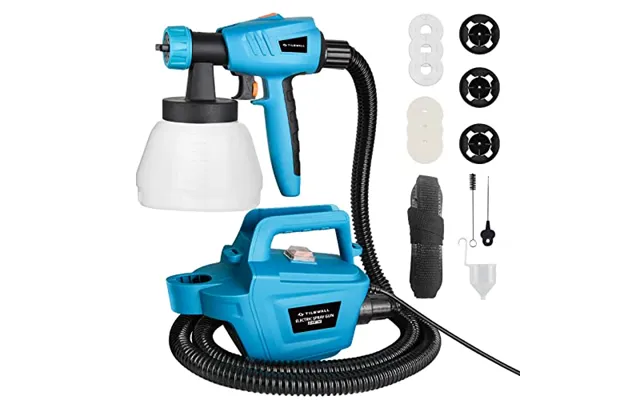
Turbine sprayers rely on a motor-driven air source and are popular with professionals who need portability and consistent air supply without hauling a compressor. Traditional compressed-air systems hooked to an air compressor still give superb finish control, but they require more equipment and setup space.
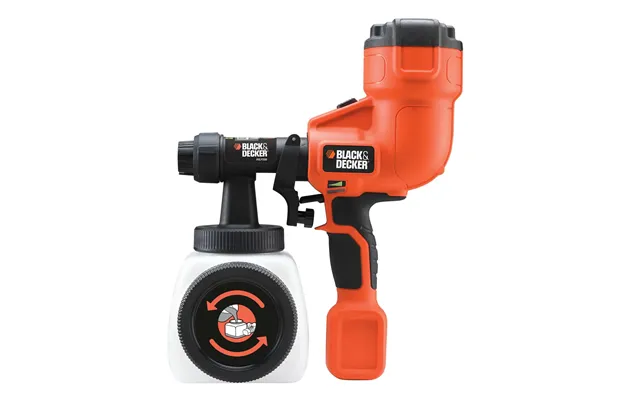
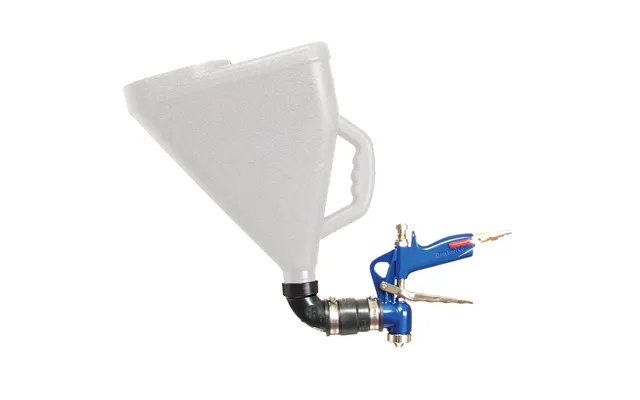
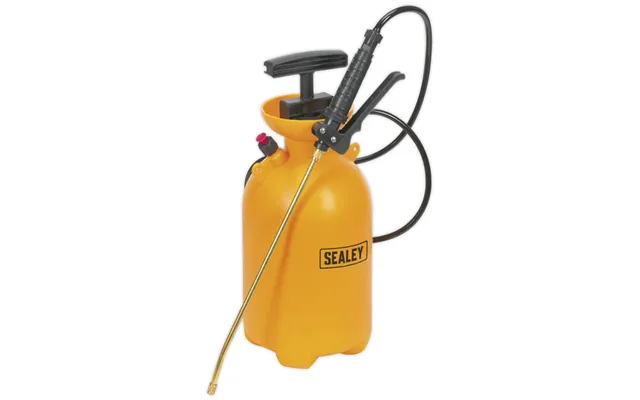
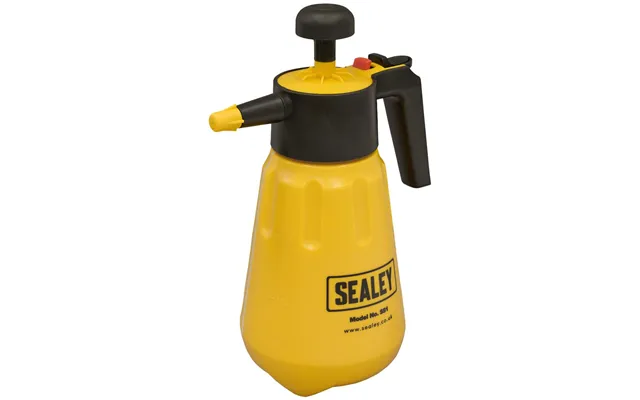
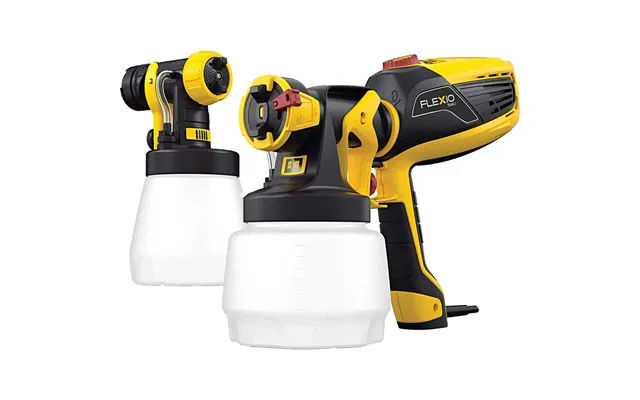
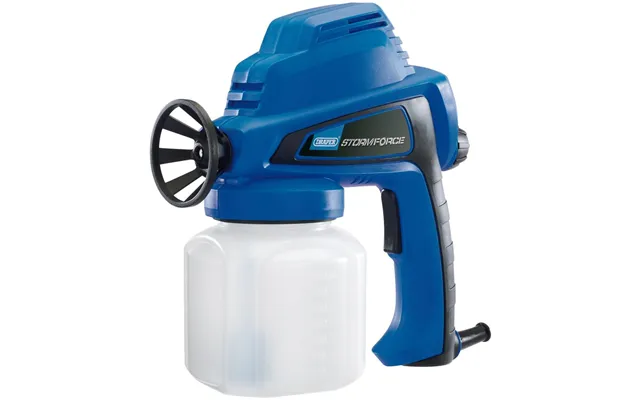
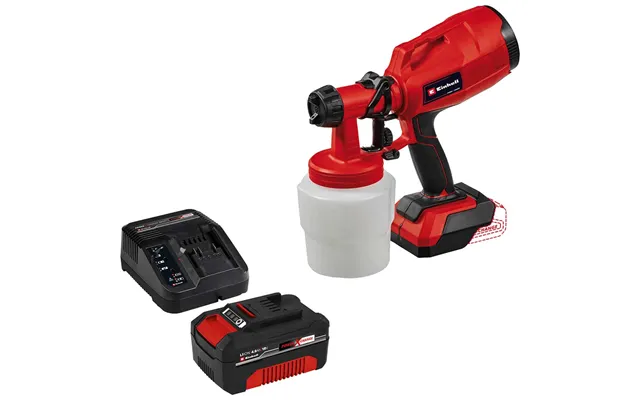
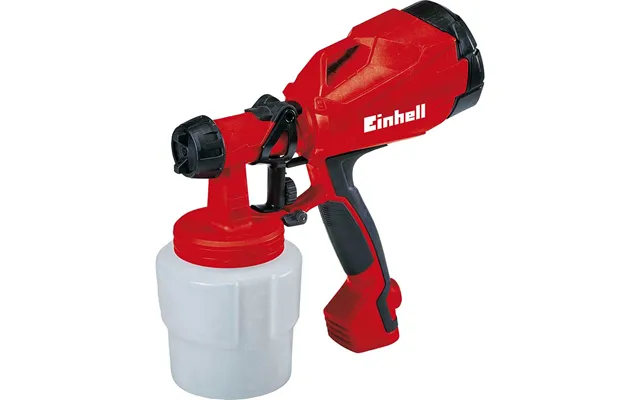
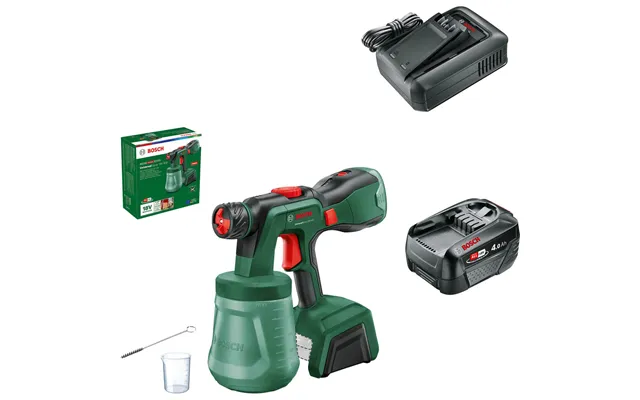
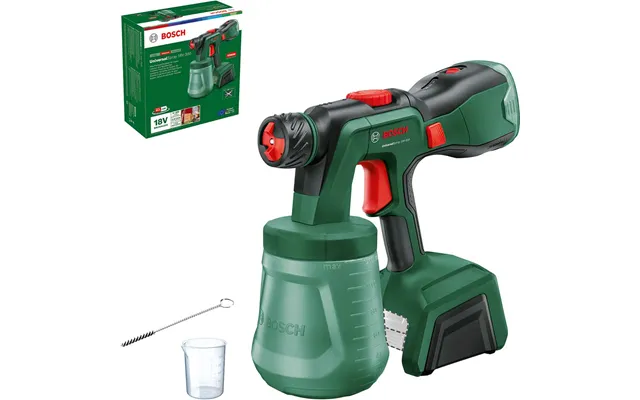
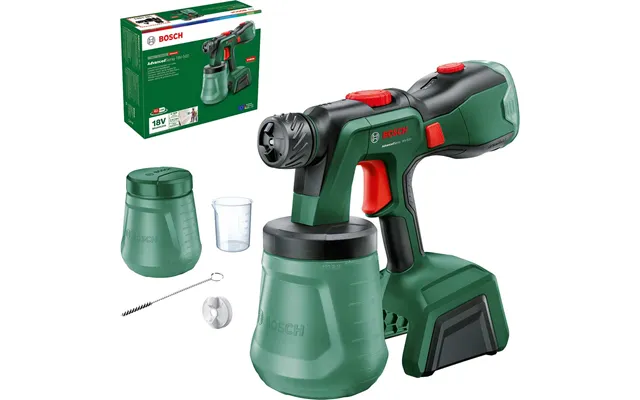
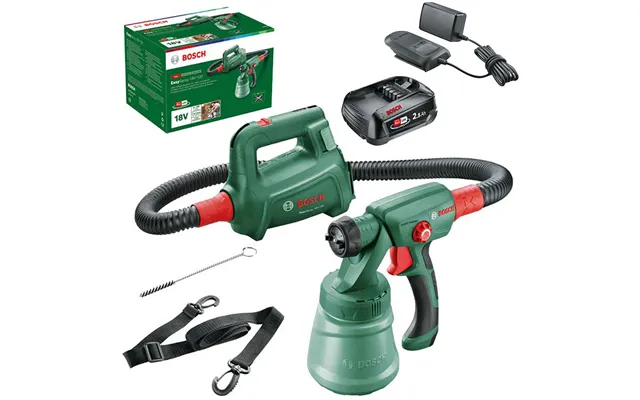
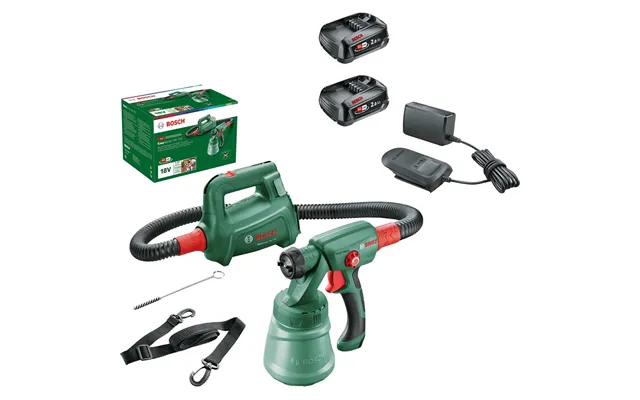
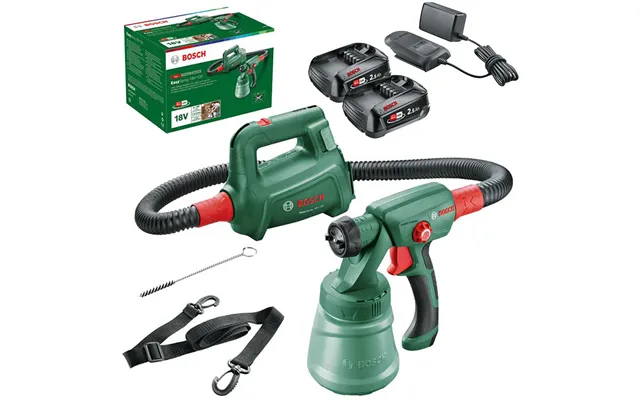
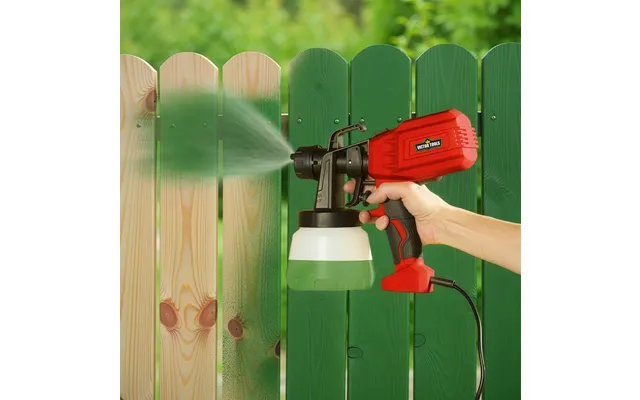
For small jobs and quick touch-ups, handheld corded or battery-powered sprayers are convenient. They’re lightweight, usually priced for budget-conscious buyers, and great for fences, small furniture pieces and odd jobs. While they won’t match an airless machine for speed on a whole house, they’re handy tools to keep in the garage.
Different projects demand different features. Here’s a quick guide to match tasks with sprayer types so you get the right tool for the job.
For painting exterior walls or a full house, an airless sprayer is almost always the right choice. You’ll cover large vertical surfaces quickly and handle thicker masonry or exterior paints without frequent thinning. Look for units that offer adjustable pressure so you can fine-tune the spray pattern for siding versus smooth render.
Fence and deck projects benefit from either an airless sprayer for speed or a handheld electric sprayer for smaller fences. If the wood is rough, airless machines will push stain or paint into crevices more effectively. For narrow slats and decorative fencing, the reduced overspray of HVLP or handheld sprayers can be helpful.
Cabinets and furniture demand a flawless finish. HVLP systems and turbine sprayers produce a soft, controlled pattern ideal for lacquers and thin finishing coats. These sprayers keep runs and orange peel to a minimum, especially when you practice consistent speed and distance.
Trim and doors are detail work. HVLP or small handheld sprayers give you the precision to coat narrow profiles and panes without excessive overspray. Paired with masking tape and a drop cloth, these sprayers will beat brushing for speed while still producing a professional look.
Choosing a sprayer isn’t just about picking the most powerful one. Look at nozzle sizes, pressure control, pump type, and ergonomics to find a machine that fits both your projects and your physical comfort.
Nozzle diameter (measured in inches) determines how thick the spray stream is and what materials you can use. Smaller tips (.007–.015 inches) are fine for thinner materials like stains and lacquers, while larger tips (.017–.031 inches) handle latex and thicker emulsions. Also consider adjustable spray patterns—vertical, horizontal and circular patterns give you versatility for different surfaces.
Pressure influences atomization and coverage. High pressure gives more power and faster coverage but increases overspray; lower pressure improves control and finish. Flow rates are often listed in gallons per minute (GPM). If you want to paint a house, aim for higher GPM; for furniture, a lower flow with precise control is better.
Hose length measured in feet affects your mobility. A longer hose gives more reach without moving the machine, which is handy for exterior jobs. Weight in pounds matters too—if you’ll carry the sprayer up ladders or move it around inside, choose something manageable. Many units balance a compact motor with a detachable container to keep the rig light.
Spraying paint means fine particles and overspray. Safety gear and a few accessories make the job cleaner and safer, and they improve the finish. Think of them as the small investments that protect your lungs, eyes and property.
A proper respirator (N95 or better), safety goggles, gloves and protective clothing are must-haves. For exterior work, a disposable hood or coveralls are inexpensive protection against mist. Drop cloths, masking film and painter’s tape keep windows and fixtures paint-free and make cleanup faster.
Many sprayers require paint strainers and inline filters to prevent clogged tips and specks in the finish. Keep spare tips and filters on hand, especially when you change colors or move between materials like primer and topcoat. A tip pack with a range of sizes gives you flexibility across projects.
A little cleaning after every job saves hours of troubleshooting later. Most sprayers need a flush-out with water for water-based products or mineral spirits for oil-based paints. Follow the manufacturer’s guidance, but as a rule: disassemble the tip and nozzle, strain leftover paint, remove filters and run a cleaning solution through the system until it runs clear.
Store sprayer units in a dry place and, if you’re not going to use them for a while, add a protective lubricant to seals and moving parts. For airless pumps, run a pump saver fluid through the system to protect seals during cold months. Label spare tips and keep them in a small, dry box so you don’t misplace them between jobs.
Budget, mid-range, and professional sprayers each serve different needs. Here’s a practical breakdown so you can set expectations and match your spending to your projects.
If you only need a sprayer for small fences, garden furniture or quick touch-ups, handheld electric sprayers in the under-£100 category offer value. They’re lightweight and easy to use, though they may need more thinning and deliver a less even finish than pricier models.
Mid-range sprayers include solid HVLP units and entry-level airless models. These machines are versatile enough for full kitchen cabinet makeovers and moderate exterior work. You’ll get improved durability, better spray control, and often a wider selection of nozzle sizes in this range.
Professional airless sprayers and turbine systems sit in this bracket. If you’re a contractor or tackling a whole-house redecoration, these models deliver speed, long running times and spare-part availability. They’re heavier on initial cost but pay back in time saved on big jobs.
Different paints behave differently in a sprayer. Water-based acrylics and emulsions often require different nozzle sizes than oil-based paints, varnishes and stains. Airless sprayers are generally forgiving with thicker masonry paints and exterior emulsions; HVLP systems prefer thinner coatings or those that can be thinned safely. Always check the paint can for thinning guidance and run a test spray on scrap wood before tackling the main surface.
Ask yourself: how big is the surface, what finish quality do I want, and how often will I use the machine? For one-off small jobs, a budget handheld unit is fine. For furniture and cabinets, aim for HVLP. For exterior siding, fences or whole-house jobs, go airless. Also consider storage, cleaning time, and whether you’ll need accessories like a compressor or extra hoses.
Several reputable brands make reliable sprayers suitable for UK buyers. Look for machines with a good parts network, available spare tips, and positive user reviews focused on durability and ease of cleaning. Brands that support multiple nozzle sizes and offer adjustable pressure controls tend to give the best long-term value.
Before you click buy, run through this checklist: Is the sprayer suitable for the paint type? How easy is it to clean? What are the available nozzle sizes? Is the weight manageable for your intended use? Does the supplier offer replacement parts and a simple warranty? Answering these makes the choice clear and reduces surprises on the day of painting.
Practice on scrap material first, move the gun at a steady pace, and keep a consistent distance—usually 8 to 12 inches—for even coverage. Overlap each pass by about 30 to 50 percent to avoid streaks. For vertical surfaces, work top to bottom to catch drips and maintain a wet edge to prevent lap marks. Small adjustments in speed and distance will dramatically improve the finish.
Investing in the right paint sprayer means balancing finish quality with speed and ease of use. If you value a flawless finish for indoor furniture and cabinets, choose HVLP. If you need to cover big exterior surfaces fast, go airless. And if you’re a casual DIYer, a handheld sprayer will handle the occasional fence or chair. With the right protective gear, accessories and maintenance routine, a paint sprayer will become one of the most useful tools in your kit, saving you time and giving your projects a professional polish.
Now that you know the differences and what to look for, pick the type that matches your projects and practice a little. Once you’ve mastered spray technique, you’ll wonder how you ever managed with rollers and brushes.