All categories
Business & Offices
Electronics & Media
Fashion & Accessories
Groceries & Essentials
Health & Personal Care
Home & Living
Kids & Family
Sports & Outdoors
Search in ZoneOffer
Loading...
If you've ever watched a skilled bricklayer or mason at work, you've probably noticed a taut string stretched along the course of bricks — that's a construction line, and it's the simple secret behind perfectly straight walls and even mortar joints. A construction line is more than a string; it's a guiding spine that saves time, reduces waste, and keeps your masonry looking professional. Whether you're building a garden wall, repairing a chimney, or laying block, the right line keeps every course true and every corner square.
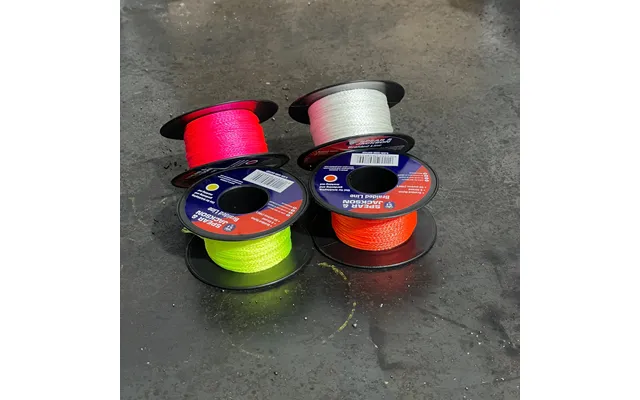
There are several varieties of lines used in masonry and construction, each designed for different tasks. Choosing the right type depends on the job size, environment, and how often you plan to use it. Below are the main categories you'll encounter.
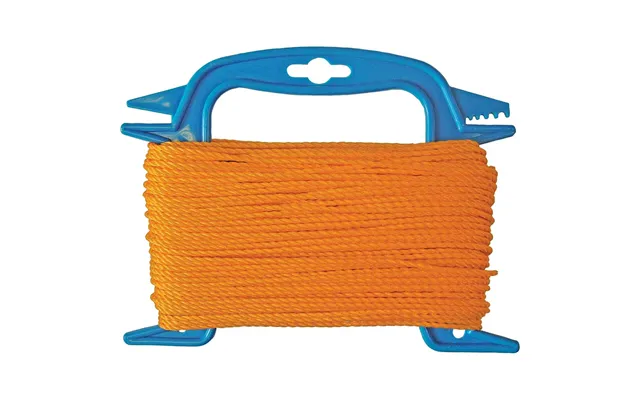
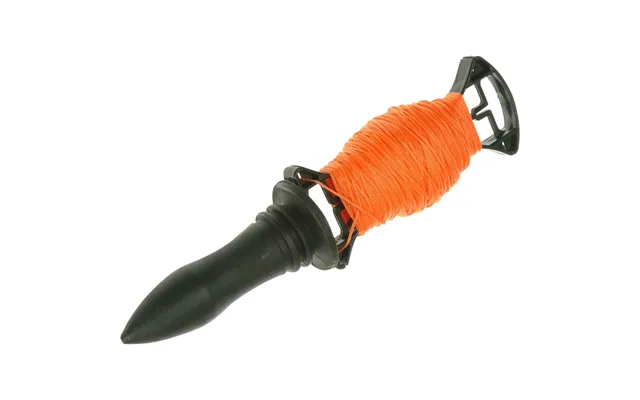
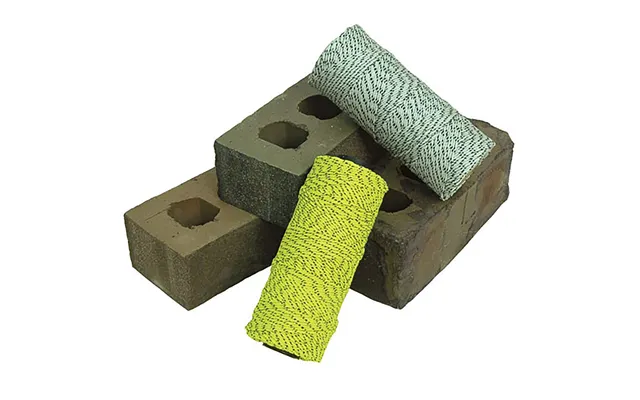
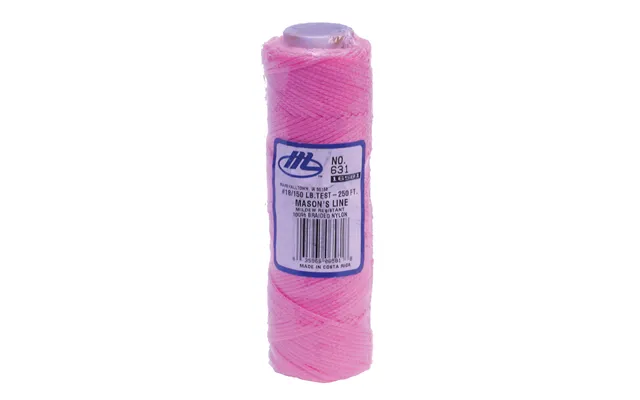
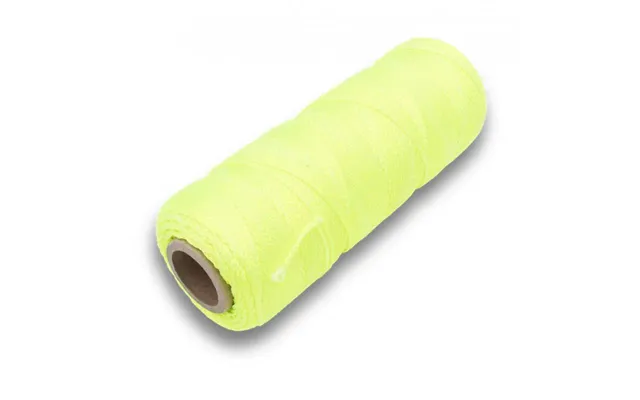
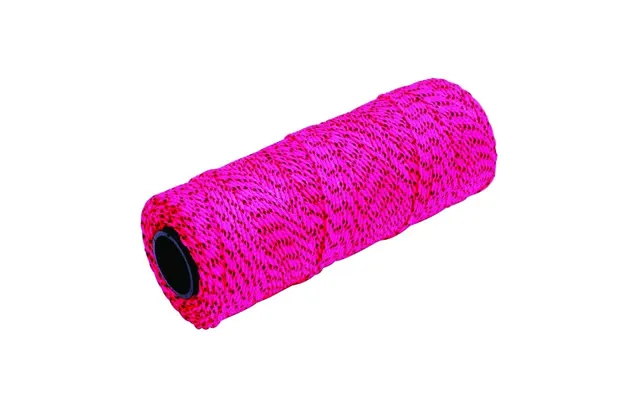
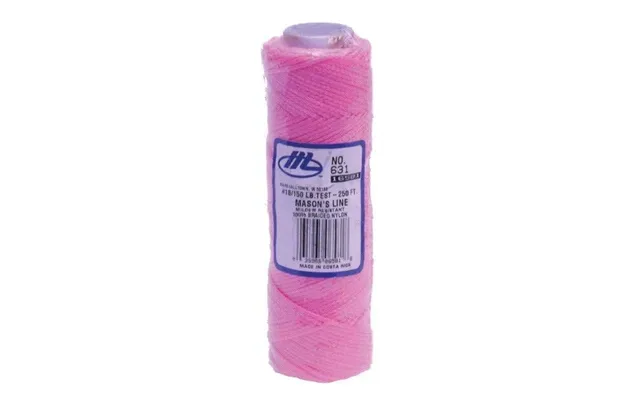
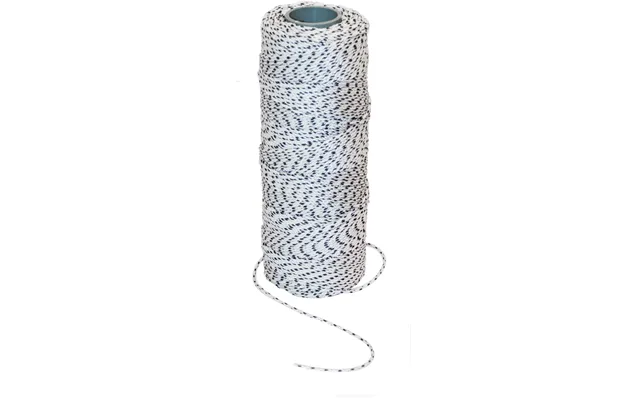
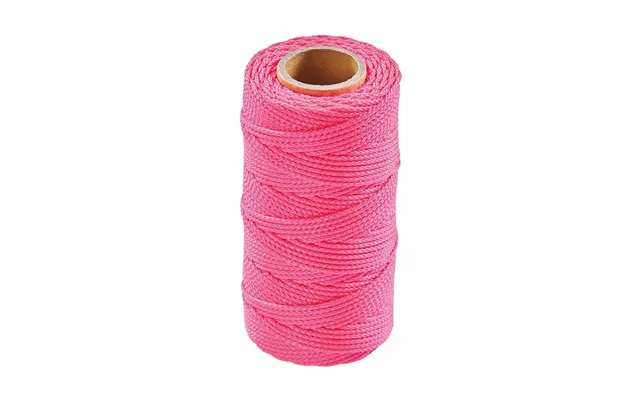
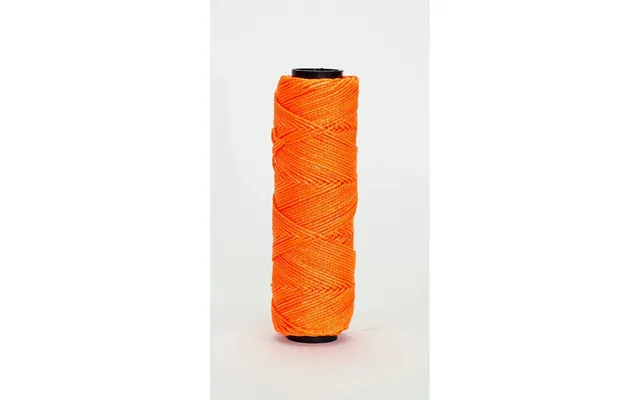
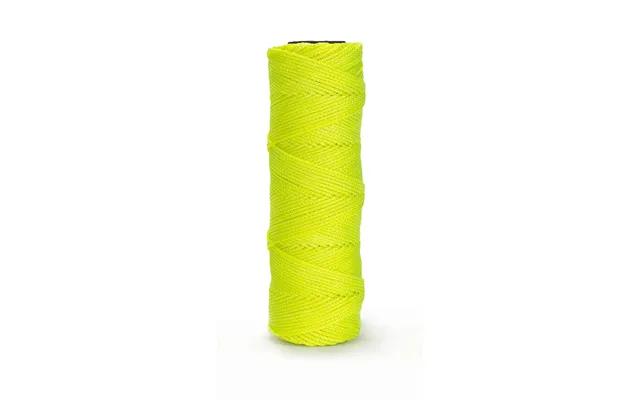
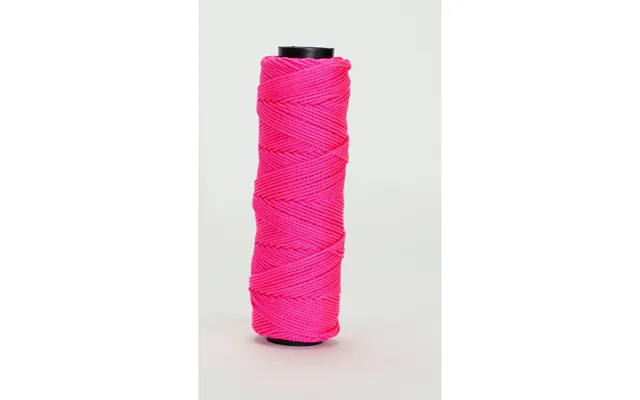
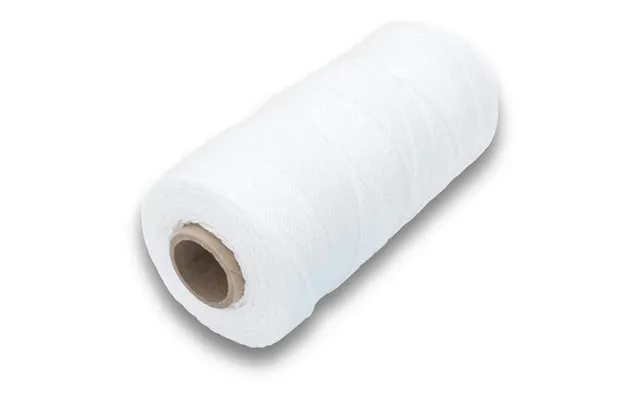
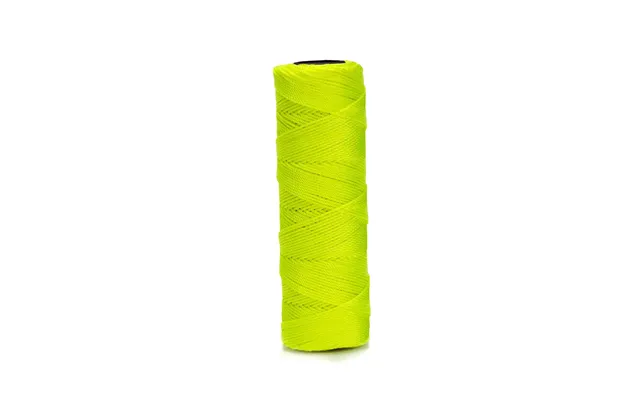
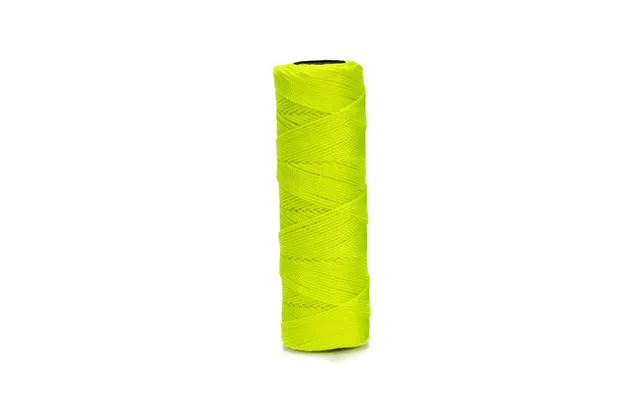
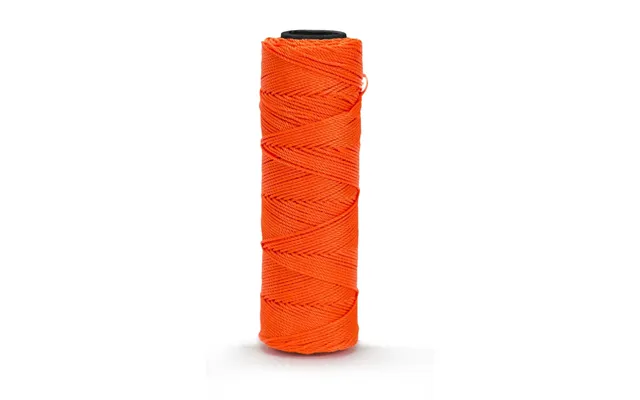
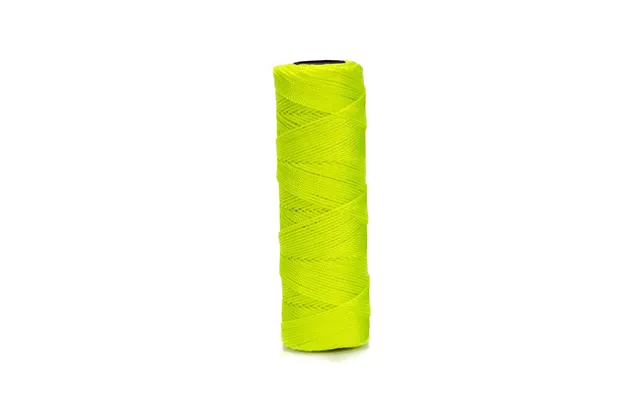
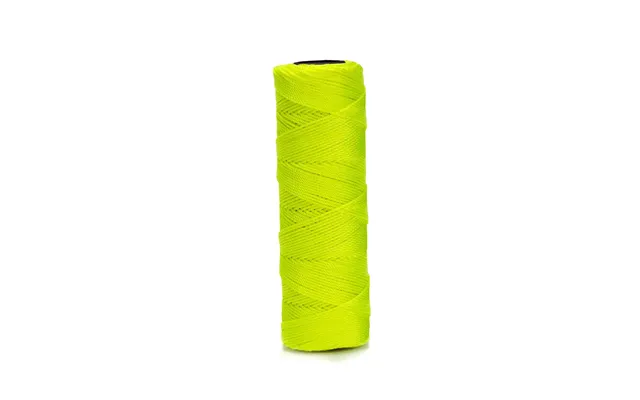
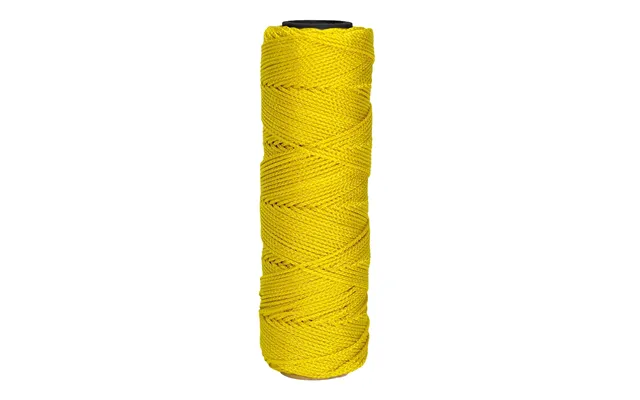
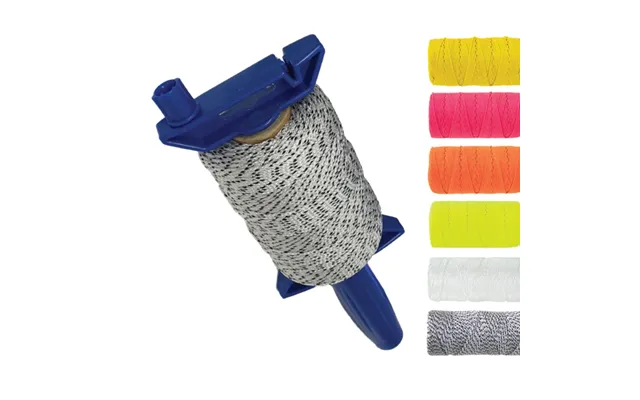
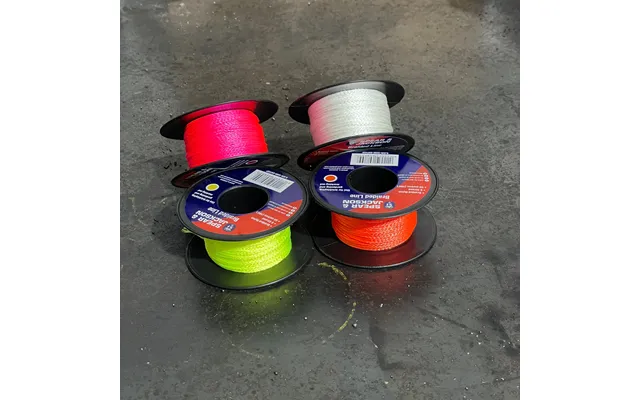
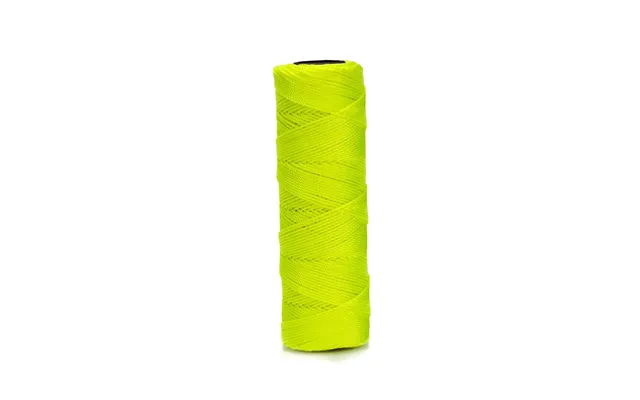
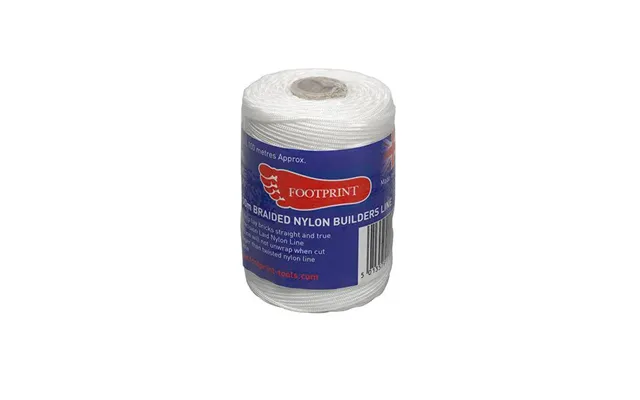
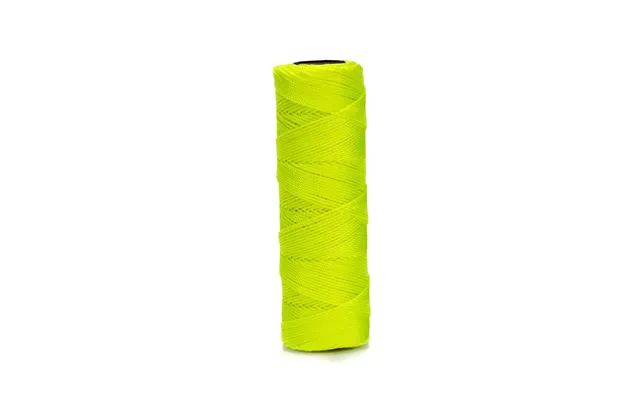
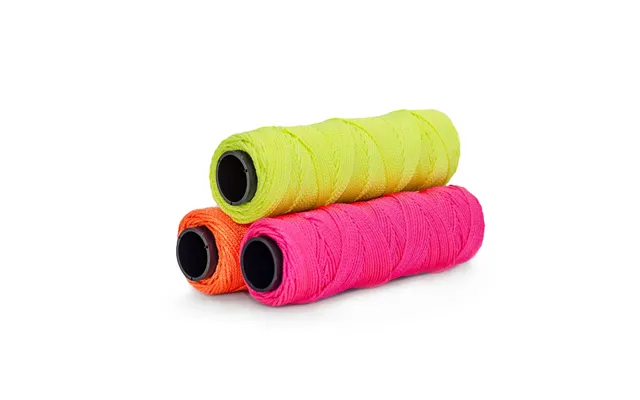
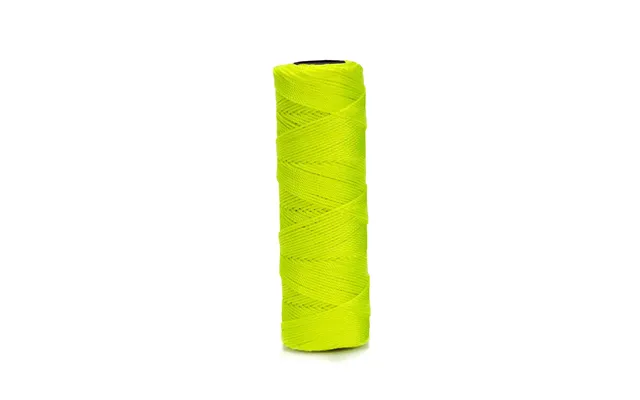
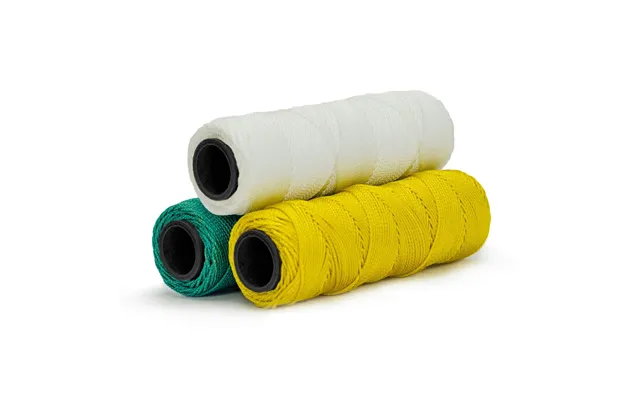
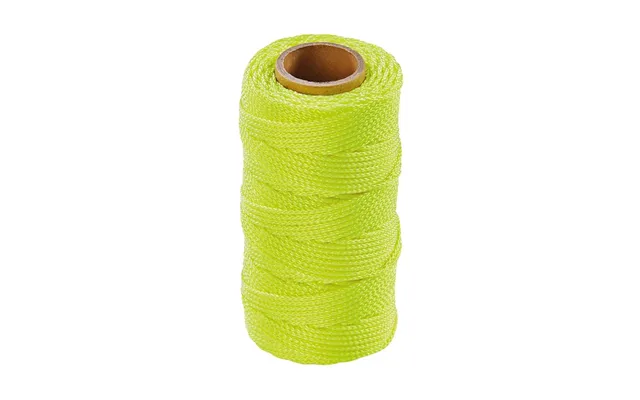
Mason's line is the workhorse of bricklayers. Typically made from braided polyester or ultraviolet (UV)-resistant fibers, these cords are available in common lengths like 50 ft and 100 ft. They offer low stretch and good abrasion resistance, so you can tension them tight without sagging. Most have tensile strengths measured in pounds — expect anything from 200 lb for lighter lines to 600 lb for heavy-duty cords.
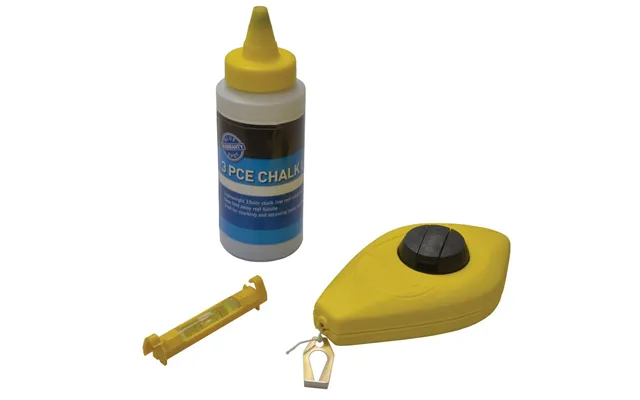
Chalk line reels are great when you need a temporary visual guide across wider surfaces. The line inside a reel is coated with chalk dust; snap it against a surface to leave a crisp straight chalk mark. Reels are typically sold with 30 ft to 100 ft of line and are invaluable for marking large patios or foundation layouts before you start laying units.
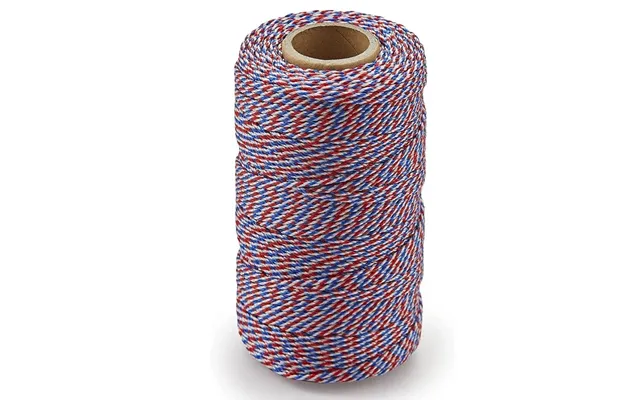
Twine or cotton lines are cheaper and biodegradable, useful for short-term or interior work where durability isn’t critical. They stretch more and wear faster than synthetic cords, so they’re not ideal for long runs or outdoor work where UV exposure is high.
For high-precision tasks, a laser level combined with a visible laser line can replace traditional string in many situations. Laser lines are perfect for aligning tall walls or checking vertical plumb across long distances. That said, lasers don’t replace a physical string when you need a tactile guide to lay mortar and bricks directly against.
Good accessories make a good line great. Line blocks, pins, and reels help you tension, anchor, and protect the line so it stays true under strain and weather.
Line blocks clamp the string at the corner and allow you to tension the line precisely. Brass or zinc-plated blocks resist corrosion and are favored for outdoor jobs. A quality block protects the line from abrasive mortar and lets you set perfectly straight courses even when working at odd angles.
Line pins (sometimes called line nails) secure the string at the ends when there's no solid corner to tie to. For temporary posts, use wooden stakes driven into the ground, then loop the string and tension. For hard surfaces, small screw-in anchors or masonry nails will do the job. Make sure pins are sturdy — a snapped line at the middle of a course is an instant time sink.
Keep extra chalk cartridges for your chalk line reel. Fine, medium, and coarse chalk options are available; fine chalk gives a crisp mark on smooth surfaces, while coarse chalk shows better on rough stone. Having spare reels or lines in different colors can also help differentiate layout lines from other guide marks on busy sites.
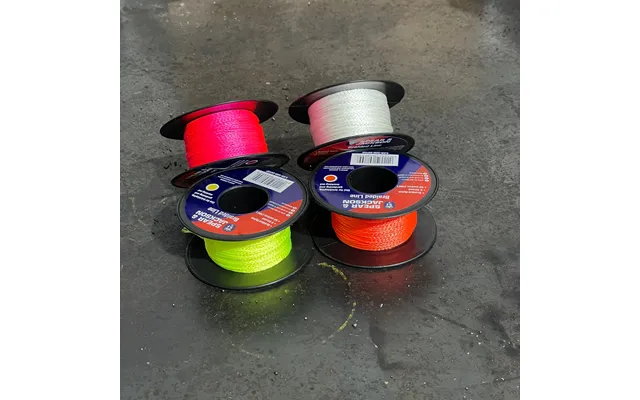
How long should your construction line be? It depends on the job. For garden walls, a 50 ft line is often enough. For foundations, fences, or long retaining walls, 100 ft will be more practical. Tensile strength matters too — you want a line that can withstand being pulled tight and abraded against mortar or brick edges without snapping.
Common choices are 50 ft and 100 ft lines. For general masonry work, a 100 ft polyester line with a 400–600 lb tensile rating is a safe bet. For occasional or light-duty use, a 200–300 lb line may be adequate. If you plan to carry the line in a tool belt or throw it over rough edges, choose a thicker braided cord rated higher in pounds for peace of mind.
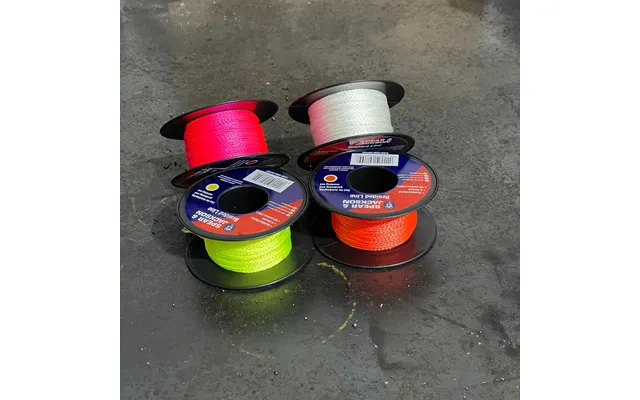
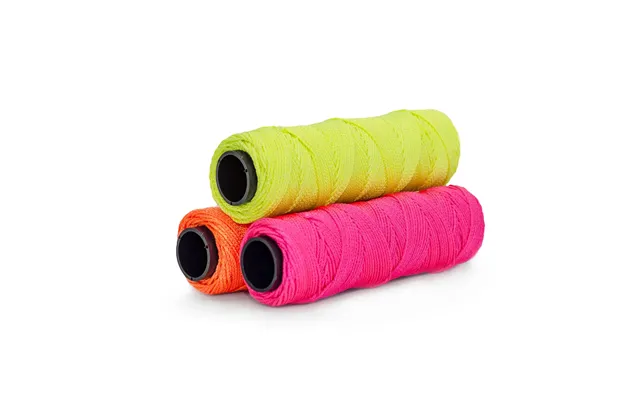
Getting the line right is as important as the bricks you lay against it. Here’s a step-by-step workflow that pros follow for a straight, consistent course.
Start by setting your corner points with stakes or anchors. Use a spirit level or laser to get the corner perfectly plumb and square. The first course sets the tone; if your base is off, everything above will be too.
Attach a line block at the corner working edge and feed the line across to your opposing corner. Tie the line or secure it with a block, then use a tensioner to draw the string tight. The string should sit just above the face of the brick, usually a fraction of an inch above the head joint so you can bed the brick up to the line without interference.
If using a chalk line, snap the mark and then use a level to confirm the line's vertical and horizontal alignment. If working over long distances, check the line in sections to account for minor sags or interference.
Tension can change as the line rubs against wet mortar or when the sun heats a synthetic cord. Re-tension the line every few courses and after any major run of work. Small adjustments now prevent big errors later.
Laser alignment tools have become common in modern construction, but a good string still has advantages. Let's compare the two so you can decide which is best for your project.
A taut string provides a physical guide that bricks can be pushed up against, which makes it excellent for hands-on laying. It’s inexpensive, low-tech, and reliable in windy, dusty, or wet conditions. Plus, string is easy to replace on-site if damaged.
Lasers offer unparalleled accuracy for vertical plumb and long horizontal runs, especially when working at heights. They eliminate human error in sighting and are perfect for checking entire elevations quickly. However, lasers can be affected by bright sunlight, require batteries or power, and don’t provide the physical edge a string does when laying mortar.
Not all lines are created equal. When you're comparing options, focus on materials and protective features that translate to longer life and better performance on the job.
Sunlight breaks down many synthetic fibers over time, so UV-treated lines are worth the extra cost if you work outdoors regularly. Look for lines specifically labeled UV-resistant or weatherproof. Polyester blends with UV inhibitors can last many seasons without losing strength.
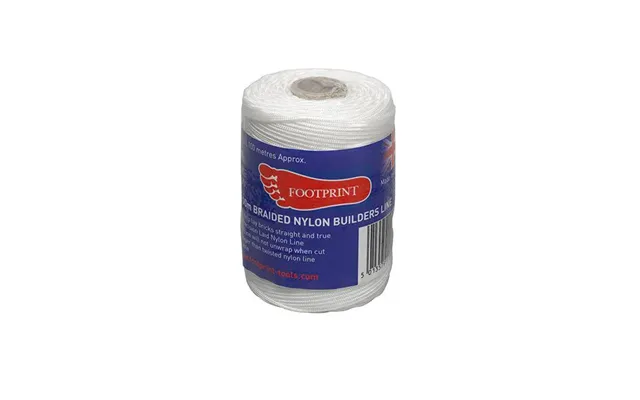
Braided lines resist fraying better than twisted twines, and a tight weave reduces the chance of snagging on mortar or rough brick edges. Some premium lines have a polyester outer sheath over a high-strength core for the ultimate in abrasion resistance and minimal stretch.
A little care goes a long way. Proper storage and cleaning keep lines working reliably and save money in the long run.
After a day’s work, wipe excess mortar from the string and reel. If the line gets saturated, let it dry thoroughly before coiling to prevent mildew and deterioration. Avoid sharp bends that can create memory in the cord, reducing its ability to lie flat when stretched out.
Store lines on reels and keep them in a dry toolbox or bag away from direct sunlight. Carry spare reels, extra chalk cartridges, and a couple of replacement pins or stakes — small items that can halt progress if forgotten.
Beyond the basics, some accessories can make a big difference in speed and accuracy on site. These are small investments that pay off in time saved and fewer mistakes.
Line levels clip onto the string and give a quick read on level or plumb. Magnetic clips can attach to metal ties or formwork and allow you to maintain alignment without constant manual adjustment. Together, they speed up the setup process and reduce second-guessing.
If you’re running a line repeatedly across sharp corners or through abrasive mortar, protective sleeves prevent the line from fraying. Edge guards for reels protect inner mechanisms from grit and prolong the life of the reel’s spring and clutch.
When shopping for construction lines, compare length, tensile rating, material, and included accessories. Think about your typical job: are you building short garden walls, or long perimeter fences? Do you often work in sun or rain? Use these answers to guide your choice.
- Choose a length that covers the longest run you'll face, with some spare to tie off. Often 100 ft is the best all-around option. - Look for a tensile rating that matches the abuse expected; 400–600 lb is a solid range for pro use. - Prefer braided polyester or layered cord for durability. - Confirm the reel is comfortable to hold and has a reliable clutch. - Buy extra line blocks and pins so you can move between corners quickly without losing setup time.
Here are a few pro tips you won’t find on product labels but will save you time and headaches on the job.
Always check your reference points twice before snapping a chalk line. It’s quick insurance against wasted materials and rework.
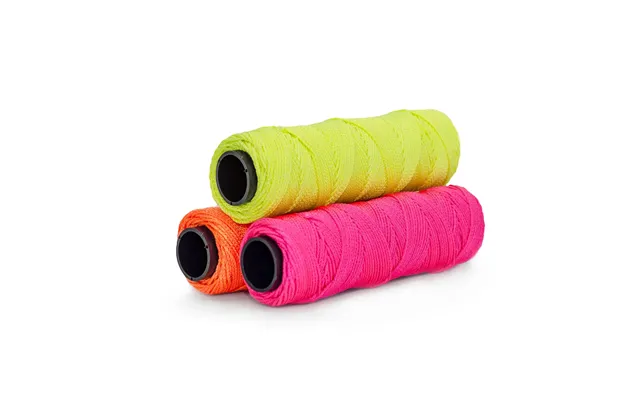
If you’re laying multiple courses or mixing materials, use different colored lines or chalk to mark reference courses, cutting lines, and mortar-free zones. It keeps the site organized and reduces confusion among crew members.
For long runs or important elevations, run a second line slightly offset. If the primary line fails, the back-up keeps work moving and can be used to verify alignment between points.
Construction lines are one of the simplest yet most powerful tools in a mason’s kit. They’re inexpensive, easy to use, and they transform a novice’s work into something that looks crafted. Whether you choose a heavy-duty braided mason’s line, a handy chalk reel, or a high-tech laser, focus on durability, correct length, and accessories that match your workflow. A little planning and the right line will save you time, materials, and frustration — and the finished wall will speak for itself.
Ready to pick the line that fits your next project? Compare options, read user reviews, and match features to your typical jobs to get the best value. With the right setup, you’ll be laying straight courses faster than you expected.
Construction lines are deceptively simple tools that deliver big results. From choosing the right material and length to using the right accessories and maintenance routine, every decision impacts the accuracy and longevity of your work. Whether you’re a DIY enthusiast building a small garden wall or a professional contractor tackling large projects, invest in a good line, protect it, and it will repay you in speed, precision, and fewer reworks. Keep a spare reel in your kit, use protective sleeves where needed, and recheck your tensions often — small habits that lead to professional outcomes.
| Construction Lines | Price | |
|---|---|---|
| Faithfull Fai306 30m Ranging Line Orange | £ 3,05 | |
| Faithfull Faiblreel Brick Line On Spool 75m Orange | £ 3,60 |