
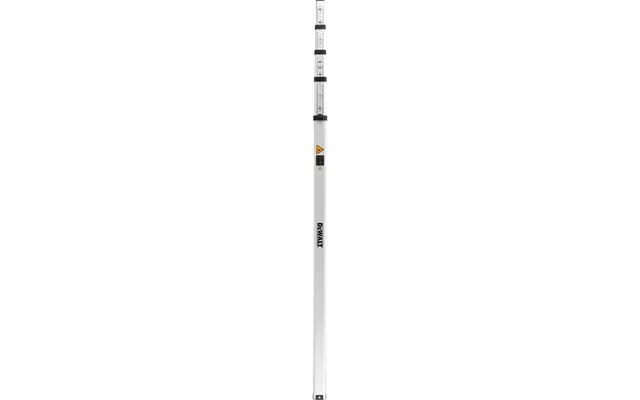
Cruising Rods price list
Last updated Sunday, 27 Sept 2026
| Cruising Rods | Price |
|---|---|
| Dewalt De0734 Aluminium Grade Rod | £59.95 |
| Dewalt De0734 Aluminium Grade Rod | £59.95 |



Loading...
Last updated Sunday, 27 Sept 2026
| Cruising Rods | Price |
|---|---|
| Dewalt De0734 Aluminium Grade Rod | £59.95 |
| Dewalt De0734 Aluminium Grade Rod | £59.95 |
If you’ve ever tried to measure long distances in your yard, check grade on a garden bed, or mark out a new fence line, you know how clumsy tape measures can be. A cruising rod—also called a measuring rod, range pole, or leveling staff—is a purpose-built pole that makes long-distance measurement and sighting easy and accurate. Think of it as a steady arm that holds measurements at eye level while you use a level, transit, or laser distance meter. Whether you’re a weekend landscaper, a small contractor, or someone mapping out a patio, a cruising rod speeds up the job and reduces guesswork.
Gardeners use cruising rods to check slopes and terrace heights, while landscapers rely on them for planting plans and grading. Builders and surveyors use heavier-duty rods to work with levels and total stations. Even hobbyists who want to lay out a DIY pond or a deck find cruising rods invaluable. In short, if your project involves distances longer than a couple of feet or requires consistent height references across an area, a cruising rod will feel like a small miracle.
There are three main styles you’ll see: fixed-length staff rods, telescopic poles, and sectional rods that screw or clamp together. Fixed rods—often 10 ft or 16 ft—are rigid and simple, best when you always need the same length and want minimal setup. Telescopic rods collapse down to a short travel size, expanding to 6 ft, 10 ft, or more; these are fantastic for portability and storage. Sectional rods come apart for transport and reassemble on site, allowing custom lengths. Your choice depends on how often you move between jobs, how much storage space you have, and whether you need very specific lengths for precision tasks.
Material matters for weight, durability, and electrical safety. Fiberglass rods are common because they’re lightweight, non-conductive (safer around power lines), and weather-resistant; a typical telescopic fiberglass pole might weigh under 3 lb when collapsed. Aluminum rods are strong and inexpensive but can dent and conduct electricity, so you should be cautious near live lines; expect an aluminum 10 ft rod to weigh around 4 lb. Carbon fiber combines low weight and stiffness and is prized for pro-level gear, though it costs more—carbon fiber rods can shave pounds off your pack if you’re climbing or traversing rough terrain. Choose the material that matches your job site risks and comfort level.
Don’t just buy the prettiest pole—look for the practical extras. Clear graduation markings (in feet and inches) that won’t rub off are essential for accurate readings. A bubble vial or sighting target near the top makes aligning with instruments faster. Quick-lock clamps or smooth twist-locks determine how fast you can extend and secure telescopic sections; a good clamp design avoids slipping, which otherwise costs you accuracy. Also check the rod’s base: a pointed foot helps on turf, while a flat rubber tip protects finished surfaces. These small features add up to smoother, faster workdays.
Length is one of the first decisions: a 6 ft telescopic rod is handy for small landscaping tasks, while a 10 ft or 16 ft fixed rod suits larger grading jobs. Many rods offer dual graduations so you can read in full feet and inches or in tenths for decimal-style measurements. If you pair a rod with a laser, make sure the visible target is big enough and the graduations are easy to read at a distance. Remember that longer rods can be harder to handle in wind, so consider trade-offs between reach and control. For most home landscaping, a 10 ft telescopic rod hits the sweet spot between portability and reach.
A rod is rarely used alone. Tripods stabilize lasers and prisms, and a rod-mounted target or reflective prism allows you to use a total station or laser level with greater accuracy. Carrying cases and shoulder straps protect the rod in transit, and padded clamp mounts let you strap the rod to a ladder or stake. For long projects, a magnetic target or brightly colored range flag improves visibility, while anti-slip collars or foam grips reduce vibration when you’re holding the pole unsupported. These accessories turn a simple pole into a full measuring system.
Laser distance meters are great for quick point-to-point measures, but a cruising rod lets you bring a reference point to exactly the right height, making laser readings repeatable. Use a rod with a reflective sticker or prism when working with surveying equipment. If you’re using an optical level, the rod’s clear graduations and flat face will speed up readings. Combining tools makes your work faster and more professional—like using a tripod with a camera instead of trying to hold it steady with one hand.
Budget matters, but so does matching the tool to the job. If you’re a homeowner who measures flower beds and fence lines once in a while, a reliable telescopic fiberglass rod under $100 will give you years of use. For landscaping pros who need daily durability, look for heavy-duty aluminum or carbon fiber options with reinforced joints and a sturdy carrying system—expect to pay more, but you’ll get time savings and fewer replacements. For surveyors, invest in precision rods with certified graduations and compatibility with prisms and total stations. Think long-term: a slightly pricier rod that lasts five years will often cost less than replacing a cheap one every season.
Even on a tight budget you can score features that matter: clear printed (not just painted) graduations, a decent locking system, and either a rubber or pointed foot depending on your ground type. Avoid rods with flimsy twist locks that strip out after a season. Look for brands that offer replacement parts like clamp assemblies or foot tips. A simple carrying case is a small extra cost that protects your investment and keeps the rod functional longer.
Holding a cruising rod steady seems simple, but a few habits transform accuracy. Brace the pole with your hip when you’re standing, or use a small footrest or stake when you need a hands-free reference. When reading graduations, get your eye level with the mark to avoid parallax error—this is the same trick you use when leveling a picture frame. Use a contrasting target or flag at the top on bright days so you can see the rod tip from distance. And if wind is a problem, reduce the pole’s exposed length and take multiple readings to average out any movement.
Don’t extend only some sections of a telescopic rod and assume the result is straight—fully extended rods lock better and measure truer. Avoid resting the rod on unstable surfaces or on top of objects that can shift. Never use a metal rod near overhead power lines; always choose non-conductive fiberglass or carbon fiber in those environments. Finally, don’t skip routine checks: ensure clamps are tight and graduations are visible before every job.
A little TLC goes a long way. Rinse off mud and grit after use to avoid abrasive wear on locks and slides. Lubricate twist-locks sparingly with a silicone spray to keep them smooth; avoid oils that attract dirt. Store rods collapsed in a padded case or hung vertically in a dry spot so they don’t bend under weight. If you use the rod in salty or wet environments, rinse with fresh water and dry completely to prevent corrosion on metal parts. Proper care preserves graduations and keeps readings accurate season after season.
Use a hard or padded carrying case for travel, especially for sectional or telescopic rods. Fasten the rod to your vehicle’s roof rack and protect it with a soft wrap if you must transport it outdoors. For airline or courier transport, disassemble sectional rods and wrap sections individually. A small strap or leash preventing the rod from sliding in its case prevents scratches and dings. Treat the rod like a delicate instrument: gentle handling saves replacement costs later.
There isn’t a one-size-fits-all “best” rod—only the best for your needs. For casual yard work, a 6 ft to 10 ft telescopic fiberglass rod with printed graduations offers a low-cost, low-weight solution. For professional landscaping, consider a 10 ft or 16 ft sectional rod with reinforced joints and a carrying harness. Surveyors will often pick certified telescopic rods with prism mounts or compatible adapter plates. If you want alternatives, laser distance meters and digital levels replace some rod tasks, and smartphone apps can approximate distances for rough planning, but they don’t replace the physical reference and repeatability of a good cruising rod.
Comparison shopping helps you weigh specs like material, lock type, and included accessories side by side. Look for review sections that show real-world use, and compare warranty and replacement part availability. If you’re buying online, check dimensions in feet and inches and product weights in pounds to ensure you can handle what you order. Comparing like-for-like—such as a telescopic fiberglass 10 ft rod against other telescopic fiberglass 10 ft rods—keeps the decision clear and avoids buyer’s remorse.
Ask yourself how often you’ll use the rod, where you’ll use it, and whether you need accessories such as a carrying case or prism. If you travel between jobs or climb steep terrain, prioritize weight and portability. If you work on construction sites with heavy wear, prioritize durability and a strong warranty. Compatibility with other tools—tripods, lasers, prisms—is key if you already own equipment. With the right choices, a cruising rod becomes one of those tools you wonder how you ever lived without.
Cruising rods are deceptively simple tools that bring big gains in accuracy, speed, and confidence whether you’re planning a garden, grading a yard, or carrying out a professional survey. By matching material, length, and lock type to your projects, and by pairing the rod with the right accessories, you’ll streamline measurements and get better results. Prioritize clear graduations, secure locking systems, and the right balance between portability and reach. With a little care and the right buying strategy, the cruising rod you pick will serve you reliably for years.