
Post Hole Diggers price list
Last updated Sunday, 27 Sept 2026





View 26 Offers
Loading...
Last updated Sunday, 27 Sept 2026
A post hole digger is the unsung hero behind sturdy fences, neat mailboxes, and pergolas that don’t wobble when the wind picks up. Whether you are setting posts for a garden trellis or laying out a long boundary fence, the right tool turns a backbreaking weekend into a smooth afternoon job. From manual clam-shell diggers to powered augers with serious torque, there is a wide range of options designed to match your soil, your strength, and your budget. The goal is simple: clean, round holes at the right depth and diameter, made faster and with less effort.
Shopping for post hole diggers can feel like standing at a fork in the road with five different paths. Which way should you go? The answer depends on how many holes you are digging, how big they need to be, and what kind of ground you are facing. Manual tools shine for small jobs and soft soil. Powered augers make quick work of big projects or clay-heavy yards. Attachments for tractors and skid steers tackle large properties and professional workloads. Let’s break down the main types so you can zero in on the best match for your project.
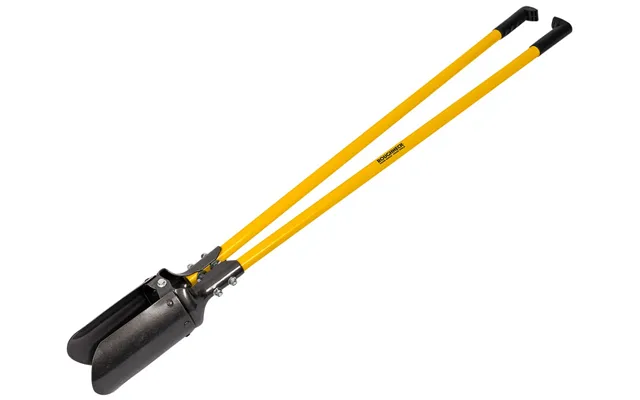
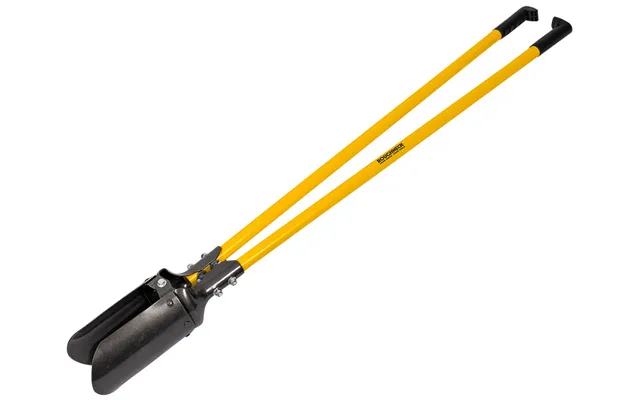
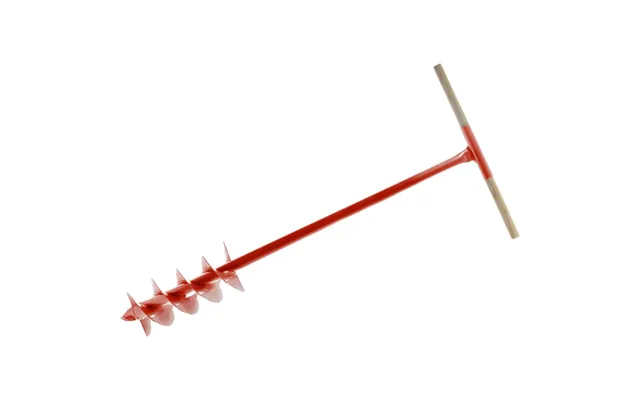
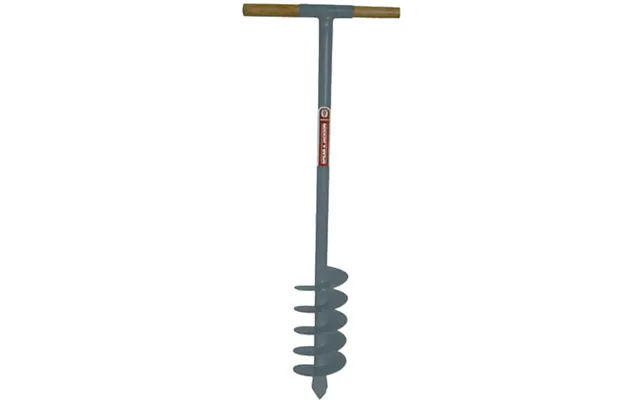
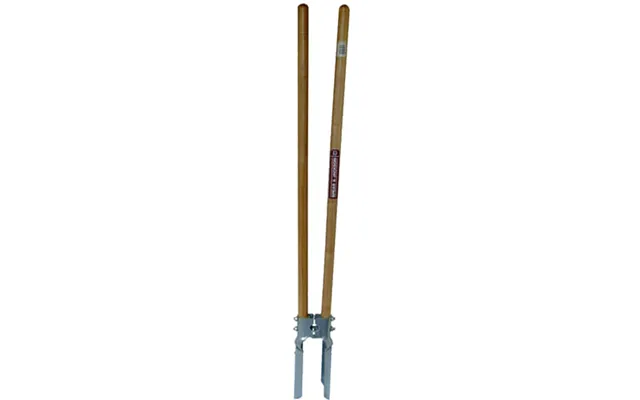
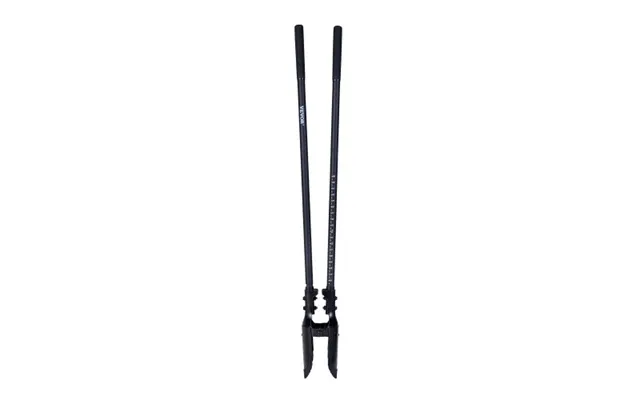
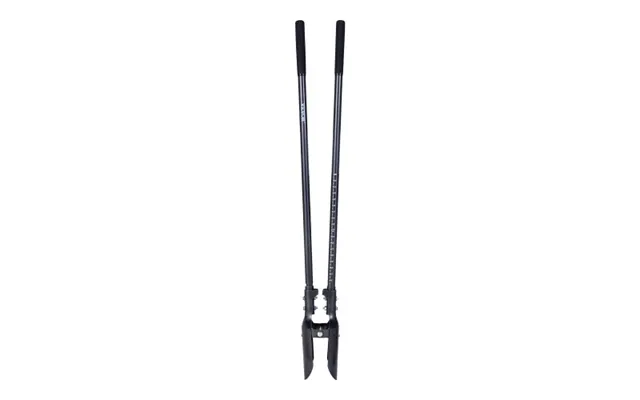
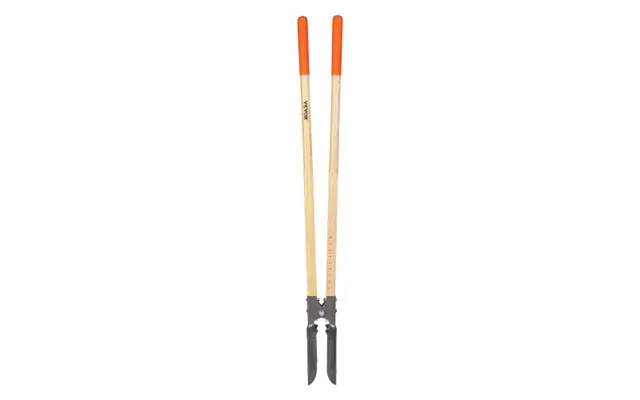
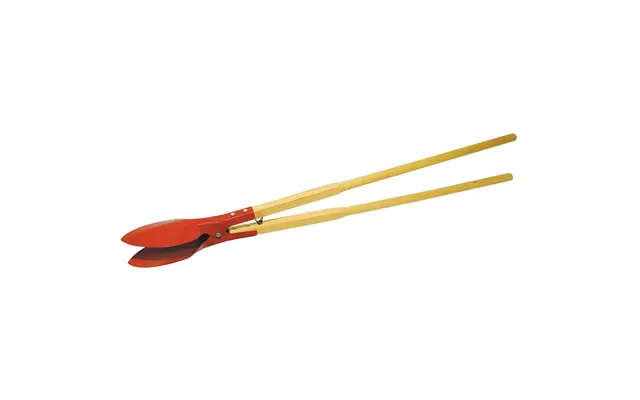
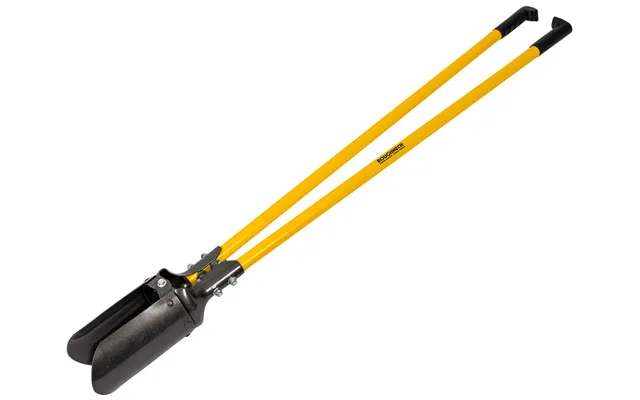
The classic manual post hole digger—two handles with a pair of scooping blades at the bottom—remains a favorite for light duty. You jab, spread, and lift out soil, repeating until you reach your target depth. It is quiet, affordable, and great for a handful of holes in soft to moderate soil. Look for steel blades, reinforced pivot points, and comfortable grips to save your hands. Some models add a scissor-style gear or offset handles to improve leverage, which helps when digging deeper than 2 ft without fighting the tool.
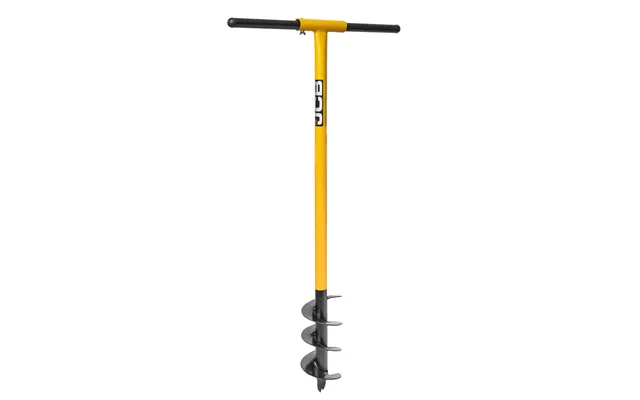
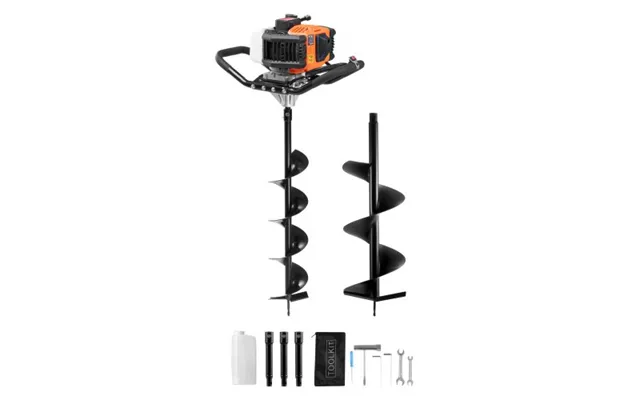
Gas-powered augers are the step up when you need speed and muscle. One-man units are designed with manageable weight and balanced handles, letting a single user drill clean holes quickly. Two-man models bring more power for larger bits and tougher ground, with dual handles for control and stability. Pay attention to horsepower, torque in ft-lb, and anti-kickback features. A good throttle response and a wide handle stance help keep the auger steady when you hit roots or stones. Gas augers shine for long fence runs or weekend projects where time matters.
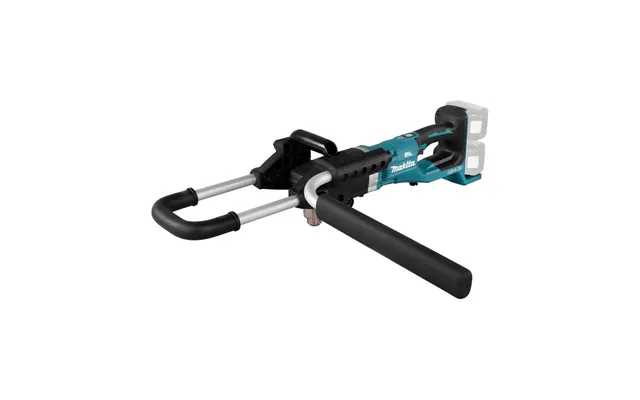
Battery-powered earth augers have become quiet heavy hitters. With high-voltage batteries and brushless motors, they deliver impressive torque without fumes, pull-starts, or tune-ups. They are especially handy in neighborhoods where noise matters. Runtime depends on battery amp-hours, the soil, and bit size, but modern kits can handle a surprising number of holes on a single charge. If you already use a certain brand’s cordless system, you can often share batteries across tools, saving money and simplifying charging.
Corded augers fill a niche when you want consistent power but do not need the portability of gas or battery. They are great near an outlet or with a heavy-duty extension cord. You get steady performance, minimal maintenance, and no fuel to store. If your holes are close together—think deck footings or a small fence line near the house—a corded auger can be a budget-friendly powerhouse that just keeps spinning.
For acreage, large builds, or frequent jobs, an auger attachment turns a tractor or skid steer into a hole-making machine. With the proper bit, you can drill wide holes for large posts or footings in minutes. Hydraulic power provides serious torque, and downforce helps in hard-packed ground. If you are hiring out big work or doing professional builds, these attachments pay for themselves in speed and consistency. They are overkill for a handful of garden posts, but unbeatable for long runs and larger diameters.
Bit size is the difference between a wobbly post and a rock-solid fence line. You want a hole that gives the post room for backfill and concrete, but not so wide that you waste time and mix. The rule of thumb is simple: aim for a hole 2 to 3 times the diameter of your post. That extra room lets you center the post, tamp backfill, and lock everything in place. Bigger is not always better—choose a size that fits the job and your tool.
For small stakes and garden posts, a 4 in bit is often enough. Standard fence posts tend to pair well with 6 in or 8 in bits, depending on the post size and your soil. For 4x4 posts, many DIYers prefer an 8 in bit to allow room for gravel and concrete. Larger structural posts or pergola footings may call for 10 in or 12 in bits. Think through your backfill plan and the wind load on your structure. If high winds are common, go a size up and add more depth to strengthen the base.
Depth matters as much as diameter. A common target for fence posts is about 2 ft, but taller fences, looser soil, or wind-prone areas often benefit from 2.5 ft to 3 ft. Mailbox posts and shorter decorative posts may go shallower, but always consider frost heave and drainage in your area. If you add gravel at the bottom for drainage, account for that layer when planning your depth. A simple extension shaft helps you dig deeper without bending your back or wrestling the tool.
When you compare post hole diggers and augers, the spec sheet can get noisy. Cut through the clutter by focusing on the features that truly change your day on the job. It boils down to ergonomics, durability, power delivery, and safety. If those are right, the rest feels easy. If they are wrong, you will notice quickly, usually in your hands, shoulders, and the shape of your holes.
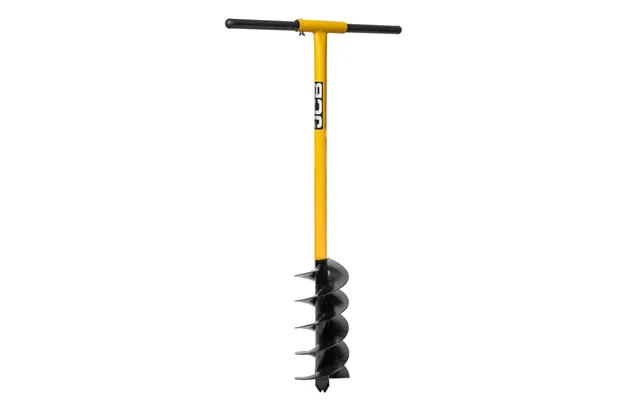
On manual diggers, strong steel blades and a tight pivot reduce flex and help you cut cleaner plugs of soil. Cushioned grips ease hand fatigue. Offset or compound handles increase leverage so you dig deeper with less strain. On powered augers, wide, braced handles with vibration damping give you better control. A rugged gear housing and metal bit collar reduce wobble and extend tool life. Look for replaceable wear parts, especially blades and points, to keep your auger cutting like new.
For gas augers, horsepower and torque in ft-lb tell the real story. High torque at low speed is your friend in clay or rocky dirt. A smart throttle helps you feather power during tricky starts. Some models offer variable speed or gear reduction, which makes it easier to start straight and avoid kickback. On larger attachments, hydraulic flow rates and downforce translate into faster, cleaner holes with fewer stalls.
For cordless augers, battery amp-hours are the fuel tank, and voltage determines the punch. A higher amp-hour pack gives longer runtime; a higher voltage platform typically delivers more torque. Quick chargers save your day if you are drilling more holes than expected. Many pros carry two or three batteries and swap as needed. If you already own batteries from the same brand, you can often buy a bare tool and save cash without sacrificing performance.
The right accessories help you handle surprises like roots, stones, and deeper-than-planned holes. A few small upgrades pay off with straighter posts and fewer headaches. Think of them as your insurance policy when the ground refuses to cooperate. From bit extensions to safety gear, these add-ons keep you moving when conditions change.
A bit extension is the simplest way to reach 3 ft or more without stooping. Keep spare blades and a fresh cutter point in your toolbox—dull edges chew dirt instead of slicing, which slows you down and strains the motor. For rocky soil, some bits offer heavy-duty teeth or replaceable tips that bite through tough layers and last longer. A quick-change bit connection makes swapping sizes easy if you are mixing post types on the same line.
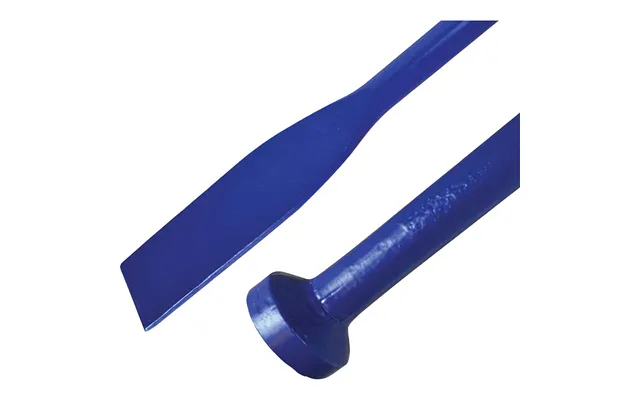
Gloves, eye protection, and ear protection are non-negotiable, especially with powered augers. Steel-toe boots earn their keep when you are moving posts and hauling bags of concrete. A digging bar helps pry out rocks, while a hand tamper compacts gravel and backfill around the post. Keep a couple of 50 lb bags of fast-setting concrete on hand if your plan includes concrete footings. A small level and a measuring tape round out the essentials for straight, consistent results.
Still stuck between a manual digger and a powered auger? Ask yourself a few practical questions. How many holes are you digging? How wide and deep are they? What is the ground like after the first 6 in? For fewer than five small holes in softer soil, a manual tool is efficient and inexpensive. If you are putting in a full fence line or battling hard clay, a powered auger is a shoulder saver. Battery and corded models keep noise and maintenance low, while gas augers thrive when you need sustained power far from an outlet.
Good tools are half the battle. The other half is technique. A little planning prevents crooked lines, shifting posts, and repeated do-overs. Think ahead about spacing, depth, and drainage. Keep your bits sharp and your batteries charged. And remember: slow is smooth, smooth is fast. Steady technique beats raw force every time.
Start with a taut string line to mark your fence run or layout. Measure spacing carefully and mark each hole location with paint or a stake. Call before you dig if you are unsure about underground utilities. Decide on your target depth and diameter upfront, and choose your bit accordingly. If you plan to add gravel at the bottom for drainage, mark the depth with that layer included so you do not come up short.
Begin each hole with a slow, centered start to keep the bit from wandering. In compacted soil, pulse the throttle and let the auger bite a little at a time. Clear the hole frequently by backing out and shaking off spoil. If you hit roots, use a digging bar to loosen them rather than forcing the auger. In rocky ground, consider a slightly smaller pilot hole and then step up to your final size. Extensions help you stay upright while chasing those last few inches.
After drilling, add a few inches of gravel for drainage if water is a concern. Set the post, check it for plumb with a level, and brace it if needed. Backfill in layers, tamping as you go, or pour concrete and check alignment again before it sets. For taller fences or windward corners, go a bit deeper and wider for extra stability. Give everything time to cure before you stretch wire or add panels, or you risk pulling posts out of alignment.
Take a few minutes after each session to knock off caked soil and check wear points. For manual diggers, wipe blades clean and oil the pivot to prevent rust. For powered augers, inspect the bit collar, cutter edges, and the handles for looseness. Keep air filters on gas units clean and fuel fresh. Store batteries at moderate charge levels if you will not use them for a while. Replace dull blades before your next project so the auger cuts, not grinds.
Pricing spans a wide range, and that is actually good news—you can match the tool to your workload without overspending. Manual diggers are typically the most affordable option and can last for years with minimal care. Corded and cordless augers usually slot into the midrange, offering strong value for homeowners and light-duty pros. Gas augers cost more upfront but pay off in speed for long fence runs. Tractor and skid steer attachments are premium choices for large properties and professional work. Want to see what is trending and compare offers quickly? A dedicated comparison site like ZoneOffer helps you scan popular offers and price lists so you do not miss a great deal or the spec that matters for your soil.
Rushing the first hole is the most common mistake. If your start is crooked, the whole run goes off. Take a breath, set the bit straight, and begin slowly. Another misstep is using the wrong bit size, which leads to loose posts or wasted concrete. Always match diameter to the post and conditions. Skipping safety gear is a shortcut that backfires—eye protection and gloves are small investments that prevent big problems. Finally, do not ignore maintenance. A dull blade makes every hole harder than it needs to be.
Putting in a short run of garden edging with small stakes? A manual clam-shell digger or a 4 in bit on a lightweight cordless auger will cruise through soft soil. Building a 6 ft privacy fence across mixed clay and loam? A one-man gas auger with an 8 in bit and a bit extension will keep you moving. Anchoring a pergola or carport? Step up to a 10 in or 12 in bit, dig to at least 2.5 ft, and plan on gravel plus concrete. Facing rocky upland ground over a long line? Consider renting a two-man gas auger or a skid steer attachment to power through and stay on schedule.
Wear gloves, eye protection, and sturdy boots. Keep bystanders clear of the work zone. Stabilize your stance before you start drilling, and always expect a surprise root or stone. With gas augers, keep a firm two-handed grip and avoid leaning your body over the bit. With cordless and corded tools, manage cables or batteries so nothing snags. Most importantly, stop and reassess if the auger binds—forcing it is how wrists and gear get hurt.
If you are working near neighbors, a cordless auger’s lower noise level is a winner. There are no fumes and no idle noise between holes. Corded tools are quiet too, assuming your extension setup is safe and out of the way. Gas augers have their place, especially off-grid or on big projects, but be mindful of ventilation and noise. Choosing the right tool helps you keep the peace while knocking out the job.
If you find yourself borrowing an auger more than once a season, it is time to buy. If your manual digger leaves you sore after a short day, consider a cordless kit for a better balance of power and comfort. If your cordless unit stalls regularly in your soil, upgrade to higher torque or step into gas power. For property owners tackling long lines year after year, a tractor attachment transforms multi-day work into a single morning.
Holes going off-center? Start each hole with a slow spin and steady downward pressure. Auger binding in clay? Back out often to clear spoil and reduce friction. Bits dulling fast? Switch to a heavy-duty blade set with replaceable teeth. Posts shifting after backfill? Tamp in layers and verify plumb at each step. Water collecting in holes? Add a few inches of gravel at the base and consider a slightly deeper dig for drainage.
From simple manual tools to hard-hitting powered augers, there is a post hole digger for every yard, soil type, and budget. Choose your bit size based on the post and wind exposure, plan your depth with drainage in mind, and favor tools with solid ergonomics and steady torque. Compare popular offers and price lists on a trusted comparison site like ZoneOffer to match specs and deals quickly. With the right setup and a few smart techniques, you will drill straighter holes, set stronger posts, and finish faster—with energy to spare for the next project.