

Pipe Brushes price list
Last updated Sunday, 27 Sept 2026
| Pipe Brushes | Price |
|---|---|
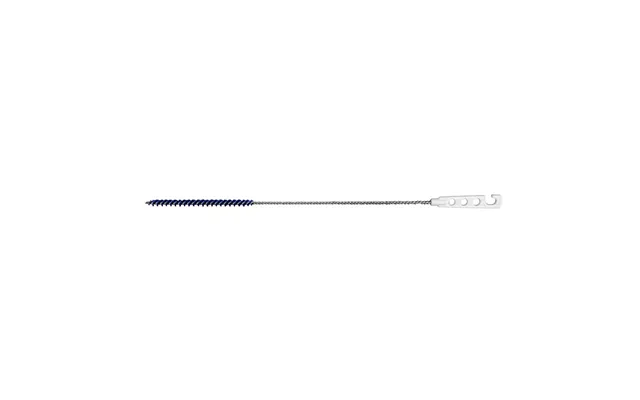
| Hillbrush Medium Small Tube Brush - 400mm | £4.46 |
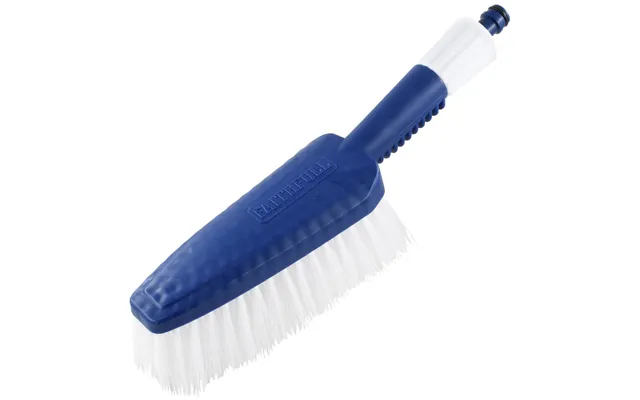
| Faithfull Stiff Water Flow Hand Brush | £6.95 |
| Faithfull Stiff Water Flow Hand Brush | £6.95 |





Loading...
Last updated Sunday, 27 Sept 2026
| Pipe Brushes | Price |
|---|---|
| Hillbrush Medium Small Tube Brush - 400mm | £4.46 |
| Faithfull Stiff Water Flow Hand Brush | £6.95 |
| Faithfull Stiff Water Flow Hand Brush | £6.95 |
Looking for a simple way to keep your pipes, drains, hoses, and hard-to-reach tubes clean? Pipe brushes are the unsung heroes of home and garden maintenance. From unclogging a kitchen drain to prepping copper pipes before soldering, the right brush turns messy jobs into quick wins. In this guide, you’ll learn what to buy, how to use it, and where to compare the best offers and price lists so you always get great value. Ready to make grime a thing of the past?
A pipe brush is a slim, often flexible cleaning tool designed to scrub inside narrow spaces: pipes, tubes, drains, straws, HVAC condensate lines, even chimney flues. Think of it as a bottle brush’s more focused, job-ready cousin. The bristles do the tough stuff—dislodging grease, biofilm, mineral build-up, soot, and debris—while the handle or shaft gives you reach and control. The result? Better water flow, less odor, safer appliances, and fewer “I-should-have-called-a-pro” moments.
Why does it matter? Because build-up hides where you can’t see it. A drain might look fine from the top, but a few inches down it could be coated with gunk. That’s where a pipe brush shines—going where sponges and cloths simply can’t.
Not all pipe brushes are created equal. The best choice depends on the surface, the type of mess, and how delicate the material is. Here’s a friendly walkthrough to help you pick with confidence.
Nylon is the go-to for everyday cleaning. It’s tough on grime but gentle on surfaces, making it ideal for plastic tubing, stainless-steel bottles, refrigerator drain lines, and general household pipes. Nylon bristles also resist chemicals better than natural fibers, so they hold up well with common cleaners.
When you need serious cutting power—for rust, soot, heavy mineral scale, or baked-on residue—stainless steel wire brushes step in. Use them on sturdy metals and in prep work (like cleaning the inside of a steel pipe) before joining. They’re not for delicate finishes, but on robust surfaces they are fantastic.
Brass is the “soft metal” sweet spot. It’s more forgiving than stainless steel but more aggressive than nylon. That makes brass perfect for tasks like cleaning copper fittings, delicate metal parts, or where you want bite without deep scratching. Many DIYers reach for brass for plumbing prep and small-part detailing.
Natural bristles (think boar hair) are gentle and hold suds well. They’re excellent for everyday maintenance in glassware, bottles, and sensitive finishes where you want a thorough clean without harsh abrasion. They aren’t as durable with harsh chemicals, so keep them for mild soaps and warm water.
Ever scratched the inside of a bottle? Foam or tufted tips reduce that risk by cushioning the end of the brush. These are brilliant for glass, plastics, and any application where you’re reaching into a blind space and don’t want to scuff the far end.
Fit matters. Choosing a brush that’s too small won’t scrub effectively, and too large can jam or scratch. A little planning saves hassle—and your pipes.
Measure the inner diameter of the pipe or opening if you can. A solid rule: pick a brush that’s just under the inner diameter so the bristles flare slightly. For example, for a 1 inch tube, a 7/8 inch brush gives snug contact without getting stuck. Common widths range from about 1/8 inch for micro-straws up to 4 inches for drains and flues. Bigger flue and chimney brushes can reach 6 inches, 8 inches, or more, depending on your chimney.
Short, rigid handles are great for tight, controlled scrubbing. Long, flexible shafts shine for deep bends and U-traps. You’ll also find braided-wire shafts that twist as you push, giving a scouring effect. For heavy-duty distance work (chimneys, deep drains), look for rod systems that extend 3 feet at a time to reach 12 feet or more.
Sets often include a range of diameters—perfect when you’re maintaining multiple items: hydration tubes, espresso machine wands, aquarium hoses, and sink traps. If you keep discovering “one more thing” to clean, a set pays for itself quickly. Otherwise, grab a single brush sized precisely for your main task.
The kitchen is a prime place for pipe brushes to shine. Grease and food particles love to stick, especially in narrow passages where water flow is slow. A few targeted tools make a world of difference.
Reusable bottles and straws harbor sneaky residue. A slim 1/4 inch to 3/8 inch straw brush makes quick work of dried smoothie, while a 1 inch to 1-1/2 inch bottle brush keeps travel mugs and thermoses spotless. Nylon or foam-tip designs protect finishes but still kick out stubborn slime.
Under the sink, a flexible brush around 3/4 inch to 1-1/2 inches wide can snake into traps and short runs. Up top, small detail brushes clean faucet aerators and spouts—great for knocking out mineral flakes that mess with water pressure. For stainless steel sinks, stick with nylon or brass to avoid scratches.
Dishwashers sometimes develop funky smells from partially blocked drain lines. A long, flexible nylon brush (3 feet or more) helps sweep out residues. The same applies to refrigerator defrost drains. Light, regular passes keep water moving and odors down.
Hair, soap scum, and hard water are a bathroom’s big three. The right brush lineup spares you from chemical overkill and frequent clogs.
P-traps and S-traps can be cleaned with 1 inch to 2 inch brushes on a flexible shaft. Start with warm water and a dash of dish soap; add vinegar or a specialized descaler if you spot mineral deposits. Always remove drain stoppers first so you can work directly inside the pipe.
Mineral scaling around the siphon jets can weaken a flush. A small brass or nylon detail brush clears the jet openings without gouging porcelain. A few passes, a little patience, and you’ll notice stronger, faster bowl clearing.
From irrigation to grilling, outdoor gear clogs and cakes up faster than you think. Pipe brushes cut downtime and keep water and air moving freely.
Micro-irrigation lines and hose ends collect sediment and algae. Choose slim nylon brushes in the 1/8 inch to 1/2 inch range for tubing, and 3/4 inch to 1 inch for hose fittings. Routine brushing keeps sprinklers and drippers running evenly, saving water and your plants.
Smoke tubes, burner tubes, and grease channels need regular attention. Use stainless steel or brass for tough baked-on residue in metal tubes, and nylon for lighter maintenance. A foam-tipped brush is handy for delicate finishes inside smokers where you don’t want to gouge the metal.
Downspouts clog from leaves and grit. A longer, semi-rigid brush—2 inches to 4 inches wide—lets you scrub from the top opening. Follow with a rinse to flush out the loosened debris. Do this once at the end of fall and once in spring to prevent surprise overflows.
Pipe brushes don’t just belong under the sink. In the workshop, garage, and utility room, they’re vital for maintenance and prep work.
Before soldering copper, clean both the inside of the fitting and the outside of the pipe. Copper prep brushes—often brass or stainless—come sized for common diameters like 1/2 inch and 3/4 inch. For PVC, use nylon to remove burrs and dust without scratching too aggressively.
Very small pipe brushes (down to 1/16 inch) clean jets, ports, and nozzles. Brass is a safe middle ground for metal parts; nylon is better for plastics. Always test on a hidden spot if you’re unsure about abrasion.
Clogged condensate lines cause leaks. A long, flexible nylon brush clears algae and slime from the line. Pair it with an occasional water and vinegar flush. For coils, use soft bristles only—never wire—so you don’t bend fins or harm the coating.
If you burn wood, a clean flue is non-negotiable for safety and efficiency. The right brush removes creosote and soot so your stove or fireplace drafts properly.
Poly (synthetic) bristles are gentle on metal flue liners and remove loose soot effectively. Wire brushes (steel) are more aggressive and help with heavier deposits in masonry flues. When in doubt, check your liner’s guidance—using the wrong bristle can void warranties or cause damage.
Flue brushes connect to rods that usually come in 3 foot sections. Build the length you need to reach the cap, then work in slow up-and-down strokes. A round brush suits circular flues; a rectangular brush fits square or rectangle liners. Consider a brush that matches your flue size—6 inches, 7 inches, 8 inches—to maximize contact and cleaning power.
A little maintenance keeps your brushes performing well and prevents cross-contamination between tasks. Treat them right and they’ll last.
After use, rinse thoroughly with warm water. For kitchen and bathroom brushes, wash with dish soap, then dip in a mild bleach solution if needed. Rinse again and air-dry completely to prevent mold. Keep “food and drink” brushes separate from “plumbing and garage” brushes—label them if you must.
Retire a brush when bristles flare permanently, the core wire bends or breaks, or the tip loses its shape. For heavy-duty chimneys and drains, expect faster wear. If a brush feels mushy or misses spots it used to clean easily, it’s time for a new one.
Prices vary by material, size, and intended use. Nylon sets are usually the best value for everyday homeowners, while specialized flue or prep brushes cost more per piece but save money by doing the job right the first time. Comparing multiple retailers side-by-side is the easiest way to stretch your budget.
Scan for brush diameter, overall length, shaft flexibility, bristle material, and included accessories (like handle grips, foam tips, or storage pouches). When you review a price list on a comparison site such as ZoneOffer, look beyond the headline price—check reviews, bundle contents, and warranty notes. A few extra dollars can buy you a brush that outlasts bargain options many times over.
If you need multiple sizes, bundles often drop the per-brush cost dramatically. For one-off jobs—like a 6 inch flue brush—go single and get exactly what fits. Watch for seasonal promotions tagged as popular offers; that’s where sets and flue rods often see the steepest discounts.
Ready to put these brushes to work? Here are two quick, confidence-building walk-throughs that cover common chores.
First, remove the drain stopper and any strainers. Run warm water for a minute to soften grease. Insert a 3/4 inch to 1 inch nylon brush into the drain and push past the first bend. Rotate while moving the brush in short strokes to scour the walls. Withdraw, rinse the brush, and repeat until water flows freely. Finish with a flush of warm water and a splash of vinegar to deodorize. If the trap is badly blocked, detach it and brush it out directly over a bucket.
Fill the tube with warm soapy water. Thread a slim 1/8 inch to 1/4 inch brush through from one end. Move it back and forth to remove film, then rinse thoroughly. For stubborn odors, follow with a baking soda rinse and air-dry completely. Store with ends open so moisture can evaporate.
Good news: pipe brushes help you clean better with fewer chemicals. That’s a win for your home and the planet.
One durable brush replaces dozens of single-use wipes and swabs. A nylon or natural bristle brush can last months (or longer) when rinsed and dried after use. For specialty jobs—like flues—choose a sturdy, well-reviewed tool you won’t mind using year after year.
Warm water and dish soap, white vinegar for mineral scale, and baking soda for odors cover most jobs. The mechanical action of bristles is what really does the heavy lifting. Save harsh chemicals for truly stubborn clogs, and even then, use sparingly after you’ve tried mechanical brushing.
Even simple tools reward good technique. These quick pointers help you avoid common pitfalls and get pro-level results.
When in doubt, start with nylon. Test in a hidden spot before going aggressive. Use foam tips for glass and polished surfaces, and keep metal brushes away from coatings that scuff easily. Let the brush do the work—no need to grind as if you’re sanding.
For rust inside metal pipes or fittings, brass or stainless steel brushes remove oxidation fast. Follow up with a rust inhibitor if appropriate. For mineral deposits in bathrooms and kitchens, loosen with warm vinegar before brushing. Rinse well to remove residue.
Not sure you’re picking the right brush? Run through this quick checklist before you buy or compare offers.
Match the brush diameter to your pipe’s inner width. Choose bristle material for the surface: nylon for general use, brass for moderate abrasion, stainless for heavy-duty scrubbing. Ensure you have the right shaft length and flexibility for bends or depth. For flues, select the proper shape—round or rectangular—and a rod system long enough to reach your cap.
Foam or tufted tips reduce scratching. Rubberized handles improve grip with wet hands. Storage pouches keep sets organized by size. Color-coded bristles help you separate kitchen-safe brushes from garage-duty tools at a glance.
From the tiniest straw to the tallest flue, pipe brushes make cleaning faster, safer, and more effective. Pick the right diameter, match the bristle material to the job, and favor flexible shafts for bends. Compare popular offers and read through a price list carefully on a trusted comparison site to get the best value. Do that, and you’ll have a lean, mean cleaning kit that tackles grime wherever it hides—without breaking a sweat or the bank.