

Chimney Brushes price list
Last updated Sunday, 18 Oct 2026




View 5 Offers

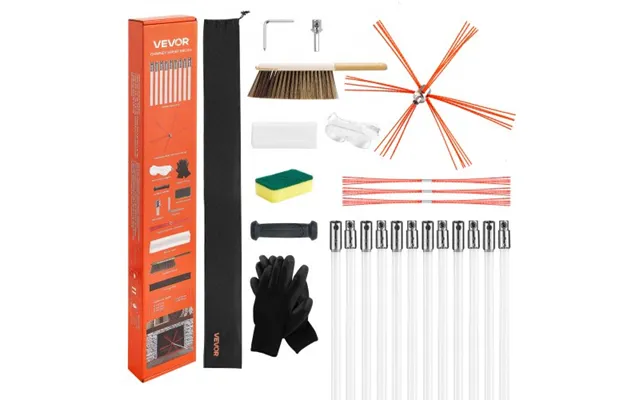

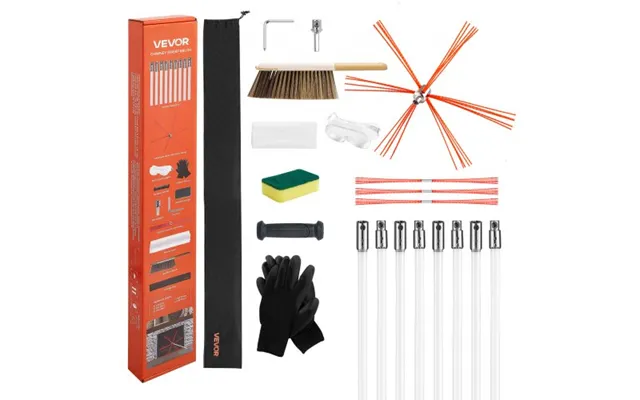
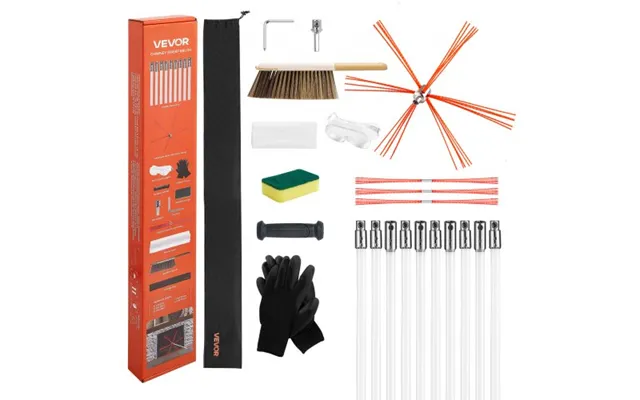
Loading...
Last updated Sunday, 18 Oct 2026
If you burn wood or coal at home, a good chimney brush isn’t a nice-to-have—it’s essential. Clean flues breathe easier, fires burn hotter, and your home stays safer. Looking for the best chimney brush deals in the UK? You’re in the right place. Below, you’ll find a friendly, in-depth guide to understanding brush types, sizes, rods, rotary kits, safety tips, and how to spot great offers and price lists on comparison sites so you don’t overpay.
A chimney brush is the workhorse tool that scrubs soot, tar, and creosote off your flue walls. Think of it like a toothbrush for your chimney—simple, tough, and absolutely necessary. Brushes come in different shapes (round, square, rectangular), materials (poly/nylon or steel wire), and sizes measured in inches to match your flue. Pair the brush with rods or a rotary cable, and you’ve got a cleaning kit that can tackle everything from a narrow stove pipe to a large masonry chimney.
If you have a wood-burning stove, multi-fuel stove, or open fireplace, you need to sweep regularly. The colder months can sneak up fast, and creosote builds like plaque. With seasonal demand, you’ll spot popular offers and price drops at different times. Staying ahead with a quality brush saves money, fuel, and headaches when the first chill hits.
Prices for chimney brushes vary by material, size, and whether you choose a push-rod setup or a drill-powered rotary kit. You’ll often see bundles that include a brush head and several rods—great for value—and standalone heads if your rods are already sorted. Want the best deal without the guesswork? Use a comparison site to check a live price list, skim reviews, and jump on limited-time discounts before they vanish.
As you scan a price list, you’ll notice small round brushes for stove pipes near the lower end, while large, heavy-duty brushes for masonry chimneys land higher. Poly and nylon heads are usually cheaper and more forgiving, while steel wire heads cost a bit more due to durability. Rotary kits, which include a drill-adaptable head and flexible cables, typically sit at the upper-mid range but can pay off through faster, deeper cleans.
Comparison sites make it easy to match brush size and material to your flue, check compatibility with rods, and sort by price. Look for bundles that include 3 ft or 4 ft rods, check adapter sizes (like 1/4" or 3/8"), and read user feedback for notes about stiffness and bend radius. A few minutes scouting offers and price lists can shave a surprising amount off your total bill.
Choosing the right type is half the battle. Different brushes excel in different chimneys and flue liners, and the “best” pick depends on your setup. Let’s break down the main options so you can shop with confidence.
Poly and nylon heads are flexible, gentle on stainless liners, and great for routine sweeping. They’re less likely to scratch metal flues, making them ideal for modern stoves and lined chimneys. If your flue has bends or offsets, a poly or nylon brush tends to glide through without snagging. They’re also easier on drill-powered kits because the strands flex under rotation.
Steel wire heads are the heavy hitters. They bite into stubborn glaze and crust, especially in masonry chimneys. If you’ve inherited a chimney that’s been neglected or you burn resinous wood, a steel brush can feel like a hero. Just be cautious with stainless liners—wire can scratch. When in doubt, use steel only on unlined masonry or check your liner’s manufacturer guidance.
Rotary heads turn chimney sweeping into a power clean. Attach your drill, and the spinning bristles hammer away at buildup fast. Rotary kits often come with flexible rods or cables that snake past bends more easily than rigid rods. They shine in long flues or multi-story stacks where a little extra muscle saves time.
Size matters—a lot. A brush that’s too small won’t scrub the walls, and one that’s too big can jam. Start by measuring the flue opening at the stove collar or the cleanout. Then match the brush to that measurement in inches.
For round flues, the rule of thumb is simple: match brush diameter to the flue diameter. Got a 6" stainless liner? Choose a 6" poly brush. Running an 8" masonry round? Reach for an 8" brush. If you’re stuck between sizes, many DIYers size up by 1" with poly and down by 1" with steel, but always consider how tight the fit is and how many bends you have.
Square and rectangular flues are common in older masonry stacks. In those cases, choose a brush shaped to match. For example, an 8" by 12" rectangle usually needs a brush sized accordingly to sweep all four walls. If you can’t find a perfect shape, some poly heads can “fan out” to reach corners, but a true rectangular brush will give you better coverage.
Your brush is only as good as the rods or cables you use to drive it. Pay attention to flexibility, connection threads, and total reach. It’s frustrating to be one rod short when you’re halfway up the flue.
Classic push rods come in sections, usually 3 ft or 4 ft each, that screw together. Look for rods with a balance of stiffness (to push upward) and flexibility (to handle offsets). Check thread size—common sizes include 1/4" and 3/8". Mixing brands? You may need an adapter to marry different thread types and keep everything secure.
Rotary kits use flexible cables designed to spin without twisting themselves apart. They connect to your drill on one end and your brush on the other. Make sure the adapter suits both your drill and the brush head. A good rotary cable can whip around bends where rigid rods would balk, especially in long runs.
Not all chimneys live the same life. A compact wood stove with a 5" or 6" pipe behaves differently than a tall, brick chimney above an open hearth. Pick your brush with the end game in mind.
Most modern stoves have stainless liners and tighter diameters, often around 5" to 6". Poly or nylon brushes are usually the safest, especially if your liner maker warns against steel. Rotary poly heads shine here—quick, effective, and liner-friendly. If you have a baffle plate, remove it so you can access the flue path from inside the stove for bottom-up sweeping.
Masonry chimneys above open fireplaces tend to be larger and can accumulate soot faster when damp wood is burned. Steel wire brushes can make sense in these setups, especially for stubborn sections. With older stacks, always inspect for loose mortar or broken tiles before you start—even the best brush can’t fix structural issues.
There are two main approaches: top-down from the roof and bottom-up from the stove or fireplace. Both work; your choice depends on access, safety, and preference.
Bottom-up is a favorite for stove owners because you don’t need to climb the roof. Lay down dust sheets, remove the baffle plate, and attach your brush to the first rod. Feed the brush into the flue and add rods as you go. Work with steady, controlled strokes. If you’re using a rotary kit, start slow, ramp up, and keep the brush centered. A soot vacuum with a fine filter helps keep the mess to a minimum.
Top-down sweeping starts at the chimney pot. You attach the brush to your rods, feed the brush into the flue, and scrub as you descend. It’s a solid choice for unlined masonry chimneys or where the appliance opening makes bottom-up awkward. As always, prioritize safety—secure footing, a harness where needed, and a partner to watch your back.
A few clever add-ons can turn a tough job into a tidy, predictable routine. Think of them as the support crew for your main brush.
A vacuum rated for fine ash makes cleanups painless. Pair it with dust sheets and a basic sealing cover for your stove or fireplace opening. With the right setup, you can sweep bottom-up and barely need to wipe afterward. Your future self will thank you.
A compact inspection camera or a bright flashlight helps you spot trouble: cracked tiles, loose joints, or bird nests. Even a small mirror can reveal what’s happening just above the stove collar. If you find a blockage like a nest, clear it fully with the right tools before resuming your sweep.
Soot is messy and can be irritating. Wear eye protection and a proper dust mask. Gloves are a must—rods can pinch, and wire brushes can poke. It’s simple gear that pays off the first time you stir up a cloud.
Cleaning isn’t just about looks; it’s safety 101. A clean flue draws better, produces less smoke, and reduces the risk of a chimney fire. Keeping on top of it means fewer surprises in peak heating season.
As a general guide, sweep at least once a year for light use, and more often if you burn daily in the colder months. Many households do a quick mid-season sweep and a deeper clean at the end of winter. If you notice reduced draw or smoky starts, it’s time to sweep regardless of the calendar.
Struggling fires, a tarry smell, black flakes falling into the stove, or visible glaze are all red flags. Creosote can ignite, and that’s not a risk worth taking. A proper brush matched to your flue size is your best bet to keep deposits in check.
If you’ve ever tried to sweep with the wrong brush or forced stiff rods around a bend, you know how quickly things can go sideways. Here are pitfalls you can dodge from the start.
Undersize, and you polish the soot without removing it. Oversize, and you jam or scrape. Measure carefully and match the brush to the exact flue diameter. If your flue tapers or changes shape, consider a rotary poly head that can conform more easily as it spins.
Steel plus stainless liner can be a bad combo. Wire bristles can scratch, which invites corrosion over time. Unless your liner maker approves, stick to poly or nylon for lined flues, reserving steel for unlined masonry or very stubborn deposits where liner safety isn’t a factor.
Chimney design matters. The right brush for a clay-tiled stack might not be the right one for a stainless liner. Knowing what’s over your head helps you choose wisely.
Clay liners are common in older properties and can be square or rectangular. Steel wire brushes work well here, though poly can also handle routine soot. Stainless liners are typical for stoves and should usually be swept with poly or nylon to avoid scratches. If in doubt, check the liner’s care instructions.
Unlined masonry chimneys are rougher inside and can collect more soot in joints and corners. A wire brush may be the right tool for tough spots. Lined chimneys have smoother walls that respond well to regular poly sweeps. Either way, a consistent schedule beats occasional heroic efforts.
The best sweep is the one you barely need because your fires burn clean. A few tweaks to your fuel and fire management can cut deposits dramatically.
Use seasoned wood and check moisture with a handheld meter. Aim for well-seasoned logs and keep a stove thermometer on the flue or stove top. When you see the sweet spot on the dial, you’re burning efficiently—less smoke, less creosote, and fewer marathon sweeps.
Modern stoves with secondary burn systems love good airflow. Don’t starve the fire; smoldering logs breed creosote. Think of air as your fire’s lungs—the better it breathes, the cleaner it burns. That means a happier flue and a lighter sweep later.
DIY sweeping is totally doable with the right gear, but some situations call for pros. There’s no shame in phoning it in when safety or complexity raises the stakes.
If your chimney has multiple bends, an offset, or a very tall stack, a pro sweep can save time and head-scratching. Suspect a bird nest? Clearing it properly and inspecting for damage is crucial. Pros carry specialized tools and know-how to handle surprises.
After a deep clean, an inspection can catch cracked tiles, loose mortar, or damaged caps. Documentation from a pro can also be handy for insurance. Even if you DIY most of the time, a periodic professional checkup keeps things honest.
Ready to shop smarter? Before you grab the first deal you see, run through a quick checklist. Match brush size and shape to your flue. Choose poly/nylon for stainless liners and steel for masonry where needed. Decide on push rods versus rotary based on your flue length and bends. Confirm thread sizes and adapters. Factor in accessories like dust sheets, a soot vacuum, and safety gear. Then compare offers and price lists on a trusted comparison site so you lock in a fair deal without the fuss.
Know your flue size in inches, pick the right bristle material, get enough rod length to reach the top, and consider a rotary kit if you want faster, deeper cleans. Check compatibility details, read recent reviews, and prioritize value bundles. With a plan and a sharp eye for offers, you’ll end up with a kit that works hard for years.
A clean chimney is safer, more efficient, and cheaper to run—and the right brush makes all the difference. Whether you’re eyeing a simple poly head for a 6" liner or a full rotary kit for a tall masonry stack, taking a few minutes to compare popular offers and study a clear price list pays off in spades. Measure your flue, match the brush, choose the right rods or cables, and sweep on a sensible schedule. Do that, and you’ll enjoy brighter fires, less mess, and peace of mind all winter long.