All categories
Business & Offices
Electronics & Media
Fashion & Accessories
Groceries & Essentials
Health & Personal Care
Home & Living
Kids & Family
Sports & Outdoors
Search in ZoneOffer
Loading...
Want to bring a slice of nature indoors without overwhelming your schedule or your wallet? Plant and herb growing kits make it wonderfully simple. They bundle the essentials, guide you step by step, and remove the guesswork that can make gardening feel intimidating. Whether you’re after low-maintenance cacti, a calming bedroom plant, a bonsai that rewards patience, or a quirky decorative planter, you can compare a wide range of options in one place and pick what suits your space, your time, and your vibe.
The best part? You don’t need a sprawling backyard or fancy tools. If you’ve got a sunny window ledge, a bit of curiosity, and a spare few minutes each week, you’re set. Let’s explore standout kits and accessories you can find in the UK, plus practical tips to help you grow with confidence.
This season’s lineup of indoor gardening kits includes beginner-friendly sets, eye-catching decor, and even novelty ideas for gifts. Here are some favorites worth comparing across retailers for the best deal and the right fit for your home.
Think of this as the “no excuses” starter kit. Cacti and many succulents thrive on bright light and occasional watering, so they’re perfect if you want greenery without fuss. A typical Grow It Cactus Indoor Plant Kit includes seeds, a suitable growing medium, and containers—basically everything you need to get started on a windowsill. Keep the soil on the dry side, give them plenty of sun, and you’ll be rewarded with sturdy little desert dwellers that look good year-round. Bonus: they pair beautifully with minimalist or boho decor.
With a cheeky name that sparks curiosity, this novelty kit is often associated with plants known for their calming presence and soothing scents in the bedroom. While it’s not a medical device and won’t replace health advice, it can be a pleasant addition to a nighttime routine. Place it near your bed, keep the soil slightly moist (not soggy), and aim for bright, indirect light. If you love gentle aromatics or want a tranquil bedside accent, it’s a fun conversation piece that may encourage a more relaxing bedroom environment.
Avocados are the patience game of indoor growing—and that’s half the charm. An Avocado Grow Kit typically cradles the pit above water so you can watch roots and shoots emerge. It’s the grown-up version of the old toothpick trick, only tidier and more reliable. Set your kit near a bright window, refresh the water routinely, and give it time. You’re growing a tree here, not a salad garnish. While homegrown fruit isn’t guaranteed, the process is mesmerizing, and the lush leaves make a striking houseplant all by themselves.
If you love clean design and eco-friendly ideas, a Bottle Plant Farm Kit is like a tiny science lab for your desk. Often using a self-watering or hydroponic setup, these kits are great for herbs, microgreens, or small decorative plants, all tucked inside a sleek bottle form. They’re space-saving, low-mess, and perfect for anyone who wants to combine techy elegance with greenery. Keep an eye on water levels, give them good light, and enjoy the modern aesthetic.
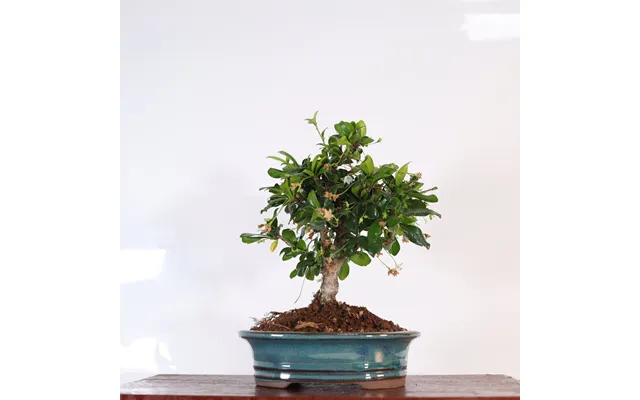
Bonsai growing invites you to slow down, observe, and trim with purpose. A Grow Your Own Bonsai Tree kit typically includes seeds, a bonsai-friendly growing medium, containers, and guidance. Expect a journey rather than a quick reveal. Learn the basics of pruning, wiring, and shaping, and be mindful of species needs—some are better indoors, others prefer a season outdoors. Over time, you’ll build a living sculpture that reflects your care and creativity.
Japanese maple is a classic bonsai subject thanks to its graceful leaves and elegant branching. A Japanese Maple Bonsai Tree Growing Kit usually involves a period of seed preparation, followed by careful nurturing in bright light with moderate airflow. As a temperate species, Japanese maple appreciates seasonal rhythms. Treat it gently, prune thoughtfully, and you’ll develop a tree with character and delicate color that’s worth every ounce of effort.
Carnivorous plants are the rock stars of the plant world—dramatic, quirky, and surprisingly approachable if you meet their unique needs. A Grow Your Own Carnivorous Plants kit often centers on species like Venus flytraps or pitcher plants. They prefer nutrient-poor, acidic media and pure water. Skip fertilizers, use distilled or rain water, and aim for bright light. With the right setup, you’ll have conversation-starting plants that look like they belong in a sci-fi film—because why shouldn’t your shelf be a little thrilling?
Sometimes you just want something adorable, and the Sloth Planter delivers. Think of it as a playful accent that makes your plant corner smile back at you. It’s ideal for small succulents, trailing vines, or tiny cacti. Choose a plant that contrasts the planter’s color and shape—cascading greenery looks especially charming. Consider adding a coaster or saucer beneath to protect your shelves, and don’t forget to match your potting mix to the plant you choose.
Great plants deserve great homes. A well-chosen pot can highlight a plant’s shape, improve drainage, and tie your room together. From timeless ceramics to modern silhouettes, the right container makes maintenance easier and style effortless.
For a refined, design-forward option, the Rosendahl Ro Flower Pot in Bordeaux offers a rich color and clean curve that flatters many houseplants. At roughly 6 inches across, it’s an excellent size for medium plants like peace lilies, compact ferns, or small rubber plants. Look for versions with drainage, or use a nursery pot inside so you can water thoroughly and let excess drain into a saucer. The deep wine tone pairs beautifully with glossy green leaves and neutral interiors.
Making eco-minded choices isn’t limited to soil and seeds. Some shoppers like to take a wider view—how they commute, what they buy, and how long things last. It’s all connected to a gentler footprint, and it’s perfectly fair to consider these choices alongside your home and garden picks.
If you’re evaluating sustainability across your lifestyle, the Ecowing ES31 is known for efficiency-focused design that aims to reduce fuel use through lower rolling resistance. While it’s obviously not a plant, comparing this kind of product alongside greener home choices underscores a simple truth: little efficiencies add up. Save a bit here, conserve a bit there, and you support the same “grow better, waste less” philosophy that starts on your windowsill.
Not all kits fit all homes. A sunny loft can handle a cactus collection; a shaded flat might prefer hardy foliage. Before you click “compare,” match your environment and lifestyle to the kit’s needs. You’ll save money, avoid frustration, and enjoy quicker wins.
Got strong afternoon sun? Cacti and succulents love it. Bright but indirect light? Bonsai seedlings and many herbs do well there. A shadier nook? Try low-light tolerant foliage or a bottle farm with supplemental lighting. If you’re unsure, use the shadow test: sharp, defined shadows suggest bright light; soft shadows indicate medium light; barely-there shadows mean low light.
Want fast gratification? Microgreens and some herb kits show results quickly. Prefer a deeper, slower craft? Bonsai and avocado seedlings reward patience. Be honest with your schedule. It’s better to start small and build confidence than to overcommit and feel discouraged.
Kits vary. Some include pots, growing media, seeds, labels, and instructions; others provide just the essentials. Read the kit contents carefully and budget for extras like distilled water (for carnivorous plants), a spray bottle, or pruning shears. Comparing kits side by side helps you see real value—not just a low headline price.
Curious pets and tiny hands love to explore. If you have a lively household, consider sturdy plants in stable containers, avoid spiky species in high-traffic spots, and place delicate setups out of reach. Choose projects that invite participation—labeling, misting, or observing sprouts—to turn care into a shared moment.
Growing is easier when you line up the basics: light, water, medium, and container. Nail those, and everything else feels like a bonus. Here’s how to keep momentum without overthinking it.
South-facing windows often deliver the strongest light; east-facing spots bring gentler morning sun; west-facing areas get warmer afternoon rays. Rotate plants every couple of weeks so they grow evenly, and watch the leaves: pale or leggy growth hints at too little light, while scorched patches can mean too much direct sun.
Too much water suffocates roots; too little leaves them parched. For most plants, water thoroughly and let excess drain, then wait until the top layer of medium dries before watering again. Cacti prefer a longer dry period; carnivorous plants are the exception—they like consistently moist conditions with pure water. When in doubt, check with your finger rather than guessing.
Cacti and succulents want a gritty, fast-draining mix. Bonsai seedlings appreciate a well-aerated, stable medium. Carnivorous plants need nutrient-poor, acidic media and pure water—avoid fertilizers. Using the right medium from day one prevents so many common struggles you’ll wonder why it isn’t step zero.
Pretty planters are great, but drainage is non-negotiable. If your decorative pot lacks a hole, nest a nursery pot inside so you can water freely and dump excess from the outer vessel. Add a saucer to protect furniture, and choose a pot size that leaves a little room for growth without drowning small roots in too much soil.
You don’t need a shed. A pair of snips, a spray bottle, plant labels, and a soft brush for dusting leaves can transform your routine. For bonsai, a dedicated set of pruning tools helps you make clean cuts and shape branches without stress.
Want quick wins that look polished? Try one of these small projects. They’re simple, satisfying, and surprisingly elegant once you add a planter with personality.
Pick three small herb kits—basil for fragrance, chives for snip-and-sprinkle ease, and mint for fresh tea. Line them up on a tray near bright light, and you’ve turned your kitchen window into a living spice rack. Harvest lightly to encourage bushy growth and enjoy the everyday luxury of fresh flavor.
Combine a few baby cacti from your Grow It Cactus Indoor Plant Kit into a shallow bowl with gritty mix. Add a couple of stones and a pinch of sand on top, and you’ve got a modern desert scape that looks like a miniature art installation. Place it where it can bask in the sun and water sparingly.
Use your Bottle Plant Farm Kit to grow microgreens that go from seed to snack fast. They’re tender, tasty, and rich in texture. Keep the water clean, give them bright light, and harvest when the first leaves unfurl. It’s instant garden-to-plate magic—no backyard required.
Smart shopping means comparing more than just the sticker price. Look at what’s inside the box, the longevity of the setup, and how well it fits your space. That’s where price-comparison platforms like ZoneOffer shine: you can scan options across multiple sellers, check what’s included, and spot real value quickly.
Two kits can look identical until you read the fine print. Does one include a pot and labels, while the other sells them separately? Are seeds fresh and well-packed? Comparison pages help you weigh apples against apples so you’re not caught by surprises later.
Some seeds prefer certain seasons to germinate well. Bonsai species like Japanese maple often benefit from specific timing. If a kit mentions seasonal steps, plan your buy to match your calendar. A little patience up front can lead to better results and fewer replacements down the line.
If you know you’ll need planters, mix, and tools, consider bundles that include them. A Rosendahl Ro Flower Pot paired with a kit can be a stylish, practical combo—one box to open, one project to enjoy. Just ensure the pot size and drainage match your plant’s needs.
Even seasoned growers hit bumps. The good news? Most issues have simple solutions if you spot them early. Think of this as your plant first-aid kit—light on drama, heavy on results.
Seeds can be slow. Warmth and steady moisture help, but soggy soil can stall them. Check instructions for any prep steps—some species require a chill period or a soak. Keep faith for a couple of extra weeks before calling it quits, especially with woody species like bonsai.
A fuzzy film usually means stagnant air or constant wetness. Increase airflow, scrape off the top layer gently, and let the surface dry slightly between waterings. Bottom-watering can help seedlings by keeping the top layer drier while roots still drink.
That tall, wobbly look means they’re chasing more light. Move them closer to a bright window or add a grow light. Rotate the container every few days so they don’t lean in one direction like sun-chasing sunflowers.
Often it’s overwatering or poor drainage. Check that excess water can escape and that your medium suits the plant. For carnivorous species, ensure you’re using pure water and the right substrate—they’re sensitive to minerals and fertilizers.
Gardening is naturally green, but a few mindful habits can make it even gentler on the planet. Reuse, refill, and keep plants thriving longer. Every thriving plant is a tiny, persistent win.
Many containers and tools can be used again. When your initial seeds are done, refill with fresh seeds or transplant starts. It’s budget-friendly and keeps plastic in play longer rather than in the bin.
Collect rainwater where possible and use it for plants that appreciate mineral-free hydration—especially carnivorous types. Water deeply but less often to encourage strong roots, and group plants with similar needs to avoid overdoing it.
Choose species that match your home’s light and temperature. Plants that fit their environment need fewer interventions, fewer replacements, and less wasted effort. It’s the gardening equivalent of buying shoes that actually fit—comfort from day one.
Label your plants, note watering schedules, and keep a tiny log of changes. A minute of observation weekly saves hours of detective work later. Plus, it’s rewarding to look back and see how far your tiny forest has come.
It’s easy to get swept away by lush photos and clever packaging. A straightforward plants price list helps you settle on a budget, compare like-for-like kits, and plan add-ons. Use it as a reality check so you can decide where to splurge—like a design-forward pot—and where to save, such as on refills and basic tools.
From a Grow It Cactus Indoor Plant Kit that practically thrives on neglect, to a Japanese Maple Bonsai Tree Growing Kit that teaches patience and care, there’s a plant project for every personality and every window. Want whimsy? The Sloth Planter is a smile in ceramic form. Prefer future-houseplant flair? An Avocado Grow Kit offers a front-row seat to a tree’s first steps. With a little know-how and smart comparisons—made simpler by price-comparison platforms like ZoneOffer—you can turn any corner into a breathing, leafy retreat. Start small, keep it simple, and enjoy the quiet satisfaction of watching something green grow because of you.
| Plants | Price | |
|---|---|---|
| Farm Together - Wasabi Pack | £ 1,54 | |
| Doff Fjza00dof Azalea - Camellia | £ 3,50 | |
| Doff Fjra00dof Container & Basket Feed Concentrate 1 Litre | £ 3,79 | |
| Urban Jungle | £ 7,43 | |
| Grow It Snore Curing Plant | £ 13,- | |
| Smartphoto Uv Print Wooden Plant Labels - Set Of 12 | £ 14,99 | |
| Smartphoto Plant Pot With Uv Printed Wooden Label - Set Of 12 | £ 33,99 | |
| Classic Gold And Black Mother Of Pearl Flower Flowers & Nature Charms | £ 45,- | |
| House Doctor Happ Pot Ø36 Cm Off-white | £ 60,- | |
| Muubs Luna Pot 26 Cm Gray-terracotta | £ 64,- |