




All categories
Business & Offices
Electronics & Media
Fashion & Accessories
Groceries & Essentials
Health & Personal Care
Home & Living
Kids & Family
Sports & Outdoors
Search in ZoneOffer

Loading...
Bringing potted houseplants into your living space is like inviting a quiet, green roommate who cleans the air, lifts your mood, and refuses to hog the remote. Seriously — a few well-chosen plants can make a small apartment feel cozier and a large home feel more intimate. Beyond aesthetics, potted plants help regulate humidity, reduce stress, and even sharpen focus. If you’re new to indoor gardening, potted houseplants are a forgiving, flexible way to start: you can move them around, swap pots, and change soil without the commitment of a full outdoor garden.
Golden Pothos is the classic “you-can’t-kill-it” plant. It thrives in a range of light from low to bright indirect, tolerates irregular watering, and grows long trailing vines that look great in a hanging basket or on a high shelf. Expect vines that reach several feet; a 3–5 ft trailing length is common. Pothos is ideal if you want immediate greenery with minimal fuss.
Also called mother-in-law’s tongue, the snake plant is practically indestructible. It tolerates low light, drought, and neglect, growing upright leaves that can reach 2–4 ft tall in a roomy pot. It’s a top pick for bedrooms and offices because it continues to release oxygen at night. Water sparingly — about once every 3–6 weeks depending on season and indoor heat.
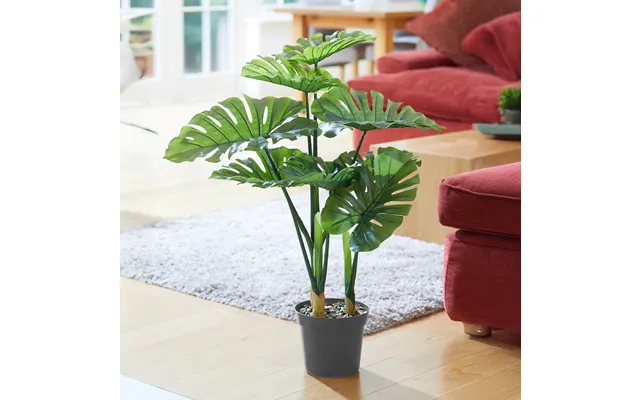
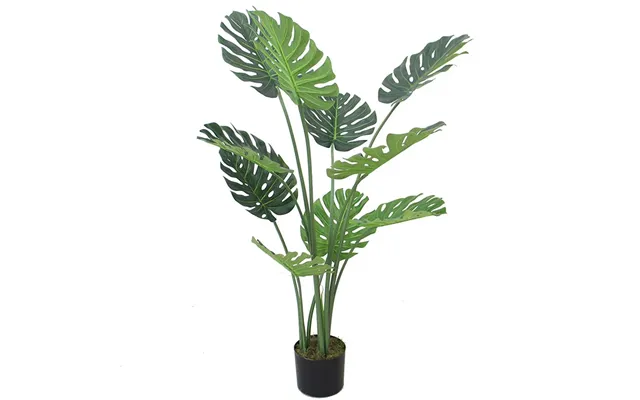
If you love dramatic, split leaves, Monstera is your plant soulmate. It prefers bright, indirect light and consistent moisture without sitting in water. A young Monstera in a 10–12 inch pot can reach 2–3 ft within a year, while mature specimens can climb much higher when given space and support. It’s a showstopper for living rooms and large corners.
Fiddle Leaf Figs are trendy and make bold statements with their large, violin-shaped leaves. They prefer bright, indirect light — ideally near an east or west-facing window — and a stable indoor temperature around 65–75°F. These plants can grow 3–6 ft indoors when happy, but they do require more attention to watering and placement than some beginner options.
The ZZ plant is another low-light champion. Its glossy, waxy leaves store water, so it tolerates long gaps between watering. ZZ plants typically stay compact, around 1–3 ft tall, making them great for desks, shelves, or floor corners. If you forget to water for a month now and then, the ZZ likely won’t mind.
Spider plants are cheerful, easygoing, and great at producing “babies” or offsets that you can pot up and share. They like bright, indirect light and evenly moist soil. Typical size is 1–2 ft across in a hanging basket. They’re excellent for kitchens or rooms with fluctuating light because they quickly bounce back from stress.
Peace lilies are elegant with glossy leaves and occasional white blooms. They prefer low to medium light and like slightly moist soil. Leaves may droop when thirsty, which makes this plant a convenient visual watering reminder. In a medium pot, peace lilies usually stay around 1–3 ft tall. They also help clean indoor air by removing certain toxins.
Rubber plants have large, shiny leaves that add instant structure to a room. They prefer bright, indirect light and moderate watering — allowing the top inch of soil to dry between waterings. Indoors, a rubber plant commonly reaches 3–6 ft or more if pruned and trained. They respond well to being wiped down to keep dust off broad leaves.
Philodendron varieties with heart-shaped leaves are forgiving climbers that perform well in low to bright indirect light. They can trail 3–6 ft in a hanging pot or climb a moss pole when trained. Water when the top inch of soil dries; these plants are flexible and great for beginners who want lush, vining foliage.
Succulents thrive on neglect and bright light, making them perfect for sunny windowsills. Most stay compact — 1–6 inches tall for small varieties — and require a fast-draining soil mix and infrequent watering. They’re excellent for bathrooms with a sunny window or a sun-soaked kitchen ledge where humidity isn’t an issue.
Picking the right pot and soil is like buying the right shoes for a hike — it makes the whole experience smoother. Drainage is king: choose pots with drainage holes or use a liner with a gravel layer to prevent standing water. Pot size matters too. A plant potted in a container 2–4 inches wider than its root ball gives room for growth without drowning roots in too-large a soil mass.
For most houseplants, the pot diameter should match the root ball with a little extra room: typically 2–4 inches wider. A 6–8 inch pot suits many medium houseplants, while statement plants like fiddle leaf figs often need a 12–16 inch pot. Always check for drainage holes and use a saucer to protect furniture from spills.
Soil mixes differ by plant type. Use a well-draining potting mix for most tropical houseplants; add perlite or pine bark for extra aeration. Succulents need a gritty, fast-draining mix (think 50/50 potting soil and coarse sand or perlite). For plants that like moisture but not sogginess, a peat-based mix with added perlite gives a good balance.
Understanding light, water, and nutrients turns plant care from guesswork into a reliable routine. Think of light as food, water as thirst-quenching, and fertilizer as a seasonal boost. Get those three right and you’ll have healthier, happier plants.
Light is the most important variable. “Bright, indirect” means near an east or west window without direct afternoon sun blasting leaves. “Low light” fits rooms several feet from a window or north-facing rooms in many homes. If your plant looks leggy or pale, it’s probably craving more light. Conversely, scorched or brown leaf edges often indicate too much direct sun.
Overwatering is the most common killer. Let the top 1 inch of soil dry out for many tropical plants before you water; succulents wait until soil is dry 2–3 inches down. When you water, do so thoroughly until water drains from the bottom, then empty the saucer. In winter, reduce watering frequency because plants use less water in cooler indoor temperatures around 60–68°F.
Feed potted houseplants during the growing season (spring and summer) with a balanced, water-soluble fertilizer at half the recommended strength every 4–6 weeks. Cut back feeding in fall and winter when growth slows. Too much fertilizer can burn roots; less frequent, weaker feeds are safer for most houseplants.
Where you put plants matters as much as which plants you choose. Think about light patterns, humidity, and traffic. A little strategic placement can transform both the plant and the room.
Large showy plants like Monstera, fiddle leaf figs, and rubber plants thrive in living rooms with bright, indirect light. Use a 12–16 inch pot for statement pieces, and tuck smaller trailing plants on shelves or bookcases for layered greenery. Consider plant stands to create height variation and visual interest.
Bedrooms are great for low-maintenance plants that tolerate lower light and occasional neglect. Snake plants and ZZ plants are excellent bedroom choices because they tolerate low light and improve air quality. Place plants on nightstands or dressers, choosing smaller pots (6–8 inch) for bedside surfaces.
Bathrooms with a window are perfect for humidity-loving plants like peace lilies and ferns. Kitchens often have bright light and are ideal for herbs, succulents, or spider plants. Keep plants away from heat sources like oven vents and hot radiators to prevent drying out.
Plants send signals when they’re unhappy — yellow leaves, brown tips, or leggy growth. Think of these symptoms as a plant’s text messages: short, urgent, and often solvable with basic changes.
Yellow leaves often mean overwatering, poor drainage, or underwatering. Check the soil moisture and roots: healthy roots are white and firm, while mushy dark roots indicate root rot. Adjust watering and repot into fresh soil if necessary.
Common indoor pests include spider mites, mealybugs, and scale. Wipe leaves with a damp cloth or treat infestations with insecticidal soap or a diluted neem oil spray. Isolate affected plants to prevent the pests from spreading to your green family.
Leggy, stretched-out growth is usually a light issue. Move the plant closer to a bright window or provide supplemental grow light. Regular pruning encourages bushier, fuller growth and can be done easily with clean scissors.
Houseplants change their habits with the seasons. In spring and summer they grow faster and appreciate more water and occasional fertilizer. In fall and winter, slow things down: reduce watering and stop fertilizing as growth slows.
Repot when roots start to circle the pot or appear through drainage holes — usually every 1–2 years for fast growers. Move up one pot size (about 2–4 inches larger in diameter). Repotting in spring gives plants the whole growing season to settle into new soil.
In winter, indoor temperatures often drop to 60–68°F and growth slows; water less frequently and check soil moisture before adding water. In summer, higher temperatures and brighter light increase water use — expect to water more often, particularly for thirsty tropical varieties.
Small tools and accessories make plant care easier and more reliable. From self-watering pots to smart sensors, a few additions can elevate your indoor garden without turning it into a tech experiment.
Self-watering pots are great for people who forget weekly watering or travel often. They provide steady moisture via a reservoir. Humidity trays, filled with pebbles and water, help humidity-loving plants nearby without overwatering their soil.
LED grow lights are compact, energy-efficient, and brilliant for dim rooms or winter months. A simple light timer approximates natural day/night cycles, while soil moisture sensors prevent overwatering by telling you exactly when a plant needs a drink. These tools take the guesswork out of plant care.
When you’re ready to expand your plant collection, comparison sites can be a huge time-saver. They let you compare prices, read reviews, and find promotions across multiple sellers so you can choose the best deal for your budget and needs. Look for sellers that clearly list pot size, plant height in feet and inches, and whether the plant ships in a grow pot or decorative planter.
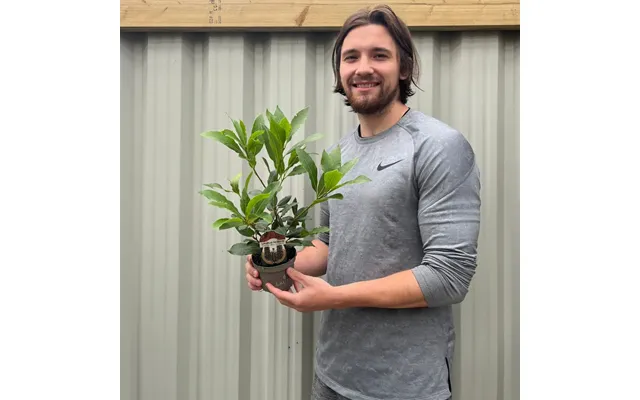
Always check the plant’s height, pot diameter, and whether soil is included. If a listing mentions a plant height of 1–2 ft, picture how that fits in your intended spot. Look for photos that show the plant in relation to furniture for scale. A clear return policy and healthy customer reviews are also helpful when buying live plants online.
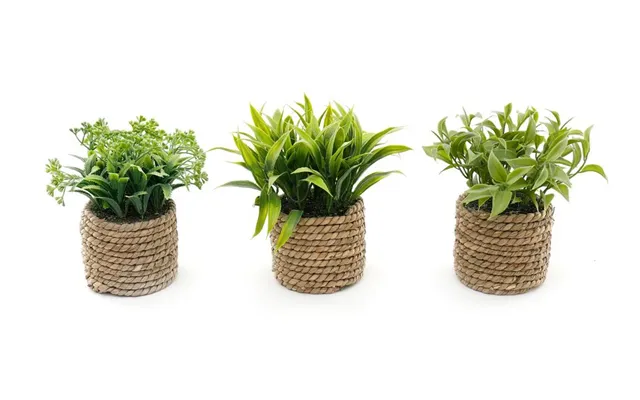
Potted houseplants are one of the easiest and most rewarding ways to bring life and personality into your home. Whether you pick a forgiving pothos, a dramatic Monstera, or a compact succulent, the right combination of light, water, and soil will keep your plants thriving. Start small, learn as you go, and don’t be afraid to experiment with pots, placement, and plant pairings. With a little attention and the right tools, your indoor garden will be a living, breathing part of your home.
| Potted Houseplants | Price | |
|---|---|---|
| Melissa Plant - 200 G | £ 4,10 |
