
Glass Cutters price list
Last updated Sunday, 27 Sept 2026





View 5 Offers
Loading...
Last updated Sunday, 27 Sept 2026
Choosing the right glass cutter is like picking the right knife for the kitchen — a poor choice turns a simple job into a long, frustrating chore. Whether you're cutting a small pane for a picture frame or trimming mirror edges for a bathroom cabinet, the tool you use affects the accuracy, the clean finish, and how much time you spend cleaning up. A quality cutter helps you score a consistent line, control chips, and save both material and patience.
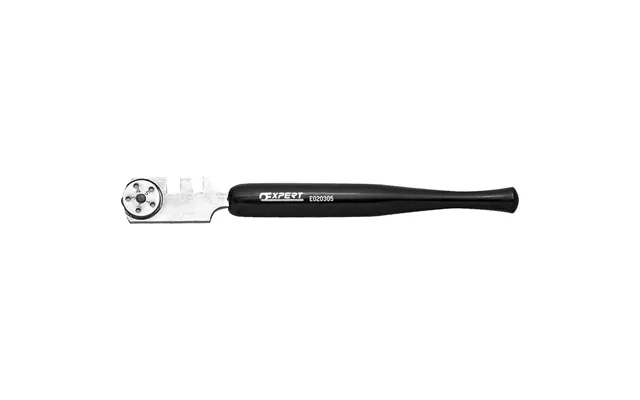
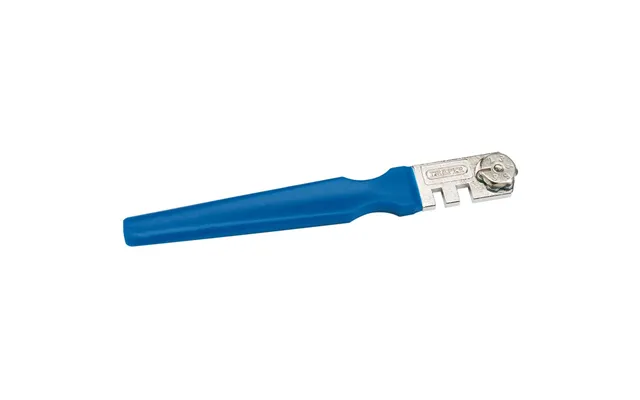
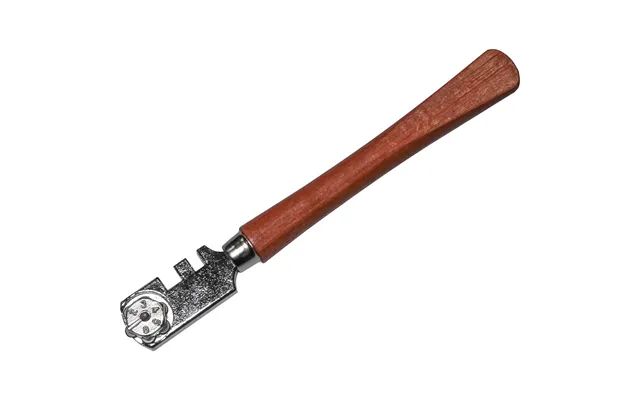
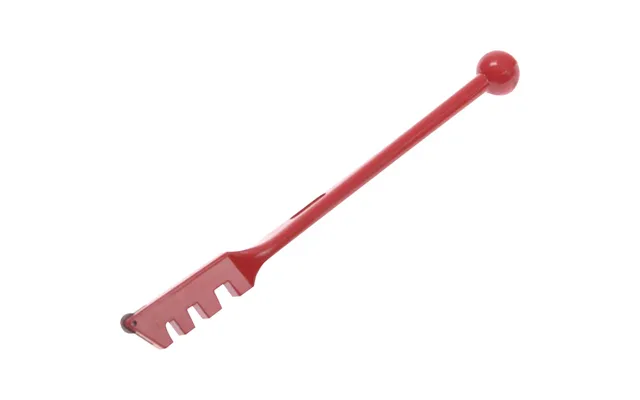
Carbide wheel cutters are the go-to for many DIYers and pros because they’re affordable and durable. The small circular wheel — often around 1/8" to 1/4" in diameter — scores the glass cleanly. Think of the wheel like a tiny skate blade that wants a straight track: with steady pressure it will lay down an even score line that’s easy to snap. They’re great for thin glass up to about 1/4" thick.
Oil-fed cutters have a small reservoir that releases lubricant to the wheel as you score. That oil reduces friction and keeps the wheel turning smoothly, which helps when you’re cutting dozens of pieces or working with thicker panes around 1/4" to 3/8". If you’ve ever driven long distances and wished your car had better cooling, you’ll appreciate the steady performance of an oil-fed cutter.
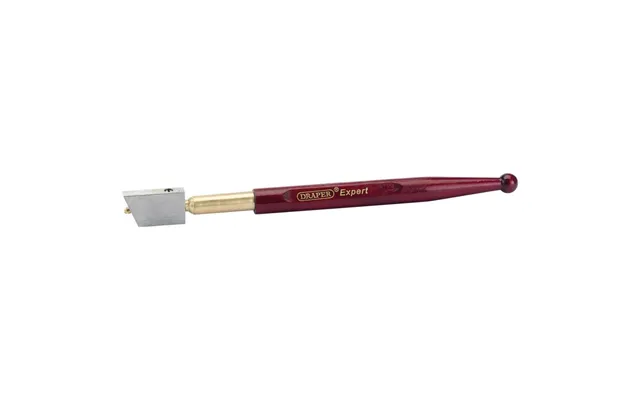
For tougher jobs — laminated glass, tempered edges where allowed, or thicker sheet glass — diamond-tipped cutters or tungsten carbide variants shine. The tip can handle more stress and keeps a consistent edge longer than cheap wheels. Expect to pay more, but if you work with glass regularly, the lifetime savings and cleaner results justify it.
Need perfect circles or repeated parallel cuts? Circle cutters and multi-wheel cutters are specialized tools that let you score arcs or multiple lines in one pass. They’re ideal for decorative glass or projects like cutting circular holes for vents. They add setup time but pay off when accuracy matters.
Running pliers are the gentle giant of glass breaking — you use them to apply even pressure on the score so the glass opens cleanly along the line. Their padded jaws grip without crushing, and with the right amount of squeeze, you’ll see the pane split like opening a book. They’re inexpensive and change a shaky break into a controlled one.
Suction cups make moving large panes safe and efficient, while a solid straightedge (metal or hardened aluminum, about 18" to 36" long) gives you the backbone for accurate scoring. Picture the straightedge as a ruler that won’t flex under pressure — that rigidity is the difference between a straight cut and a ragged, wasted piece.
Good cutting oil reduces heat and wear, prolonging the life of your wheel and giving a smoother score. A drip system or small bottle you can apply as needed works well. If you're doing long sessions, an oil-fed cutter is a convenience, otherwise apply a drop every few inches for best results.
Glass shards don’t care whether you’re a pro or a weekend warrior — they cut. Safety glasses with side protection and cut-resistant gloves are non-negotiable. Look for gloves rated for glass handling; they let you hold pieces close without risking lacerations. A simple pair of heavy-duty work gloves and wraparound safety glasses prevent many common accidents.
Set up on a flat, cushioned surface to absorb shock and hold the glass steady. Use a tape measure with clear markings in inches and a fine permanent marker for score lines. A clean, clutter-free area is like a calm stage for the performance: your cuts will be cleaner and your stress will be lower.
When you’re comparing glass cutters, look at wheel material, handle comfort, oil-feeding capability, and spare parts availability. Ergonomics matter — a comfortable grip reduces hand fatigue and improves control. Replaceable wheels and an available spare-parts ecosystem (wheels, springs, oil seals) mean you won’t have to buy a new tool every few months. For precision work, a cutter with a guided ball-bearing head keeps the wheel aligned for straighter scores.
Start by cleaning the glass and marking your cut with a straightedge. Hold the cutter like a pen with firm, steady pressure — not a death grip, but enough that the wheel bites into the surface. Score in one continuous motion; hesitating or re-scoring the same line can lead to jagged breaks. Think of it like writing a signature: confident and uninterrupted.
After scoring, use running pliers or the edge technique to snap along the line. Position the score line at the plier's jaw center, squeeze gently, and the glass should part along the score. For longer pieces, you can place the scored line over a straightedge and apply downward pressure at the short overhang — about the same motion as snapping a thin ruler.
After the break, use a sharpening stone or sanding block to knock down sharp edges. A file designed for glass or a silicon carbide stone will remove burrs and reduce the risk of cuts. Finish with a light sand along the edge until it feels safe to handle without gloves.
Treat your cutter like a precision instrument: keep it clean, replace wheels before they round off, and top up the oil if you have an oil-fed model. Store cutters upright and away from other tools to protect the wheel. If the wheel becomes inconsistent, replace it — pushing a worn wheel just wears down the glass more and ruins cuts. Little maintenance now prevents expensive mistakes later.
Glass cutters come in a wide price range depending on build and features. Basic carbide wheel cutters often start around £4 to £12, while oil-fed models and higher-end precision cutters can run £15 to £60 or more. Running pliers typically cost £8 to £30, suction cups from £6 to £25 depending on size, and diamond drill bits may range from £5 to £40 depending on diameter. If you’re hunting for bargains, comparison sites and price lists help you spot “popular offers” and seasonal discounts — think of them as the GPS that steers you to the best deal without circling the market.
For those just starting, a handheld carbide wheel cutter with a comfortable rubber grip and a spare wheel included is perfect. It’s cheap, forgiving, and teaches the basic motions without costing much if you make a mistake. Pair it with a 24" aluminum straightedge and a modest bottle of cutting oil to get going.
Pros should invest in a heavy-duty oil-fed cutter with a hardened wheel or replaceable diamond/tungsten heads. These tools stay consistent over many cuts and reduce downtime. Add a pair of high-quality running pliers and a suction cup carrier for moving large panes safely — the extra cost pays off in speed and fewer ruined pieces.
A mid-range oil-fed cutter with replaceable wheels offers the best value for most hobbyists. It balances upfront cost with long-term reliability, and spare parts are usually easy to find. If you cut glass weekly, this is the sweet spot between cheap and industrial gear.
For circular cuts or arcs, a purpose-built circle cutter or a multi-wheel head is essential. These tools clamp to the glass and score a perfect radius, producing clean circles for decorative inlays, lampshades, or vent holes. They take some setup but are invaluable if you need repeatable curved cuts.
Rushing, uneven pressure, and re-scoring are the most common errors. Always score once, with steady pressure, and avoid wobbling the straightedge. Another mistake is using the wrong wheel for the glass thickness — thin glass prefers a smaller wheel, thicker glass a sturdier tip. Finally, skipping safety gear or using dull wheels will ruin a job quickly. Slow down, set up, and treat the process like a short ritual rather than a race.
Many skip a proper set of diamond drill bits and a small water-cooling setup for drilling holes; that’s a regret when you need a clean hole for a faucet or light fixture. Also, a magnetic sweeper or brush to collect shards after cutting saves time and prevents injuries. These extras aren’t glamorous but they make your work cleaner, faster, and safer.
Match the tool to the sheet. For glass up to 1/8" thick, lightweight carbide wheel cutters work well. For 1/8" to 1/4", oil-fed or higher-quality carbide wheels are better. For thicker panes approaching 3/8" or specialty glass, use a diamond or tungsten-tipped cutter and professional breaking techniques. If you’re unsure, err on the side of a heavier-duty tool — it will usually cover more thicknesses reliably.
Dispose of glass shards responsibly by wrapping them in thick cardboard or heavy paper and labeling the package. Don’t toss sharp pieces loose into a trash bag where a sanitation worker could be hurt. Recycle sheet glass if local services accept it, and consider donating unused materials to community workshops.
Before you click “buy,” check for replaceable wheels, availability of spare parts, handle comfort, whether the cutter is oil-fed, and what accessories are bundled. Read user reviews for comments about wheel longevity and how clean cuts are under real-world conditions. A small extra spend on quality often saves money and frustration later — like investing in a good pair of shoes for a long walk.
With the right cutter and accessories, glass cutting becomes more craft than gamble. Equip yourself with the proper tool, learn a couple of reliable techniques, and you’ll turn what once felt risky into an everyday skill.
Glass cutting doesn't have to be intimidating. By understanding the types of cutters, investing in a few key accessories, and following simple safety and maintenance practices, you can achieve clean, precise cuts for everything from picture frames to custom home projects. Whether you’re a beginner looking for an economical starter kit or a pro investing in durable tools, comparing features, prices, and user feedback helps you make smart choices. Treat your tools well, practice steady scoring, and you’ll be surprised how quickly you gain confidence and control.