All categories
Business & Offices
Electronics & Media
Fashion & Accessories
Groceries & Essentials
Health & Personal Care
Home & Living
Kids & Family
Sports & Outdoors
Search in ZoneOffer

Loading...
If you’ve ever laid a brick, cut a paver, or mixed a batch of mortar, you already know this simple truth: the right masonry tools make the job faster, cleaner, and a whole lot more enjoyable. From classic brick trowels to diamond-tipped blades, the world of masonry tools is bigger than it looks at first glance. Looking to upgrade your kit or start fresh? You’re in the right place. This guide walks you through the essential tools, pro-worthy upgrades, and smart buying tips to help you compare options across the UK and grab great value without sacrificing quality.
Let’s kick off with the unsung heroes—the hand tools that bricklayers, stonemasons, and ambitious DIYers reach for every single day. These are the tools that shape, strike, smooth, and set the tone for everything else. Spend wisely here and you’ll feel the difference on the first project you tackle. We’ll cover trowels, hammers, bolsters, jointers, and more—all essential, all workhorses.
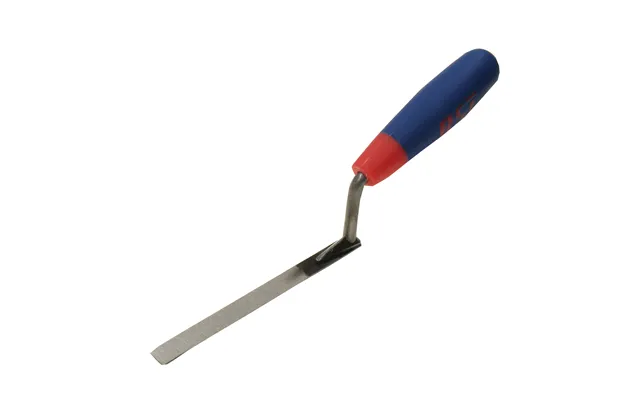
A quality brick trowel is like an extension of your arm. Look for a balanced design, a comfortable handle, and a stiff but responsive blade that lets you butter joints and spread mortar with precision. Popular sizes hover around 10 in to 12 in, with London and Philadelphia patterns being the most common. Pair it with a pointing trowel—typically around 4 in to 6 in—for tight spaces, repair work, and clean joint finishing. If you’ve been fighting wrist fatigue, consider a trowel with a soft-grip handle and a well-balanced tang; the difference is night and day on long days.
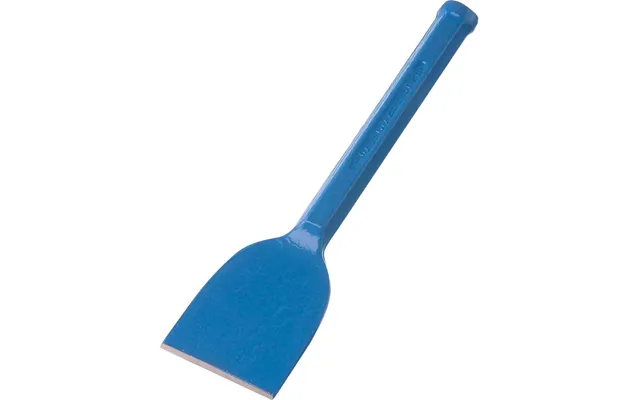
When you need to shape bricks, cut blocks, or chase out mortar, a good hammer-and-chisel combo shines. A brick hammer with a square face and chisel end lets you tap, split, and trim with control. For more force, a 2 lb to 3 lb club hammer paired with a 2 in to 4 in bolster chisel gets you clean, straight cuts. Want to protect edges and extend tool life? Choose forged-steel heads and impact-rated bolsters with hand guards. It’s not glamorous, but it’s the difference between crisp cuts and crumbly messes.
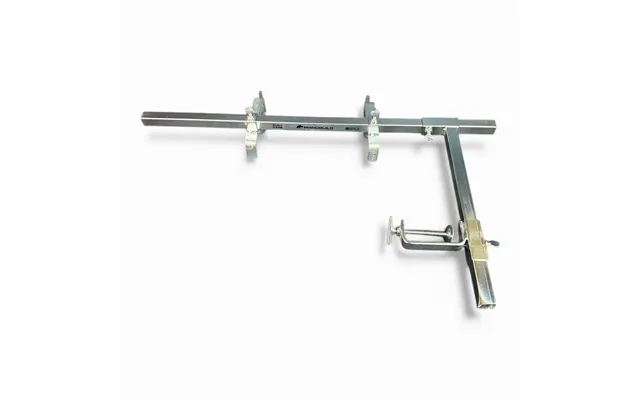
Neat joints aren’t just for looks—they help shed water and extend the life of your wall. Convex, concave, and V-shaped jointers each deliver a distinct profile. Stainless steel jointers resist rust, while double-ended options give you two sizes in one tool, typically ranging from 3/8 in to 5/8 in. For historic projects, a tuck pointer and beading set can recreate period-correct joints that look sharp and age well.
Cutting masonry is where precision meets power. Whether you’re handling paving stones, facing brick, or engineered slabs, you’ll want the right mix of saws, grinders, and blades to keep cuts accurate and edges sharp. Choosing wisely can save hours and reduce dust, noise, and headaches.
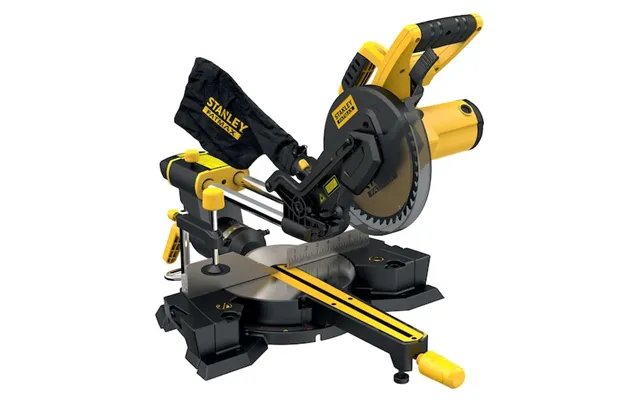
For straight, clean cuts in brick and stone, a dedicated masonry saw is the gold standard. Table saws with sliding trays keep your material stable and your cuts straight. Wet saws add water to cool the blade and cut down dust—especially helpful indoors or in tight backyards. Common blade diameters include 10 in, 12 in, and 14 in. If portability matters, consider a compact 7 in wet cutter; it’s light enough to move from site to site but still powerful enough for most brick and tile tasks.
Diamond blades are the MVPs for cutting tough materials. Segmented blades handle dry cuts and stay cool between gullets, while continuous-rim blades excel at smooth wet cuts in tile or marble. Turbo blades give you a hybrid option—fast and tidy. Match the blade to the job: a 4.5 in or 5 in blade for angle grinders, 7 in for compact saws, and 12 in to 14 in for larger masonry saws. Keep a dedicated blade for concrete and another for natural stone to extend lifespan and maintain cut quality.
Angle grinders are the Swiss Army knife of masonry work—great for trimming edges, cutting rebar, and raking out joints. A 4.5 in grinder is nimble; a 7 in grinder offers more depth for larger blocks or pavers. Invest in a shroud and connect to a dust extractor to keep silica under control. If you’ve ever cut without dust control, you know the cloud that follows; with a proper setup, you’ll wonder how you lived without it.
Whether you’re fixing a ledger board or installing railings, drilling into brick, block, or concrete demands the right mix of torque and impact. That’s where hammer drills and rotary hammers come into play, along with robust bits designed for punishing work. Get this wrong and bits glaze over in minutes; get it right and holes come out clean and consistent.
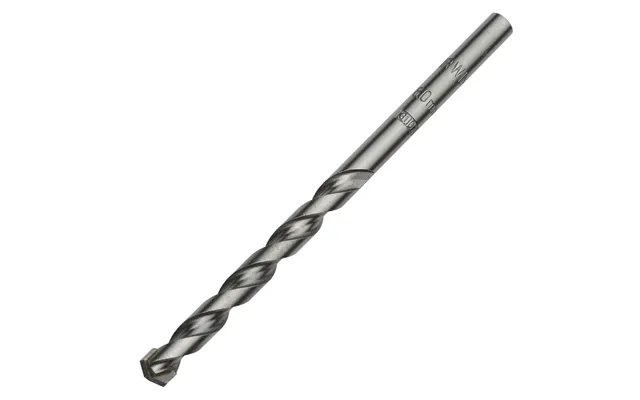
Hammer drills are ideal for smaller holes and light anchor work. Step up to an SDS-plus rotary hammer for faster drilling in tougher material. When the job turns heavy—think deep anchors or large holes—SDS-max tools come into their own. Keep a set of carbide-tipped bits in common sizes like 1/4 in, 3/8 in, 1/2 in, and 5/8 in, and let the tool do the work—no need to muscle it. For longevity, pulse the bit out to clear dust every couple of inches; it keeps the cutting face cool and fast.
Need holes for pipes, vents, or cables? Core bits are the cleanest way through block and concrete. Dry cores are handy for smaller diameters, while wet cores excel on longer, larger holes—2 in to 4 in sizes cover most household penetrations. Mark accurately, anchor securely, and keep the bit straight; a wobbly core bit is a recipe for binding and burn.
Mortar is the glue that holds everything together, and how you mix and handle it affects strength, spreadability, and finish. Too dry and it crumbles; too wet and it sags. The right tools streamline the process from mixing to laying, keeping your workflow smooth and your joints consistent.
A dedicated mortar mixer turns hard labor into an easy rhythm. Paddle mixers fitted to a drill work fine for small batches, but for bigger jobs a stand mixer gives consistent texture without beating the mix to death. Use a hawk or mortar board to stage material close to the work—wood boards are classic, but polymer boards resist water and clean up quickly. Keep lift height comfortable; if you’re reaching, you’ll waste time and energy.
The humble bucket is a jobsite essential—look for heavy-duty handles and thick walls. For repair work or tight joints, a grout bag or pointing gun lets you place material exactly where you want it with minimal mess. It’s like piping frosting, but less sweet and a lot more gritty. Clean the nozzle promptly; dried mortar turns a precise tool into a blunt instrument fast.
Precision separates tidy builds from wavy, uneven walls. Measuring and layout tools keep lines straight, courses level, and corners square. Spend a little extra time here and your later steps get easier. Think of this stage as setting the rhythm your build will dance to.
A rugged level is non-negotiable. Box levels in 24 in and 48 in lengths cover most tasks; a torpedo level is perfect for tight spots. Add a framing square and a chalk line for layout. Snap clear lines, double-check corners, and keep that bubble centered. If your level is off, everything downstream suffers, so check calibration regularly and store it carefully.
Mason’s line, line blocks, and corner profiles guide straight, consistent courses. Pull the line tight and check it often; a sagging line sneaks errors into your wall one course at a time. For long runs, intermediate line pins keep tension where you need it. It’s a simple system that delivers laser-straight results without the electronics.
Once the heavy lifting is done, finishing tools shape the final look. Edges, joints, and surfaces tell the story of your craftsmanship. With the right tools and a light touch, you can bring out crisp lines, weather-resistant joints, and a professional sheen that lasts.
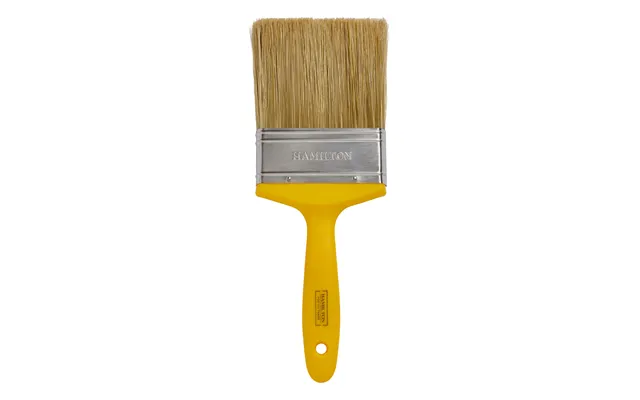
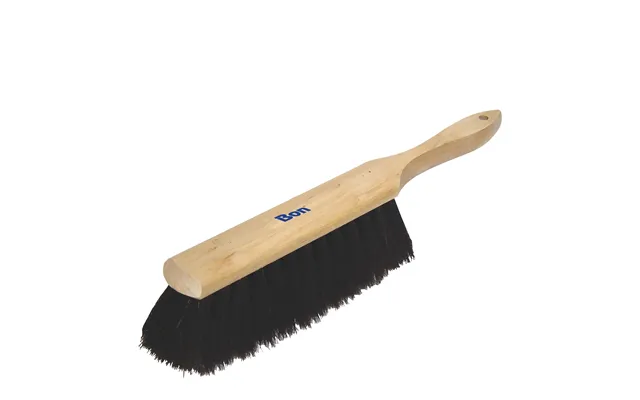
Magnesium and resin floats help bring fines to the surface and prep for finishing. A darby—typically around 36 in—levels and smooths wider areas. Finish up with a stiff-bristle brush to texture joints, remove crumbs, and give mortar a refined look. For stonework, a soft brush cleans dust without scouring the surface.
Scutch hammers and scutch combs are brilliant for dressing stone and chasing out old mortar during repoints. For raking, specialized joint rakers—manual or powered—help you remove old material to the right depth, usually 1/2 in to 3/4 in, to ensure new mortar bonds properly. Don’t rush this step; good prep means durable repairs.
Masonry work kicks up dust, chips, and noise—none of which are friendly. Safety gear isn’t optional; it’s the baseline that lets you keep working year after year. The right kit keeps your lungs clear, your eyes safe, and your ears happy, while dust management keeps the jobsite tidy and compliant.
Start with safety glasses or a full-face shield, hearing protection rated for power tools, and heavy-duty gloves. Add knee pads for long sessions and steel-toe boots for impact protection. When cutting or grinding, a respirator rated for fine particulates is essential—silica is no joke. Keep a first-aid kit close and hydration closer; masonry days can be long and dusty.
Connect saws and grinders to a dust extractor with a proper hose and shroud. For high-dust tasks, wet cutting keeps particles down and blades cool. Position fans to move air away from your face and out of the workspace. Good dust control isn’t just about comfort—it’s about long-term health and clean, professional sites.
Choosing tools shouldn’t feel like guesswork. Start with your material, project scale, and finish expectations. Then balance budget against durability and performance. For some tools, “buy once, cry once” applies; for others, mid-range gets you 90% of the benefit for a friendlier price.
Brick likes clean cuts and crisp joints; stone can demand heavier hitters and softer finishes. Concrete needs robust bits and blades designed for aggregate. Match your blades, bits, and trowels to the material. If you’re mixing materials—say, facing brick with concrete lintels—keep a couple of specialized blades on hand so you’re not forcing one tool to be a jack-of-all-trades.
If you’re tackling a patio or small garden wall, a reliable mid-range tool set will serve you well. Pros and frequent users benefit from premium trowels with superior balance, heavy-duty mixers that run cool all day, and pro-grade blades that hold their edge. Upgrades that reduce fatigue—lighter trowels, cushioned grips, vibration-damped grinders—pay back every time you pick them up.
Across the UK, you’ll find a wide field of reputable brands for masonry work. For trowels and hand tools, long-standing names in bricklaying are popular for good reason—balance and durability matter. For power tools, mainstream options from well-known manufacturers offer compatible systems, reliable warranties, and plenty of accessories. Diamond blade specialists often deliver excellent cost-per-cut. If you’re building a kit from scratch, consider bundle sets—bricklaying sets with trowels, jointers, and a hawk can be great value and ensure consistent quality across your most-used tools.
Look after your tools and they’ll look after your work. Clean trowels before mortar sets, oil moving parts lightly, and store blades dry to prevent corrosion. Don’t force dull chisels; reface or replace them. Mark your levels and keep them out of the rough-and-tumble. For blades, let the tool do the work—excessive force overheats diamonds and shortens life. A little discipline here means your kit stays reliable, project after project.
Tool prices can swing with seasons, promos, and stock levels. By comparing prices across multiple UK retailers, you can spot genuine deals and avoid overpaying. Watch for bundle discounts on hand tools, multi-buy offers on blades and bits, and seasonal clearances on saws and mixers. A few minutes of comparison can shave serious costs off a full kit upgrade.
A dedicated comparison site helps you scan offers from different sellers at a glance, filter by brand or spec, and confirm you’re getting real value—not just a flashy sticker price. It’s especially handy for high-ticket items like wet saws, rotary hammers, and premium blade packs, where the difference between the best and average offer can be substantial. Plus, you can weigh features side by side before clicking through to buy from the retailer you prefer.
Need just one blade today, or a full set next month? If you can plan ahead, you’ll save more. Big-ticket tools often dip during seasonal promotions, while consumables like blades and bits tend to drop in multi-pack deals. If you’re gearing up for a larger project, grab bundle sets for trowels, jointers, and layout tools—they usually combine quality essentials at a better price than buying piecemeal.
Sometimes it’s the little extras that speed you up. Line blocks and pins keep courses straight with minimal fuss. A robust mortar stand brings your board up to a comfortable height. Knee pads protect joints on long laying days. A quality tool bag or box keeps your kit organized so you spend time building, not hunting for that one elusive jointer.
We’ve all been there—using the wrong blade, mixing mortar too wet, or rushing layout lines. Avoid forcing dull tools; it wastes time and can damage material. Keep a spare blade and backup bits on hand so you never stall mid-cut. Double-check level and line every few courses; small errors snowball fast in masonry. And remember: clean tools at day’s end is tomorrow’s head start.
Whether you’re restoring a garden wall, laying a new patio, or tackling a full-scale build, the right masonry tools are your shortcut to cleaner work, straighter lines, and a finish you’re proud to show off. Invest smartly in hand tools you’ll touch all day, pick power tools that match your material, and choose blades and bits designed for the task. Compare prices across the UK to stretch your budget further, and don’t overlook the small add-ons that streamline your flow. With a well-chosen kit and a little care, your next project won’t just look professional—it’ll feel effortless from first course to final brush.
| Masonry Tools - Other | Price | |
|---|---|---|
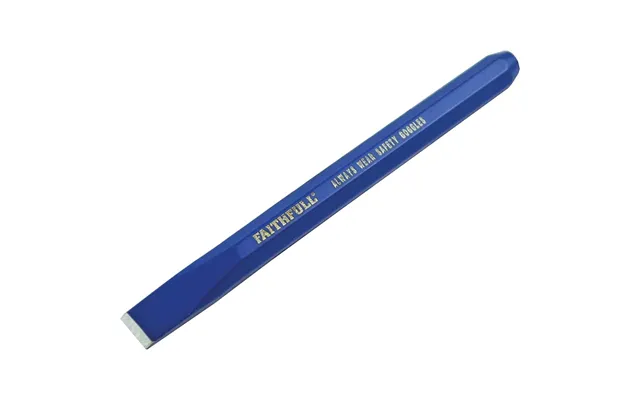
| Faithfull Fai612 150mm Cold Chisel | £ 1,47 | |
| Xtrade X0900160 Double Scutch Hammer 26oz | £ 9,44 | |
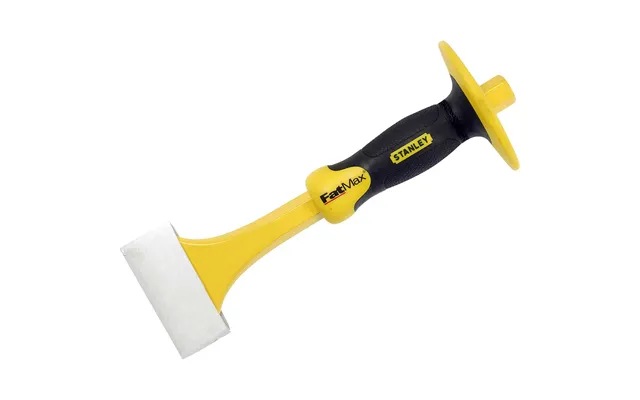
| Stanley 418331 Fatmax Floor Chisel With Guard 75mm | £ 13,13 | |
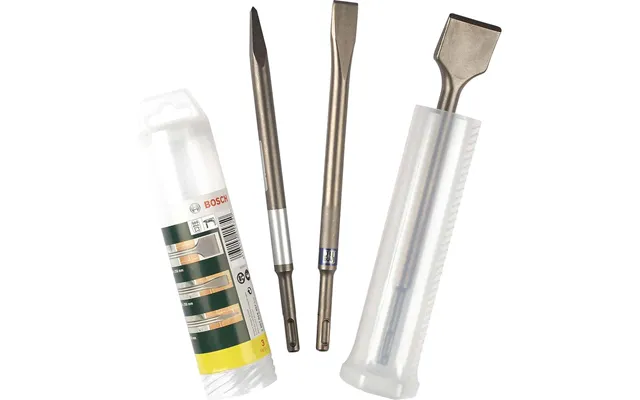
| Bosch 2607019457 Sds Plus Chisel Set | £ 17,67 | |
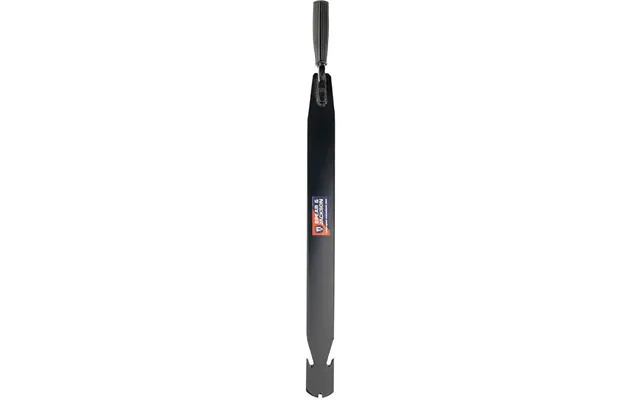
| Spear & Jackson Sjslr Slaters Ripper | £ 22,38 | |
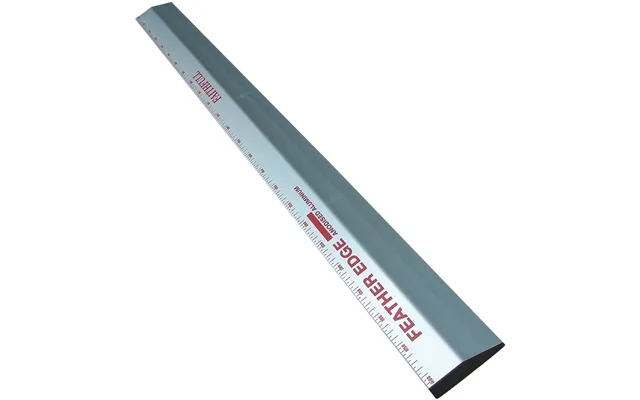
| Faithfull Faife2 2m X 93mm X 25mm Feather Edge With Scale | £ 34,10 | |
| Xtrade X0900248 10 250mm Tamper | £ 41,08 | |
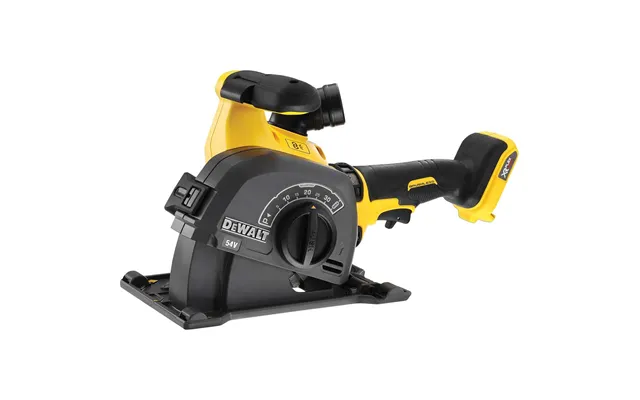
| Dewalt Power Tools Dewalt Dcg200ntxj 54v Xr Flexvolt Wall Chaser 125mm Bare Unit | £ 1.093,95 |