All categories
Business & Offices
Electronics & Media
Fashion & Accessories
Groceries & Essentials
Health & Personal Care
Home & Living
Kids & Family
Sports & Outdoors
Search in ZoneOffer

Loading...
A saw horse is the unsung hero of the workshop: a tough, portable support that turns any corner of your garage, driveway, or jobsite into a capable workstation. Pair two together and you’ve got a stable platform for cutting sheet goods, ripping 2x4s, painting doors, or assembling cabinets. Sounds simple, right? It is—but the right saw horse can be the difference between wobbly frustration and work that feels smooth, safe, and efficient.
Great saw horses deliver stability, repeatable setup, and a safe stance for your tools and materials. They hold weight without flinching, fold quickly, and stay out of your way when space is tight. Think of them as portable legs for a workbench you can build anywhere. With a couple of 2x4s across the top, you can form a sturdy table, a cutting platform with a sacrificial surface, or a paint station that won’t mark your trim.
If you cut lumber, sheet goods, doors, or trim—even once in a while—you’ll benefit. DIYers love light, foldable models for weekend projects. Woodworkers appreciate wide, stable tops for assembly and sanding. Pros demand heavier‑duty, adjustable options that can stand up to rough jobsites. If you’ve ever balanced a board on a chair and wished for something better, this is your upgrade.
Not all saw horses are created equal. Some are light and nimble; others are rugged and unyielding. The best choice depends on what you’re building and how often you work. Let’s zero in on the features that make the biggest difference day to day so you can skip the gimmicks and focus on what matters.
Capacity is your baseline. Many reliable pairs are rated around 1,000 lb together, with heavier models stepping up to 1,200–2,000 lb per pair. Look for wide stances, cross‑bracing, and locking mechanisms that eliminate sway. If you’re supporting a full sheet of plywood or a solid‑core door, stability beats flashy extras every time.
Common heights land near 30–32 in, which suits most users. Adjustable legs help match your tool height or compensate for uneven ground. Tops with anti‑slip strips, replaceable caps, or sacrificial edges protect both your material and the horse. Bonus points for top notches or brackets that accept 2x4s to create a broader, bench‑like surface in seconds.
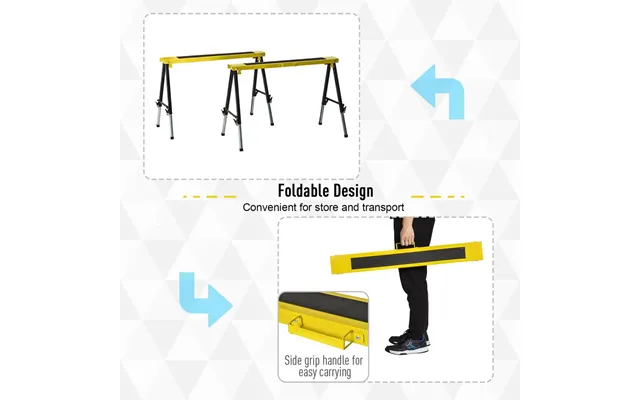
If you’re moving between rooms or jobsites, a lightweight pair that folds flat and locks shut is a back saver. Built‑in carry handles and compact leg geometry make hauling easy. Some models nest together so two horses carry like a slim briefcase—perfect for small vans and jam‑packed garages.
Steel frames are tough and resistant to flex, ideal for heavy loads and daily use. Reinforced plastics are lighter, won’t rust, and are gentle on finished surfaces. Wood remains the traditional choice for custom, sacrificial tops and shop‑built solutions. The right pick balances weight, strength, and the abuse you expect to dish out.
From compact folders to muscle‑bound brutes, there’s a style for every workflow. Knowing the differences helps you match the tool to the job rather than forcing a one‑size‑fits‑all solution. Here are the most common types you’ll find when browsing popular offers and price lists.
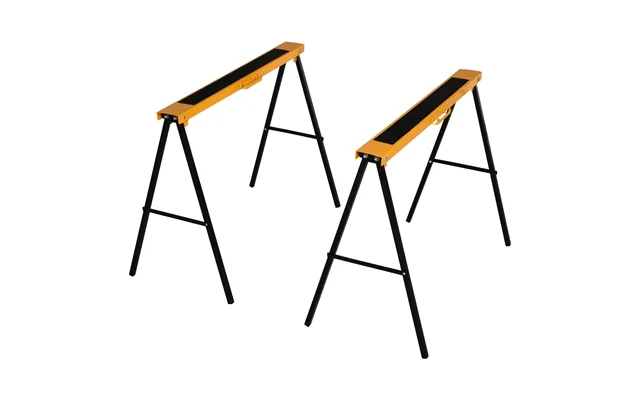
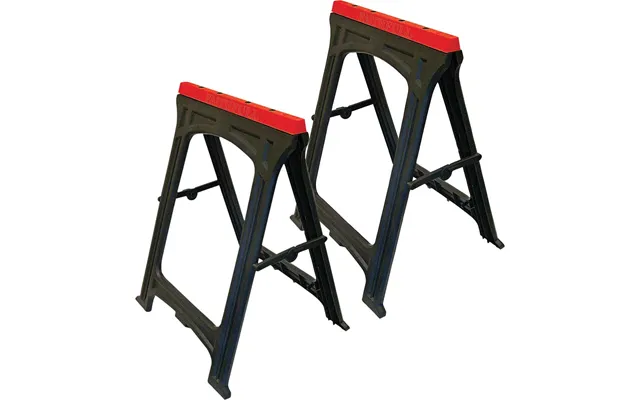
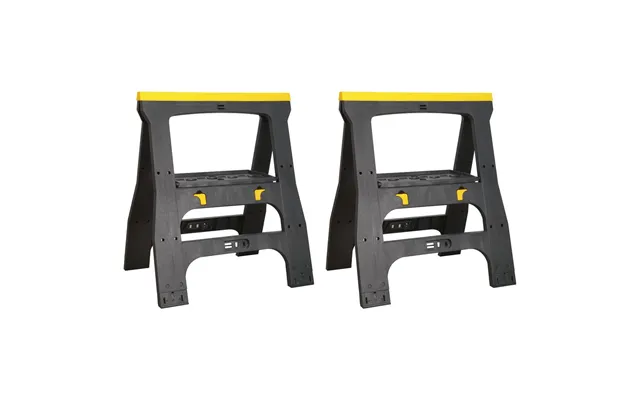
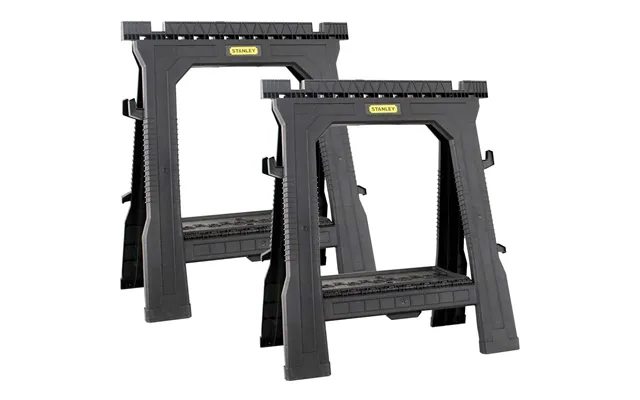
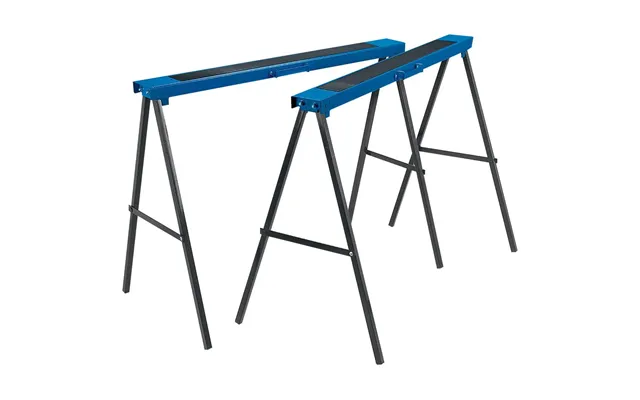
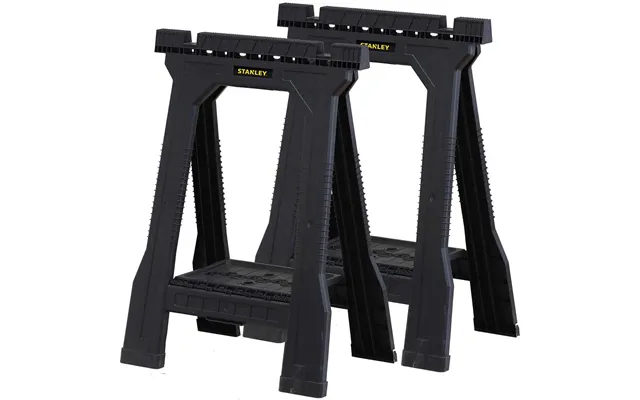
Lightweight, affordable, and surprisingly strong, folding plastic pairs are weekend warriors’ favorites. Many include 2x4 slots, cord hooks, and non‑marring feet. They’re ideal for painting, light carpentry, and quick setups in tight spaces. If you need speed and convenience more than brute force, these are a smart buy.
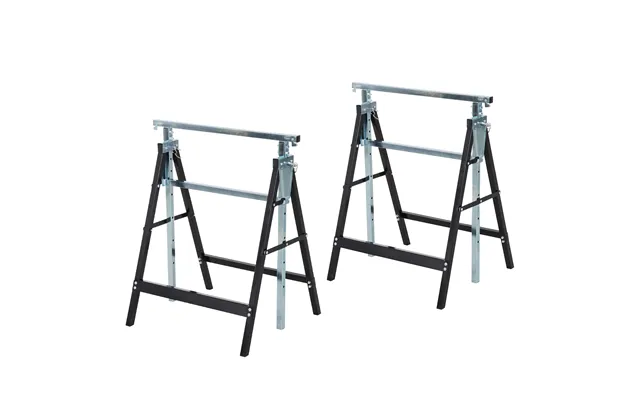
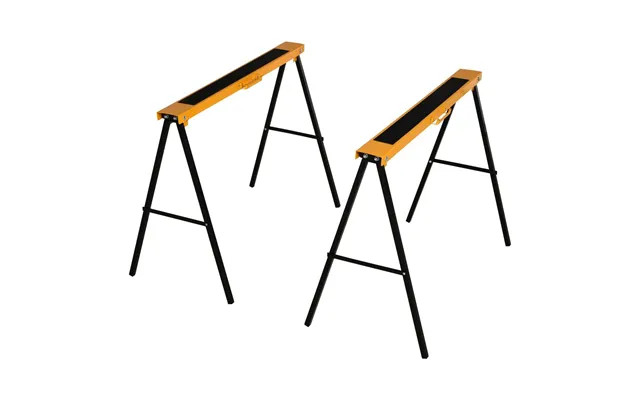
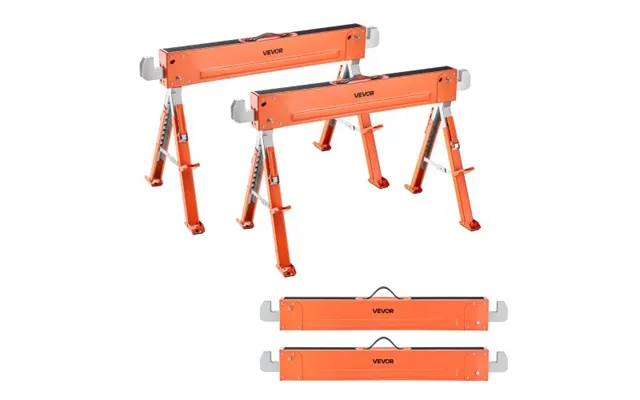
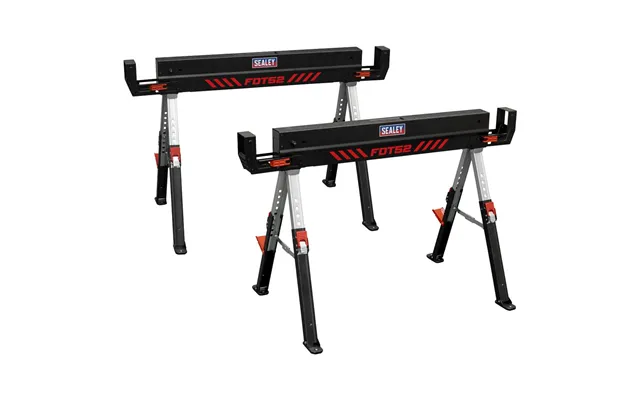
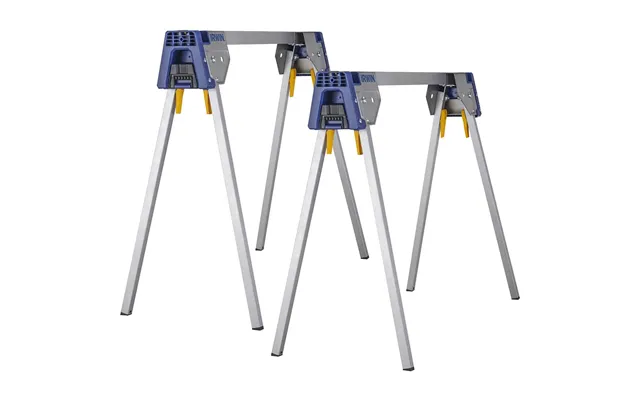
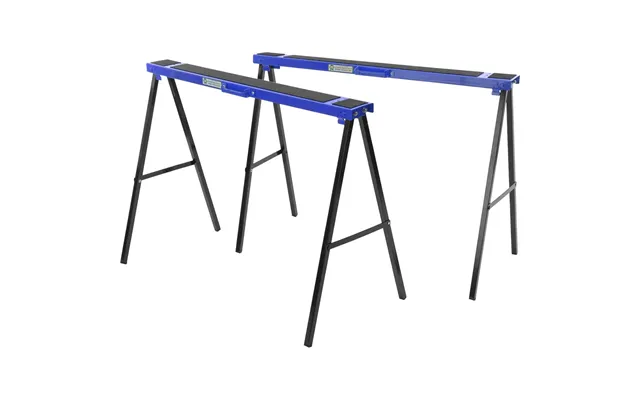
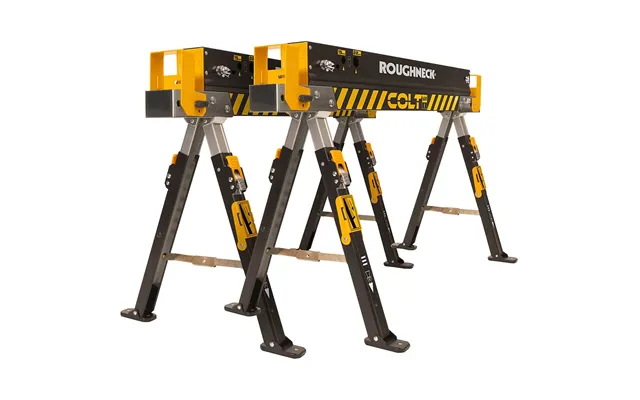
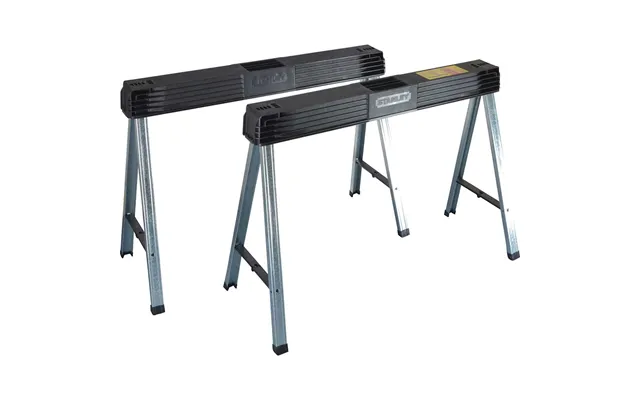
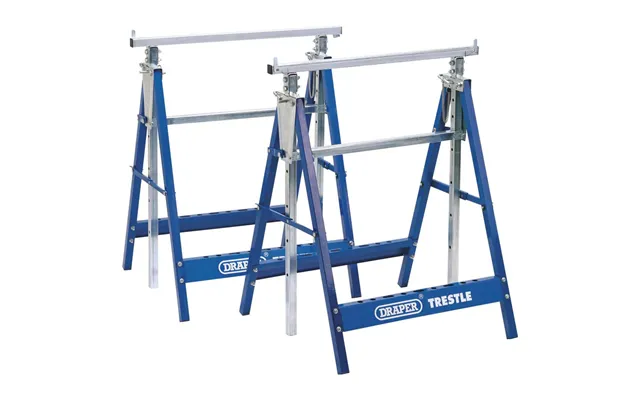
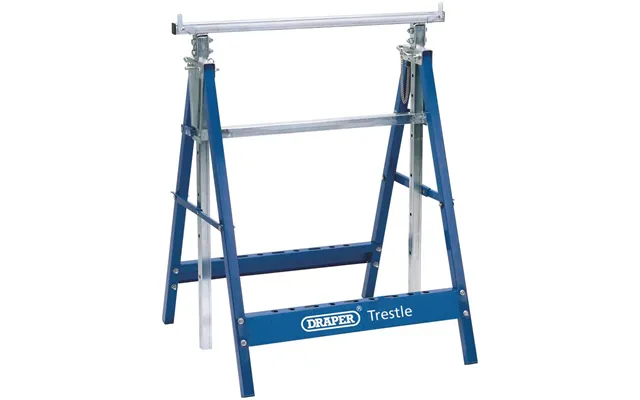
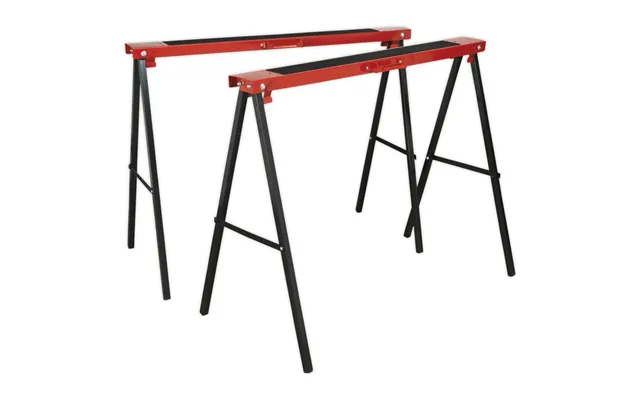
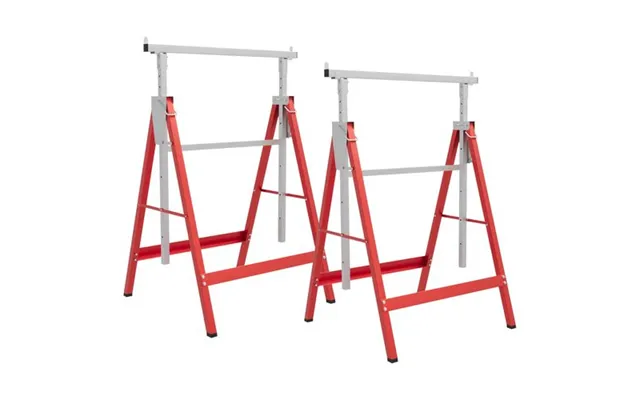
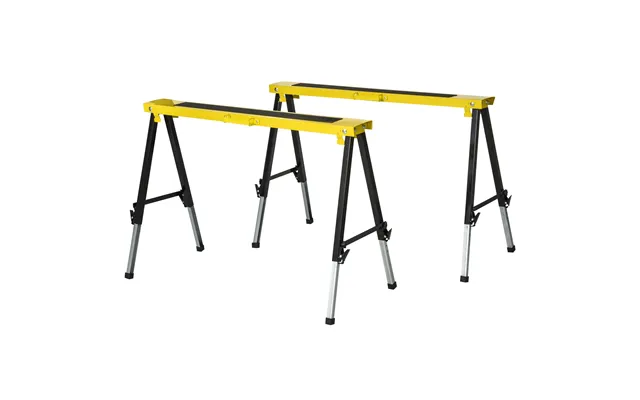
Steel models are the jobsite workhorses. Expect higher weight ratings, adjustable legs, and rock‑solid frames that shrug off abuse. They’re a bit heavier to carry but pay you back with stability and longevity. If you regularly support thick hardwood slabs, doors, or stone‑topped panels, steel is worth the extra heft.
Some jobs demand extra capability—think precise height matching or a third hand to hold awkward pieces. Adjustable and clamping designs go beyond basic support, turning your setup into a versatile workstation that adapts to the project instead of the other way around.
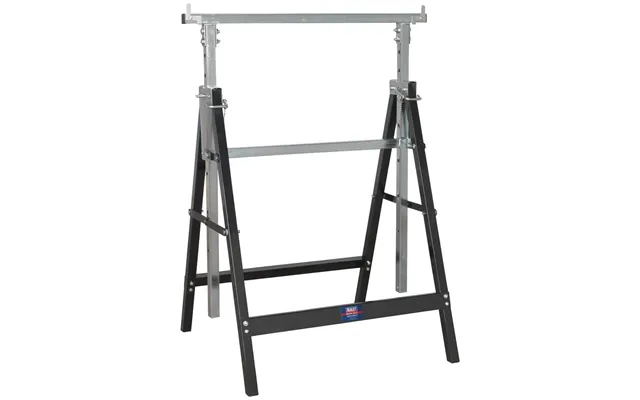
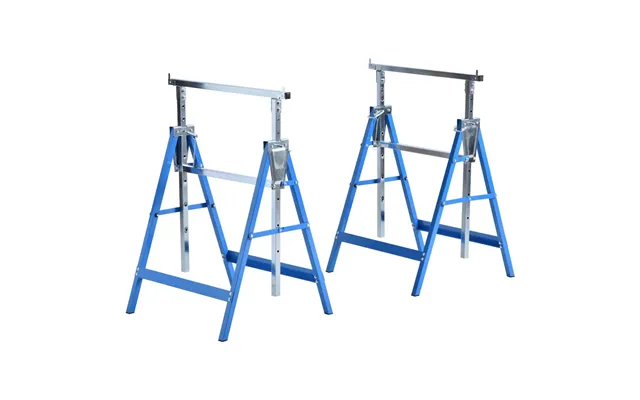
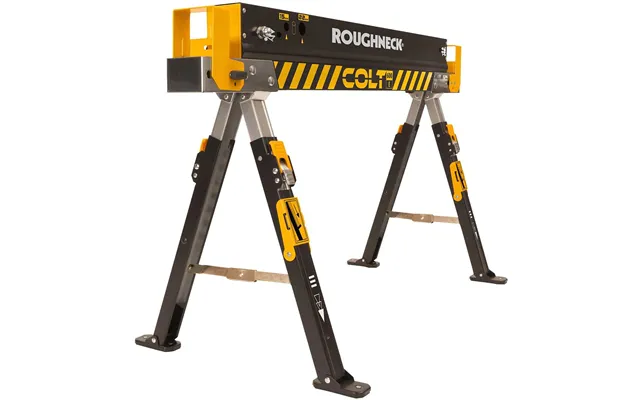
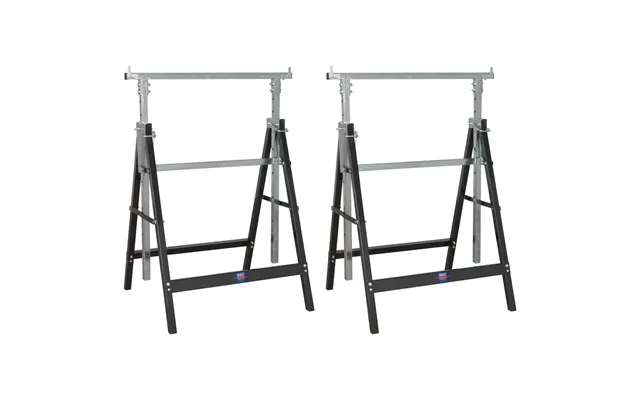
Adjustable models let you dial in heights from roughly 25–32 in or more, perfect for aligning with a miter saw, matching a benchtop, or leveling on uneven ground. Look for positive locks, large buttons you can operate with gloves, and clear height markings. Stability shouldn’t suffer when extended, so test for wobble.
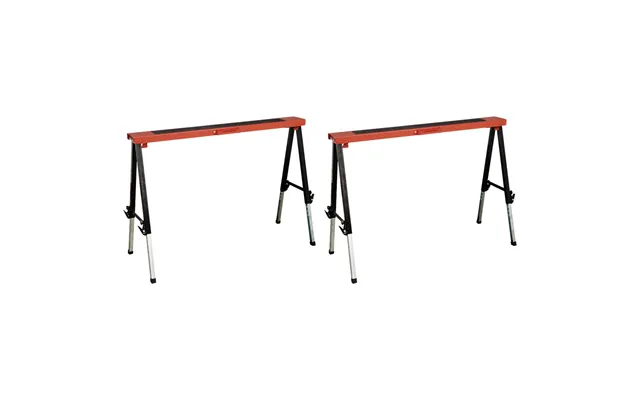
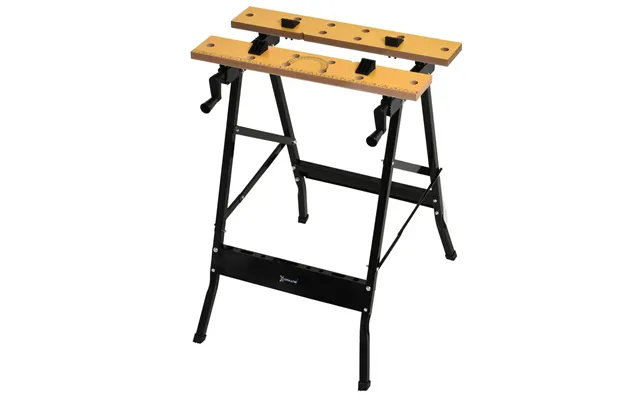
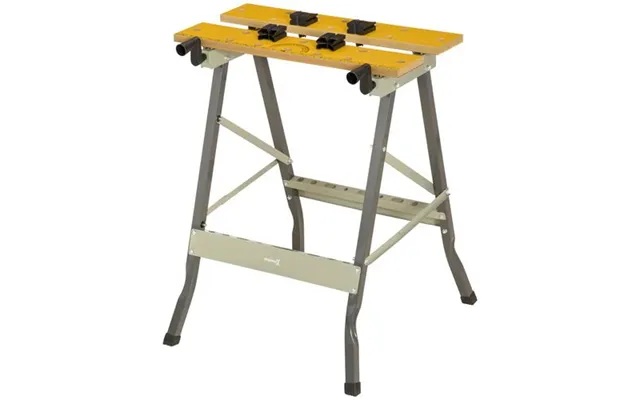
Clamping designs (often with foot‑operated jaws) grip doors, frames, and odd‑shaped parts so you can cut, sand, or route without an extra set of hands. They’re fantastic for solo workers. Check jaw width, clamping force, and compatibility with accessories like support arms or roller stands.
Part of the charm of saw horses is how customizable they are. You can buy a rugged pair that collapses in seconds—or build your own and replace the tops whenever you like. The right choice comes down to time, budget, and how particular you are about height and surface.
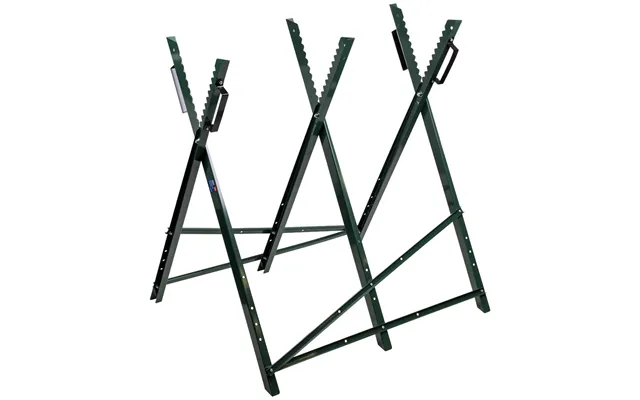
DIY builds shine for custom heights and sacrificial tops you won’t hesitate to cut into. Knock them together from 2x4s, add a stiff top beam, and you’ve got robust, shop‑friendly supports. They’re heavier and not as compact, but if you want a stable, non‑precious surface, DIY wood is hard to beat.
If portability, adjustability, and quick folding are must‑haves, ready‑made options win. Modern plastic or steel pairs pack smart features, lock tightly, and travel easily. They’re also consistent: no guesswork about capacity or stability. For many users, that reliability is worth every penny.
Choosing the right saw horse is easier when you picture the work. Are you breaking down plywood? Setting up a miter saw? Painting paneled doors? Let the task point you to the features that matter most so you’re never fighting your tools mid‑project.
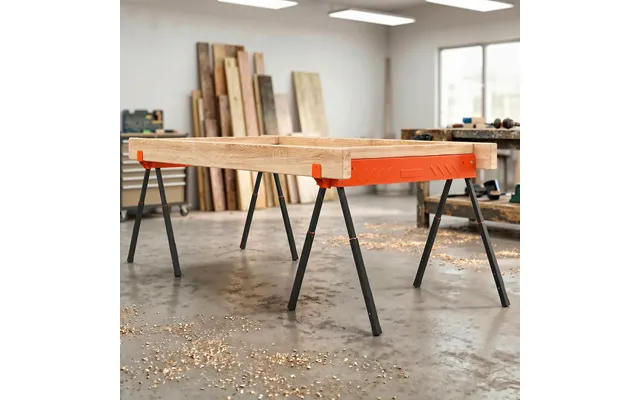
Pair two sturdy horses with a 2x4 frame and a plywood top, and you’ve got a flat platform for a miter saw. Adjustable heights help align feed and outfeed. Add roller stands or auxiliary supports if you cut long trim or decking boards. Stability around 30–32 in high keeps cuts accurate and safe.
Drop a sheet of plywood across two horses, screw on a sacrificial layer, and you’ve made a bench you can beat up without guilt. It’s perfect for cabinet boxes, furniture assembly, or sanding panels. A wide stance and non‑slip top keep your work steady so your tape measure and square deliver exact results.
Browsing a price list can feel like walking down a tool aisle blindfolded—so many similar options, subtle differences everywhere. Cut through the fog by matching your needs to clear tiers: budget, mid‑range, and premium. Comparison sites like ZoneOffer make it easy to scan popular offers side by side without the guesswork.
On the affordable end, folding plastic pairs with 2x4 slots and non‑slip tops deliver a lot for the money. They’re easy to carry, store flat, and handle typical DIY loads. If your projects are occasional and materials are modest in weight, budget models offer excellent value without over‑engineering.
Premium options add heavier steel frames, higher capacities, adjustable legs, and clever features like shelves, end stops, and integrated clamps. If you earn your living on the tools or demand dialed‑in ergonomics, the upgrade pays off in precision, safety, and lifespan. Buy once, cry once, as the saying goes.
Small details add up. Two saw horses with the right extras often beat a heavier, pricier bench. When you’re comparing models, keep an eye on the touches that you’ll use every single day, not just the headline capacity printed on a label.
2x4 brackets let you build a quick, wide platform. Folding shelves between the legs store fasteners and support short offcuts so they don’t tumble. End stops on the top beam help keep stock from sliding during repetitive cuts. These simple upgrades translate to smoother, safer workflows.
Rubber feet protect finished floors and help on slick concrete. Anti‑slip surfaces keep sheet goods from skating while you position a cut. Built‑in handles and locking legs make transport painless. If you move your setup often, these creature comforts are more valuable than you’d think.
A few smart habits transform basic supports into a dialed‑in workstation. Think modular, think fast, and think safe. The goal is simple: spend less time wrestling your setup and more time making clean, confident cuts.
Lay 2x4 stringers across the horses, screw down a plywood sheet, and add a thin sacrificial layer on top. Now you can cut straight through without worrying about the surface beneath. When it’s chewed up, replace it. A flat platform also keeps your circular saw from binding mid‑cut.
Adjustable legs or shims under the feet help keep the top dead level, which matters for square assemblies and accurate miters. On rough concrete or pavers, widen the stance and lock the legs. If one horse rocks, move it—don’t fight it. Stability is safety.
Working on saw horses feels casual, but the risks are real. The good news? A handful of habits and checks will keep you out of trouble. Build them into your routine and you’ll cut cleaner, faster, and far more confidently.
Stay within the stated capacity and consider the distribution of weight across the top. Heavy slabs or stone panels need centered support and a wider base. If you’re unsure, add a third horse in the middle. It’s cheap insurance against sudden sag or tip‑over.
Support both sides of a cut so the offcut can fall away without pinching your blade. On long rips, set a clear exit path for the piece. Keep cords clear, wear eye and ear protection, and never reach under a running blade—common sense that pays off every single time.
Treat your saw horses like any core tool: a quick wipe here, a tune‑up there, and they’ll serve for years. Dust, moisture, and impacts are the usual enemies. Keep an eye on moving parts and don’t ignore the little creaks—they’re telling you something.
Brush off dust, wipe with a light cleaner, and dry after wet jobs. For steel frames, check for chipped paint and touch up to prevent rust. Lubricate hinges and locking pins sparingly. If tops are replaceable, swap them when grooves get deep so your work stays true and supported.
Wooden tops are sacrificial by design. Plane or sand them flat when they get rutted, and replace as needed. Tighten screws and re‑glue loose joints. A quick coat of finish can slow moisture creep, but don’t obsess—function beats beauty on a surface meant to be cut.
Choosing the best saw horses isn’t about collecting maximum features—it’s about matching the right support to the way you work. If you value speed and portability, folding plastic models will surprise you. If you demand rock‑solid stability and height control, steel and adjustable designs are worth it. Add smart setup tricks, respect weight limits, and keep your tops fresh, and your saw horses will turn any patch of floor into a capable workshop. When you’re comparing popular offers and scanning a price list, focus on capacity, stability, adjustability, and the small conveniences you’ll use every day. Do that, and you’ll buy once, work faster, and wonder how you ever managed without them.
| Saw Horses | Price | |
|---|---|---|
| Stanley Junior Folding Sawhorse Twin Pack | £ 38,40 | |
| Stanley Stst813371 Folding Metal Sawhorse 450kg Twin Pack | £ 43,61 | |
| Evolution 0050003 Metal Folding Sawhorse Stand Twin Pack | £ 44,73 |