
Abrasive Blasters price list
Last updated Sunday, 27 Sept 2026



View 19 Offers

Loading...
Last updated Sunday, 27 Sept 2026
An abrasive blaster is a high-impact surface prep tool that propels media—think sand substitutes, glass bead, soda, or steel shot—at speed to clean, strip, etch, or finish materials. If you’ve ever looked at a rusty bracket and wished you could “time travel” the corrosion away, that’s what blasting feels like. With the right setup, you can remove paint, rust, scale, and grime in minutes, leaving a surface that’s ready to weld, paint, or powder coat.
While the term “sandblaster” is still common, most modern systems use alternative media for performance and safety. Today’s abrasive blasters range from handheld siphon guns for quick touch-ups to pressure pots and sealed cabinets for production work. The best part? You can compare models and prices side by side on a dedicated comparison site like ZoneOffer to score the right tool at the right price without guesswork.
Not all blasting systems are built alike. The “best” type comes down to what you’re blasting, how often you’ll use it, and the compressor you already own. Here’s how the major categories stack up so you can narrow your shortlist fast.
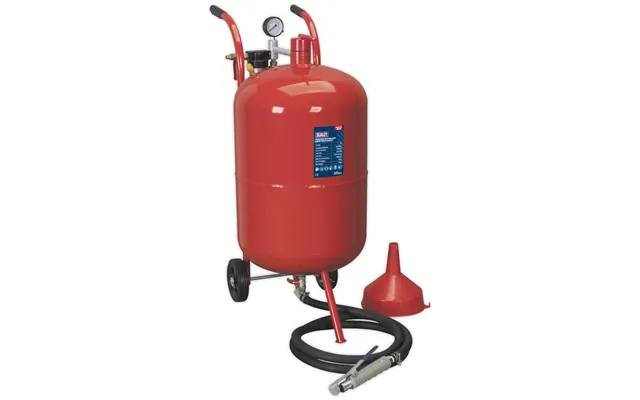
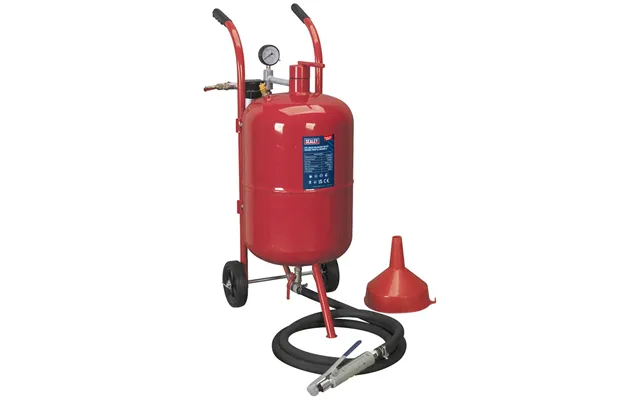
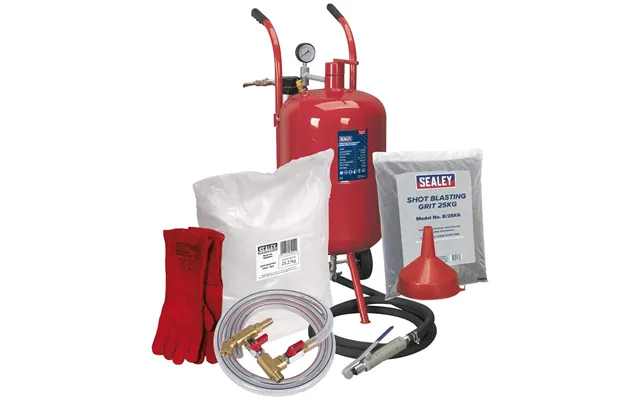
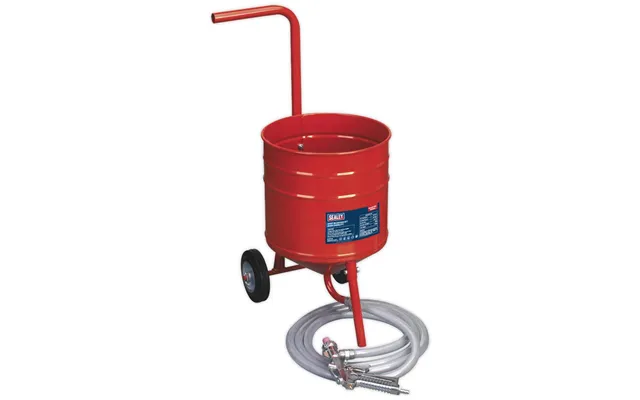
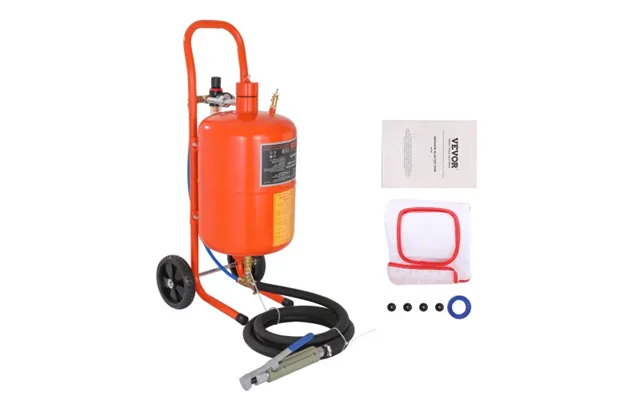
Pressure pot systems push media under pressure directly to the nozzle, delivering fast removal rates and consistent flow. If you’re tackling frames, axles, gates, or heavy-scale steel, a pressure pot shines. Typical working pressures run from about 60 to 125 PSI, with a sweet spot often around 80 to 100 PSI depending on media. These units usually carry 10 to 20 gallons of media in the mid-range, with pro models pushing 20 to 100 gallons for longer blasting sessions between refills.
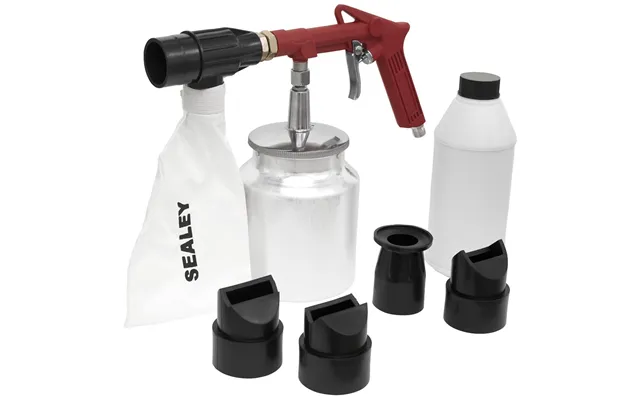
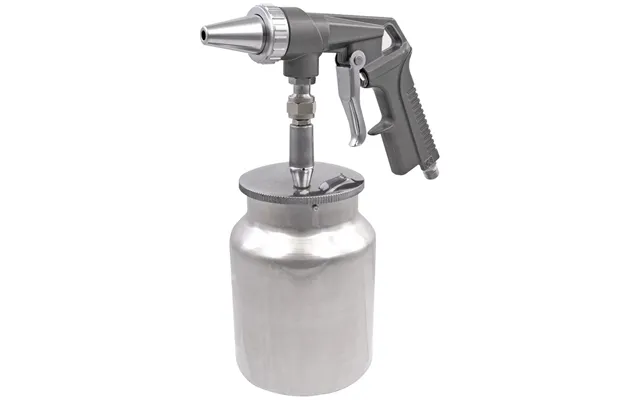
These are the “plug-and-play” heroes for hobbyists. A siphon gun draws media from a bucket or hopper using airflow; gravity-feed puts a small cup above the gun. They’re simple, inexpensive, and perfect for light rust, small brackets, or delicate parts. You won’t strip a truck chassis quickly with one, but for short jobs and tight corners, they’re incredibly handy. Most run happily at 60 to 90 PSI and pair well with compressors in the 5 to 10 CFM range at 90 PSI.
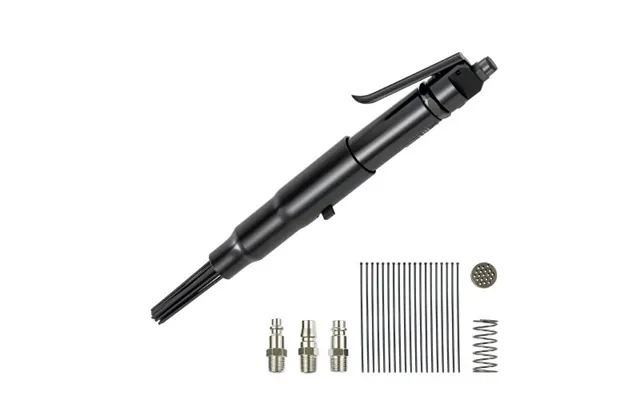
Spot blasters and pencil-style tools deliver precision for tiny areas—think a rust bubble on a fender or a single weld bead. They’re light, maneuverable, and great for on-site touch-ups. You’ll sacrifice coverage for control, but when you need to save surrounding paint or work near trim, that’s a fair trade.
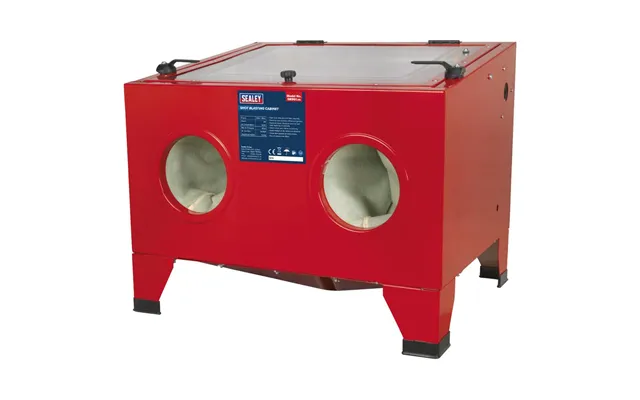
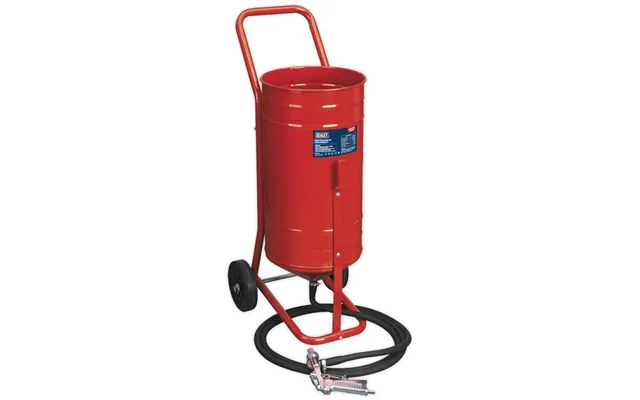
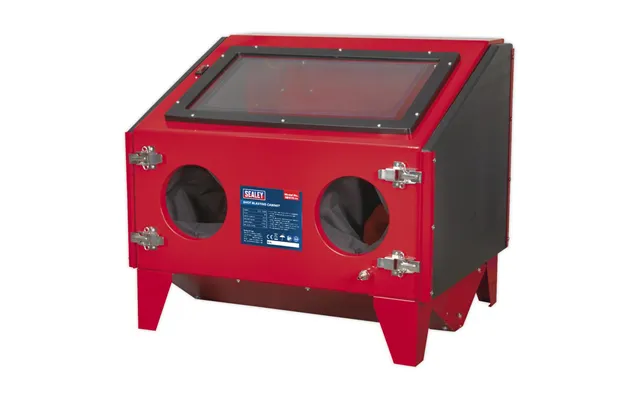
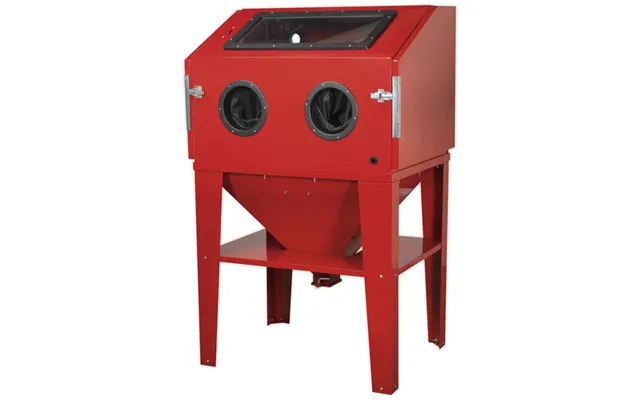
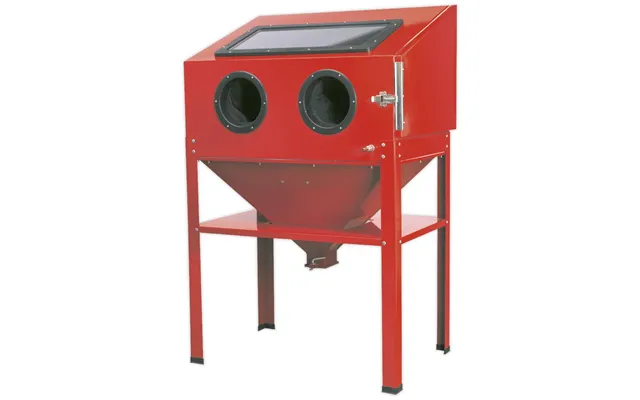
Cabinets enclose the process, capturing dust and recycling media. If you rebuild carbs, restore hardware, or refinish aluminum covers, a cabinet is gold. You get bright, even finishes using glass bead or aluminum oxide, and you won’t cover your workspace in dust. Benchtop cabinets are compact for small parts; floor-standing units fit larger components and pair perfectly with dedicated dust collectors and reclaimers.
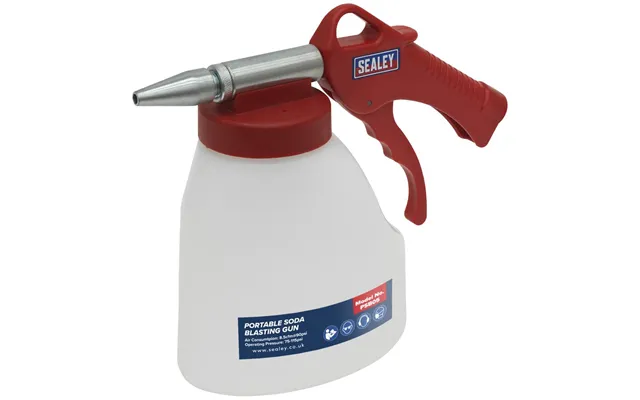
Soda blasters use baking soda—gentler than hard abrasives—to lift paint and grime while protecting substrates like fiberglass, soft metals, and wood grain. They shine on delicate surfaces or where you want minimal profile change. The trade-off? Soda generally won’t chew through heavy rust like aluminum oxide or steel grit will, so it’s best for coatings, grease, and light oxidation.
Wet blasting mixes water with media to suppress dust and reduce heat. That’s a big deal if you’re working outdoors around neighbors or in areas where airborne dust is a no-go. Cleanup can be simpler, and you’ll often see less warping on thin metals thanks to the cooling effect. You’ll still need good drainage and proper collection practices to keep slurry under control.
Micro blasters are surgical tools for jewelry, instrument repair, electronics, or etching glass. They use ultra-fine media and pinpoint nozzles, often just a fraction of an inch across, to detail clean without collateral damage. If you’ve got patience and need precision, they’re incredibly satisfying.
Choosing media is like choosing a paintbrush—match the grit and hardness to the job, and the results jump. Harder, angular media cuts aggressively for rust and scale. Softer, rounder media cleans and peens for a smooth, satin finish. Here’s the quick tour.
A go-to for rust removal and surface prep, aluminum oxide is sharp, hard, and long-lasting. It cuts fast, leaves a toothy profile for coatings, and works in cabinets or pressure pots. Use moderate pressures—around 80 to 100 PSI—and keep your nozzle moving to avoid hot spots on thin metal.
Glass bead peens rather than tears, producing a smooth, matte sheen on aluminum, stainless, and softer alloys. It’s perfect for revitalizing motorcycle cases, intake manifolds, or stainless trim without gouging. In a cabinet with dust collection, it’s a dream for repeated use.
Organic media like walnut shell and corn cob strip without scarring the underlying surface, making them ideal for wood, delicate castings, and interior parts. They remove grime and paint gently and excel when you want the substrate’s texture preserved. Think furniture details or instrument parts.
Steel media is heavy-duty and reusable, great for aggressive scale removal and peening steel to enhance fatigue resistance. You’ll want robust equipment and good containment because the rebound energy is higher than with lighter media. It’s a favorite in industrial settings.
Soda is the kinder, gentler option that lifts paint and grease without chewing into the surface. It’s popular on fiberglass boats, automotive panels you plan to repaint, and surfaces where heat warping is a risk. Be mindful of thorough rinsing if used outdoors, and avoid mixing soda with other media in the same hardware unless the system is designed for it.
Garnet strikes a great balance of cutting speed and cost, while silicon carbide is ultra-hard for the toughest jobs. Both shine when you need to bite through heavy coatings or hard scale. Dial in nozzle size and air supply accordingly—these media move fast and hit hard.
Here’s the make-or-break question: does your compressor actually feed the blaster you want? Air consumption isn’t just a number on a box—it determines how long you can blast before pressure drops and performance tanks. Pair wisely, and you’ll enjoy steady results instead of stop-start frustration.
PSI (pressure) delivers impact, while CFM (airflow) keeps media moving. Many handheld and cabinet systems work well at 70 to 90 PSI, with air demands from 5 to 15 CFM depending on the nozzle. Pressure pots and larger nozzles can require 15 to 25 CFM or more. If you’ve got a 60-gallon tank and a 2-stage compressor rated at 15 to 20 CFM at 90 PSI, you’re in a comfortable zone for mid-size projects and moderate nozzles.
Undersized compressor? You can still win by choosing a smaller nozzle, shorter hose runs, and slightly lower pressures. The trick is to maintain continuous airflow. Constant blasting at a steady 80 PSI with a small nozzle beats sputtering at 110 PSI any day.
Nozzle size dictates air demand. A 1/8-inch nozzle sips air; a 3/16-inch nozzle gulps it. If your compressor is modest, stick to 1/8-inch or 5/32-inch and a 3/8-inch ID blast hose of minimal length—say 10 to 15 feet—so you don’t waste energy pushing media through a long, restrictive path. Replace worn nozzles early; even tiny erosion increases air demand and kills performance.
Smart accessories turn a decent blaster into a dependable one. You don’t need everything on day one, but a few upgrades unlock smoother flow, cleaner results, and safer sessions.
Moisture is the number-one enemy of consistent blasting. Add an aftercooler or at least a quality water separator near the gun to keep media dry. You’ll see fewer clogs, steadier flow, and cleaner finishes. If your compressor runs hot, consider a refrigerated dryer down the line for all your air tools.
A deadman valve stops blasting the moment you release it—non-negotiable for pressure pots. It’s your quick “off” switch if something shifts or you lose footing. Pair that with a solid grounding strap when blasting conductive parts to reduce static, and keep hoses in good shape with proper clamps rated for blasting duty.
Protect your eyes, lungs, and hearing. A proper blast hood with a clear visor, long sleeves, heavy gloves, and a respirator rated for dust keeps you safe and focused. For cabinets, don’t skip the dust collector and replace the window protection film before it fogs up your view.
In closed systems, reclaimers separate reusable media from dust, saving money and keeping blast quality consistent. For open-air blasting, portable dust extractors, tarps, and containment can help minimize cleanup and keep neighbors happy.
Wondering where a blaster actually shines? Pretty much anywhere you need to erase time and grime. Here are popular ways DIYers and pros put abrasive blasters to work week after week.
Strip wheels, brake backing plates, brackets, valve covers, intake manifolds, and even frames. Use glass bead for aluminum casings to get that fresh, satin factory look. On body panels, keep pressures moderate, step back 8 to 12 inches, and move steadily to avoid heat buildup.
Clean railings, gates, patio furniture, and tools. Pressure pot systems with aluminum oxide make quick work of heavy rust, setting you up for primer and paint that actually sticks. For ornamental pieces, softer media preserves details and textures.
Remove efflorescence, soot, or peeling paint from brick and stone using gentle media and lower pressures. On wood, walnut shell or corn cob avoids gouging the grain—great for beams, mantels, and vintage furniture. Always test a small area first and keep the nozzle moving.
Lift oxidation and marine growth from aluminum masts, props, and hardware. Soda blasters shine on fiberglass hulls where you want to protect the substrate. Stainless hardware responds beautifully to glass bead for a uniform, non-glare finish.
A little prep saves a lot of headache. Think of blasting as painting in reverse—you’re removing what doesn’t belong, so control and cleanliness are everything. Here’s a straightforward approach.
Degrease first. Oil plus abrasive equals smearing, not cleaning. Mask threads, bearing surfaces, and polished areas with high-quality tape or dedicated masking caps. Secure your workpiece so it can’t shift, and lay down tarps to reclaim media if you’re blasting in the open.
Start low—around 70 PSI—and increase until removal is efficient without aggression. Hold the nozzle 6 to 12 inches from the work at a shallow angle for coatings, closer and more perpendicular for rust and scale. Sweep in even passes and overlap slightly so you don’t create tiger stripes.
Let dust settle, then collect media with a shop vac and sift if you plan to reuse it. Keep different media separate to preserve finish quality. Dispose of spent media responsibly, especially if you stripped coatings that may contain hazardous pigments. When in doubt, follow local guidance and label your waste clearly.
Whether you’re starting out or leveling up, you can find excellent options at nearly any budget. Match your choice to your workload and compressor so the system feels balanced, not bottlenecked.
Great for small parts, quick rust spots, and learning the ropes. Pair with a compressor capable of at least 5 to 7 CFM at 90 PSI, use a 1/8-inch nozzle, and keep sessions short. Look for ceramic nozzles, a metal pickup tube, and a comfortable trigger—your hands will thank you.
These are workhorses for serious DIYers and small shops. With a compressor in the 12 to 20 CFM range at 90 PSI and a 5/32-inch or 3/16-inch nozzle, you can tackle frames, gates, and large batches of parts. Prioritize a deadman valve, easy-to-read pressure gauges, and a reliable metering valve for consistent media flow.
If throughput and finish quality matter, cabinets with dust collection and reclaimers are a dream. For mobile or large-scale work, 20 to 100 gallon pressure pots keep you blasting longer between refills. Expect higher air demands—15 to 25 CFM or more—and plan power accordingly with a robust 2-stage compressor.
Blasting is powerful—treat it with respect. The right protective gear, dust control, and media choice make the difference between a clean job and a risky one. Always check local guidelines, especially when dealing with old coatings or working outdoors.
Wear a blast hood or full-face shield, safety glasses, heavy gloves, long sleeves, and a respirator suitable for fine dust. Protect hearing with quality ear protection. Keep bystanders out of the blast area and post clear signage if you’re working where others might pass by.
Older paint may contain lead, and free silica dust is a known hazard. Choose non-silica media, contain dust, and handle waste thoughtfully. If you suspect hazardous coatings, use appropriate control measures and follow local guidance for disposal.
Hunting for a bargain? Comparison platforms make it easy to see who’s offering which kit at what price, and what gear is included. A comparison site like ZoneOffer lets you weigh features, specs, and promotions from multiple sellers in one place, so you’re not hopping between tabs and guessing.
Look for clear CFM requirements at a stated PSI, nozzle sizes included, hose ID and length, tank capacity in gallons, and whether moisture control and safety valves come in the box. If a bundle includes a hood, replacement lenses, and a moisture trap, that can save you more than a small price drop.
Good gear lasts, but consumables wear. Favor brands with available nozzles, valves, gaskets, and hoses. A solid warranty and readily available spares beat a rock-bottom price that leaves you stranded when a seal fails mid-project.
Abrasive blasters are the ultimate reset button for surfaces—fast, effective, and surprisingly controllable when you match the right tool, media, and compressor. Decide what you’ll blast most, size your air supply to your nozzle, and invest in moisture control and PPE. From budget siphon guns to pressure pots and enclosed cabinets, there’s a perfect fit waiting—and with a comparison site like ZoneOffer, you can line up specs, prices, and bundles in minutes. Pick smart, blast safely, and enjoy that deeply satisfying moment when old, tired surfaces come back to life.