
Cut-Off Saws price list
Last updated Friday, Sep 18, 2026





View 18 Offers


Loading...
Last updated Friday, Sep 18, 2026
If you've ever thought, "I need to slice through steel, concrete, or tile cleanly and fast," a cut-off saw is the go-to tool. Think of it as the chainsaw's cousin for hard materials: designed specifically to cut through metal, masonry, and composite materials with the right blade. Professionals on job sites and home DIYers use cut-off saws for everything from cutting rebar and pipe to trimming deck posts and making clean cuts in steel stock. Whether you need portable power for a remote job or a bench-mounted unit for the workshop, there's a cut-off saw to match the task—and choosing the right one makes the difference between a clean job and a frustrating afternoon of sparks and wasted discs.
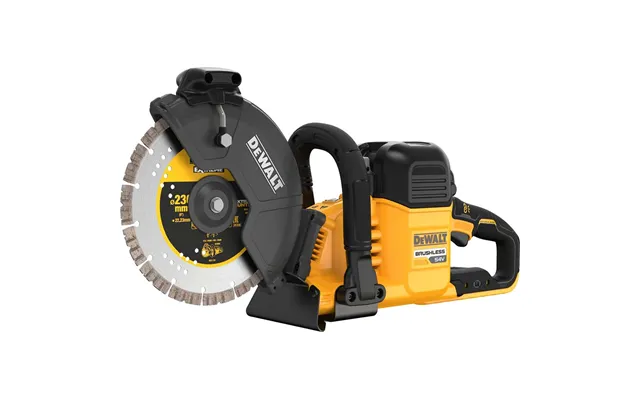
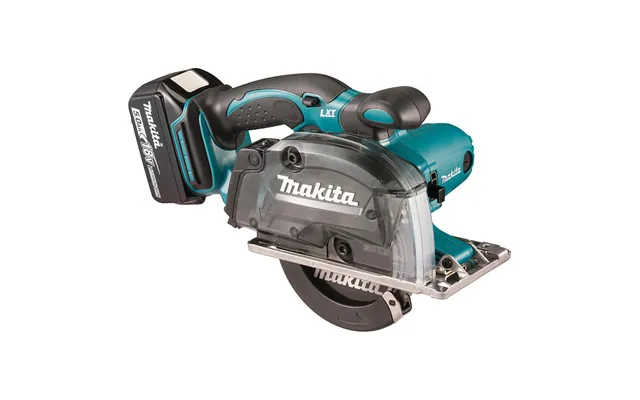
Electric cut-off saws are popular for their lower maintenance and quieter operation. They come in corded and cordless models, with common blade sizes ranging from 7 inches up to 14 inches. Corded units provide consistent power—great for long, repetitive cuts—while battery-powered models offer unmatched portability for sites without power. Think of electric saws as the reliable sedan of the cut-off world: easy to handle, predictable, and efficient for most jobs around the house and shop.
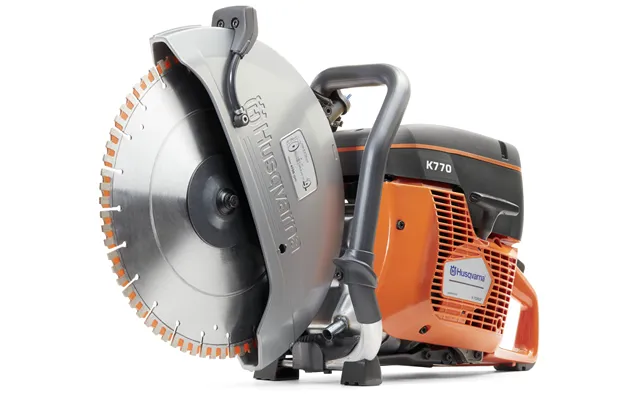
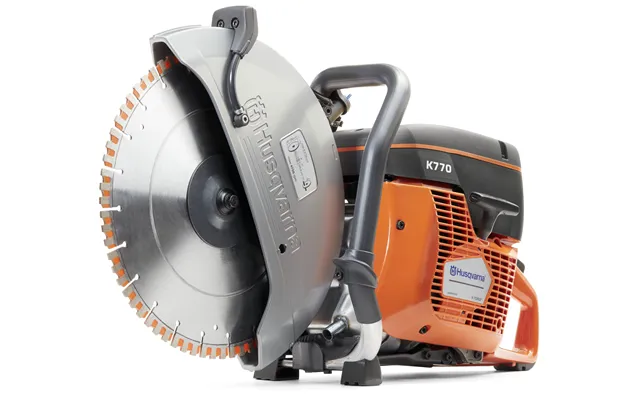
Petrol-powered cut-off saws are the heavy lifters. When portability and raw cutting muscle are required—such as cutting through thick rebar or demolition work—gas saws are often the best choice. They typically accept large abrasive wheels (12 to 16 inches) and deliver high torque for aggressive cuts. However, they need regular maintenance: fuel mix, spark plugs, and more. If your job site is rugged or remote, a petrol saw gives you the reach and power you need without worrying about extension cords or battery drain.
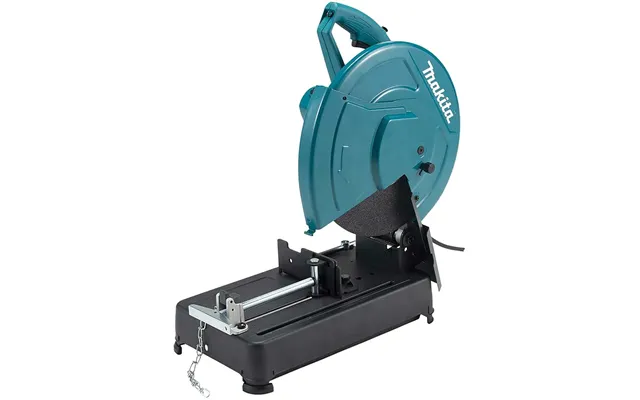
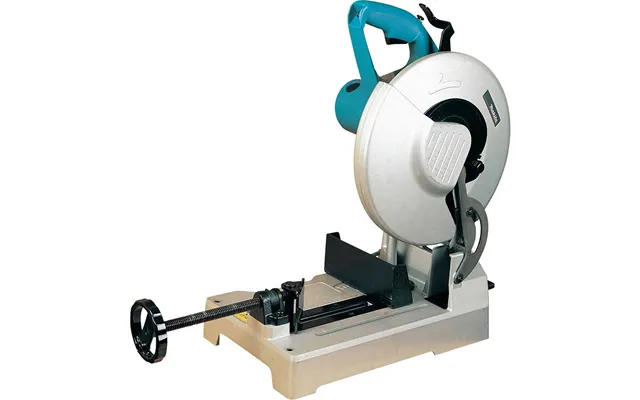
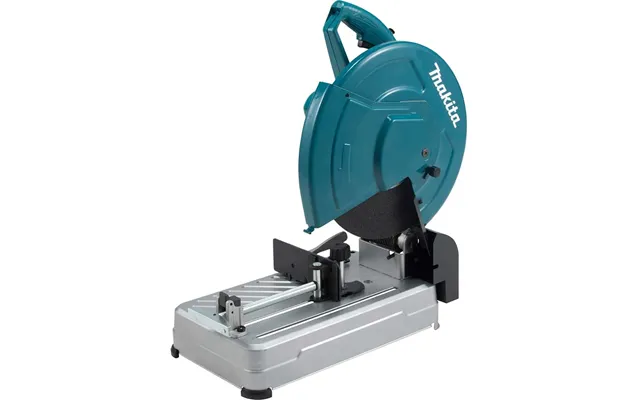
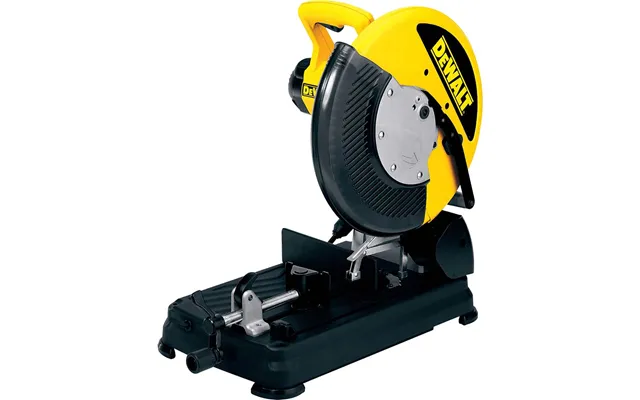
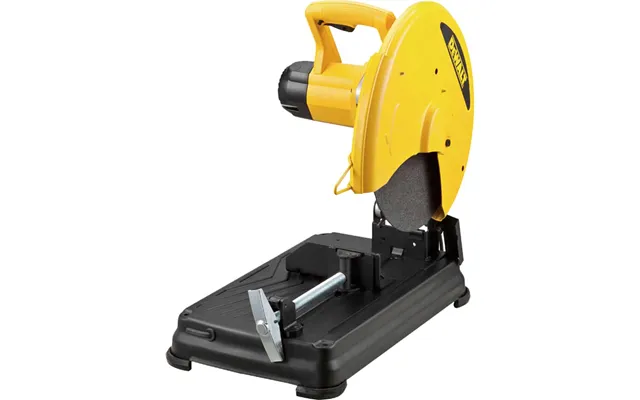
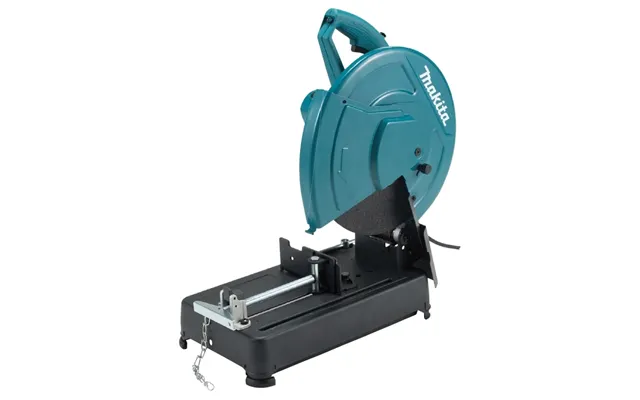
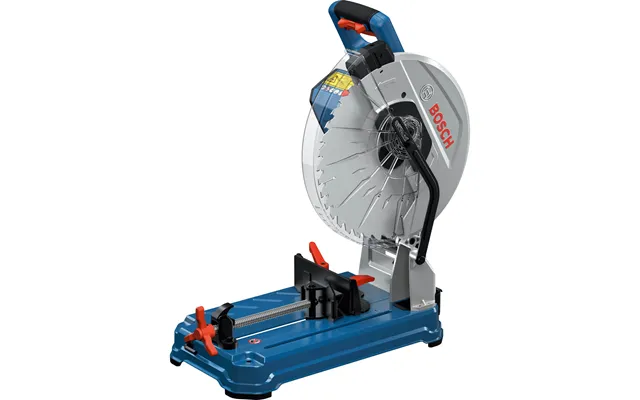
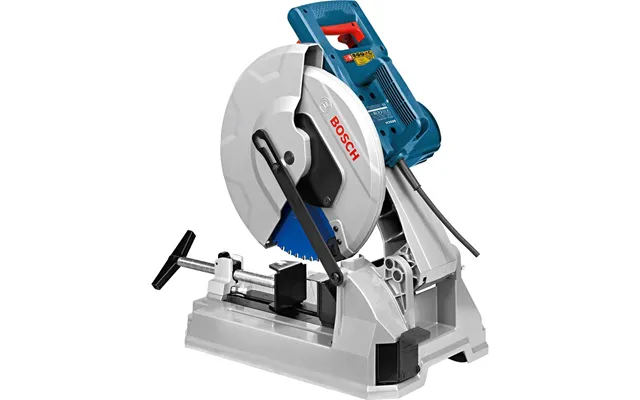
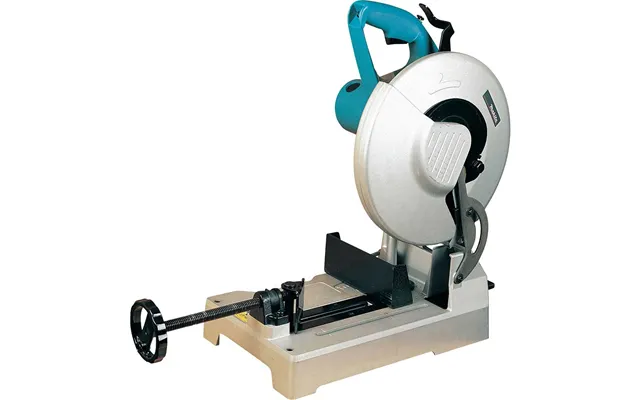
Cold-cut saws, also called chop saws, cut using an abrasive wheel or circular steel blade and often feature a vice to hold the material. Unlike high-speed abrasive cut-off saws, some cold-cut machines use toothed blades that produce less heat and fewer sparks—ideal for cleaner cuts in structural steel or tubing. Abrasive chop saws are simple and aggressive, but they generate sparks and dust, so safety considerations are important. These machines sit in your shop like a dependable carpenter's mitre saw, doing repetitive, accurate cuts quickly.
Blade diameter is one of the first specs you'll encounter: common sizes are 9 inches, 12 inches, and 14 inches, with heavy-duty models accepting 16-inch discs. A larger blade increases cutting depth, allowing you to slice through thicker material in a single pass. RPM matters too—higher RPM yields faster cutting but may reduce disc life in some cases. Match blade size to your projects: if you’re cutting 3/4-inch rod and thin pipe, a 9-inch blade might suffice; for thicker beams or long rebar, step up to 12 or 14 inches.
Electric saws are rated by amps or horsepower, while petrol saws often list engine displacement. More power means faster cuts and less bogging when you feed the blade into material. For a portable job-site saw you might look for at least a mid-range motor equivalent to 1 to 2 HP for electric models; for heavy fabrication, larger petrol engines deliver the torque you need. Think of it like choosing a car: horsepower helps you accelerate through thick material without struggling.
If you carry your saw between jobs, weight matters. Portable cut-off saws can weigh as little as 20 to 30 pounds for compact electric units, while petrol saws and workshop chop saws may weigh 40 pounds or more. Consider whether you need a stand or wheeled cart—especially for heavier petrol models—so you don’t end up lugging it across a site like a stubborn toolbox. Balance portability with capability: the lightest saw isn't always the most useful.
Sparks and dust are part of cutting metal and masonry, but modern saws add features to manage them. Water-feed systems on concrete saws reduce dust and cool the blade, which extends life and reduces airborne silica. Spark shields and enclosed guards help direct sparks away from operators. If you’re working indoors or in a tight urban site, look for saws with dust control or wet-cut capabilities to keep the environment safer and cleaner.
Several brands dominate the cut-off saw space, each with its strengths. For petrol saws, names like Stihl and Husqvarna are familiar on construction sites for their durability and parts availability. In the electric category, manufacturers such as DEWALT, Makita, Bosch, and Evolution offer a range of corded and cordless options that balance power and portability. For the workshop, brands like Evolution are known for innovative multi-material blades that let you cut metal, tile, and PVC with a single disc. When shopping, compare models by blade size, power source, and available accessories—and read real-world reviews to see how they hold up under repeated use.
Not all blades are created equal. Abrasive discs are common for metal cutting—they’re inexpensive and aggressive—but they wear quickly and create more heat. Diamond blades (or diamond-tipped wheels) excel at masonry, tile, and concrete and often last much longer. Some multi-material blades can handle both metal and masonry but may sacrifice speed or finish quality on very hard materials. Pick the blade material based on what you cut most often: steel and rebar favor abrasive discs or toothed cold-cut blades, while concrete and tile benefit from diamond blades.
Blade thickness affects cut speed and finish. Thicker wheels last longer and are more robust for rough work, while thinner blades deliver a cleaner cut and less material loss. Grit and bond type influence how the blade interacts with the material—softer bonds shed abrasive particles to expose fresh cutting surface and are better for hard materials, while harder bonds are suited to softer materials. If you’re buying discs in bulk, match the wheel thickness and grit to your typical project to get the best performance per dollar.
Cutting metal and masonry throws sparks, hot fragments, and dust—so personal protective equipment is non-negotiable. At minimum, wear safety goggles or a full face shield, cut-resistant gloves, long sleeves, and hearing protection. When cutting masonry, use a respirator rated for dust, and consider wet-cutting or local exhaust to reduce airborne particles. Always secure the workpiece in a vise or clamp, set sparks away from flammable materials, and never use a cracked or damaged abrasive wheel. Treat your saw like a live animal: respect its power, and it will serve you well without biting back.
Inspect blades before each use: check for cracks, missing grit, or warping. Replace any damaged wheel immediately. For diamond blades, keep the cutting edge clean and periodically "dress" the blade on a concrete block to expose fresh diamonds. Store abrasive wheels lying flat and dry to prevent deforming. Proper blade care extends life and prevents dangerous failures—cheap to buy, expensive to ignore.
Electric saws mostly need clean vents and occasional brush changes; plug inspection and cord checks prevent electrical faults. Petrol saws require more hands-on care: check spark plugs, clean or replace air filters, and use fresh fuel mixed according to the manufacturer’s guidelines. Regular maintenance keeps your saw starting reliably and cutting at peak performance—and saves you from last-minute headaches on a busy job.
Accessories make your cutting faster, cleaner, and safer. A sturdy stand or wheeled cart turns a portable saw into a stable workstation. Vises and clamps ensure consistent, safe cuts. Consider spare blade sets tailored to the materials you cut most often, plus a wheel dresser for diamond blades. If you work indoors, a water-feed attachment or local dust extraction system is worth the expense. And don’t forget PPE spares: extra face shields, respirators, and hearing plugs keep your team safe day after day.
Match the saw to the work. For light home repairs and occasional metal cutting, a compact electric or cordless cut-off saw with a 7- to 9-inch blade is convenient, budget-friendly, and easy to handle. For heavy construction, demolition, or remote projects, a petrol saw with a 14- to 16-inch cutting capacity brings the power and blade life you need. For a dedicated workshop, a chop saw or cold-cut saw provides repeatable, precise cuts on tube, bar, and angle iron. Ask yourself how thick the material is, how often you’ll cut, whether you have power on site, and how important portability is—those answers will steer you to the right class of saw.
With so many models and specifications, shopping for a cut-off saw can feel like comparing apples, oranges, and bricks. Use comparison tools to line up blade size, power source, weight, and included accessories side-by-side, and read user reviews to catch real-world strengths and weaknesses. Look for seasonal deals around construction cycles and consider refurbished or demo units from reputable sellers if budget matters. Don’t chase the cheapest price alone—factor in blade compatibility, spare part availability, and warranty terms so your investment keeps cutting for years to come.
A cut-off saw is one of those tools that pays for itself when chosen wisely. Think about the materials, the environment, and how you work. Prioritize safety features, blade compatibility, and ease of maintenance, and you’ll end up with a saw that feels like an extension of your hands. Whether you’re trimming pipe on a weekend project, fabricating steel structures, or cutting masonry on a renovation, pick the saw that matches your pace, not just your budget—and you’ll cut cleaner, faster, and safer.
Conclusion: Choosing the right cut-off saw comes down to matching the saw’s power, blade type, and portability to your daily tasks. Invest in proper blades, wear the right PPE, and keep up with maintenance—and your saw will be a reliable partner on every job. Ready to compare options and find the perfect match for your needs? Start by listing the materials you'll cut most often, the maximum thickness you need to handle, and whether you'll run on battery, cord, or petrol—those three answers narrow the field dramatically.