
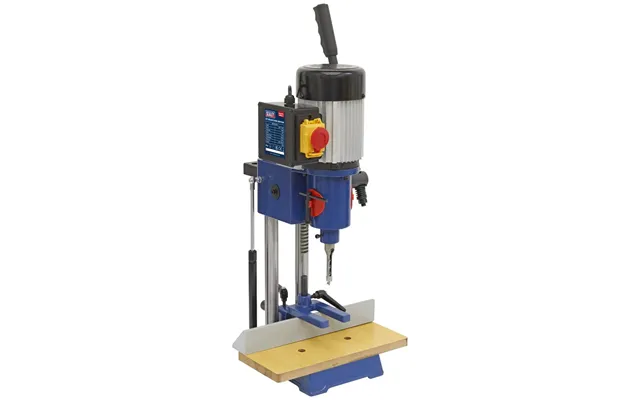


Mortisers price list
Last updated Sunday, 27 Sept 2026
| Mortisers | Price |
|---|---|
| Irwin Blue Groove 4x Flat Bit 32 X 152mm | £8.40 |
| Sealey Sm94 1 2 Hollow Chisel Morticer | £359.94 |
| Sealey Sm94 1 2 Hollow Chisel Morticer | £359.94 |




Loading...
Last updated Sunday, 27 Sept 2026
| Mortisers | Price |
|---|---|
| Irwin Blue Groove 4x Flat Bit 32 X 152mm | £8.40 |
| Sealey Sm94 1 2 Hollow Chisel Morticer | £359.94 |
| Sealey Sm94 1 2 Hollow Chisel Morticer | £359.94 |
If you love sturdy furniture, clean joinery, and joints that last, a mortiser is one of those tools that turns good work into great work. Mortisers cut the square or rectangular holes—mortises—that accept tenons to form mortise-and-tenon joints, the backbone of traditional woodworking. Think of a mortiser as the dentist’s drill for wood: precise, controlled, and indispensable when you’re after a snug fit that won’t wobble or sag over time.
Whether you build tables, doors, frames, or cabinets, a mortiser saves time and improves accuracy compared with doing mortises by hand or with a standard drill. Hobbyists love benchtop units for their compact footprint, while pros lean toward heavy-duty floor models or chain mortisers for speed and capacity. If you make multiple frames per week, a proper mortiser will pay for itself in saved hours and fewer re-dos.
Not all mortisers are created equal. Understanding the main types helps you match the tool to your project needs, shop size, and budget—so you don’t overbuy or underperform.
The hollow-chisel mortiser combines a square chisel with a drill bit inside. The bit removes most of the waste while the square chisel squares the edges. These are great for clean, consistent mortises in hardwoods and are commonly available as benchtop models that weigh between 40 and 200 pounds depending on build quality.
Chain mortisers use a small chainsaw-like cutting chain to quickly hog out long or deep mortises—ideal for timber framing and heavy structural work. These machines excel when you need to cut large mortises in beams measured in feet rather than inches.
A plunge router with a good mortising jig or template can produce excellent mortises. While not as fast for repetitive work as dedicated machines, routers are flexible: they can mortise, shape edges, and cut grooves, reducing the number of tools on a small shop’s floor.
Some woodworkers convert a drill press into a mortiser using a mortising attachment. It’s a budget-friendly compromise that delivers decent results for occasional mortising but lacks the speed and rigidity of purpose-built machines.
Buying a mortiser is about matching features to the jobs you’ll do. The right spec list makes your life easier and keeps joints tight for years.
Chisels for mortisers commonly come in widths like 3/8 inch, 1/2 inch, 5/8 inch, and 3/4 inch. Make sure the machine accepts the chisel sizes you use most often, and consider availability of replacement chisels. A machine that supports a wider range of chisel widths gives you greater flexibility for different tenon sizes.
Stroke length—how far the chisel travels—determines the maximum depth of your mortises. Hobby benchtop mortisers might offer 2 to 3 inches of stroke, while production machines can provide 4 inches or more. If you often work on thick slabs or frame beams, prioritize deeper stroke lengths.
Motors for benchtop hollow-chisel mortisers usually start around 1/2 horsepower and go up to 1.5 HP for heavier duty units. Larger floor machines and chain mortisers use multi-horsepower motors. More HP helps when mortising hardwoods or when you’re making long runs of repetitive cuts.
A robust fence and easy-to-set depth stops make repeatable mortises simple. Look for a wide, adjustable table and integrated clamps or hold-downs. These features reduce the need for additional jigs and keep your hands further from the cutting action.
A heavier cast-iron body reduces vibration and improves accuracy. Benchtop mortisers weighing 40 to 80 pounds are portable but can vibrate more than 150-pound bench or floor models. If precision is key, favor mass and rigidity over a lighter footprint.
Wood chips and fine dust are byproducts of mortising. Machines with a dust port you can hook to a shop vacuum (often 1-1/4 inch or larger) keep your workspace cleaner and protect motor components.
Accessories can turn a good mortiser into a great all-around workstation. Don’t skimp on tools that save time and protect your workpieces.
Invest in high-quality hollow chisels and replacement auger bits. Sharp, true chisels produce cleaner corners and reduce tear-out. Keep spare cutters on hand since dull cutters increase motor load and make your machine work harder.
Repeatability matters. Featherboards, adjustable stops, and quick-action clamps accelerate setups for multiple identical mortises, such as chair rails or cabinet frames.
If using a router, buy or build a mortising jig that locks the workpiece and guides the router for square sides and consistent depth. Templates made from MDF or phenolic sheet help when producing batches of identical joints.
Keeping chisels sharp is non-negotiable. A straightforward grinding jig or diamond stones and a honing guide extend chisel life and keep cuts clean. Also stock replacement belts, brushes, and a few basic wrenches for routine maintenance.
Choosing between a dedicated mortiser, a drill press conversion, or a router boils down to intensity of use, budget, and desired precision. Each path has trade-offs.
Dedicated mortisers deliver the cleanest, squarest mortises fast. They’re built specifically for the job, so repeatable production is where they shine—minimum fuss, maximum accuracy.
Converting a drill press is economical and quick for occasional mortises, but you’ll often need additional jigs and the results may be slower. Drill presses lack the square chisel action, so corners may not be as crisp without extra work.
Router setups are versatile and multi-purpose—worth it in a small shop where you need one tool to do many jobs. Yet routers can be slower for deep or long mortises and may require multiple passes to avoid burning the wood.
Ask yourself a few simple questions before purchasing: How often will I mortise? What species of wood? What size mortises? Your answers should guide whether you buy benchtop, benchtop heavy-duty, floor model, or a chain mortiser.
Entry-level benchtop mortisers are attractive for beginners and hobbyists, usually costing a fraction of a floor model. If your projects are occasional, a budget model paired with a router might be the smartest choice.
Measure your shop. Benchtop machines take up a footprint of roughly 2 to 3 square feet and can be stowed, while floor models require a dedicated spot and room to feed long workpieces that may be 6 to 8 feet or more.
If you’re producing multiple pieces per week, choose a machine rated for long duty cycles and faster cutting—one with a more powerful motor and sturdier build. For occasional projects, a lighter-duty machine or a router setup often suffices.
Hardwoods like oak and walnut are tougher on cutters than softwoods. If you frequently work with dense material, opt for higher horsepower, larger chisel sizes, and spare parts to keep downtime low.
Mortisers are powerful and can be dangerous if mishandled. Safety and routine maintenance not only protect you but also prolong the life of your machine.
Always clamp the workpiece securely, stand to the side of the cutting path, and wear eye and ear protection. Use a dust mask or respirator when cutting hardwoods. Keep hands away from the chisel area and use push blocks for narrow pieces.
Keeping chisels sharp ensures clean cuts and reduces stress on the motor. Grind the inside lips carefully, maintain a consistent bevel, and hone frequently. Replace or resurface chisels that show chips or excessive wear.
Clean out the waste and sawdust, check belts and pulleys, lubricate moving parts, and verify the table and fence stay square. Run the machine under no-load periodically and listen for unusual noises that could indicate bearing wear.
Even experienced woodworkers make errors when switching techniques. Here are frequent pitfalls and how to dodge them.
Pushing too fast produces tear-out and overheats cutters. Let the tool do the work; shallow, controlled passes produce the best results and prolong tool life.
Not securing your workpiece is the leading cause of inaccurate mortises and safety incidents. Use dedicated clamps and stops and double-check before each pass.
Dull cutters increase cutting forces and create ragged edges. Test with scrap before committing to final pieces and sharpen or replace cutters proactively.
Because mortisers range from compact benchtop to heavy-duty production units, prices can vary widely. Comparison sites and specialty woodworking retailers often list specs side-by-side so you can weigh chisel compatibility, motor horsepower, and stroke length at a glance. Use those tools to filter by features and read user reviews to gauge real-world performance.
Once you have a mortiser, start with projects that let you build confidence and measure results: a simple coffee table, a frame for a barn-style door, or a set of sturdy dining chair frames. These projects demand good mortise-and-tenon joinery but don’t require excessive material sizes, letting you learn without committing to large beams or long runs.
If you value square, durable joints and plan to build more than occasionally, a mortiser is an investment that elevates both speed and quality. For infrequent mortising, a router or drill press conversion with a jig can be a cost-effective alternative. Ultimately, match the machine to your needs: size up how often you’ll cut mortises, what species you’ll work with, and how much shop real estate you can spare.
Whether you’re stepping up from hand tools or outfitting a production shop, take time to compare models, read user experiences, and prioritize the features that matter most—chisel compatibility, stroke depth, and motor power. The right mortiser will feel like a natural extension of your hands, making joints that fit like a handshake: firm, confident, and built to last.