
Air Hammer Accessories price list
Last updated Friday, 18 Sept 2026




View 10 Offers

Loading...
Last updated Friday, 18 Sept 2026
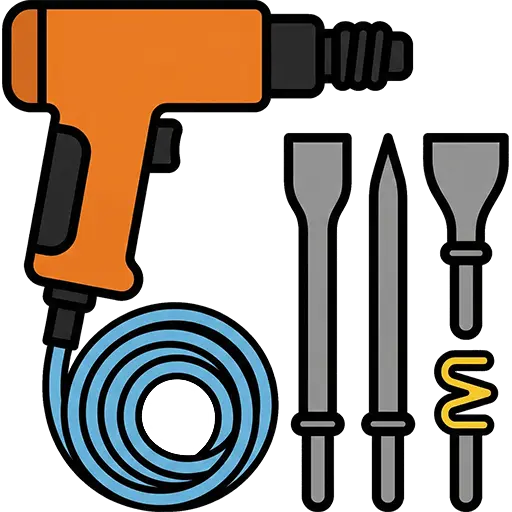
If you've ever stripped a rusty bolt or chipped away old tile, you know that an air hammer (aka air chisel) can feel like a power-packed wand for the workshop. The tool itself is the heart, but the accessories are the muscles and fingers that let you shape, pry, cut, and break with precision. Accessories decide whether a single air hammer can be your go-to for automotive work, masonry, sheet metal, or demolition. Pick the wrong attachment and a five-minute job can become a half-hour headache; pick the right one and you’ll breeze through tasks like a pro.
Whether you already own a pneumatic hammer or plan to buy one, assembling a small kit of must-have accessories will multiply what your tool can do. Below are the essentials to keep on hand for most jobs.
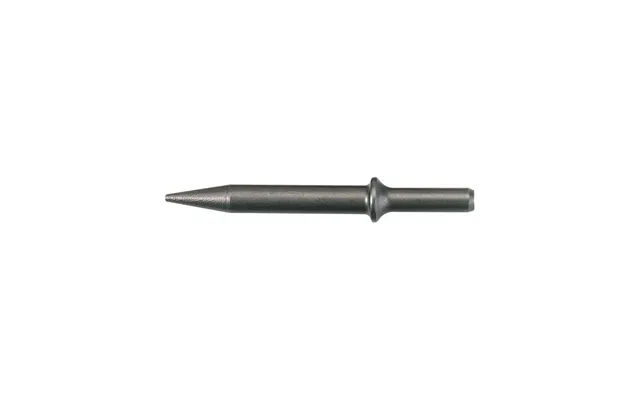
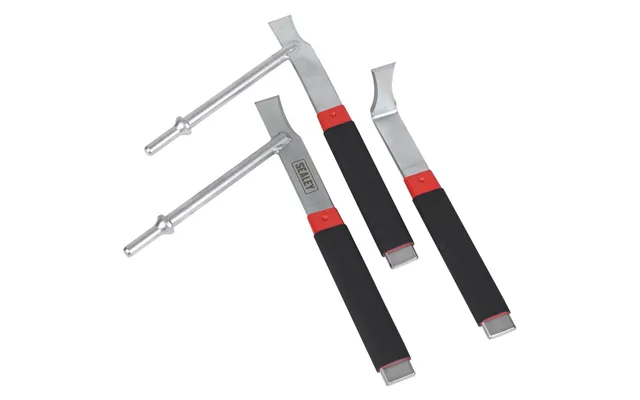
Chisels are the star players. Expect to buy flat chisels for cutting and cleaning welds, pointed chisels for breaking up concrete or rock, and cold chisels for metal cutting. Look for hardened steel construction and heat-treated tips that can stand up to repeated impacts. A set with varied widths, from narrow 1/4-inch to wider 1-inch blades, gives you flexibility for tight spots and larger surface work.
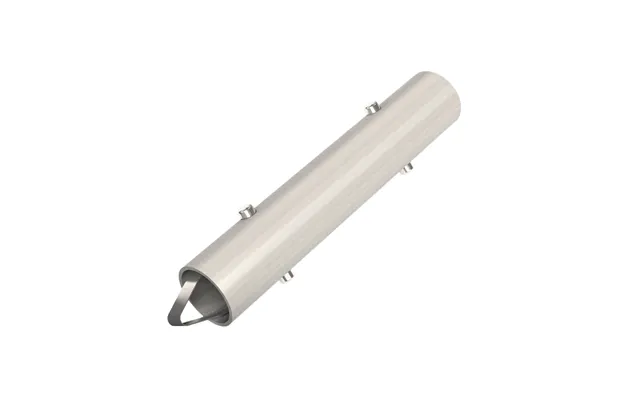
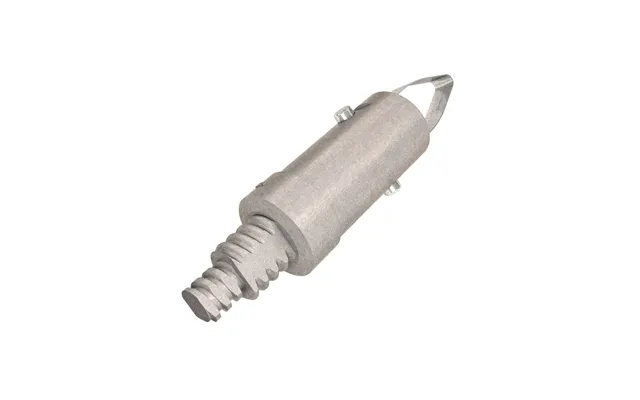
The small pieces that hold chisels in place matter more than you think. Retaining springs and retainer heads ensure the chisel stays seated under heavy recoil. Buy spare retainers and springs so you’re never stuck mid-job. If your hammer uses a spring-and-pin system, get several pins and a spare spring rated for your hammer’s pound-force range.
Want to swap attachments fast? Quick-change adapters convert your hammer’s shank type to fit different chisels or sockets. These adapters are lifesavers when switching between cutting, punching, and riveting tasks. Choose adapters rated for your hammer’s impact energy and make sure shank fitment is snug—no wobble means cleaner results.
Air hammers need regular lubrication to prevent rust and reduce internal wear. A dedicated air tool oil and an in-line oiler save you a lot of grief. Add a small bottle to your kit and squirt a few drops before each use if you don’t have an automatic oiler. This keeps seals pliant and hammer internals moving smoothly.
Pneumatic tools can be loud. Mufflers cut noise and help direct exhaust away from your face. Some mufflers double as filters to catch particulates from the air stream. If you work indoors or in close quarters, a muffler can protect hearing and keep the workspace comfortable.
A quality hose and fast couplers matter as much as the hammer itself. Choose hoses rated for tool pressure and flexible enough for workshop maneuverability. Quick couplers simplify tool swaps and help you maintain steady air flow; look for couplers with secure locking and minimal air loss.
Accessories include personal protection: safety goggles, ear defenders and gloves designed for vibration reduction. Also consider chisel guards and magnetic tool holders to organize bits and reduce the chance of damage or loss.
Choosing a chisel is like picking the right brush for a painting—you want one that fits the stroke. For light sheet metal work, a narrow 1/4-inch cold chisel provides control. For breaking tile or mortar, a wider flat chisel or spade chisel of 3/4-inch to 1-inch helps lift material fast. When removing rivets or cutting through rusted bolts, go for a bull-point or tapered chisel to concentrate force. Always match the shank size of the chisel to your hammer—loose fit means less impact delivered to the workpiece and more wear on the tool.
Before buying accessories, check your hammer’s shank specification. Common shank diameters include 0.401 inch and 1/2 inch types, but models vary. If you're not sure, measure the shank or consult the hammer manual. Universal quick-change adapters help, but direct-fit chisels usually deliver better performance. Also confirm retainer style—some hammers use a pin-and-spring system while others use a retaining collar—so you can buy matching retainers and heads.
A few minutes of routine care extends the life of both your hammer and its accessories. Start with a couple drops of air tool oil before each use, and run the tool briefly to spread the oil internally. Drain moisture from your compressor’s tank daily and use an in-line filter to keep contaminants out of the tool. Clean chisels after each job and lightly oil them to prevent rust. Replace worn retainers and springs immediately—running with compromised hardware increases vibration and wears parts faster.
Look for mushrooming on chisel heads, cracked retainers, or loose-fit chisels that wobble in the barrel. If a chisel’s edge is deformed beyond sharpening, replace it. A sudden loss of power or irregular hammering cadence often signals internal wear; inspect the piston, valve, and retainer. Replace small parts regularly rather than waiting for catastrophic failure—that’s cheaper and safer in the long run.
Several brands have built reputations for durability and parts availability. DeWalt, Makita, Bosch, Ingersoll Rand, Chicago Pneumatic and Stanley are commonly available and offer a range of chisels, retainers, and accessories. If you prefer premium hand tools, Snap-on and Mac Tools have high-quality options but at a premium price. Generic or off-brand accessories can be fine if they meet heat-treatment and fitment specs—just check customer reviews and, when possible, buy from sellers with clear return and compatibility policies.
Want to save money without sacrificing quality? Compare prices across several retailers and marketplaces, factoring shipping and return terms. Look for bundled kits—chisels, retainers, and oil together often cost less than buying items individually. Check product descriptions for shank size and impact rating so you don’t end up with ill-fitting parts. Seasonal sales can yield good savings, but be cautious with deals that seem too cheap—substandard metal treatment shortens part life dramatically.
From fixing a car to remodeling a kitchen, the right accessory transforms your air hammer into a job-specific tool. For auto body work, use narrow flat chisels and panel punch attachments to remove spot welds. To remove tile or chip concrete, a wide spade chisel clears material quickly. If you do exhaust or muffler work, a range of needle scalers and tapered chisels help cut through rust. For masonry restoration, a carbide-tip chisel paired with a reduced rebound spring delivers precise removal without cracking surrounding brick.
Air hammers deliver a lot of force—respect that power. Always wear impact-rated goggles and reliable ear protection; even with mufflers, noise levels can be high. Keep hands clear of the chisel path and avoid loose clothing that can catch on the tool. Secure your workpiece firmly and use clamps where possible. Disconnect the airline before changing chisels or performing maintenance. Finally, mind the surroundings—flying fragments from masonry or metal can travel several feet, so keep bystanders clear.
A tidy kit saves time. Use a foam-lined drawer or a magnetic strip to keep chisels organized by width and type. Small parts like retainer pins and springs are best stored in labeled containers so you can grab a replacement mid-job. Consider a rugged carry case with slots for the hammer and common attachments if you move between sites. Organization not only speeds work but also protects parts from moisture and damage.
Expect to spend more up front for higher-quality accessories, but remember: longevity and safety are worth the investment. A mid-range chisel set and basic lubricant plus a couple of spare retainers will cover most DIY and professional tasks without breaking the bank. If you use the hammer daily, buy the best chisels you can afford; the cost per job declines with every use. For occasional DIYers, a budget-friendly kit from a known brand can be perfectly adequate.
If sustainability matters to you, choose accessories designed to be re-sharpened and repaired rather than disposable. Buy lubricants that are low in volatile compounds and avoid single-use plastics when possible. Recycle damaged steel parts through local metal recycling programs instead of tossing them in general waste. Small steps like these reduce the environmental footprint of your workshop over time.
An air hammer is only as capable as the accessories you pair with it. Build a compact kit with a range of chisels, quality retainers, a reliable in-line oiler, and comfortable protective gear, and you’ll be ready for a wide range of projects—from bodywork to masonry. Take time to match shank sizes and impact ratings, keep parts well-lubricated, and store everything neatly. With the right parts and a bit of maintenance, your air hammer will be a versatile, long-lived tool that saves time and delivers clean results.