All categories
Business & Offices
Electronics & Media
Fashion & Accessories
Groceries & Essentials
Health & Personal Care
Home & Living
Kids & Family
Sports & Outdoors
Search in ZoneOffer

Loading...
If you’ve ever tried to break concrete with a manual sledgehammer, you know the pain — literally. Powered hammers turn grunt work into precision work, letting you focus on the line, the angle, and the finish instead of brute force. These tools are built for speed and repeatability, making demolition, tile removal, and heavy masonry far easier and faster. Think of a powered hammer as a mechanical partner that delivers hit after hit with consistent force, saving time and your back.
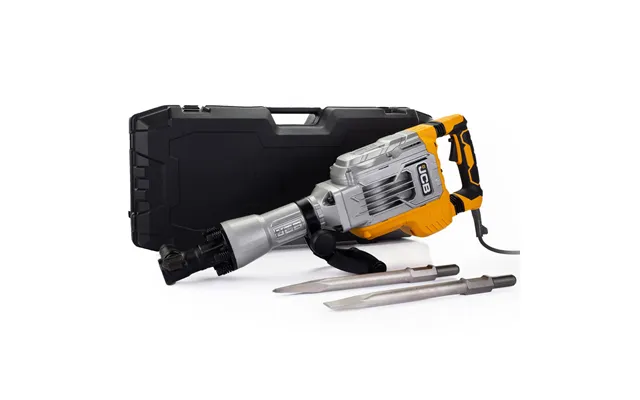
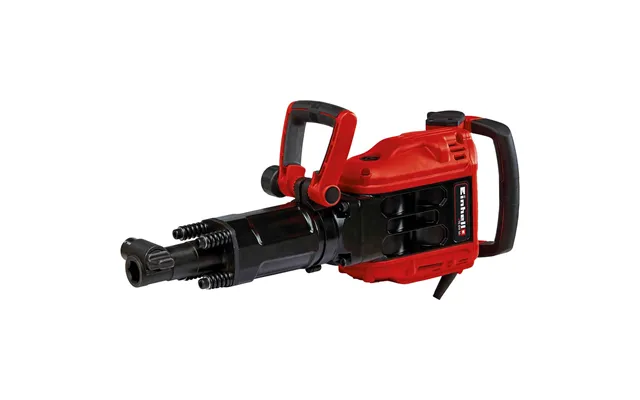
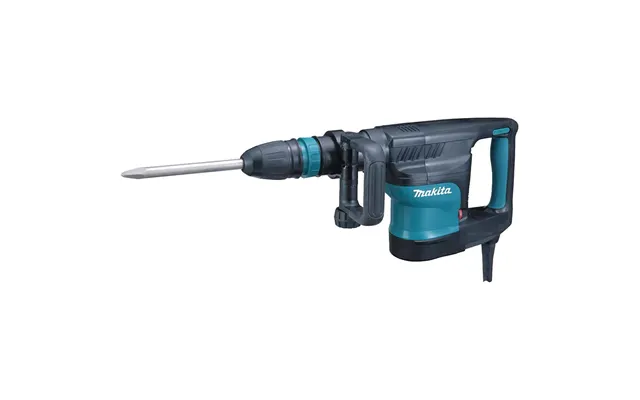
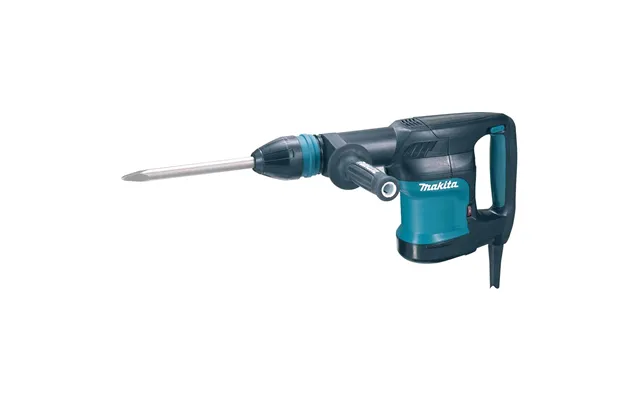
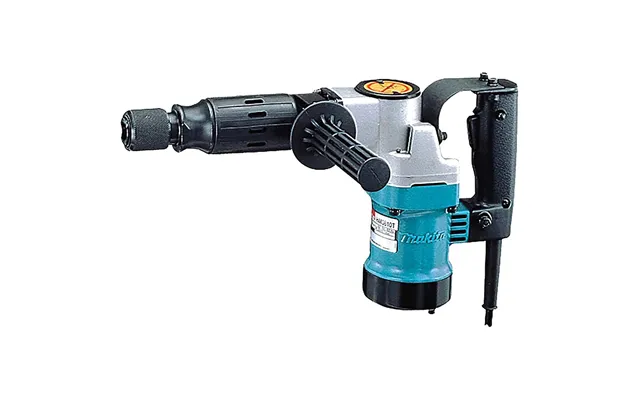
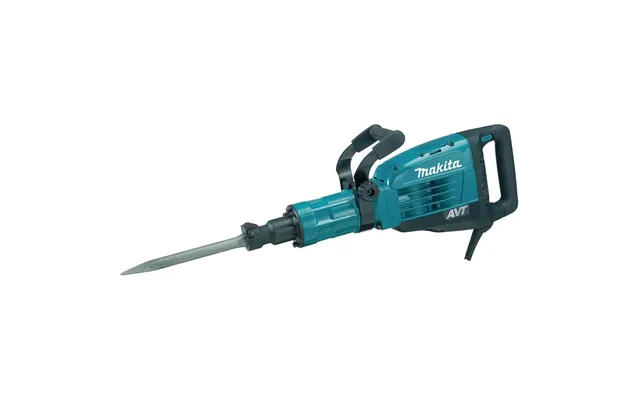
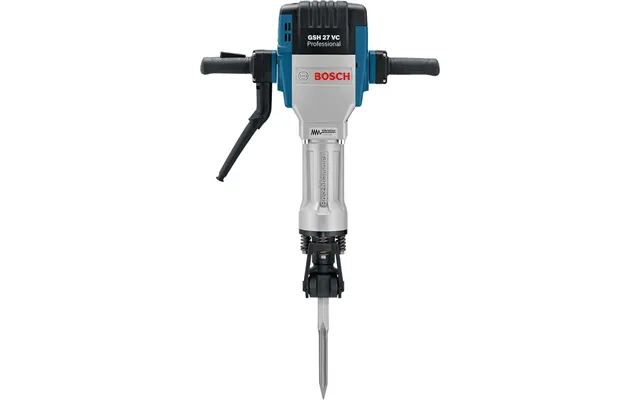
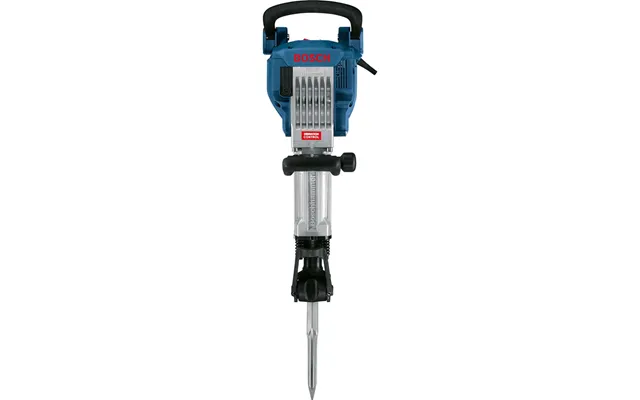
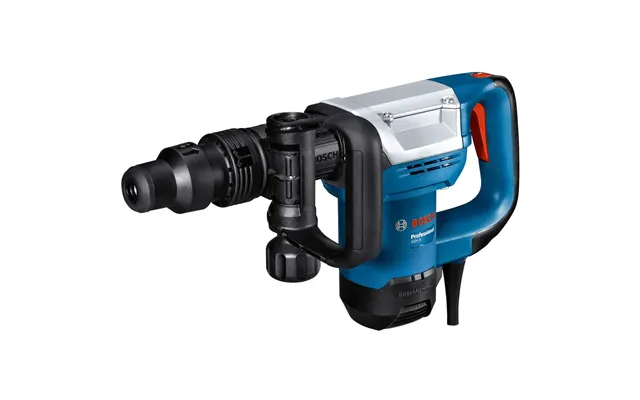
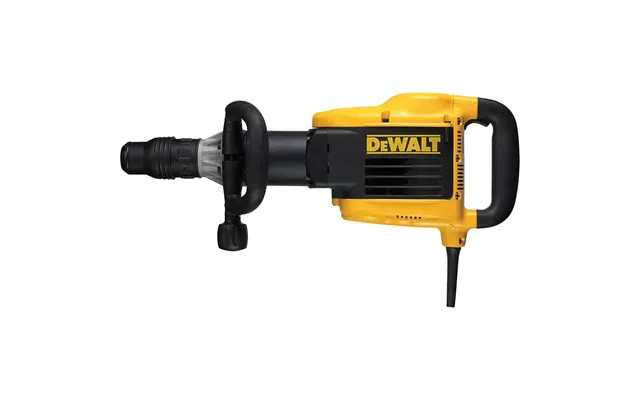
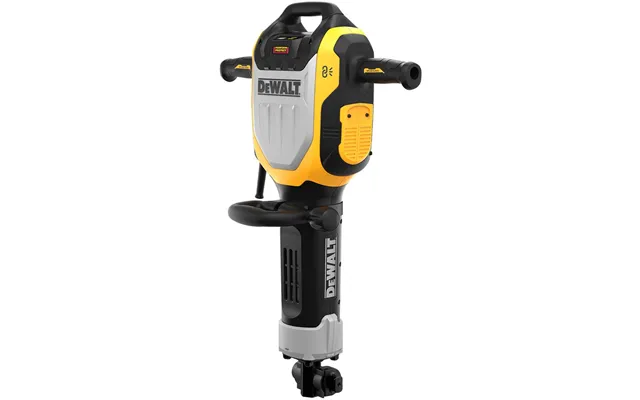
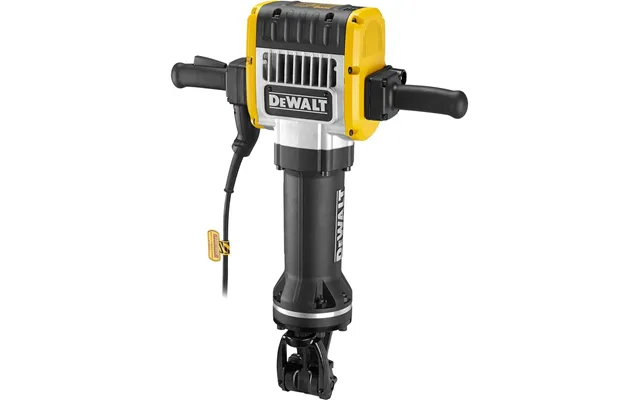
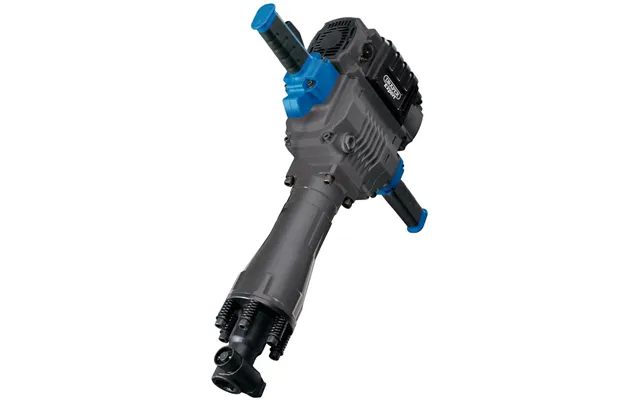
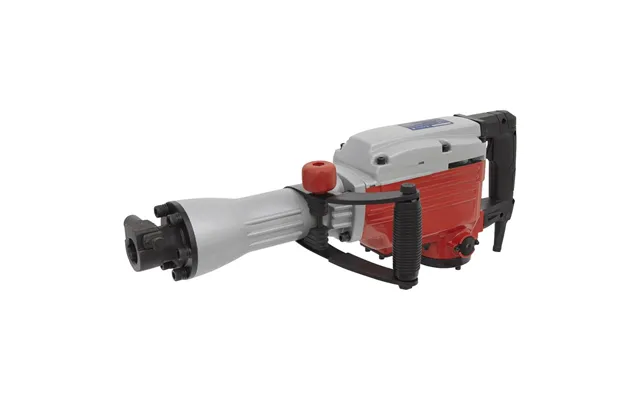
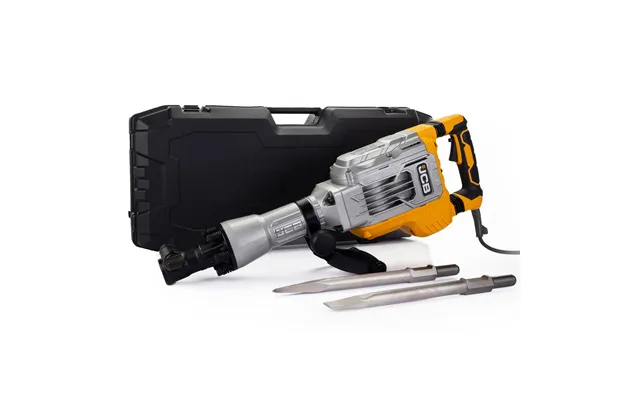
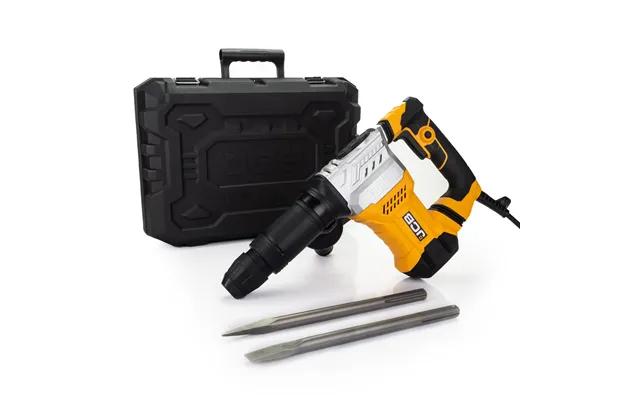
Demolition hammers are the go-to for tearing out concrete, removing thick tile, and busting up driveways. They’re typically heavier and deliver straight-line, high-impact blows. If you need raw breaking power measured in heavy-duty foot-pounds feel, this is the category to consider. Many models weigh between 20 and 50 lb, so plan for some heft but also unmatched force.
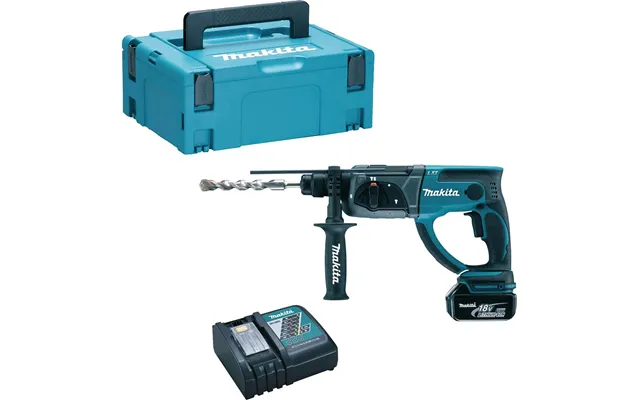
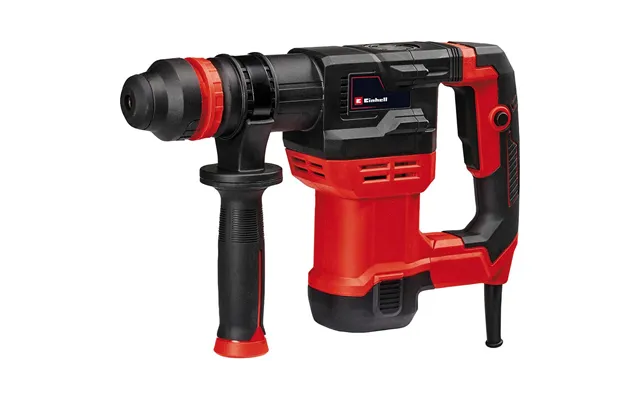
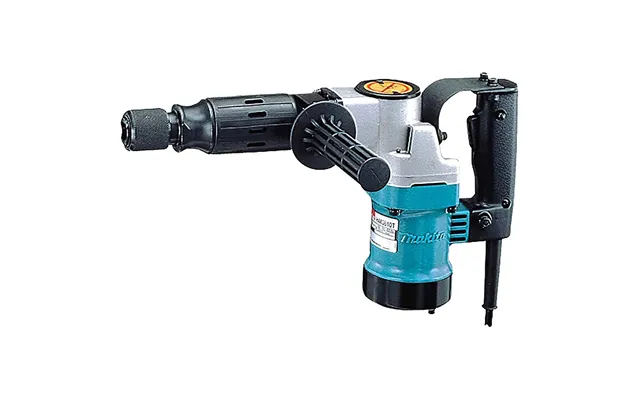
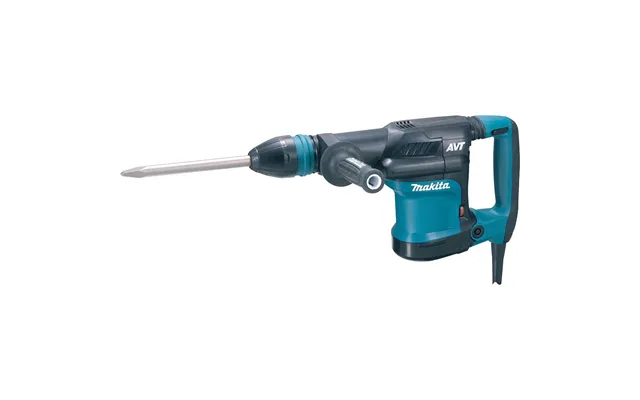
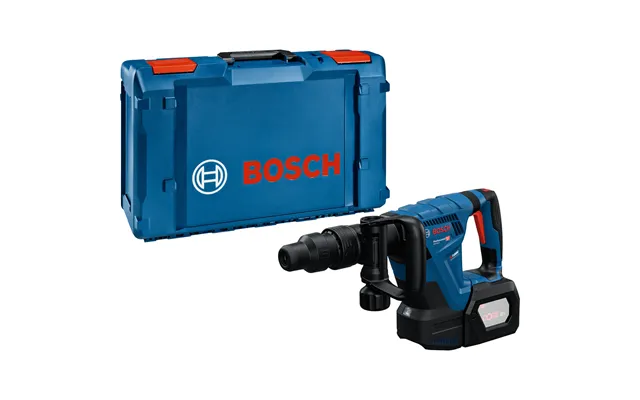
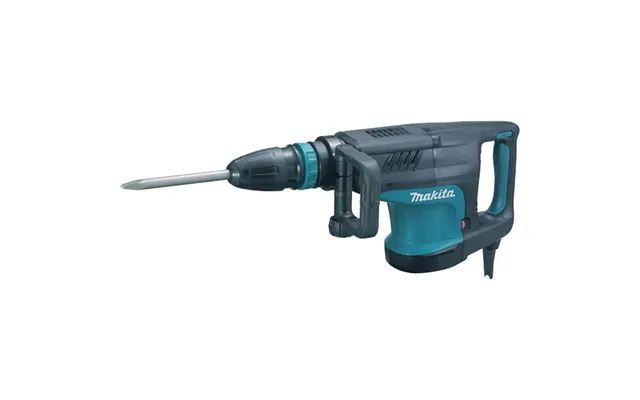
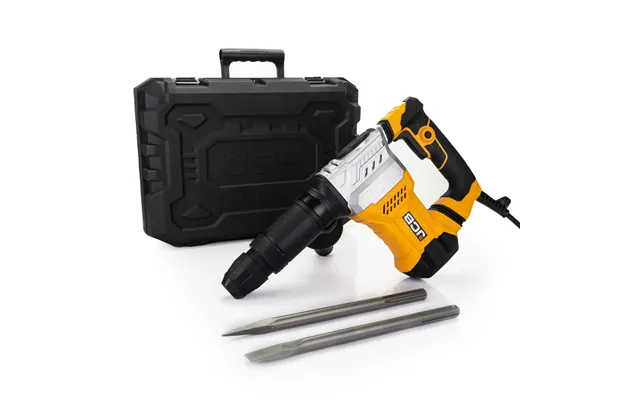
Rotary hammers combine rotation with impact, which makes drilling large-diameter holes in brick and concrete much easier. SDS and SDS Max refer to chisel shank systems and bit sizes. SDS models are great for everyday heavy drilling and light chiselling, while SDS Max units step up to larger bits and tougher jobs. Expect bit diameters listed in inches, like 1/2 in or 1 in, and drill depths suitable for anchor bolts and through-holes.
Pneumatic breakers run from an air compressor and are common on large job sites. They deliver relentless power without the heat buildup of some electric models. These are ideal when continuous use is expected and you already have an air system on site. While quieter than older electric options, they still pack a punch and typically work best when paired with air lines that are 1/2 in or larger for steady flow.
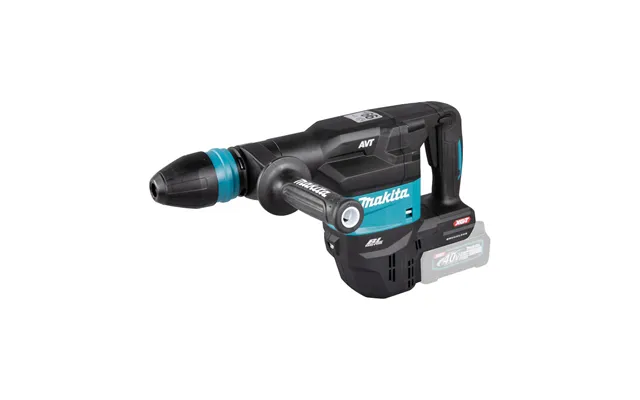
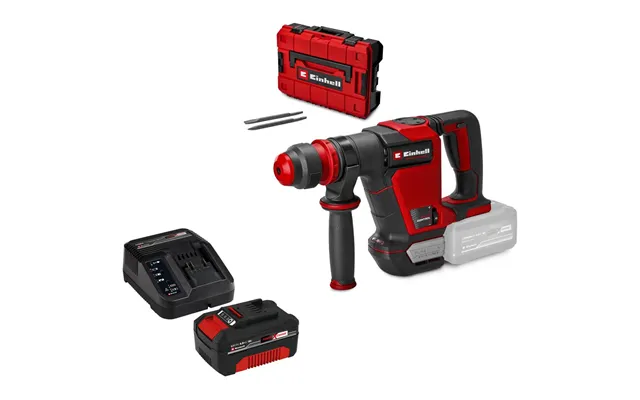
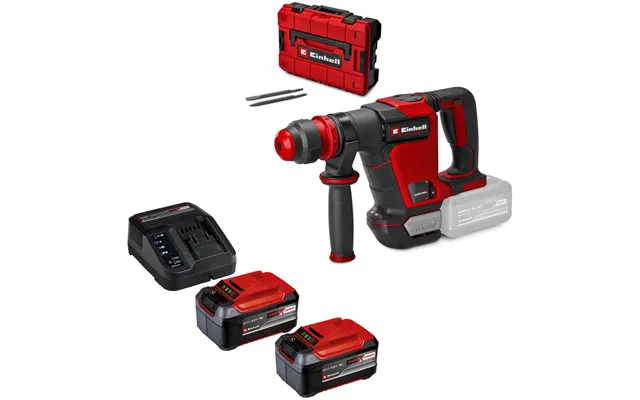
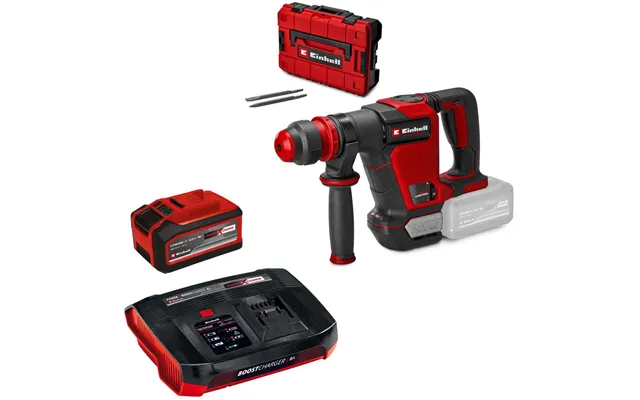
Battery-powered hammers free you from cords and generators, perfect for tight spaces or remote jobs. Advances in battery technology mean you can now get compact hammers that perform like corded units for short bursts. Look for models with robust battery systems that deliver multiple 10 to 30 minute work cycles per battery under heavy use, and consider carrying spare batteries if you expect long shift times.
Impact force is the essence of any powered hammer. While manufacturers sometimes express this in specialized units, you can judge performance by how quickly a model breaks through materials and how consistent the blows feel. A tool that keeps the hit steady without bogging down will save you time and produce cleaner results.
Weight matters. A 30 lb demolition hammer feels different in your hands than a compact 12 lb rotary hammer. Heavier models often mean more force, but they also demand better handling and break time. Look for vibration-damping handles, adjustable grips, and designs that let you work at awkward angles without fighting the tool. Ergonomics can be the difference between finishing a job and dragging it out.
Chisels and bits are the business end of the hammer. Check whether the model takes standard chisel shanks — for example, 1/2 in shanks for lighter work or larger SDS Max fittings for heavy-duty chiselling. Being able to use a wide range of bits means greater versatility on-site, from chiselling joints to removing stubborn tile.
Variable speed and selectable modes (drill-only, hammer-only, or hammer/drill combined) give you control over how the tool behaves. For delicate jobs or a finish pass, the ability to dial down the impact can prevent damage. For demolition, maxed-out settings are what you want, but having choices prevents mistakes.
Corded models offer steady, unlimited runtime if you have power on-site; cordless models deliver mobility; pneumatic models provide long-term durability and are suited to continuous heavy use. Choose based on where you’re working. For cramped basements and remote sites, cordless is liberating. For multi-hour demolition on a construction site, air or corded models are usually more appropriate.
Renovating a kitchen or bathroom? A compact rotary hammer will remove tile and drill anchor points without turning your project into a marathon. Battery models work well for short bursts, while lighter corded hammers give you steady performance for larger areas.
On large construction sites, demolition hammers and pneumatic breakers are workhorses. They speed up ground excavation, concrete removal, and foundation work. When time is money, having the right-powered hammer can cut hours off a task that would otherwise require manual labor or multiple workers.
Masonry pros often favor rotary hammers for drilling anchor holes and chiselling out mortar joints. The rotating action helps clear dust while the impact shatters tough materials efficiently. Using correct bit sizes — for instance, 1/2 in for anchor bolts and 1 in for through-holes — ensures clean results.
Brand reputation matters because it’s tied to durability, service availability, and accessory ecosystems. Bosch, DeWalt, Makita, Hilti, and Milwaukee are often at the top of the list. Each brand has strengths: Hilti is known for rugged longevity, DeWalt and Makita for balanced performance and price, Bosch for precision engineering, and Milwaukee for innovative battery solutions. Checking model reviews across comparison sites gives you a realistic picture of performance and pricing for your area.
Chisels come in flat, pointed, and scaling varieties. Flat chisels are great for scraping and tile removal, while pointed chisels are ideal for initiating break lines in concrete. Keep a small set of common sizes — like 1/2 in shank for lighter models and larger shanks for heavy units — so you can adapt quickly on the job.
Dust extraction attachments keep your workspace cleaner and protect your lungs. For indoor jobs or renovation jobs in occupied buildings, a dust shroud and compatible vacuum are worth the investment. They help you avoid follow-up cleanup that eats into your project time.
Routine wear parts like seals, springs, and recommended grease help maintain performance over the long haul. Having a maintenance kit on hand prevents downtime when a small component fails. A quick inspection routine before each shift keeps hiccups minimal.
Powered hammers are loud, heavy, and capable of throwing debris. Always wear eye protection, hearing protection, work gloves, and steel-toe boots. Use knee pads for low work and ensure you have a stable stance; a powered hammer can kick unexpectedly. If you’re working indoors, ventilate well or use extraction systems to reduce dust exposure. Treat the tool like a precision instrument — respect its energy and keep hands away from chisels during operation.
Before each use, inspect the power cord or battery contacts, check chisel seating, and look for cracks or wear. Clean dust from vents and ensure the handle fasteners are tight. A five-minute routine every morning prevents many common problems.
Follow manufacturer guidance for changing grease, replacing seals, and servicing the motor. If your hammer is used daily, schedule a deeper service every few months. Regular servicing keeps the impact mechanism working smoothly and prevents catastrophic failure that can cost far more than routine upkeep.
Start by sizing up the job: is it light remodel work, heavy demolition, or precision masonry? Match the hammer type to the task — rotary for drilling and light chiselling, demolition for breaking, pneumatic for long shifts. Consider weight: choose a balance between power and portability. Think about runtime: cordless needs spare batteries; corded needs access to power. Finally, factor in accessories and service availability in your region to avoid downtime.
For a one-off project like tearing out a patio or a single-room renovation, renting a heavy demolition hammer can be cost-effective. If you expect to use a powered hammer frequently or professionally, buying makes sense. Compare the rental cost per day with the purchase price and think about resale value if you plan to upgrade later. Also consider the convenience of having the tool on hand when a job pops up — that alone can justify ownership.
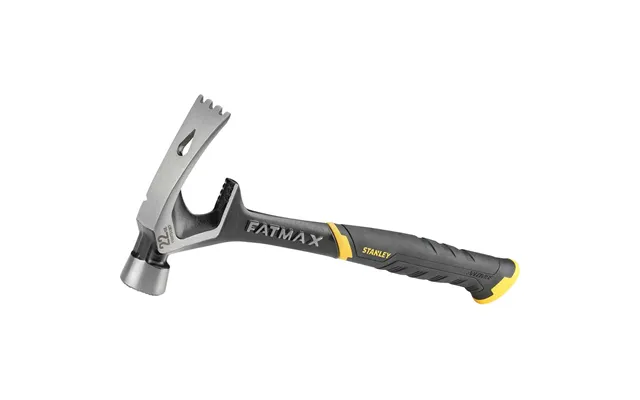
If a powered hammer seems overkill, a manual sledge or a hand chisel might suffice for small tasks. For precise chiselling work, consider an angle grinder with a masonry wheel to score lines before chiselling. For very large jobs, teaming a powered hammer with a skid-steer attachment or using an excavator-mounted breaker may be more efficient than hand-held tools.
Powered hammers span a wide price range. Entry-level rotary hammers suitable for light renovation often start at modest prices, while professional-grade demolition hammers and premium cordless systems can cost several times more. Think of cost in terms of value: a well-made tool that lasts years and reduces labor time can pay for itself quickly. Use comparison sites and read independent reviews to spot sales and bundle deals that include essential chisels or spare batteries.
Choosing the right powered hammer is about matching the tool to the task, your body, and your budget. Don’t be dazzled by raw specs alone — ergonomics, serviceability, and available accessories often make more difference in the long run. Try to handle the model if you can before buying, and if you can’t, read hands-on reviews and watch video demos to sense how it performs in real jobs. The right tool will feel like an extension of your arm — a reliable partner that makes hard work surprisingly smooth.
Whether you’re tearing out a concrete slab, anchoring a new structure, or tackling a weekend remodel, powered hammers are among the most transformative tools you can add to your arsenal. Choose wisely, use safely, and maintain the tool well — and it will return the investment in saved hours and better results.
Powered hammers change the way you approach demolition and heavy-duty drilling. From compact cordless units for quick renovation tasks to massive demolition breakers for professional sites, there’s a hammer built for every job. Prioritize comfort, compatibility, and consistent impact performance, and remember to protect yourself with proper PPE. With the right choice and a little routine maintenance, a powered hammer becomes more than a tool — it becomes the fastest path from plan to finished work.

| £ 2.666,22 |