All categories
Business & Offices
Electronics & Media
Fashion & Accessories
Groceries & Essentials
Health & Personal Care
Home & Living
Kids & Family
Sports & Outdoors
Search in ZoneOffer

Loading...
Ever wish you had one tool that could cut, sand, scrape, and polish without switching setups? That’s the charm of multifunction power tools. They’re compact, punchy, and wildly versatile—ideal for quick fixes and full-on renovations alike. Whether you’re trimming a door, scraping old adhesive, or making a tidy plunge cut, these tools keep your projects moving. With so many popular offers and a fast-changing price list in the UK, comparing models side by side helps you grab the right balance of performance, reliability, and value.
Think of it as the Swiss Army knife of power tools. In one handheld body, you can swap attachments to cut wood or metal, sand delicate edges, remove grout, or scrape stubborn caulk. Two main types dominate the category: oscillating multi-tools and rotary tools. Both share the same “many jobs, one motor” idea, but they go about it differently, which is why comparing features and prices before you buy makes all the difference.
Flush-trimming a pipe? Cutting a notch in baseboard without removing it? Smoothing paint runs on a door edge? A good multifunction tool does it all. With the right accessory, you can plunge-cut into drywall, nip off a screw flush to a surface, sand corners a regular sander can’t reach, and even remove cracked tile grout with precision. If you’re browsing popular offers today, look for bundles that include a starter set of blades, sanding pads, and a scraper so you’re ready from day one.
Unsure which way to go? You’re not alone. Oscillating multi-tools excel at controlled cuts and clean finishes, while rotary tools shine at detail work, engraving, and shaping. Both come in corded and cordless versions, and both have strong deal cycles in the UK. A quick glance at any price list reveals compact DIY heroes and pro-grade beasts—all about how you plan to use them and how much precision or power you need.
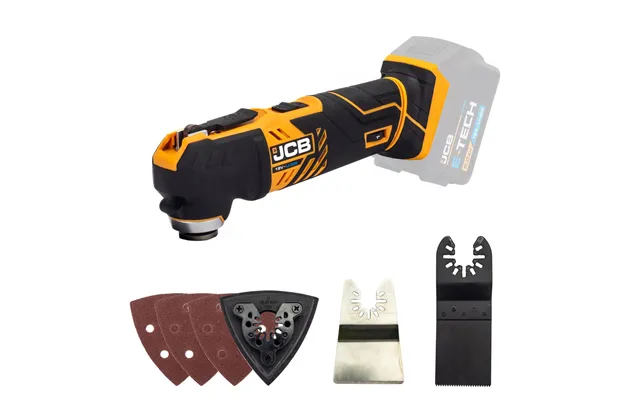
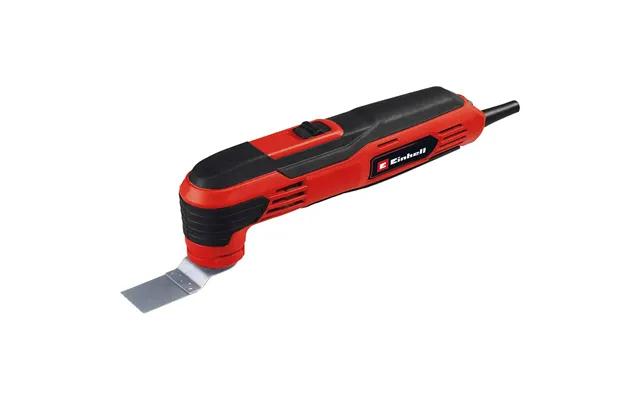
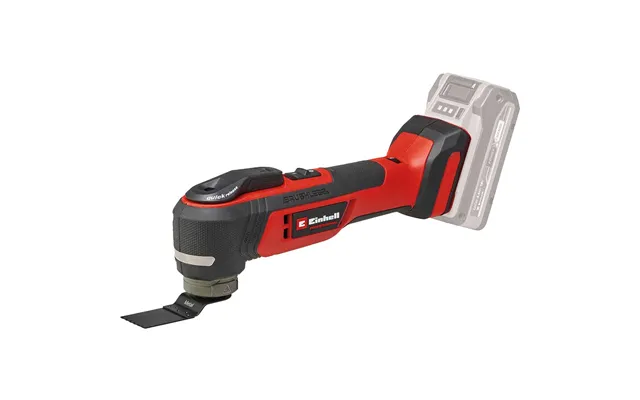
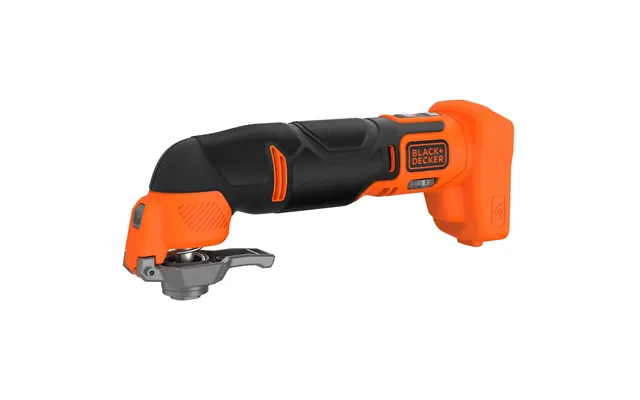
An oscillating multi-tool pivots its head in a tiny arc, usually a few degrees either side of center, creating a fast, precise motion. That gentle oscillation makes it superb for plunge cuts in wood or drywall, flush trims against a wall, and sanding tight corners. Popular kits often include 1 in to 2 in plunge blades, a 3.5 in sanding pad, and a scraper. If you’ll be cutting nails or screws, look for bi-metal blades and sturdy, tool-free blade changes that keep you in the flow.
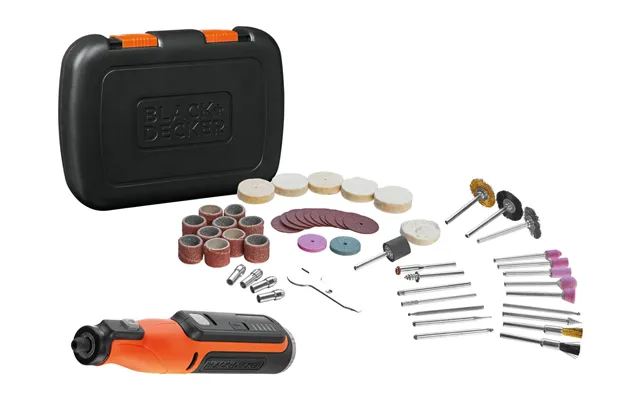
Rotary tools spin attachments at high speed for detail work, small cut-offs, light grinding, and polishing. If you craft, carve, or tinker with electronics, a rotary tool is hard to beat. They’re fantastic for cleaning rusted threads, trimming small screws, or cutting thin plastic and soft metal. Because attachments are slim, rotary tools go where bigger tools won’t. When comparing offers, check for collet size compatibility, variable speed ranges, and accessory kits with cutting wheels, sanding drums, and polishing bits.
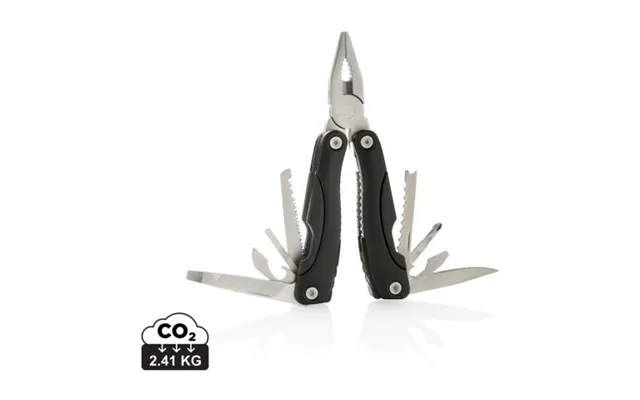
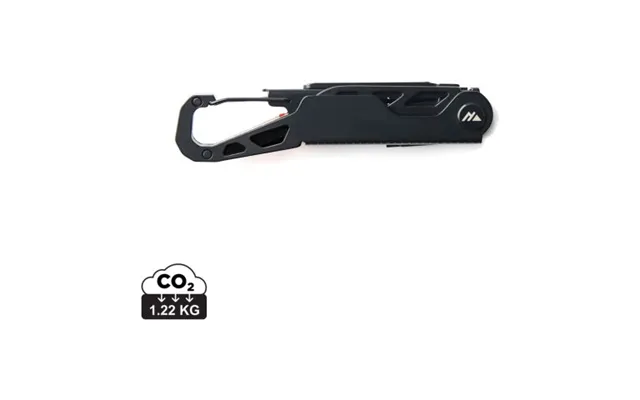
Cordless freedom is addicting. No outlet? No problem. Corded models, though, still rule for continuous power on long projects where runtime matters. If you’re working around the house, a cordless oscillating multi-tool saves time moving from room to room. For shop work, a corded model’s steady performance can be ideal. The best deals in the UK often rotate between cordless kits with batteries and bare tools—so comparing current price lists helps you score the smartest bundle.
Most cordless multi-tools tap into 12V, 18V, or 20V platforms. The practical takeaway? If you already own batteries from the same brand, a bare-tool deal can cut your costs. For heavier cutting and sanding, an 18V or 20V-class tool usually feels stronger, particularly under load. Check battery amp-hour ratings to gauge runtime and look for fast chargers. Kits with two batteries are clutch, letting you work while a spare tops up on the bench.
Brushless motors run cooler and often last longer, making them a smart upgrade for frequent users. Variable speed is just as important; you’ll want to dial back the speed for controlled sanding, then crank it up for aggressive cuts. On an oscillating tool, a wide speed range keeps you in control across wood, plastic, and metal. On a rotary tool, smooth speed control helps avoid melting plastic or burning delicate workpieces.
The tool is only half the story; accessories make the magic happen. For oscillating tools, start with a multi-material plunge blade, a fine-tooth wood blade, a scraper, a carbide grout blade, and a triangular sanding pad with assorted grits. For rotary tools, grab reinforced cutting wheels, sanding drums, small polishing wheels, and a couple of engraving bits. Good bundles can stretch your budget, especially when you compare popular offers and see what’s included.
Blade selection changes the game. A fine-tooth wood blade gives clean plunge cuts in trim and flooring. A bi-metal blade handles nails and screws without destroying itself. For flush cuts, look for a wide blade between 1.5 in and 2.5 in so you can keep it steady against the surface. Many brands use universal mounts, while others use proprietary interfaces—so double-check compatibility before you stock up on a large blade pack.
Triangular sanding pads slip into corners where random orbit sanders can’t reach. A scraper attachment lifts old adhesive, paint, and silicone without gouging the surface. For tiled areas, a carbide grout blade makes clean, controlled removal a breeze. With a dust extractor or a simple micro vacuum attachment, you can keep air clearer and cleanup faster—worth considering if you do a lot of sanding indoors.
Power and price are only part of the equation. The best value often lies in usability details. Tool-free accessory change mechanisms, clear speed dials, bright work lights, and slim grips can make daily use feel easier. When scanning a price list, look closely at what comes in the box—spare blades, sanding sheets, and a sturdy case can save you from separate purchases later.
Nothing kills momentum like hunting for a hex key. Tool-free blade change systems save time and keep your hands on the work. Many oscillating tools support universal or multi-fit mounts, while others use advanced interfaces designed to lock blades more securely for power transfer. If you plan a lot of heavy cuts, that firmer connection is worth it, since it reduces slippage and improves control.
Oscillating tools vibrate—some more than others. Better models include vibration-damping designs that keep your hands fresher on long tasks. Noise varies too; cutting metal can be loud, so hearing protection is smart. For dust, sanding pads with holes connect to small extractors, which makes a big difference indoors. When comparing deals, don’t overlook comfort features. They can turn a good tool into your favorite tool.
Shopping around pays. In the UK, popular offers on multifunction power tools swing through seasons and sales. Budget-friendly oscillating tools and rotary tools are great for occasional DIY. Mid-range kits often add better motors, more accessories, and stronger mounts. Pro-grade tools stack on durability, brushless power, and refined ergonomics. A well-organized price list helps you see where each model lands and what extras you’ll get for your money.
If you’re just starting out, look for an oscillating tool kit that includes a handful of blades, a sanding pad, and a small pack of sheets. Corded units keep costs down and deliver steady power. Cordless starter kits with a single battery are also popular—just make sure the charger is included. Pay attention to warranty length and accessory availability; those small details protect your spend.
Mid-range models usually bring higher power, improved blade interfaces, and better vibration control. This is where you’ll often find brushless motors in cordless kits, dual batteries, and a heavy-duty case. If you’re balancing weekend projects with occasional big jobs, this tier delivers the most bang for the buck. Watch for bundles that add premium bi-metal blades or a grout blade at no extra cost.
Pros need durability and consistency. Pro-grade oscillating tools typically feel smoother, run cooler, and hold accessories more firmly. Cordless kits in this bracket may include high-capacity batteries and fast chargers. If you earn your living with your tools, scrutinize service support and spare part availability. Pricing here is higher, but with the right offer, the long-term value is tough to beat.
What’s the point of a multifunction tool if it doesn’t save you time? That’s where these machines shine. Instead of hauling out a jigsaw, hand saw, and sander, you pop in a blade, make a precise cut, then switch to a sanding pad in seconds. When scanning popular offers, picture your next three projects and aim for a kit that covers them all. You’ll hit the ground running, and your toolbox will stay lighter.
Need to trim a door after new carpet? An oscillating tool can shave a fraction off the bottom without removing the door. Replacing a section of drywall? Plunge in, cut a clean rectangle, and you’re done. Refinishing furniture? A triangular pad reaches into corners, and a scraper lifts old varnish where a chemical stripper would be messy. Even small pipe notches and tight kitchen cuts feel easy with the right blade.
Rotary tools are brilliant in the garage. Clean rusted threads, trim a bolt, or shave a bit of plastic for a custom fit. Polishing small parts or headlights with the right compound and pad is straightforward. Into crafting? Engrave, shape, and sand small pieces with finesse. You don’t need a full workshop when one lightweight tool plus a small accessory kit handles most detail work.
Power plus versatility calls for good habits. Wear eye protection, keep fingers clear of the blade path, and clamp your work. When you’re done, clean dust off vents and accessories, and store blades in labeled pouches so you can grab the right one next time. These small routines protect your investment and keep your cuts clean and straight.
At minimum, use safety glasses and hearing protection, especially when cutting metal. A light dust mask helps during sanding, and gloves protect against sharp blades when changing accessories. Keep a small brush or vacuum handy to clear debris before it builds up around your work area. The more you see, the more accurate your cut.
Wipe down the body after use and check the accessory mount for wear. If you notice wobble or slippage, tighten or replace the interface parts before the next job. On cordless models, avoid fully draining batteries regularly and store them at moderate temperatures. Replace worn blades and sanding sheets promptly—dull accessories force the tool to work harder and can scorch your material.
Multifunction tools are amazing, but they don’t replace everything. Jigsaws, circular saws, and drills still have starring roles on bigger cuts or heavy-duty tasks. The trick is knowing when to use which tool. Use your multi-tool for finesse and tricky spaces; call in the big hitters when speed and straight long cuts matter.
Cutting long sheets of plywood? A circular saw wins. Drilling holes for shelves? Grab a drill-driver. Cutting a curved profile in a board? That’s a job for a jigsaw. Meanwhile, your oscillating tool handles the notches, corner cuts, and finishes that those other tools can’t do as cleanly. Together, they’re a dream team.
Small upgrades go a long way. A right-angle head for some rotary tools makes tight-space cuts easier. Dust shrouds help when sanding indoors. LED work lights are a big help in dark corners under sinks or inside cabinets. Don’t forget a quality blade kit; a pack with a couple of 1.25 in plunge blades, a 2 in flush-cut blade, and a carbide grout blade covers most home needs.
Prices and bundles change fast. A comparison site helps you scan popular offers quickly, filter by features, and spot genuine savings instead of inflated “list” prices. Focus on total value: the tool, batteries, charger, case, and accessories included. Read user feedback, compare warranty details, and make sure the accessories you want are easy to source. When today’s price list lines up with your feature checklist, that’s your sign to buy.
Look beyond the headline price. Does the kit include two batteries? What’s the amp-hour rating? Are premium blades in the box? Add the cost of missing items to see the true total. Then compare across a few offers. The “cheapest” tag might not be the best value if you’ll immediately need to buy extra parts.
Multifunction power tools are the ultimate time-savers, letting you cut, sand, scrape, and polish with one compact workhorse. Whether you’re leaning toward an oscillating multi-tool for precision cuts or a rotary tool for detailed shaping, the right choice comes down to your projects, your budget, and the accessories you’ll use most. By comparing popular offers and reading through a clear price list, you can secure a kit that feels great in hand, powers through tasks, and delivers lasting value on every project.
| Multifunction Power Tools | Price | |
|---|---|---|
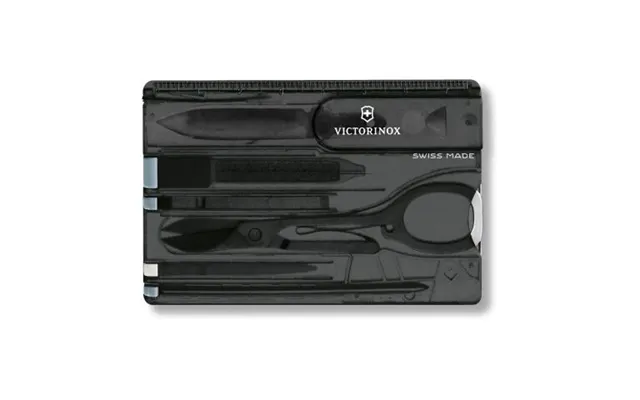
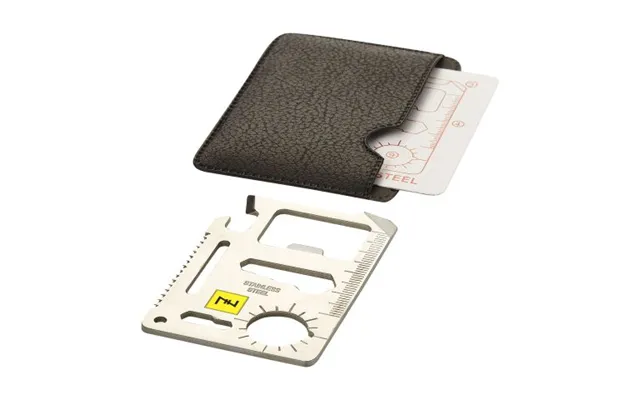
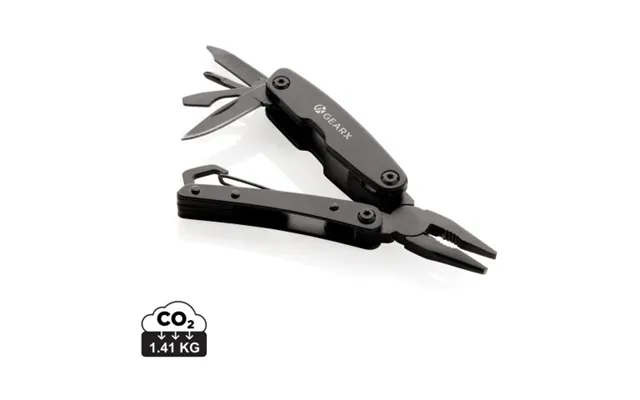
| Promotional Brandcharger Ranger Multi-tool Gun Metal Branded With Your Logo | £ 12,85 | |
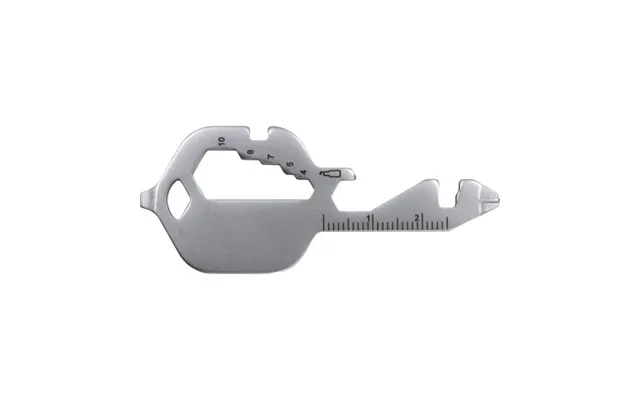
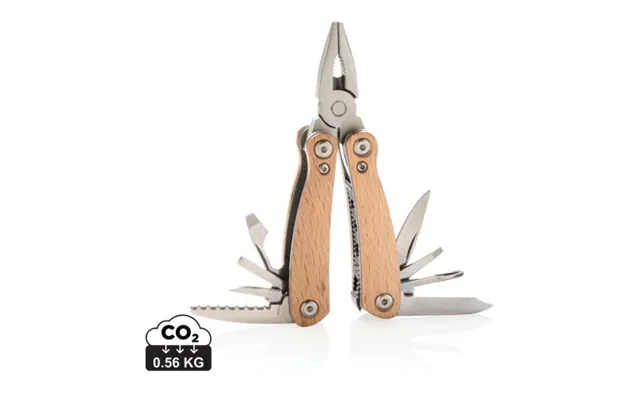
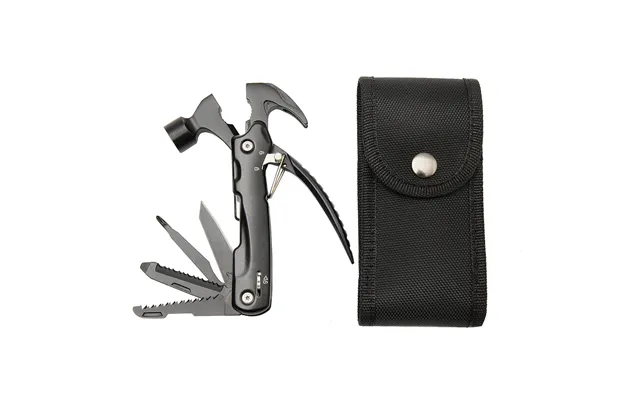
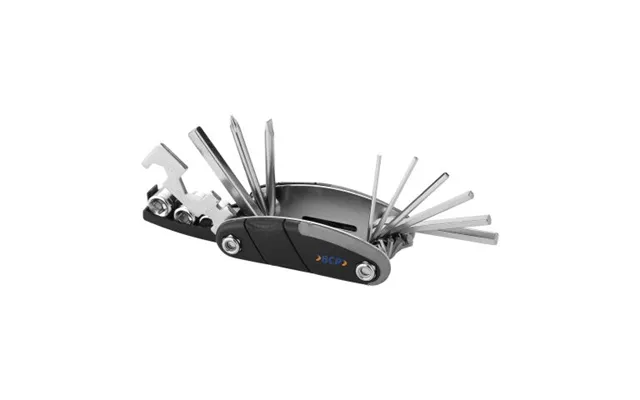
| 12-in-1 Multi-tool | £ 14,99 | |
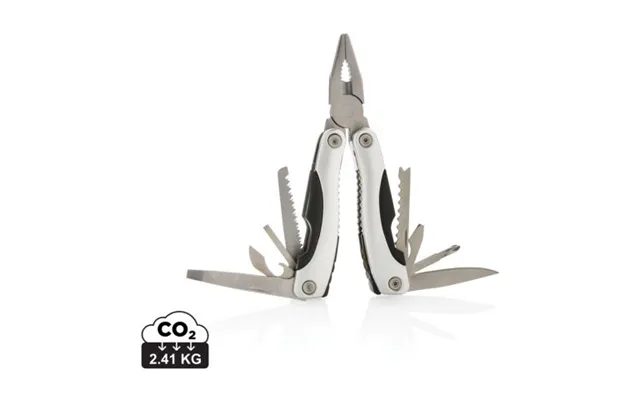
| 29 In 1 Multi Tool | £ 15,99 | |
| Batavia 7062510 Maxxpack 18v Cordless Multi-tool Bare Unit | £ 43,31 | |
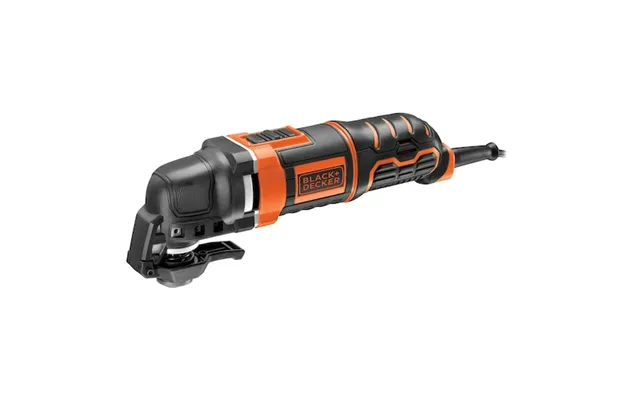
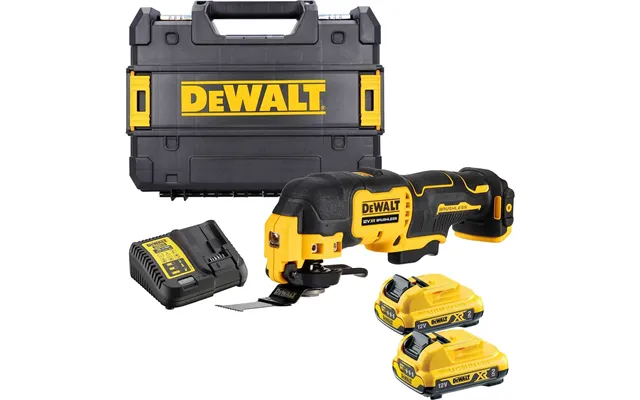
| Black Decker Mt300kagb 300w Oscillating Tool 240v | £ 77,95 | |
| Black Decker Mt300kagb 300w Oscillating Tool 240v | £ 79,55 | |
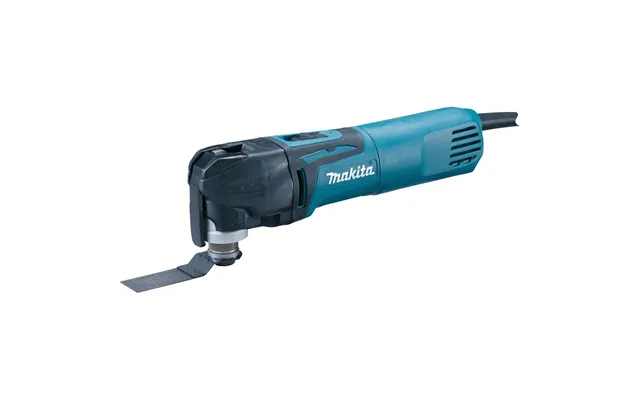
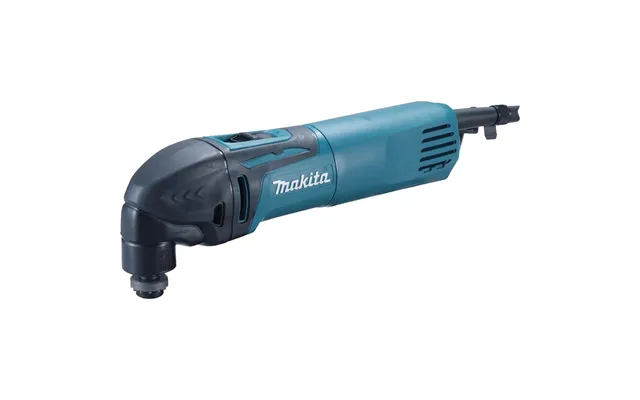
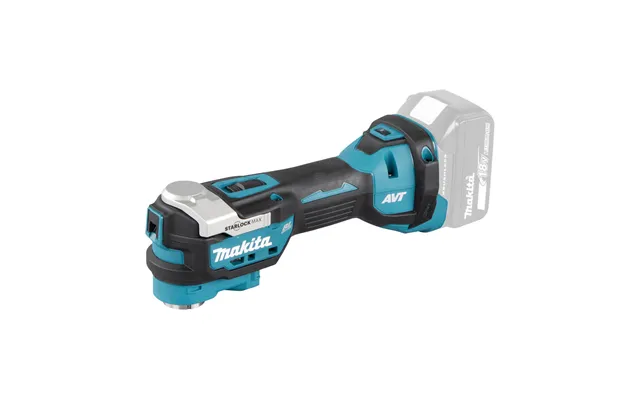
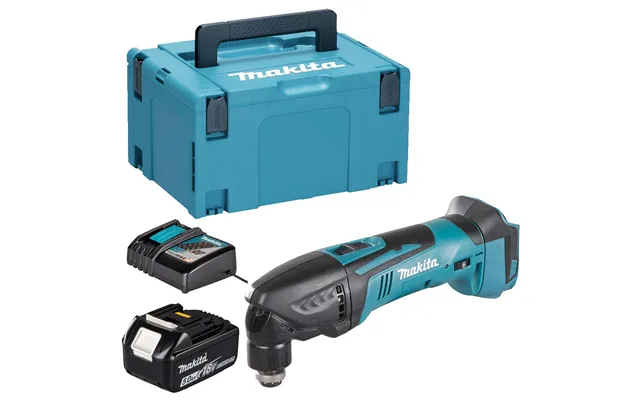
| Makita Dtm52z Oscillating Multi-tool Black Blue Silver 20000 Opm | £ 214,33 | |
| Makita Dtm52z Oscillating Multi-tool Black. Blue. Silver 20000 Opm | £ 214,98 | |
| Makita Dtm52z Oscillating Multi-tool Black. Blue. Silver 20000 Opm | £ 214,98 | |
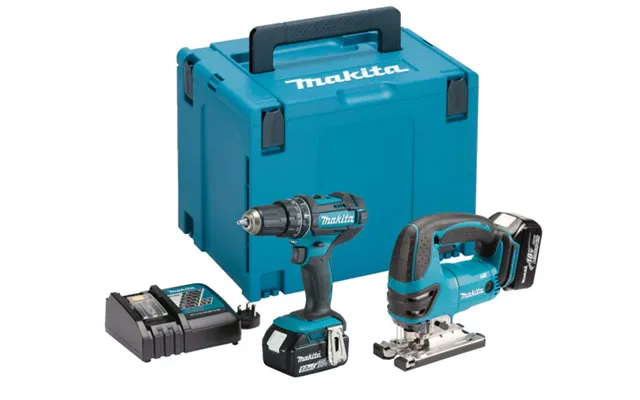
| Makita Dlx2134tj Cordless Combo Kit | £ 368,71 |