All categories
Business & Offices
Electronics & Media
Fashion & Accessories
Groceries & Essentials
Health & Personal Care
Home & Living
Kids & Family
Sports & Outdoors
Search in ZoneOffer

Loading...
Looking to square edges, flatten faces, and make boards play nicely together? That’s where a carpentry jointer shines. Whether you build furniture, fit kitchens, or fine-tune trim, a good jointer turns rough, twisted lumber into straight, dead-flat stock that glues up without a fight. If you’ve been hunting for popular offers and a clear carpentry jointers price list to compare, you’re in the right place. This guide breaks down types, features, setup tips, and insider shopping advice—so you can choose the perfect tool for your shop and budget.
Here’s the best part: you don’t have to chase deals across dozens of sites. On ZoneOffer, a comparison site, you can scan multiple retailers at once, see price trends, and spot real savings on jointers and related tools. Ready to upgrade your workflow and spend smarter? Let’s unpack what matters most before you buy.
A carpentry jointer is a precision machine for straightening and flattening wood. Run a bowed board over a jointer and it’ll give you one true face; edge-joint that same board and you’ll get a perfect glue-ready edge. The result? Panels that clamp up tight, doors that close cleanly, and projects that look like a pro built them. If you’ve ever fought gaps in a tabletop or wrestled twist out of boards by hand, a jointer feels like a magic wand.
Think of it like this: the jointer is your “truth maker.” It establishes a reference face and a straight edge. From there, every cut on your saws, planers, and routers becomes more accurate, because they’re working from true surfaces. If precision is your goal, a jointer isn’t a luxury—it’s a foundation.
The jointer’s job is to flatten one face and square one edge. It excels at removing bow and twist and producing an edge that glues up without daylight peeking through. Most woodworkers start by jointing one face, then one edge, and then move to a planer to make the opposite face parallel.
A planer makes one face parallel to the other and brings boards to a consistent thickness. But it won’t correct a twisted board all by itself. If you feed a warped board into a planer, it’ll come out the same shape—just thinner. That’s why jointers and planers team up; the jointer creates a true reference, the planer locks in uniform thickness.
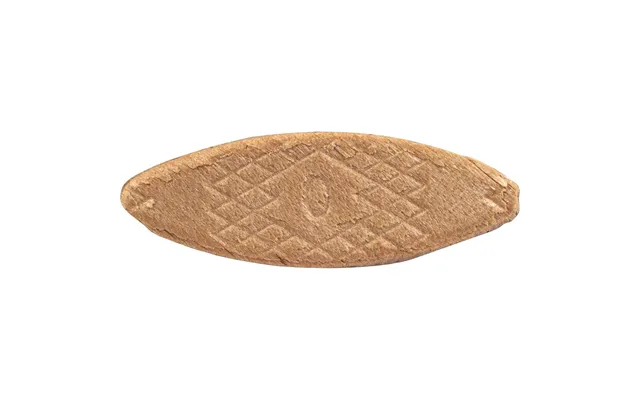
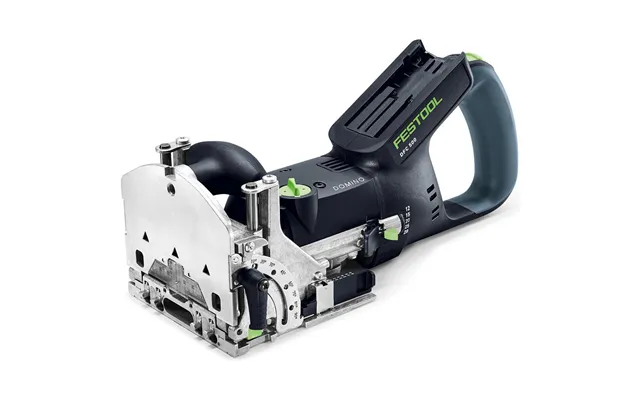
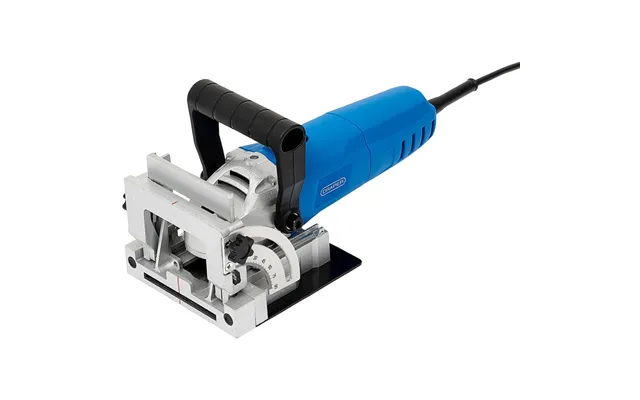
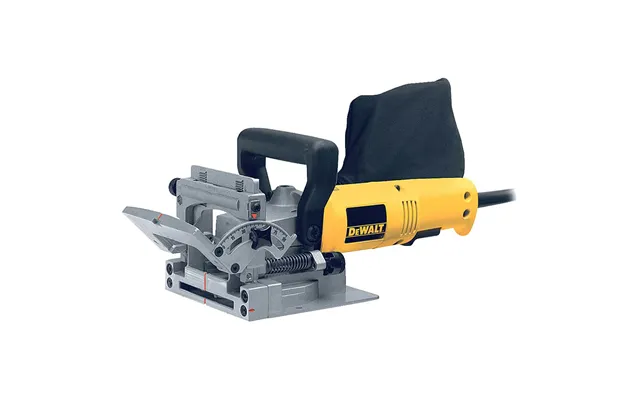
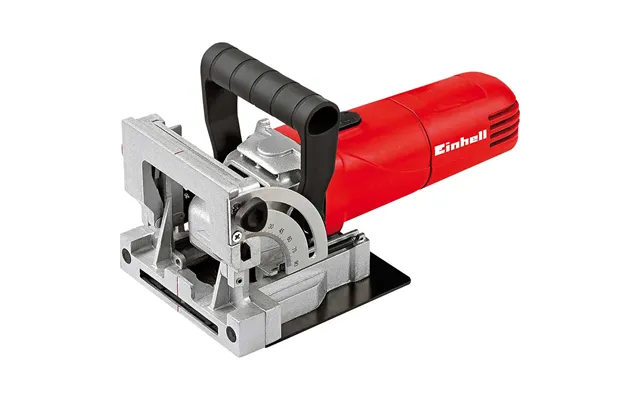
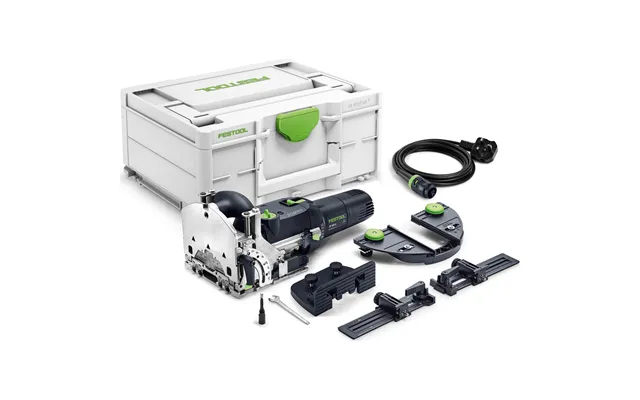
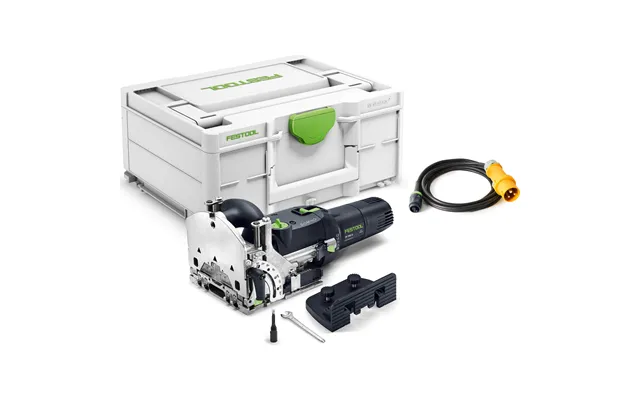
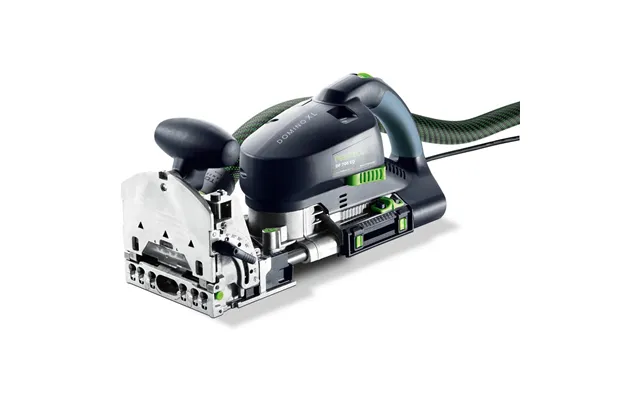
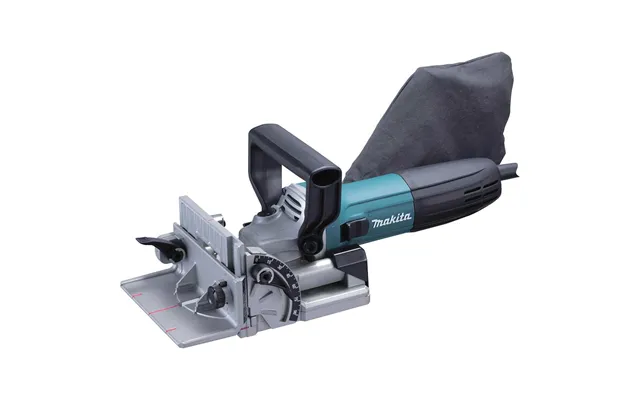
A biscuit joiner cuts small, football-shaped slots for biscuits that help align boards during glue-ups. It’s brilliant for keeping edges flush when building panels or cabinets. But it doesn’t flatten or straighten wood surfaces. Many shops keep both a jointer and a biscuit joiner because they solve different problems beautifully.
Jointers range from compact benchtop units to heavy floor-standing machines. Prices shift with capacity, table length, cutterhead tech, and build quality. Instead of hopping from tab to tab, use a comparison site like ZoneOffer to view popular offers and a clear carpentry jointers price list across multiple retailers at once. You can spot genuine discounts, avoid impulse buys, and choose the best value for your needs.
Here’s a simple approach: pick your must-have width (6 in, 8 in, 10 in, or 12 in), decide on cutterhead type (straight knives or helical), and set a budget window. Then compare what different brands offer at each tier—table length, fence stability, warranty, and included accessories. You’ll quickly see which models punch above their price.
Benchtop jointers are the go-to for small workshops, apartment makers, and jobsite work. Commonly 6 in wide, they’re light enough to move and store, yet powerful enough to joint hardwood edges cleanly. They’re ideal if you mostly square stock for frames, boxes, and smaller furniture parts. Just know the shorter tables limit how reliably you can flatten long boards—think under 4 ft as a comfortable limit, depending on technique and roller stands.
Stepping up to 8 in, 10 in, or 12 in floor-standing jointers gets you longer tables, beefier fences, smoother infeed/outfeed platforms, and heavier mass that kills vibration. The payoff is straighter, flatter results on longer boards and a silky cut. If you build large tables, cabinets, or doors, the extra stability and length are worth their weight in accuracy.
Some woodworkers choose jointer/planer combo machines to save space while getting wide capacity—a smart move in tight shops. If you prefer hand tools or need a budget-friendly workaround, a long hand plane (jack or jointer plane) paired with winding sticks can flatten faces surprisingly well. Add a router with a straightedge for edge-jointing in a pinch. These methods take more time, but they’re quietly powerful (and oddly satisfying).
Capacity is the headline number: 6 in suits most small-shop tasks, 8 in opens doors for wider stock, and 10–12 in is a dream for furniture makers. Table length matters just as much. Longer infeed and outfeed tables support long boards, letting you tame bow without awkward setups. If you routinely process boards over 6 ft, prioritize a longer, heavier machine or use roller stands to extend support.
Straight knives are affordable and cut cleanly when sharp. They’re great for regular softwoods and many hardwoods. Helical (spiral) cutterheads use rows of small carbide inserts set in a spiral pattern. They excel on tricky grain, reduce tear-out, and run smoother. When an insert dulls, you rotate it a quarter turn instead of replacing a whole knife set. Upfront cost is higher, long-term convenience is excellent—especially if you work with figured woods.
A tall, rigid fence that locks square is your secret weapon. Look for easy tilt to 45° for bevels and rock-solid stops at 90°. Micro-adjust knobs are a bonus for dialing in perfect alignment. A well-machined fence makes edge-jointing fast, safe, and pleasantly boring—in the best way.
Mass is your friend on a jointer. Heavier cast-iron tables damp vibration, helping the cutterhead glide rather than chatter. You’ll see the difference in glassy cuts and dead-straight edges. Benchtop models are lighter by design, so look for smart bracing, quality bearings, and consistent machining.
Jointers create fine shavings that add up quickly. A 2.5 in or 4 in dust port hooks up to extractors and collectors for a cleaner, safer shop. Good extraction isn’t just about tidiness; it helps maintain visibility at the cutterhead and reduces airborne dust during long sessions.
Look for an easy-to-adjust cutterhead guard, non-slip push blocks, intuitive power switches, and clearly marked depth-of-cut controls. Scale markings should be readable at a glance, and adjustment levers should feel positive. These aren’t just nice-to-haves—they keep your hands safe and your results consistent.
If you’re building tables, doors, and casework, an 8 in jointer with generous table length hits the sweet spot. It gives you room to flatten wider boards and edges without constant workarounds. Pair it with a planer, and you’ve got a powerhouse combo for serious furniture-making.
For picture frames, small boxes, trim, and shop jigs, a 6 in benchtop jointer gets you clean edges with minimal footprint. You’ll love how quickly it preps parts for miters and glue-ups. Keep a biscuit joiner handy for bigger panel glue-ups—that alignment help is gold.
In a tight garage or shed, portability matters. A benchtop model that stores under a bench might be perfect. If you’ve got the space, a floor-standing machine rewards you with accuracy and speed every single session. On jobsites, many pros joint with a track saw or router and leave the heavy iron in the shop.
Start by ensuring infeed and outfeed tables are co-planar. Use a long straightedge to check for dips, humps, or twist. Adjust gibs or table lifts until the two surfaces sit perfectly in the same plane. Set the outfeed table level with the knife arc so stock passes off without sniping the trailing end.
Sharp knives make all the difference. For straight-knife jointers, set all blades to the same height with a reliable gauge and lock them evenly. For helical heads, rotate inserts when you notice dullness or tear-out, and keep a few spares on hand. Wipe pitch from tables and fence so wood slides smoothly without surprise resistance.
Use light, consistent passes rather than hogging off a huge bite. Keep downward pressure directly over the tables, not near the cutterhead gap. As soon as enough stock sits on the outfeed table, shift your pressure there to follow the newly jointed reference surface. And please—always use push blocks. They’re simple, cheap, and essential.
Expect compact footprint, lighter weight, and basic straight-knife heads. These shine for edge-jointing and shorter stock. You’ll typically get a decent fence, adjustable depth of cut, and a 2.5 in dust port. For many DIYers and hobbyists, this tier nails the sweet spot of price and performance.
Here you step into longer tables, stouter fences, and smoother results. Many models offer helical heads as an upgrade or standard. If you’re serious about furniture or want fewer headaches with long boards, this tier returns its cost in accuracy and time saved.
Wide-capacity machines with long cast-iron beds, heavy bases, and premium cutterheads live here. The finish quality and stability are superb, letting you tame wide, gnarly boards with confidence. If your projects demand uncompromising flatness and speed, this category is a joy to use.
Push blocks keep hands safely away from the cutterhead while maintaining consistent pressure. Grippy bases matter—replace worn pads before they stop sticking. A featherboard on the infeed side (where your setup allows) helps keep edges tight to the fence for repeatable results.
A long straightedge and a reliable square are your calibration companions. Winding sticks reveal twist so you know which corners sit high. These simple tools turn you into a tuning wizard, especially when you’re chasing perfect panels or face frames.
A 4 in dust port to a dedicated collector is ideal for larger machines, while many benchtop units pair well with a 2.5 in hose. Good extraction keeps shavings from piling up at the cutterhead and helps you see what you’re doing. Less mess, more accuracy—win-win.
Feed stock with the grain whenever possible and never joint extremely short pieces. Keep the guard closed over the cutterhead except where your workpiece passes through. If you need to bevel, double-check fence tilt and use stable hand placement with push blocks.
Stand balanced, feet shoulder-width apart, and don’t lean across the tables. Keep your eyes on the cut line and your hands on safe zones. If anything feels off—strange vibration, unusual resistance—stop, reassess, and correct before the next pass.
Dull knives make you push harder, and that’s when slips happen. Stay ahead of maintenance. Clean tables, rotate or sharpen blades, and check that the fence locks square every time. Safe machines are predictable machines.
When evaluating popular offers, look beyond the headline price. Check if a model includes a mobile base, extra inserts, or premium push blocks. Scan user feedback for fence rigidity and table flatness—two features that separate great jointers from just-okay ones. If you find a deal on a helical cutterhead at a mid-range price, that’s often a standout value.
Comparison matters. On ZoneOffer, a comparison site, you can view a carpentry jointers price list across multiple sellers, track discounts over time, and choose the offer that matches your spec wishlist. It’s a simple way to avoid overpaying while still getting the machine that fits your projects.
Curly maple, knotty pine, and ribbon-striped woods can tear out under straight knives. If you work with challenging grain, go light on depth of cut and slow down the feed. A helical head is worth its weight here—its shear slicing action keeps the surface cleaner and calmer. For tough spots, skew the board slightly as you feed to mimic a shear cut even on straight knives.
Reclaimed boards and character-grade lumber can look stunning, but they need extra prep. Scan for hidden fasteners with a magnet, trim away checked ends, and joint in light passes. Moisture-wise, aim for well-acclimated stock before flattening—wood moves as it equalizes, and you want it settled before you chase perfect flatness. Patience here pays off in panels that stay flat and true.
For panel glue-ups, joint one edge square and dead straight. Dry fit two boards against each other and hold them up to the light; if you see gaps, go back for a whisper pass. Mark the mating edges with triangle marks so you don’t mix them up. When the edges kiss perfectly without clamps, you’ll know your jointer is tuned and your technique is on point.
If you constantly fight end snipe or wavy edges, it might be setup rather than capacity. Revisit your outfeed height, fence square, and blade sharpness. But if your projects are getting larger or you’re spending ages wrestling long boards, upgrading to a longer, wider machine saves time and frustration. As a rule of thumb: the more you build furniture and big panels, the more an 8 in or wider jointer makes sense.
Define your projects, pick your width, choose your cutterhead, and decide how much floor space you can spare. Then compare popular offers and drill into the details—table length, fence stability, dust collection, and real-world reviews. A well-chosen jointer turns rough lumber into predictable, precise parts. It’s the tool that makes every other tool in your shop better.
A carpentry jointer is more than a machine—it’s the start of accuracy in your builds. With the right capacity, a tuned setup, and safe technique, you’ll get edges that glue without gaps and faces that sit dead flat. Use a comparison site like ZoneOffer to scan a carpentry jointers price list, evaluate popular offers, and match features to your needs. Whether you choose a compact 6 in benchtop or a brawny 8 in or 12 in floor model, the right jointer pays you back every time you touch wood. Ready to make your boards behave? Your next project will thank you.
| Carpentry Jointers | Price | |
|---|---|---|
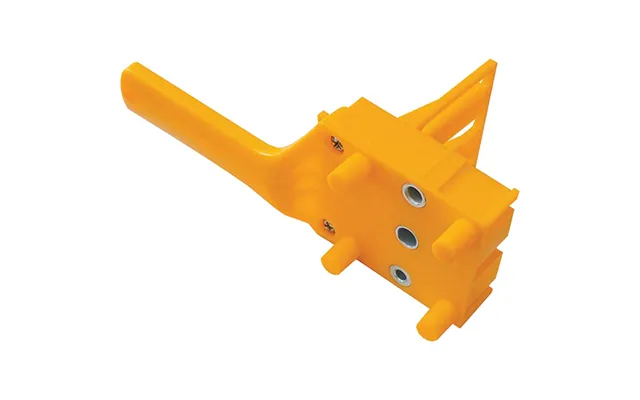
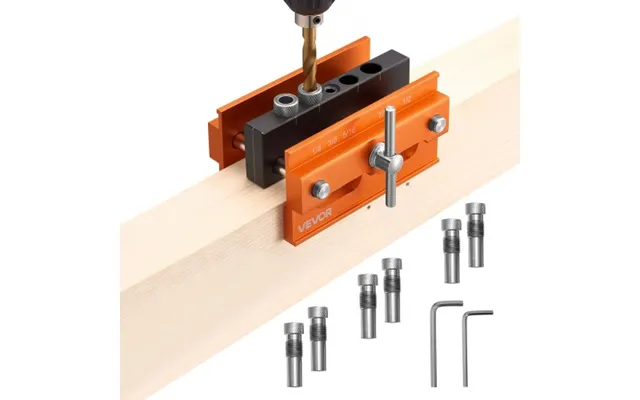
| Faithfull Faidowjig2 Dowelling Jig | £ 9,42 | |
| Makita Pj7000 700w 100mm Biscuit Jointer | £ 256,94 |