
Grout Sponges price list
Last updated Sunday, 27 Sept 2026
| Grout Sponges | Price |
|---|---|
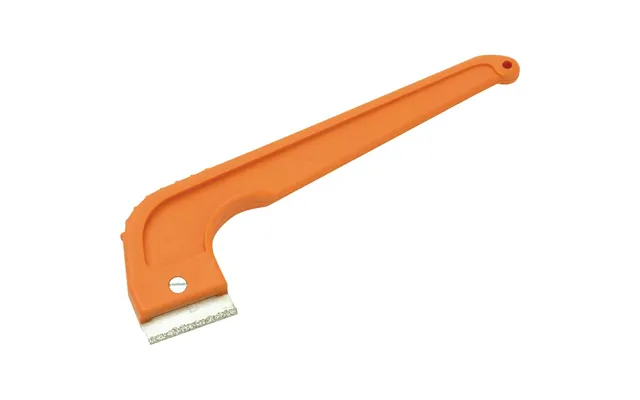
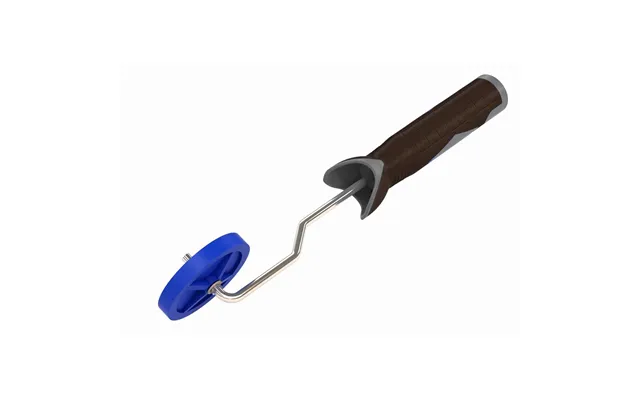
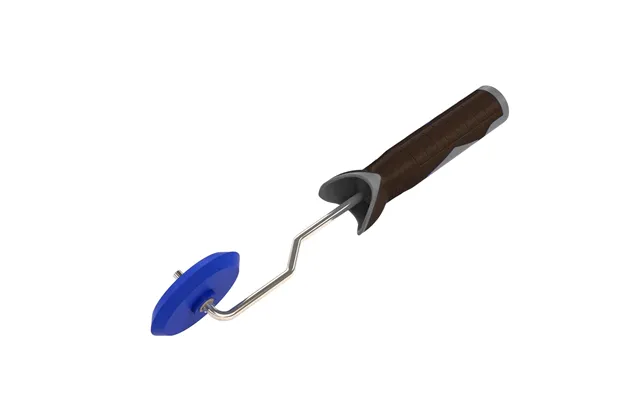
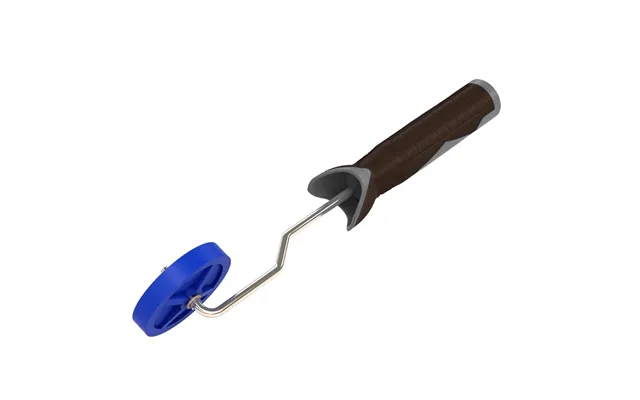
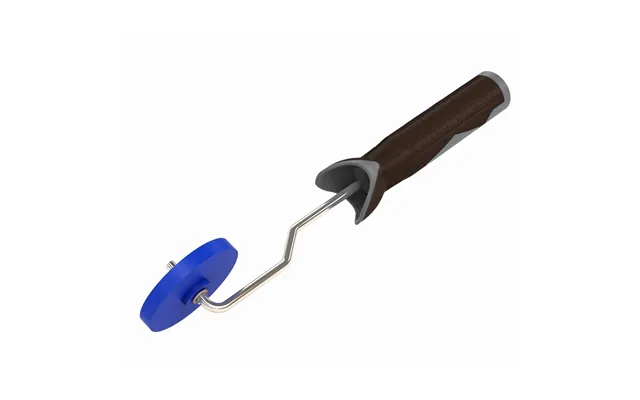
| Vitrex Tile Grout Rake | £4.49 |
| Vitrex Tile Grout Rake | £4.49 |
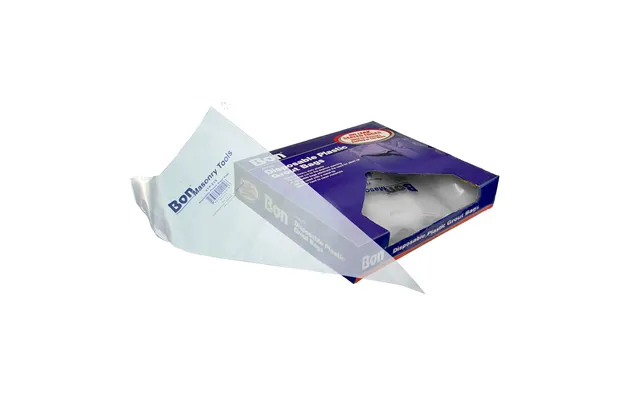
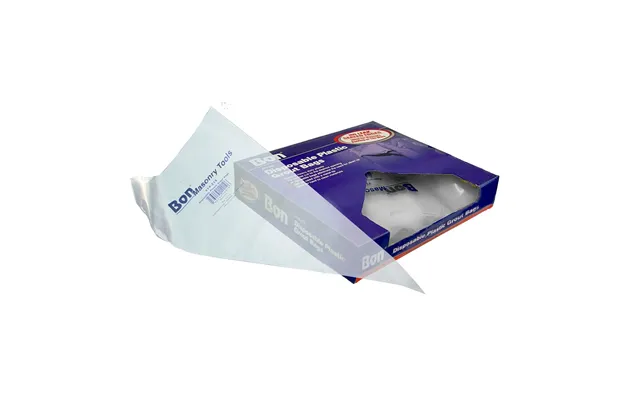
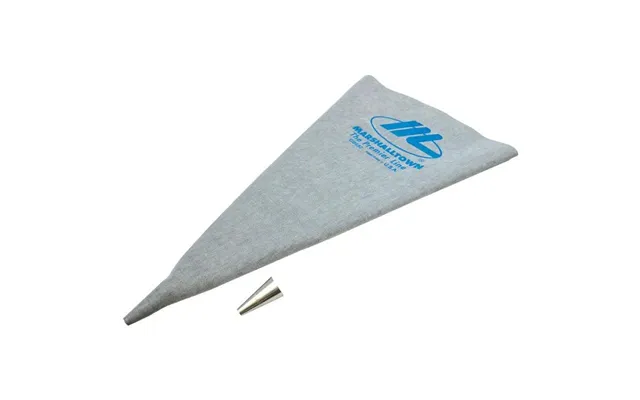
| Marshalltown Mortar Bag With Tip | £11.00 |





View 12 Offers
Loading...
Last updated Sunday, 27 Sept 2026
| Grout Sponges | Price |
|---|---|
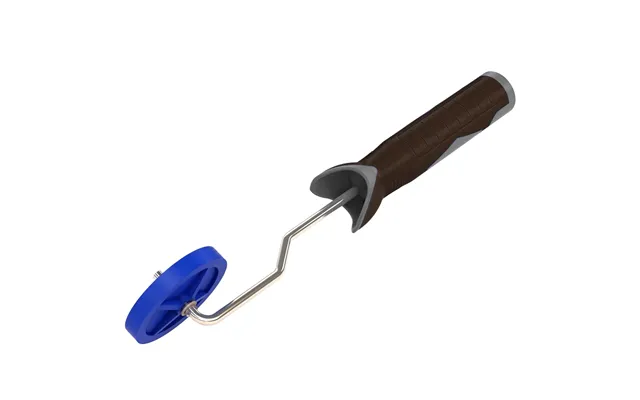
| Vitrex Tile Grout Rake | £4.49 |
| Vitrex Tile Grout Rake | £4.49 |
| Marshalltown Mortar Bag With Tip | £11.00 |
If you've ever tackled a tiling job, you know the sponge is the unsung hero. A grout sponge does more than wipe away excess grout — it shapes joints, removes haze, and helps create a smooth, uniform finish that lasts. Think of it like a paintbrush for grout: the right sponge makes the difference between a professional-looking job and an uneven, messy finish.
Grout sponges come in different densities, sizes, and edge profiles, and each variety affects how well you can control moisture, clean-up speed, and final appearance. Whether you're doing a small backsplash or re-grouting a floor, understanding which sponge to use will save time, reduce mistakes, and protect your tile investment.
Not all sponges are created equal. The main types are cellulose sponges, microfiber sponges, and heavy-duty foam or rubber-backed sponges. Each type shines in particular situations, so knowing the differences helps you pick the right tool for the job.
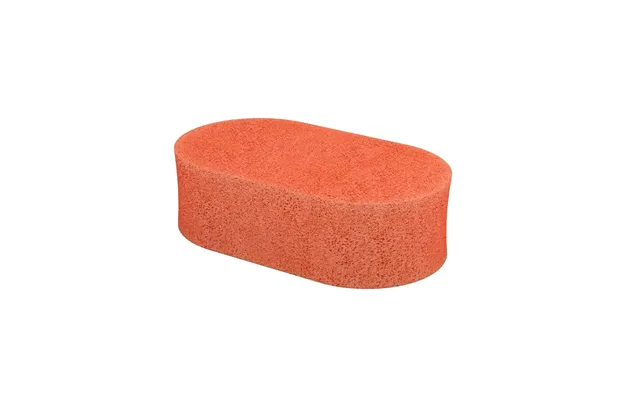
Cellulose sponges are absorbent and easy to shape. A typical grout sponge is about 6 inches by 4 inches and 2 inches thick, giving you plenty of surface area and a comfortable grip. These sponges soak up excess grout and are inexpensive, but they can fall apart if overused with harsh chemicals or left saturated for long periods.
Microfiber sponges hold less water than cellulose but deliver better streak-free results, especially on polished tiles. Their fibers help pick up grout haze without excessive scrubbing. Microfiber options are great for smaller grout joints and sensitive surfaces that can show scratches if scrubbed too hard.
For large jobs and aggressive cleaning, heavy-duty sponges with rubber or foam backing offer durability and leverage. These often measure about 8 inches by 5 inches and can withstand more pressure and stronger cleaners. They’re ideal when removing old grout residue or working on exterior tile where tougher cleaning is needed.
Picking the right sponge comes down to a few key details: size, density, edge profile, and compatibility with the grout type you're using. A crowded toolbox won’t help if you grab the wrong sponge mid-job, so take a moment to match the sponge to the task.
Smaller sponges, around 4 inches by 2.5 inches, are great for grout lines less than 1/8 inch wide and for delicate tile, while standard sponges near 6 inches by 4 inches suit most wall and floor jobs. Larger, 8-inch sponges speed up the cleanup on big areas like a 10-foot by 10-foot floor but can be unwieldy near corners.
Density determines how much water the sponge holds and how much pressure you can apply. A medium-density sponge absorbs enough water to clean without dripping all over the tile; a high-density sponge resists tearing and lasts longer under repeated use. If your job requires lots of rinsing and wringing, opt for a denser option that won’t collapse after a few uses.
Sponge edges can be square, rounded, or beveled. Sharp edges are useful for cleaning grout joints cleanly in corners and along edging tiles. Rounded edges reduce the risk of digging into grout and causing hollows. Consider the grout width and your technique: if you’re a perfectionist, a sponge with at least one sharp edge and one rounded edge gives you the best of both worlds.
A sponge alone won’t handle everything. Professional results usually come from combining a grout sponge with a few essential tools: a grout float, grout saw or rake, grout brush, sealer, and mixing tools. Think of the sponge as the finishing tool — the other items prepare and protect the grout.
A rubber grout float helps you press grout into joints uniformly. Typical floats are about 9 inches by 4 inches and paired with a sponge to remove the excess. Using the float at a 45-degree angle ensures grout gets packed into the joint for maximum strength.
When repairing old grout, a grout rake or oscillating blade removes damaged material without chipping tile. These tools are indispensable when the grout is cracked or contaminated — prepping the joint properly makes re-grouting and sponging effective and long-lasting.
Small grout brushes, often 6 inches long, are perfect for scrubbing narrow joints and removing stubborn residue before you finish with a sponge. A stiff nylon brush cleans deeply, while a softer brush is safer for delicate tiles and sealed surfaces.
Sealers protect the grout after it cures, while tile-specific cleaners remove haze and stains. Use gloves and knee pads if you’re working on floors; a typical memory foam knee pad is 4 inches thick and makes long jobs bearable. For mixing, an 18-inch long mixing paddle attached to a drill helps keep consistency right; an inconsistent mix often means extra sponge work later.
Confused about when to wipe and when to wait? The timing and technique are what separate an amateur job from a pro finish. Follow simple steps and your results will look cleaner and cure stronger.
Begin by ensuring tile and joints are free of dust. After applying grout with your float, remove the excess by holding the float at a 45-degree angle and scraping diagonally across tiles. This reduces the amount of grout the sponge will have to handle.
After the grout starts to firm up, usually 10 to 20 minutes depending on room temperature and grout type, do your first wipe. Use a damp sponge — not soaking wet — and make one gentle pass to remove excess grout while leaving grout joints filled. Rinse the sponge frequently in a 5-gallon bucket of clean water to avoid smearing dried grout back onto the tile.
When the grout has begun to skin over, typically another 20 to 30 minutes, do a second, lighter wipe to smooth joints and remove any hazing. Use a nearly dry microfiber pad for this pass to avoid pulling grout out of the joints. Finish with a dry cloth or terry towel to buff tiles to a shine.
Let grout cure according to the manufacturer’s instructions — often 24 to 72 hours. Avoid heavy traffic and keep the area dry. Sealing usually happens after full cure, and a good sealer can protect grout from stains and moisture for years.
Taking care of your sponge extends its life and keeps it working well. With the right routine, you can get multiple uses from an affordable sponge before replacing it.
Immediately after each wipe, rinse the sponge in clean water and wring it out. A 5-gallon utility bucket is handy for larger jobs; change the water often so you’re not reapplying dirty water to your tile. Overly soiled water means more rubbing and more haze to remove later.
For sanitation and to remove grout residue, soak the sponge briefly in a mild bleach solution or a grout-safe cleaning product, then rinse thoroughly. Lay the sponge flat in a well-ventilated area or hang it so it dries completely — a damp sponge left in a bucket will break down faster and can harbor mildew.
Replace sponges when they start to fall apart, lose shape, or refuse to hold and release water properly. For frequent tilers, that might mean replacing every few weeks; for the occasional DIYer, a single job might go through several inexpensive sponges. If a sponge begins to tear with normal use, swap it out — it’s cheap insurance against a botched finish.
Even experienced DIYers slip up with grout sponges. Here are practical tips to speed the job and common pitfalls that waste time or ruin results.
Too much water can weaken grout joints and cause poor curing. The sponge should be damp, not dripping. A good test: after wringing, the sponge should feel cool and slightly moist but not leave a puddle when pressed on a dry tile.
If you wait until the grout is fully dry, you’ll be scraping dried grout and may damage joints. Conversely, wiping too soon pulls grout out of the lines. Aim for that sweet spot when grout is firm enough to stay in the joint but still soft on the surface.
Dirty rinse water re-applies grime and causes haze. In a small job, dump and refill your bucket every 30 to 60 minutes; on large jobs consider two buckets — one for rinsing and one for clean water — to keep things fresh.
With so many brands and options, comparing specs, user reviews, and prices pays off. Look for product pages that list sponge dimensions in inches, density ratings, and user photos showing results on different tile types. Comparison sites can save time by aggregating deals and real-user feedback so you can pick the right sponge and complementary tools without guesswork.
Check for sponge size in inches, material (cellulose, microfiber), edge shapes, and whether the pack includes multiple sponges. For complementary tools, look for float size in inches, paddle length in inches, and bucket volume in gallons. These specs help you plan how much material you’ll need for an area measured in square feet.
If you're starting out, starter kits that include a few sponges, a float, a brush, and a small sealer can be a good value. Kits often include sponges in different sizes — for example, one 6-inch sponge and two 4-inch sponges — so you can handle both large areas and tight corners without buying items separately.
Grout sponges are simple tools, but their impact is huge. Choose the right type, pair it with the right tools, and master the timing. With practice, your sponging technique will become second nature and the finished job will look like you paid a professional — without the sticker shock.
Next time you’re staring at grout lines, remember: the sponge isn’t just a cleanup tool — it’s the finishing touch that makes your tile work sing. Treat it well, and it will reward you with crisp lines and clean tiles.
Good luck on your next tiling project — and don’t be afraid to experiment with a couple of sponge types to find what fits your hands and style best.
Conclusion: Selecting the right grout sponge and mastering the technique will transform your tiling projects. With the right tools, timing, and routine care you can achieve professional results on walls, floors, and backsplashes alike. Happy tiling!