




All categories
Business & Offices
Electronics & Media
Fashion & Accessories
Groceries & Essentials
Health & Personal Care
Home & Living
Kids & Family
Sports & Outdoors
Search in ZoneOffer

Loading...
Masonry edgers and groovers are the unsung heroes of any concrete or paving job. They turn raw concrete into a finished surface, add durability to edges, and create clean joint lines that look professional and last longer. Think of them as the finishing brushes an artist uses to make a painting sing — small tools, big impact. If you care about how your patio, driveway, or step will age, these tools deserve a spot in your toolkit.
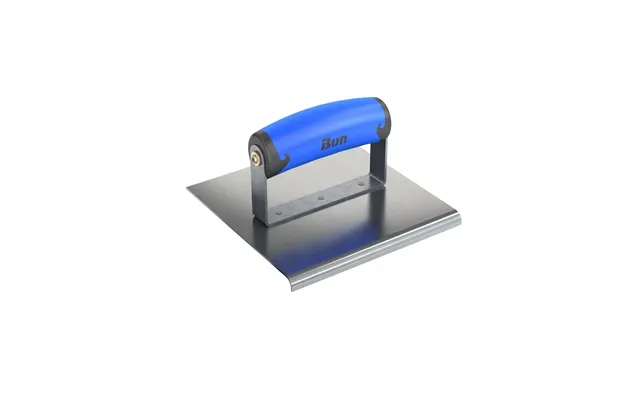
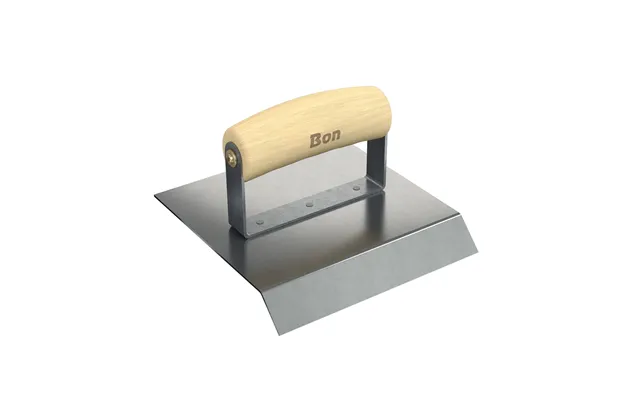
An edger rounds and compacts the slab’s outer edges to prevent chipping, while a groover cuts consistent joints that control cracking and give a polished appearance. Use an edger along exposed edges and a groover where you want a clean separation between slabs or decorative joints. Together they reduce spalling and increase life span, especially in freeze-thaw conditions and high-traffic areas.
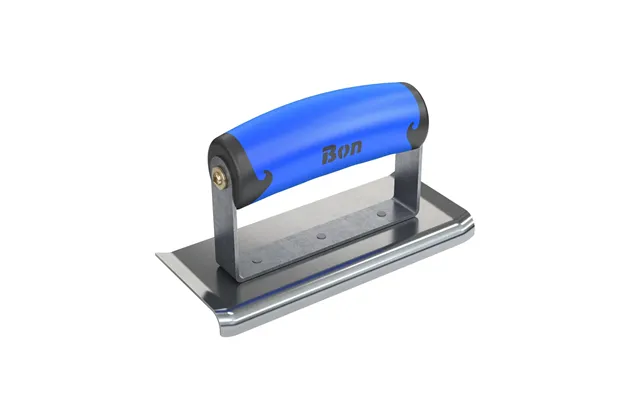
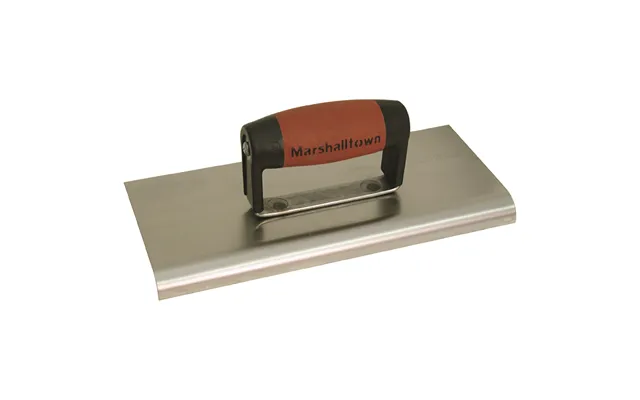
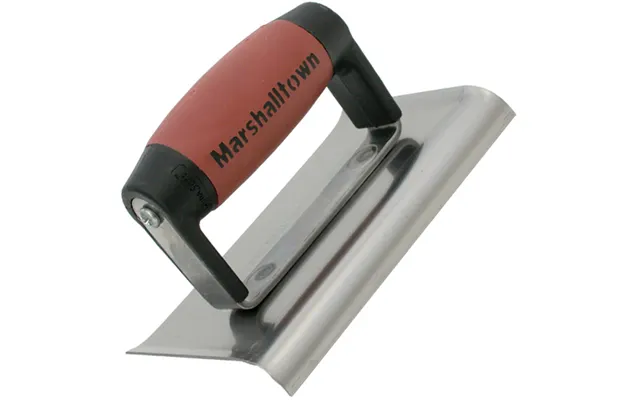
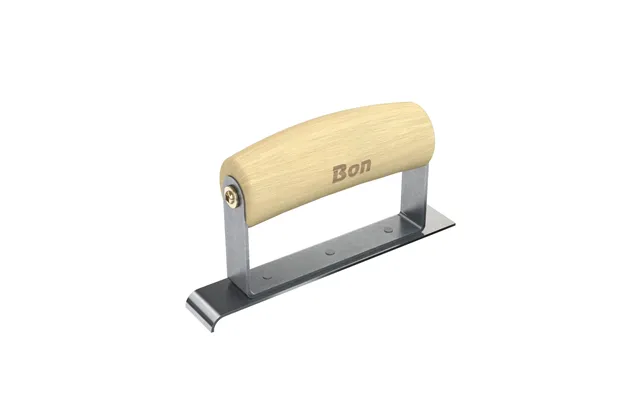
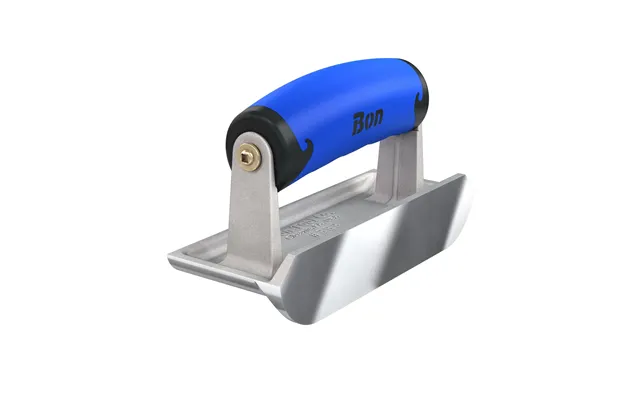
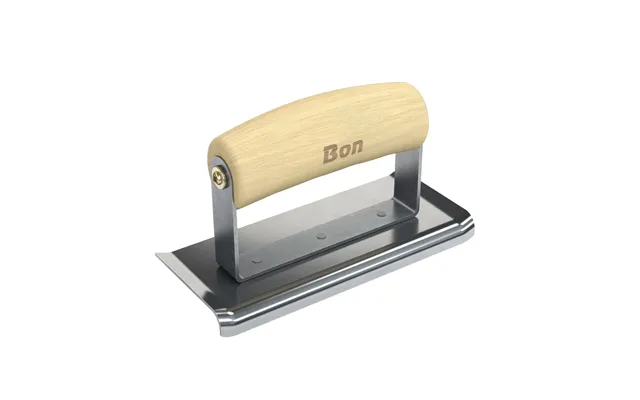
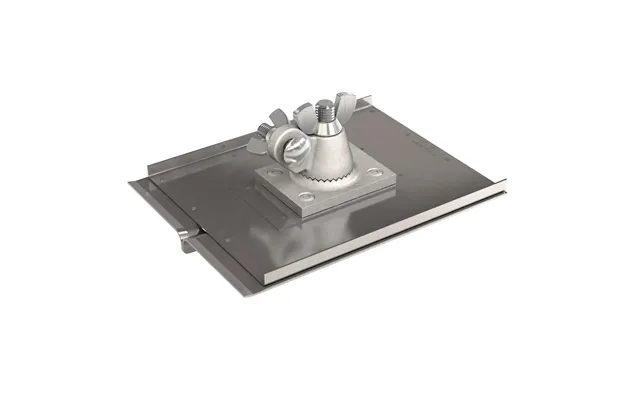
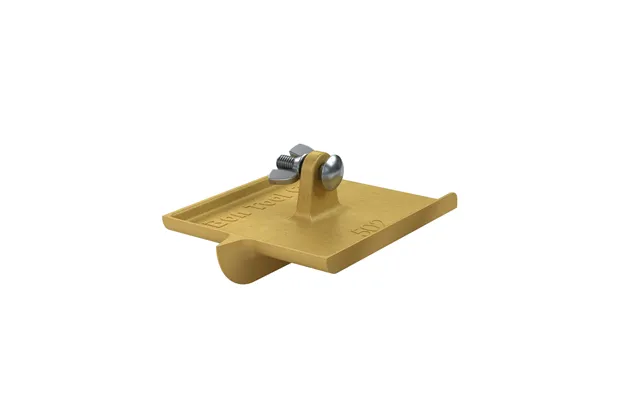
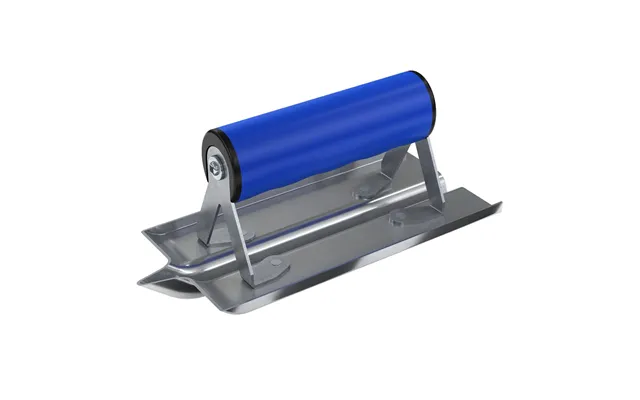
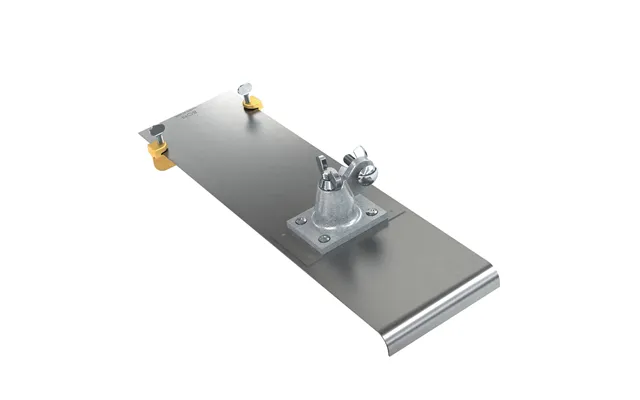
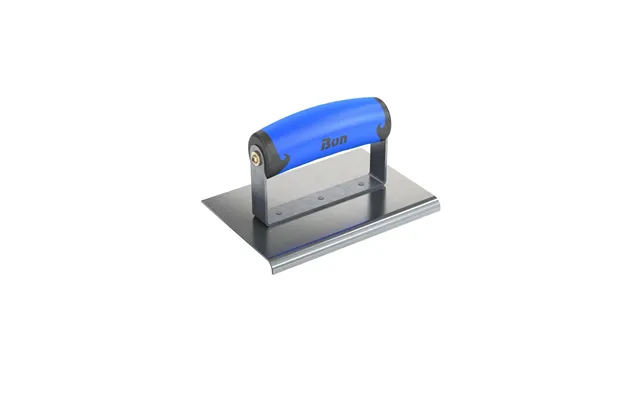
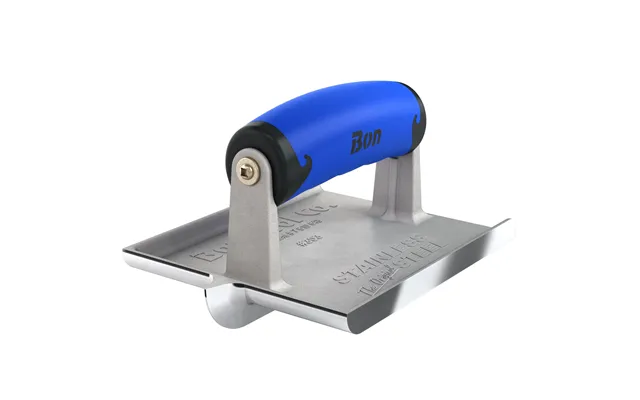
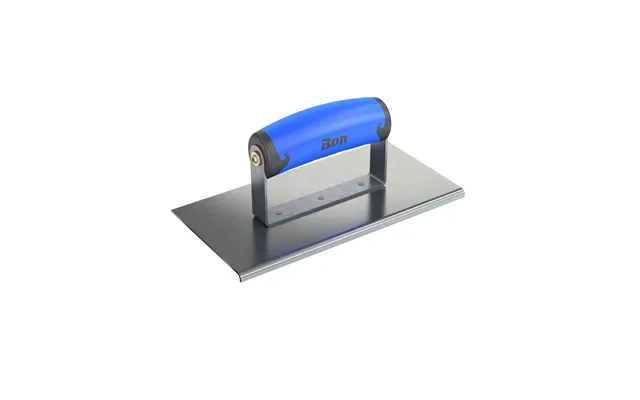
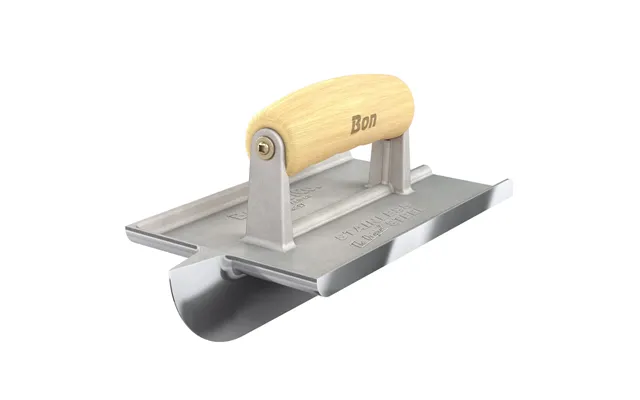
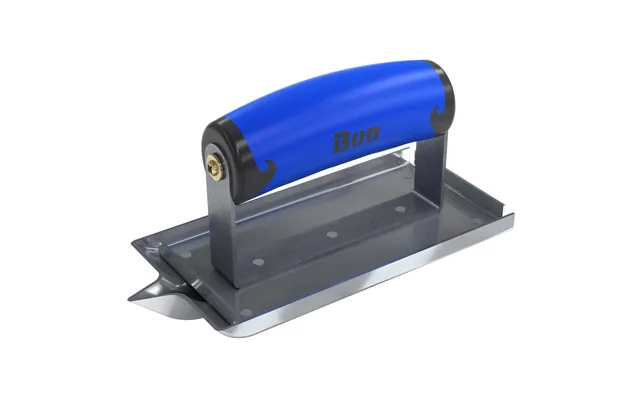
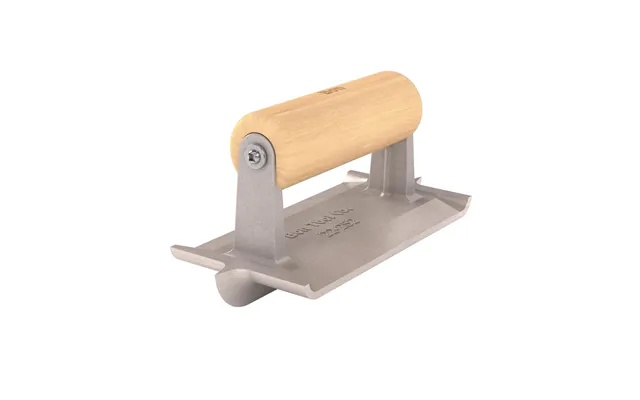
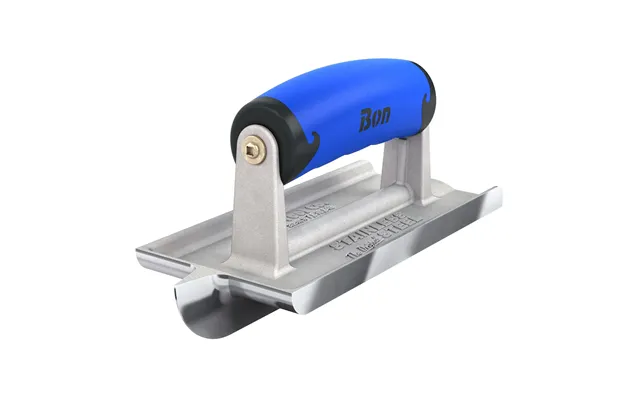
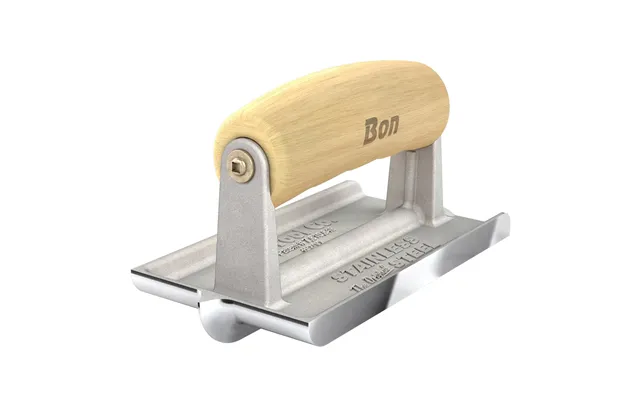
There’s more variety here than most people expect. You’ll find handheld edgers, long-handled edgers, and wheel edgers designed for larger jobs. Handheld units are perfect for tight spots and smaller projects, while long-handled edgers let you finish larger slabs without constantly bending over. Wheel edgers, sometimes called edging wheels, are ideal for long runs of concrete like sidewalks and driveways.
Edger profiles run from a subtle 1/8 inch radius to a pronounced 1/2 inch bullnose. For standard sidewalks and patios, a 1/4 inch to 3/8 inch radius is common, while bullnose edges of 1/2 inch and larger are used for decorative steps and pool edges. Choose a profile that matches the style of your project — a smaller radius keeps a modern, clean look, while larger rounded edges are easier on bare feet and visually softer.
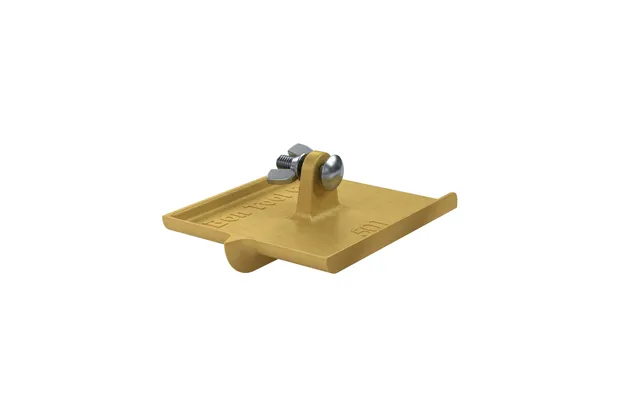
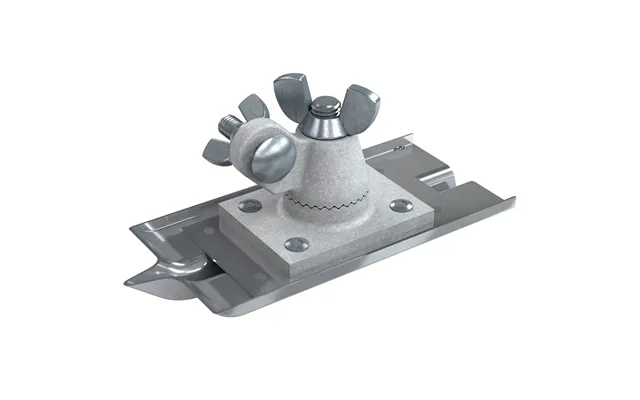
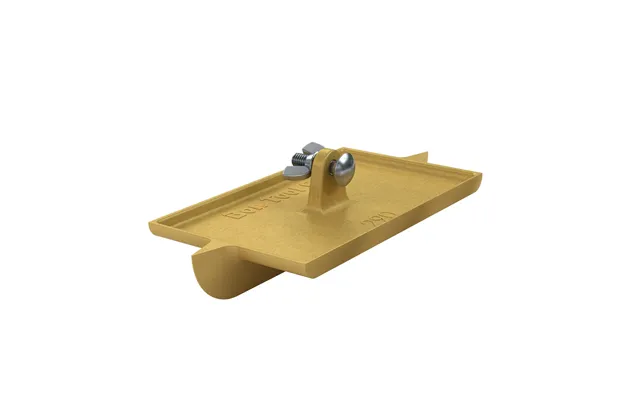
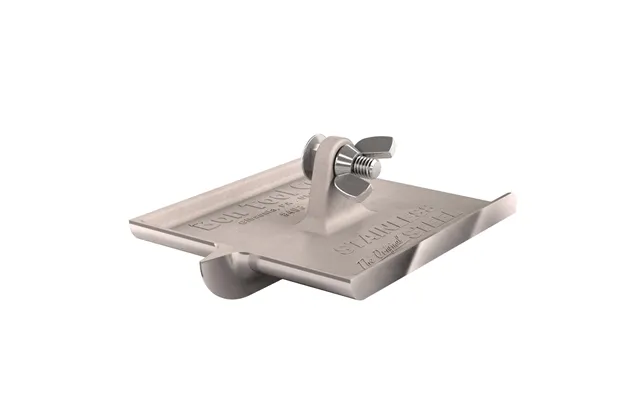
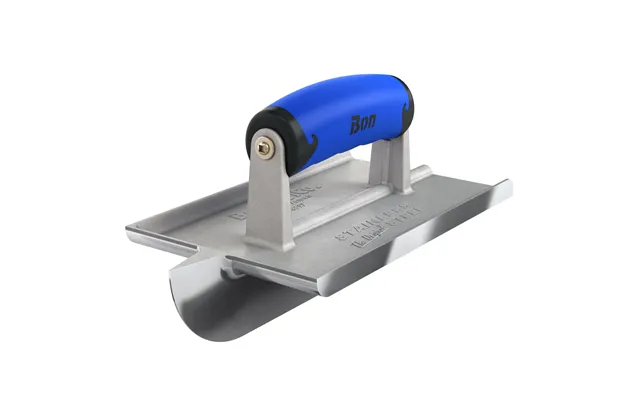
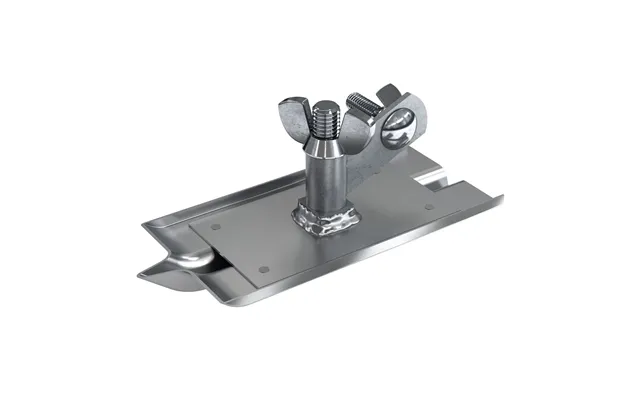
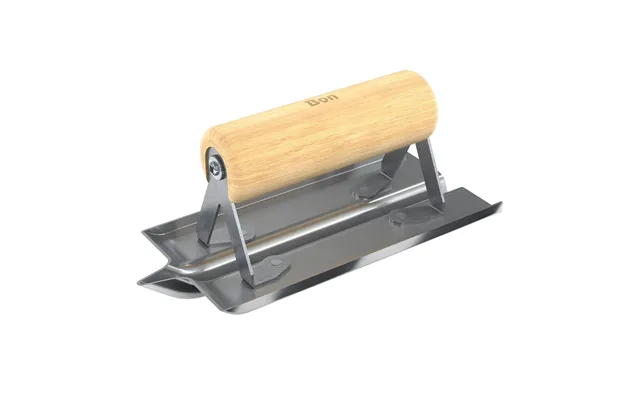
Groovers come in several shapes: flat groovers for control joints, round groovers for decorative joints, and adjustable groovers that let you change the width of the cut. A standard control joint is typically cut 1/4 inch wide and 1/2 inch deep or as deep as 1/4 of the slab thickness. The goal is to create a consistent weak point so cracks happen where you want them to.
As a rule, wider joints like 1/2 inch are used for larger slabs or where a more visible seam is part of the design, while 1/4 inch grooves are common on smaller patios. The groove depth should usually be about 1/4 the thickness of the slab — for a 4 inch slab, aim for a 1 inch deep groove. Always use inches and feet when planning so measurements match common building specs in the field.
Quality matters. Edgers and groovers are typically made from steel, aluminum, or engineered plastics. Steel tools offer strength and long life for heavy-duty use, while aluminum reduces weight for less fatigue on long jobs. High-grade plastic tools resist rust and can be gentler on delicate finishes, but they may wear faster on abrasive concrete mixes. Look for heat-treated steel or corrosion-resistant finishes if you expect heavy, repeated use.
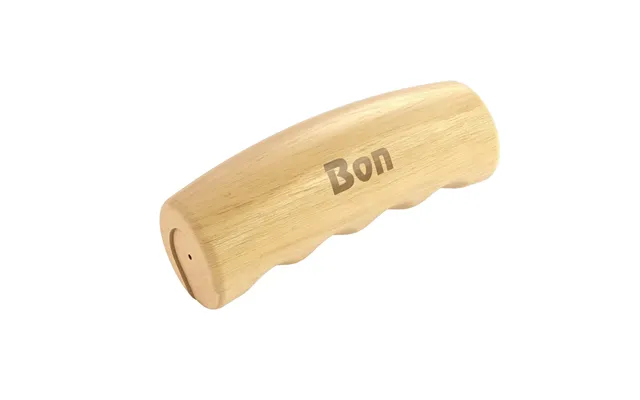
Handles are often overlooked, but they’re critical. Wooden handles have a classic feel and absorb shock, while fiberglass handles resist weather and last longer. For long jobs, pick a handle that’s around 4 to 5 feet long so you can work from a comfortable stance without bending. Rubberized grips and shock-absorbing designs will reduce hand fatigue and make repetitive finishing more pleasant.
Getting a great finish is about timing and technique. For edgers, wait until the bleed water has evaporated and the concrete will hold a thumbprint but not stick to your glove. Glide the edger along the edge with even pressure, then clean the tool and re-finish if needed. For groovers, press down to the specified depth and pull in a steady, controlled motion along a straightedge or guide so your joint stays true.
Keep tools clean — hardened residue ruins profiles. Work in quiet stages: screed, bull float, let the concrete set slightly, then edge and joint. If you’re using a long-handled edger, make one pass per edge and avoid reworking wet concrete too much; excessive working brings excessive bleed and weakens the surface. For grooves, use a guide like a straight board to keep lines parallel and spaced correctly.
Even pros make mistakes. The most frequent errors are edging too early, making joints too shallow, and using the wrong tool for the slab thickness. Edging too soon can pull cement paste and create weak edges. Joints that are too shallow won’t control cracking effectively. And lightweight tools on thick slabs will bend or wear prematurely. Be patient and match the tool to the job.
Hot, windy, or sunny conditions speed drying; cold weather slows it. In hot weather, mist the slab lightly and use sun shields or curing compounds to prevent rapid evaporation. In cooler weather, avoid finishing if the surface won’t set properly — the timing for edging and grooving shifts with temperature. Always follow best practices for curing so your joints and edges stay strong over time.
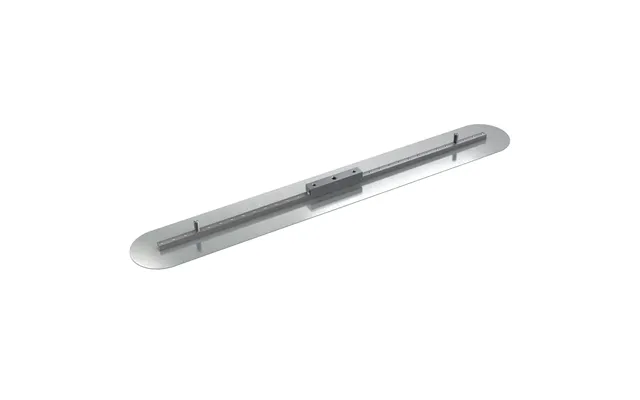
Masonry edgers and groovers are part of a broader finishing kit. Consider adding finishing trowels, bull floats, jointers, hawks, and power floats for larger jobs. For detailed brick or stonework, a pointing trowel and margin trowel are invaluable. For grinding and smoothing hardened edges, an angle grinder with a diamond cup wheel works well. The right combination keeps your workflow smooth and the finished surface professional.
An adjustable straightedge or screed bar keeps grooves straight. A wheelbarrow and durable shovel help move mixes, and protective gear such as knee pads and gloves matters for comfort and safety. For finishing larger surfaces, a power screed or walk-behind float reduces labor and improves consistency, especially if you’re covering multiple hundred square feet in a single pour.
Proper maintenance keeps tools performing well. Clean them after each use — a stiff brush and water will remove most concrete before it hardens. Lightly oil metal parts to guard against rust and inspect handles for splinters or cracks. Store tools off the ground, in a dry area, and replace worn blades or edges before they affect your finish. A well-kept tool can last years and save money over multiple projects.
Many steel groovers benefit from a quick sharpening with a file to keep a crisp joint profile. Light sanding of wooden handles and a coat of linseed oil will extend their life. Replace plastic handles once they start to crack. For aluminum tools, check for bends and straighten with care; repeated bending weakens metal and compromises the tool’s profile.
When shopping, balance cost and longevity. Cheap tools can be tempting, but they often wear out faster and compromise your finish. Look for tools with replaceable parts and solid warranties. Compare prices across sellers, and use comparison sites to spot seasonal discounts and bundled offers. Remember that paying a little more for a quality tool often saves time and money over several jobs.
Product dimensions in inches, handle length in feet, material specs, and clear images of the profile should be on the listing. Reviews that mention long-term durability and how the tool handles real projects are gold. If you see measurements in metric, convert them to inches and feet before planning. Also check return and warranty details so you’re not stuck with a tool that fails on the first heavy job.
Certain manufacturers have earned reputations for reliable masonry tools. Brands like Marshalltown, Kraft, Bon Tool, and Ox Tools are frequently praised for their edgers and groovers. These brands offer a range from basic handheld models to professional long-handled and power-assisted versions. While brand matters, specific model features like blade hardness, handle ergonomics, and replaceable parts are what separate a good tool from a great one.
If you do occasional small jobs, a lightweight handheld edger and a standard groover may be all you need. For commercial or frequent residential work, invest in long-handled models and steel blades that won’t flex or deform. For decorative work around pools and stairs, consider bullnose edgers and rounded groovers that complement the design and increase safety underfoot.
Small patio (under 8 feet by 8 feet): a handheld edger with a 1/4 inch radius and a standard 1/4 inch groover. Driveway repairs: long-handled edger for reduced bending and a wide groover for visible joints. Pool decks: bullnose edgers with a 1/2 inch radius and rounded groovers for smoother seams. Matching the tool to the job saves time and produces professional results.
For a simple 10 foot by 10 foot slab, expect to spend an hour or two finishing with proper timing for setting. A driveway repair spanning several hundred square feet will require more hands and possibly power tools. Plan in advance, and factor in setup, finishing, and curing time rather than rushing through edges and joints.
Use comparison sites to check prices across retailers and to find seasonal offers and bundles. Comparison sites aggregate listings so you can compare specs — like handle length in feet or blade radius in inches — without hopping from store to store. Pay attention to shipping costs and whether the tool ships with replacement parts or protective cases, as those extras add real value.
Late summer and early fall often bring discounts as retailers clear out inventory before winter. Off-season buying for professionals can yield lower prices on bulk purchases. Remember, the cheapest price isn’t always the best value if the tool fails early; weigh price against warranty and reviews.
Masonry edgers and groovers are essential tools that transform raw concrete into durable, attractive surfaces. Whether you’re a DIY weekend warrior or a tradesperson tackling frequent pours, choosing the right profile, material, and handle length in inches and feet will make a big difference. Invest in quality, maintain your tools, and use comparison resources to get the best value. With the right edger and groover in hand, your edges and joints will look cleaner, hold up longer, and reflect the care you put into every project.
| Masonry Edgers & Groovers | Price | |
|---|---|---|
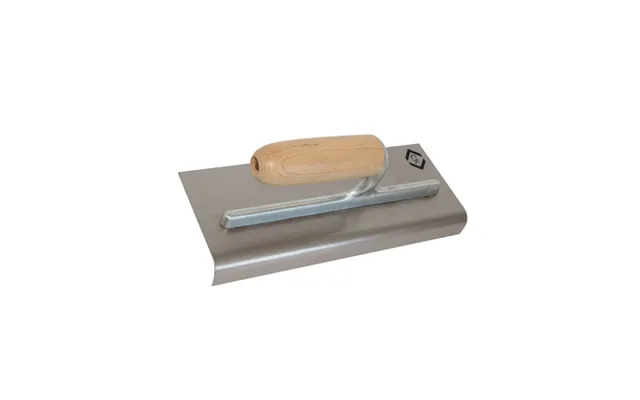
| Ck Concrete Edging Trowel Carbon Steel Wood Grip 280x115mm | £ 24,56 | |
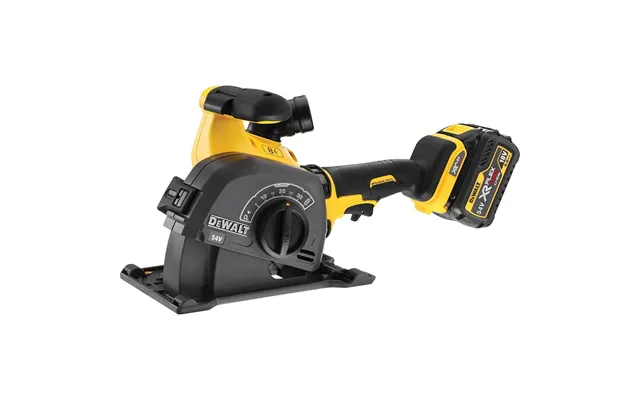
| Einhell Tp-ma 36 30 Li Bl 36v Wall Chaser Bare Unit | £ 242,35 | |
| Dewalt Power Tools Dewalt Dcg200t2gb 54v Xr Flexvolt Wall Chaser With 2 × 6 | £ 1.535,31 |
