
Tap Reseaters price list
Last updated Sunday, 27 Sept 2026




View 7 Offers
Loading...
Last updated Sunday, 27 Sept 2026
If a dripping tap has ever driven you up the wall at 2 a.m., a tap reseater might be your new best friend. This simple, affordable tool restores the brass seat inside a traditional compression tap so your washer can seal properly again. Instead of replacing the whole faucet, you renew the sealing surface and stop the leak at its source. The result? Less water waste, fewer headaches, and money saved. Let’s walk through what tap reseaters do, which types to consider, and how to spot the best value in the UK’s popular offers.
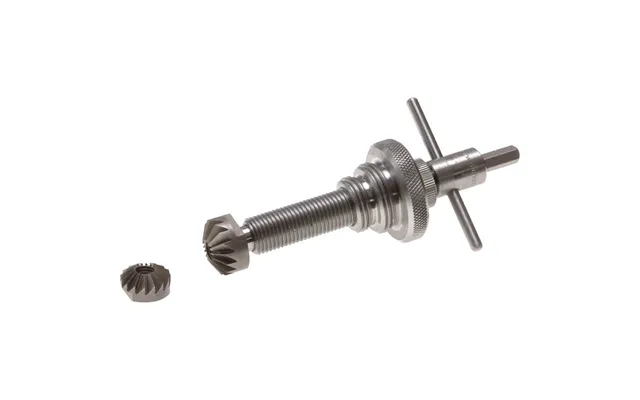
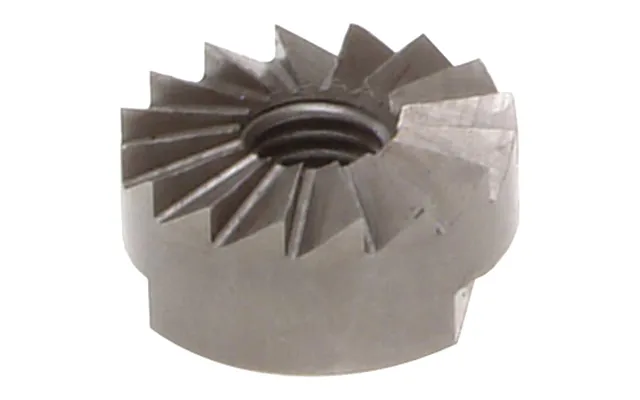
A tap reseater—also called a tap seat cutter or faucet reseater—cuts a clean, flat, concentric surface on the brass seat inside your tap body. Over time, that seat gets grooved by the washer, or pitted by corrosion. The reseater’s cutter head removes a very thin layer of brass (think a whisper of metal), revealing a fresh, smooth surface. Pair that with a new washer and you’ve got a tight seal again. It’s a classic DIY fix that feels like sharpening a pencil—precise, satisfying, and surprisingly quick.
Most persistent drips aren’t caused by the washer alone. If you’ve already swapped the washer and the tap still leaks, the seat underneath is likely uneven. A reseater corrects that micro-damage, creating a clean landing pad for your new washer. The payoff is immediate: no more drip, less hissing as the tap closes, and a handle that feels smoother and more positive when you turn it off. It’s like giving your tap a mini machine-shop makeover without removing it from the sink.
When water escapes even after you’ve tightened the handle, it’s often because the washer can’t fully contact the seat. Grooves, burrs, and ridges form after years of opening and closing—especially on hot taps. A reseater gently trues that surface. Typically, you’ll see 1/2 in seats on basin taps and 3/4 in on bath taps, so you’ll want a cutter sized to match. The result is a crisp seal and a tap that shuts off without brute force.
Hard water and time can pepper the seat with pits. That pitting leaves tiny channels for water to slip through, plus it can create “chatter” as the tap closes. A few light passes with the cutter head usually erase those imperfections. The key is patience: shave off just enough to clean the face. Think of it like planing a door—you remove the high spots, test, and repeat until everything fits just right.
Not all reseaters are created equal. Some are built for speed, others for versatility. Your choice depends on your tap styles (older compression vs. modern cartridge), the sizes you encounter most (1/2 in, 5/8 in, 3/4 in), and how often you plan to use the tool. Here’s how the popular types stack up so you can pick smartly and spend wisely.
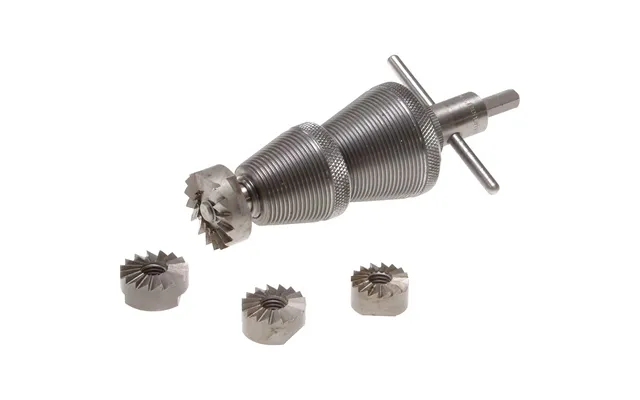
Fixed-head models have a cutter sized for a specific seat, like 1/2 in or 3/4 in. They’re typically robust, simple to use, and great for homeowners who know exactly what they have. The straightforward design means fewer adjustments and a solid, centered cut. If your home uses standard basin and bath taps and you’re tackling a one-off project, a fixed-head tool is affordable, reliable, and easy to learn on.
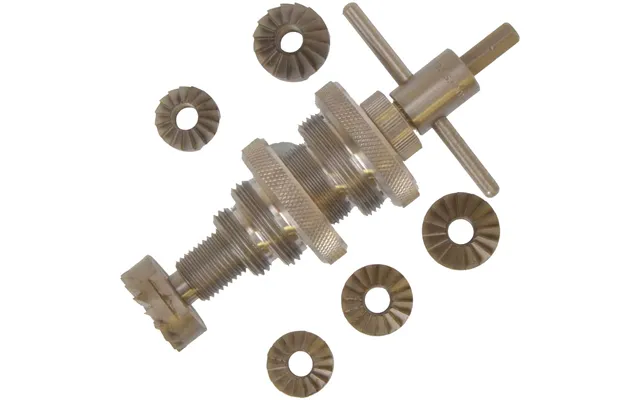
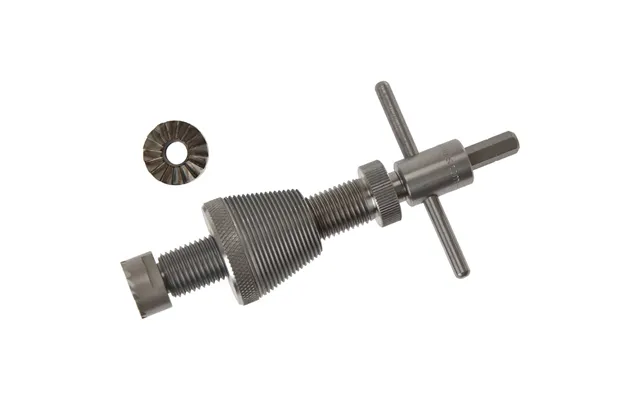
Adjustable designs use interchangeable cutters and a central guide that expands or adjusts to fit different tap threads and seat sizes. If you maintain several properties or want a tool that adapts to various taps—say 1/2 in, 5/8 in, and 3/4 in—this is your flexible friend. Look for positive locking mechanisms, quality steel cutters, and smooth guides that won’t wobble inside the tap body.
Parallel cutters produce a flat seat, while tapered cutters match older, conical seat profiles sometimes found on vintage or specialty taps. For most UK homes with compression taps, a parallel cutter is the standard pick. Still, if you’re rescuing older fixtures or period pieces, having a tapered option in your kit can be a lifesaver. Many reseating kits include both profiles so you’re covered either way.
A tap reseater does the main job, but a few companion tools make the work faster and cleaner. You don’t need a van full of gear—just a compact kit that covers removal, cutting, and reassembly. Think of it as a small orchestra: each tool plays a part, and together they bring your tap back in tune.
Space under sinks can be tight. A basin wrench or tap spanner helps you loosen and tighten backnuts without skinning your knuckles. These tools reach up behind the sink where ordinary wrenches can’t. If you’re removing the tap valve or replacing tail connections, a basin wrench makes the job bearable. Look for slim jaws, solid grip, and an extendable handle for tricky angles.
When reseating, always replace the washer and inspect O-rings on the spindle. If the tap uses a removable seat (some do), check its condition—replacements are inexpensive. Keep a small organizer of 1/2 in and 3/4 in washers, plus assorted O-rings. Having spares on hand means you won’t hit pause midway to shop for a 25-cent part. It’s a small habit that saves big time.
Wrap threads with plumber’s tape during reassembly to prevent weeps. On spindles, a dab of plumber’s grease can restore smooth action. For the reseater itself, a tiny touch of light oil on the cutter face helps produce a cleaner finish and prolongs the tool’s life. No need to drench—just a film is enough to keep things cutting sweetly.
Reseating sounds technical, but it’s a straightforward, methodical process. You prepare, you cut lightly, and you test. Do it once and you’ll wonder why you didn’t try it sooner. The whole job can take about 30–45 minutes the first time, often less once you get the hang of it.
Turn off the water supply and open the tap to release pressure. Plug the sink so small parts don’t vanish. Remove the handle and tap headgear to expose the seat. Wipe away debris and inspect the seat with a flashlight—if it’s visibly grooved or pitted, reseating is the right call. Fit the reseater’s guide snugly in the tap body so the cutter stays centered and true.
With the cutter in place, turn the handle clockwise with light, even pressure. Think gentle firm pressure, not gorilla torque. Give it a couple of turns, then back off, clean the face, and inspect. You’re aiming to remove just enough material to reveal a continuous, shiny ring. Repeat in short passes until the surface is even. Over-cutting is unnecessary—less is more here.
Replace the washer, reassemble the headgear, and snug everything down. Turn on the water and test. The tap should close smoothly and stop the flow without excessive force. If you still see a tiny drip, give the seat a very light final pass and retest. A good reseat feels like closing a door that now fits the frame perfectly—no gaps, no rattle, just a clean shut.
Most basin taps use 1/2 in valves and seats; bath taps typically use 3/4 in. You’ll also encounter 5/8 in on some fixtures, and 1 in on larger or outdoor bibbs. Check your tap’s valve size and seat profile before choosing a cutter. If in doubt—or if you work on multiple homes—opt for a kit that covers 1/2 in, 5/8 in, and 3/4 in with both parallel and tapered cutters. That way you’re equipped for virtually any traditional compression tap you meet.
Prices and bundles on tap reseaters vary widely, especially when retailers run promos. The smartest move? Compare listings side by side, note what’s included, and check user feedback on durability and cutter sharpness. Popular offers often bundle multiple cutters, guides, and a handle—effectively a small workshop in a box. Keep your eyes open for kits that add washers or a storage case at no extra cost.
Comparison platforms such as ZoneOffer make it easy to see popular offers from different sellers at a glance, so you can weigh price against what’s in the box. Because ZoneOffer isn’t a store, it surfaces options across multiple retailers, helping you track discounts, seasonal savings, and limited-time deals without hopping from site to site. That saves time and, often, a tidy sum.
Look beyond the headline price. Do you get multiple cutter sizes (1/2 in and 3/4 in at minimum)? Are both parallel and tapered heads included? Is there a solid guide that centers well, plus a handle with enough leverage? Check whether spares are available for the brand you choose—replacement cutters extend tool life and make the purchase better value long term.
Popular offers tend to surface around bank holidays and end-of-season clearances, when tool bundles get sweetened. If you’re not in crisis mode, wait for a kit that includes a basin wrench, washers, or a carry case. Bundles that combine a reseater with a tap spanner are especially handy if you’re setting up a first-time DIY kit for home maintenance.
While the core design is similar across the board, build quality varies. Reputable brands tend to offer better cutters, tighter guides, and spares you can actually find later. In the UK market, you’ll see a mix of pro-grade and budget-friendly names. Matching your pick to your workload—occasional DIY vs. frequent maintenance—helps you balance cost and longevity.
Monument Tools and Draper are frequent go-tos for sturdy, dependable reseaters. Their kits often include multiple cutters and well-machined guides that seat firmly without wobble. For homeowners who want a buy-once tool, these brands hit a sweet spot: durable enough for years of service, priced within reach, and supported by widely available spares and accessories.
Rothenberger leans toward pro-grade quality, with smooth-cutting heads and robust handles. Silverline and Faithfull typically deliver solid value, ideal for occasional DIY use or as a backup kit. If you’re cost-focused, budget brands can still do the job—just take light cuts and keep the cutter sharp. With careful technique, even an entry-level reseater can deliver drip-free results.
Tap reseaters are brilliant for traditional compression taps that seal with a washer. But they’re not a magic wand for every fixture. If your tap is a modern mixer with a ceramic disc cartridge, reseating won’t apply—the seal is inside the cartridge, not on a brass seat. Likewise, if the tap body is cracked or massively corroded, no amount of cutting will save it—it’s time to replace.
Cartridge and ceramic disc taps don’t have a conventional brass seat for a washer to press against. When they drip, the fix is usually replacing the cartridge or the seals inside it. If you’re unsure which type you have, look for a smooth quarter-turn action; that’s a giveaway for ceramic discs. For these, a reseater isn’t the right tool—save it for your compression taps.
If you spot cracks, greenish crust, or flaking metal inside the tap body, reseating risks making things worse. Corrosion may undermine the structure, and cutting could open leaks. In those cases, a replacement tap is both safer and smarter. The good news? If your basin or bath taps are standard sizes (1/2 in or 3/4 in), replacements are plentiful and often straightforward to install with a basin wrench and plumber’s tape.
Great results come from light pressure, clean alignment, and smart reassembly. Aim to remove the smallest possible amount of brass, keep the cutter square, and don’t rush. Treat the process like tuning an instrument—small, precise adjustments deliver the sweetest sound (or in this case, silence).
If you lean on the handle, the cutter can chatter and gouge the seat. Instead, cut in short sessions, wipe clean, inspect, and repeat. You’ll end up with a mirror-like surface that pairs beautifully with a fresh washer. A drop of light oil on the cutter helps create a finer finish and extends the life of the cutting edges.
Note whether your taps are 1/2 in, 5/8 in, or 3/4 in and keep matching washers and O-rings. Stash a small card with those sizes in your tool bag. Future you will thank present you when a drip appears right before guests arrive. A reseater, a handful of washers, and a basin wrench turn panic into a 20-minute maintenance win.
Tap reseaters are the unsung heroes of home maintenance—simple tools that deliver big wins. For traditional compression taps, they cure stubborn drips, restore smooth shutoff, and save water and money without replacing fixtures. Choose a fixed-head if you know your sizes, or an adjustable kit for all-around readiness. Compare popular offers to get the best bundle for your needs, and pair your reseater with basic companions like a basin wrench, washers, and plumber’s tape. A little knowledge, a steady hand, and the right tool turn a midnight drip into a quick, satisfying fix.