
Paint Tools - Other price list
Last updated Friday, 18 Sept 2026




View 20 Offers



Loading...
Last updated Friday, 18 Sept 2026
When people talk about painting a room, they usually picture brushes and rollers. But what about the unsung heroes—the other paint tools that make a job faster, cleaner, and more professional? Think of them like the small cogs in a clock: invisible, but without them the whole mechanism falters. If you’re tackling a renovation, sprucing up trim, or refreshing a feature wall, the right set of supplementary tools can save hours and reduce costly mistakes.
“Other” paint tools cover everything beyond the obvious brush and roller. We’re talking trays, stirrers, strainers, edgers, sprayers, caulk guns, masking supplies, respirators, and sanding gear. These items might sound basic, but the right models—chosen for durability, ergonomics, and compatibility—make a big difference. They’re the difference between a DIY job that looks amateur and one that could be mistaken for pro work.
It’s tempting to skimp on a paint tray, but a sturdy tray paired with disposable liners can keep things tidy and reduce cleanup time. Look for trays sized to fit a 9-inch roller or a 12-inch roller depending on your project. A well-designed tray has a deep well for paint, a ribbed slope to load roller nap evenly, and a lip that prevents drips. If you use liners, you can change colors in seconds—like swapping shirts instead of doing a full laundry load.
Choose trays with reinforced plastic or metal for longevity. If you’re painting exterior walls or ceilings, a large 12-inch tray can cut refilling time in half. For small trim or touch-ups, compact 6-inch trays and mini rollers do the trick. Also consider trays with spouts for controlled pouring back into the can—less waste, fewer drips.
Even brand-new paint can contain small skin bits or dust that cause specks in your finish. Paint strainers, typically fine mesh or disposable plastic cones, sit in a pouring can and filter out impurities. For high-gloss finishes or metallic paints, filtering is essential—imagine a single lint ball showing up under bright light on a gloss wall. Not pretty.
Pouring spouts or pourers that snap onto a can reduce mess dramatically. They help with controlled pours into trays or secondary containers and are a lifesaver when working on ladders. Look for pourers that fit standard 1-gallon or 5-gallon cans to match your supplies.
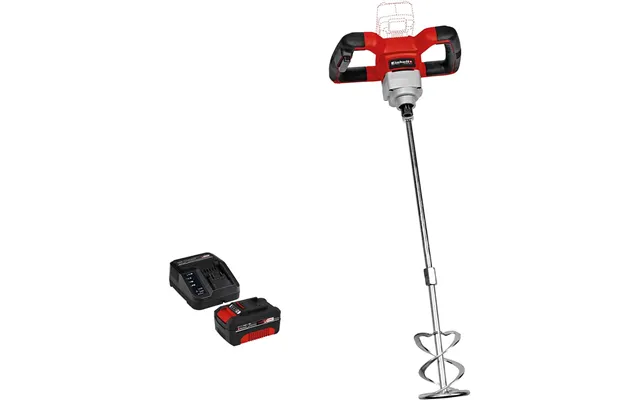
Stirring paint by hand with a stick works for a cup of paint, but for gallons you’ll want a mixing paddle that attaches to a drill. A typical mixing paddle is about 18 inches long and handles the viscosity of latex and oil-based paints. It blends pigment and binder evenly so color and performance are consistent from the first brushstroke to the last.
Stir thoroughly for at least 60 to 90 seconds for a 1-gallon can and longer for larger volumes. If you’re using tinted paint, extra mixing time helps distribute the tint evenly. Think of it like stirring a pot of soup: you want every spoonful to taste the same.
Paint edgers allow you to paint straight lines along trim, ceilings, and baseboards without tedious masking. Many edgers hold a small refill roller and a shield that prevents paint from touching the adjacent surface. For narrow trim, choose an edger with a 1 to 2-inch roller; for wider crown or chair rail work, choose larger pads or use painter’s tape as a backup.
Work slowly and overlap each stroke slightly to avoid hard stops. Clean edgers quickly—dried paint is the number one reason these tools stop making clean edges. If you’re dealing with textured ceilings, run a light sanding pass first to reduce snags and catch drips before they start.
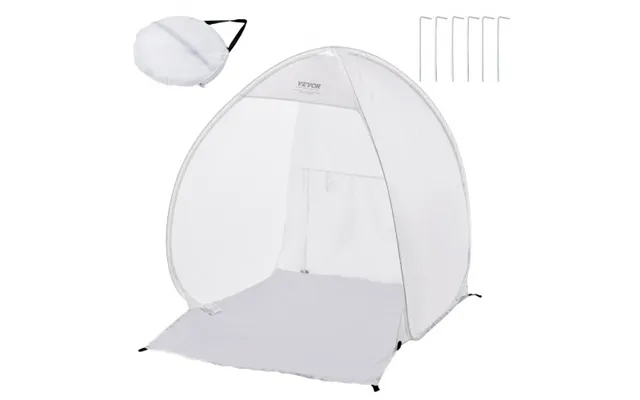
Paint sprayers come in three main types: airless, HVLP (high-volume, low-pressure), and compressed air systems. Airless sprayers pump paint at high pressure and are perfect for exterior walls, fences, and large interior rooms—think of them as power washers for paint. HVLP systems are ideal for cabinets, furniture, and detailed trim because they give you fine control and less overspray.
Spraying requires masking floors, windows, and fixtures. Use drop cloths and plastic sheeting to cover areas you don’t want painted, and ensure good ventilation. Sprayers can use a lot of paint quickly—monitor flow and pump settings. If you’re painting indoors, wear a respirator mask and eye protection to dodge fumes and overspray.
Extension poles that attach to rollers, sanders, and scrapers let you paint ceilings and high walls while standing on the floor. Poles extend from about 2 feet up to 8 feet or more, and many have twist-lock mechanisms for secure length adjustments. They’re not a replacement for every ladder situation, but they’re great for standard ceiling heights and high corners.
Aluminum poles are lightweight and rust-resistant; fiberglass poles are more durable and can handle heavier loads like pole sanders. If you’ll be working with a heavy roller loaded with thick paint, opt for a sturdier pole to reduce strain on your wrist and shoulder.
Caulk guns come in manual (squeeze), ratchet (smooth trigger), and battery-powered varieties. For home DIY, a ratchet or smooth-action gun reduces hand fatigue and makes it easier to lay down a consistent bead. Battery guns are useful for large exterior jobs where you’ll be applying a lot of sealant quickly.
Silicone is great for bathrooms and windows due to water resistance, while acrylic latex is paintable and ideal for interior trim. For rough exterior gaps where movement is expected, a polyurethane sealant provides superior adhesion and elasticity. Match the sealant to the substrate and paint compatibility for the best results.
No finish is worth compromising your health. Respirators rated N95 or P100 protect against particulates; for solvent-based paints or heavy spraying you’ll want a respirator rated for organic vapors. Use nitrile gloves instead of latex for better chemical resistance, and invest in splash-proof goggles whenever you’re spraying or using solvents.
A half-mask respirator that fits snugly and has replaceable cartridges is a wise long-term investment. Gloves should fit well but leave fingers dexterous; oversized gloves make precise trim work awkward. Think of PPE like a seatbelt—you don’t notice it until it keeps you safe during a slip.
Good painting starts with good prep. Sanding blocks and sponges remove old paint, smooth patched areas, and feather edges so new paint lies flat. Use finer grits like 180 to 220 for final sanding before priming and lower grits like 80 to 120 for paint removal. A sanding block keeps pressure even and helps avoid dips and valleys.
For doors, floors, or extensive trim work, an orbital sander speeds the process. Pair with a dust collection bag or hook the sander to a shop vacuum to reduce mess. Think of sandpaper grits like sugar on a cake—the texture you start with determines the final frosting smoothness.
Painter’s tape in widths from 1/2 inch to 2 inches is essential for crisp lines. Use low-tack tape on delicate surfaces and higher-tack tape for rougher edges. Kraft paper or plastic sheeting covers floors and furniture quickly; heavy canvas drop cloths are reusable and won’t let paint soak through as easily as thin plastic. Cover everything once, and you’ll clean up once—much less stressful than touching up splattered floors.
Press tape down firmly at the edge to prevent bleed-through and remove tape within 30 to 60 minutes after painting to avoid lifting paint film. For corners and trims, use a tool like a paint shield to protect adjacent surfaces when you don’t want to use tape.
Spend a little more on tools you’ll use again and again. Look for comfortable, non-slip grips, balanced weight, and durable materials like stainless steel or reinforced plastic. Replaceable parts—such as rollers, pads, or filters—mean your tool can have a long service life, which is better for both your wallet and the environment.
Check dimensions like roller width (commonly 9 inches) and pole threads to ensure accessories fit together. A one-year warranty is standard on many tools; extended warranties or satisfaction guarantees can be a tie-breaker when choosing among similar models. Treat tools like investments that pay back in time saved and cleaner finishes.
If you paint once a year, mid-range tools often provide the best value. For contractors or frequent DIYers, premium tools with better bearings, stronger motors, or thicker canvas drop cloths pay off in longevity. Look for seasonal sales in spring and early summer when paint and supplies are heavily discounted.
Use price comparison sites and read user reviews focusing on the specific use case—look for comments about durability, ease of cleaning, and replacement parts. Bundle deals that include rollers, trays, and tape can be cheaper than buying items individually. Also consider second-hand tools for high-ticket items like sprayers; refurbished models often carry a warranty at a fraction of the new price.
Clean brushes, rollers, and trays immediately after use—water for water-based paints and appropriate solvent for oil-based products. Store tools in a dry place and hang rollers to keep nap from flattening. For sprayers, flush the system thoroughly after every use to avoid clogs, and replace filters as recommended. With a little care, a good toolset will last for many projects.
Many problems are fixable with replacement parts: new roller covers, replacement seals for caulk guns, or a fresh mixing paddle. Keep small spare parts on hand, and save receipts for warranty claims. It’s like changing a tire—do it once and you’ll be back on the job quickly.
Brands and models rotate through deals, and certain categories consistently offer value. Look for 9-inch tray and roller sets for general walls, HVLP kits for cabinetry and furniture, and heavy-duty ratchet caulk guns for exterior sealing. Comparison sites are great tools for spotting discounts across retailers and picking the best bundle for your project. Keep an eye on seasonal promotions, especially in spring and summer when paint and supplies are in high demand.
Before you open the first can, run through a quick checklist: have you sanded and filled imperfections, masked sensitive areas, selected the right PPE, and chosen the proper tools for each surface? Do you have enough drop cloth coverage in square feet to protect floors? Double-checking these details helps ensure the job goes smoothly and avoids the classic mishaps most DIYers face.
Painting is more than color—it's about preparation, the right gear, and sensible techniques. Equip yourself with the right "other" paint tools, and you'll spend less time fixing mistakes and more time enjoying the results.
Choosing the right supplementary paint tools transforms a messy, stressful painting day into a satisfying, efficient project. From paint strainers and mixing paddles to sprayers, caulk guns, and PPE, each item plays a role in delivering a professional-looking finish. Spend wisely, clean regularly, and compare prices to get the best value. With these tools and a bit of practice, your next paint job will look sharper, go faster, and be more enjoyable—like swapping a flickering bulb for bright, steady light.