All categories
Business & Offices
Electronics & Media
Fashion & Accessories
Groceries & Essentials
Health & Personal Care
Home & Living
Kids & Family
Sports & Outdoors
Search in ZoneOffer

Loading...
A deburrer is a simple tool with a big job: it removes sharp, ragged edges—called burrs—left behind after cutting, drilling, sawing, or machining. Whether you’re trimming PVC pipe for plumbing, chamfering an aluminum bracket for a clean fit, or smoothing steel edges for safety, a deburrer turns rough into refined. It’s the unsung hero that protects fingertips, improves part fit, and makes your finished work look professional. Once you’ve used one, you’ll wonder how you ever managed without it.
Burrs form whenever material is displaced rather than cleanly removed—think drilled holes with a rough rim, sawed edges that splinter, or pipe cuts with a sharp ridge. Deburrers fix that by shaving off the unwanted lip in a controlled way. The right blade shape glides along the edge and pops the burr off without gouging your work. The result? Cleaner assembly, smoother finishes, fewer cuts and snags, and parts that seat and seal as they should.
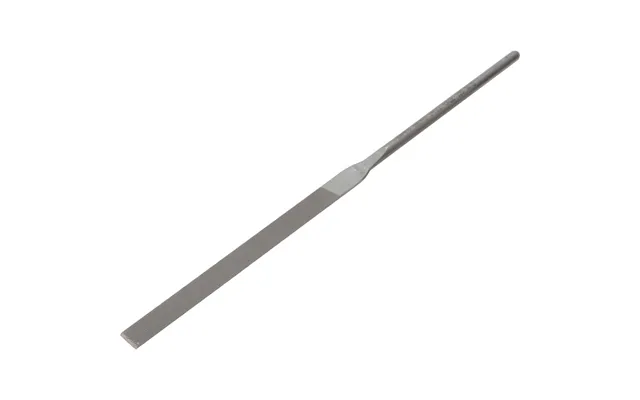
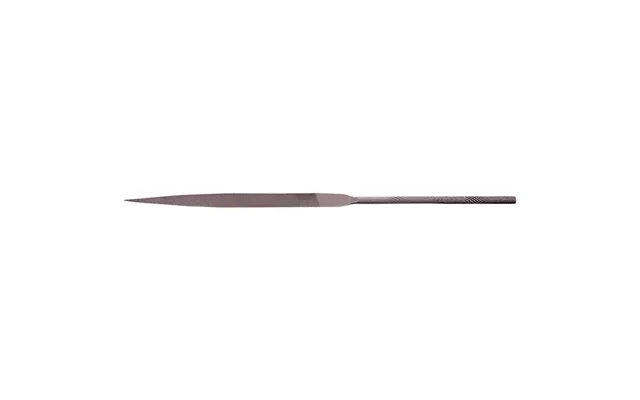
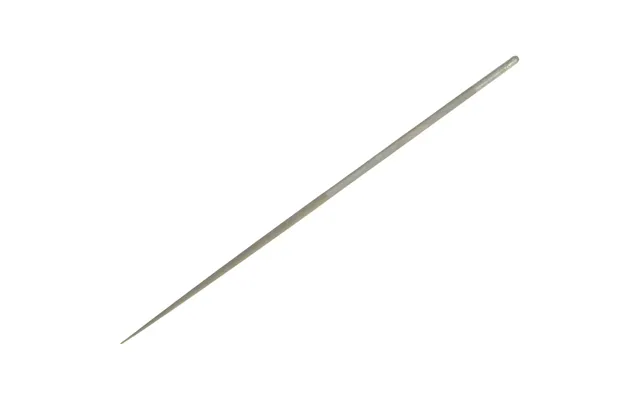
Not all burrs are the same, so one tool won’t always do it all. The world of deburring tools includes hand deburrers with swivel blades, external and internal pipe deburring tools, countersinks and chamfering tools, rotary burrs for die grinders, and scraping tools for delicate touch-ups. Choosing the right type is half the victory; using it correctly is the other half. Here’s how to dial in the perfect match for your job.
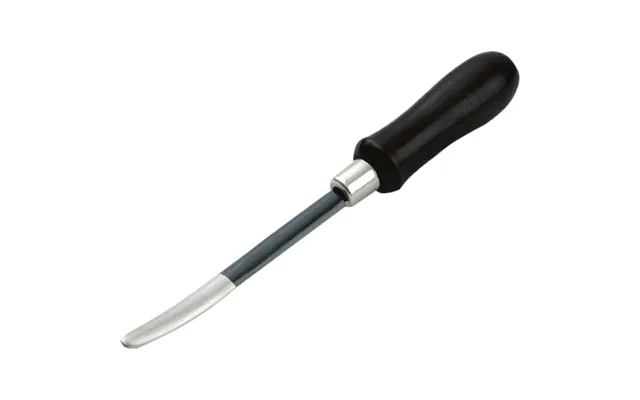
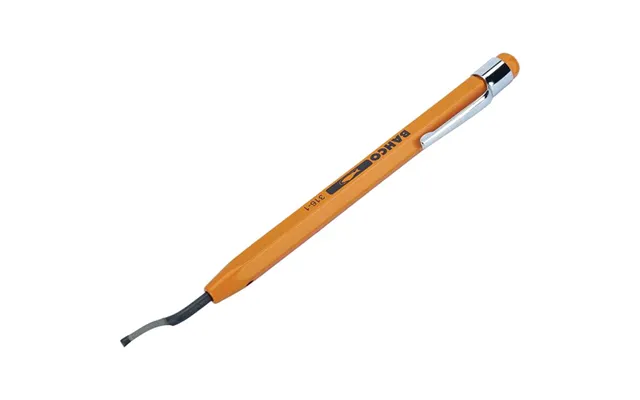
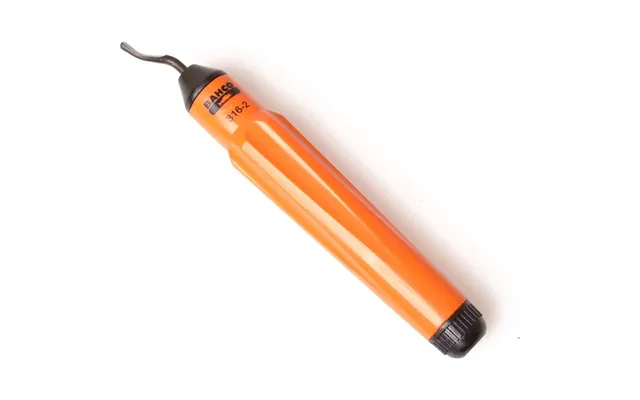
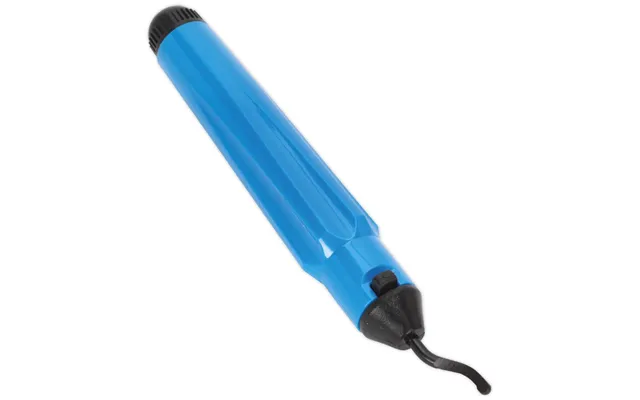
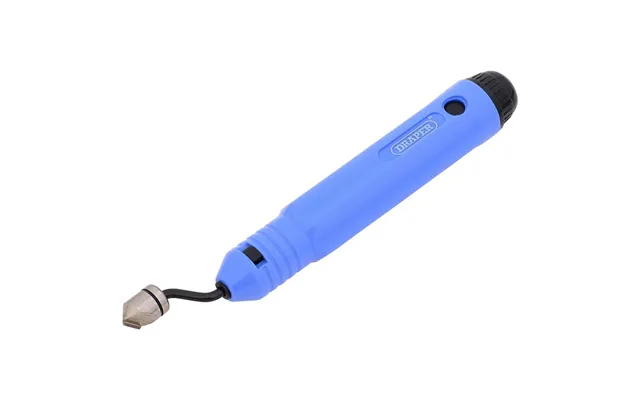
These are the classic deburrers you’ve probably seen in every workshop. A comfortable handle holds a curved, replaceable blade that swivels as you pull it along the edge. That swivel action is the secret to smooth results around straight cuts, curves, and holes. They’re ideal for sheet metal, aluminum, plastics, and 3D-printed parts. Keep a set with a few blade shapes—like S-blades for general work and E-blades for slots and narrow edges—and you’ll be ready for most tasks.
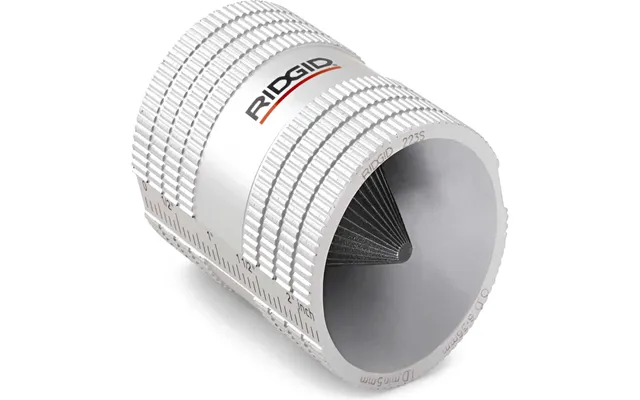
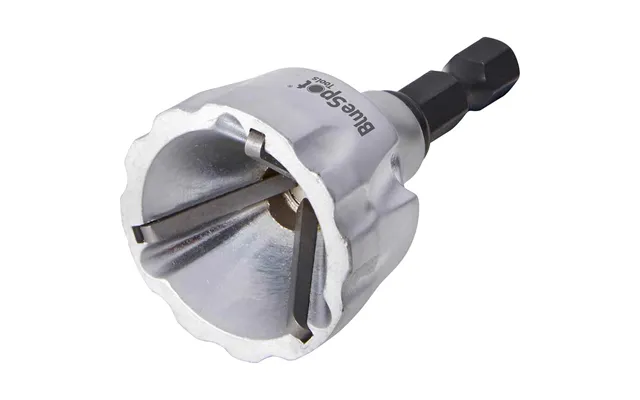
Cut pipes almost always have a sharp inner ridge and a rough outer lip. Internal deburrers reach into the bore to smooth the inside edge; external deburrers knock down the outer rim. Plumbers and HVAC techs keep these on hand for copper, PVC, and steel conduit. Look for sturdy, knurled bodies you can grip with gloves, and blades that cover common sizes like 1/2 inch, 3/4 inch, and 1 inch. Some combo tools do both inside and outside in one pass, saving time on repetitive cuts.
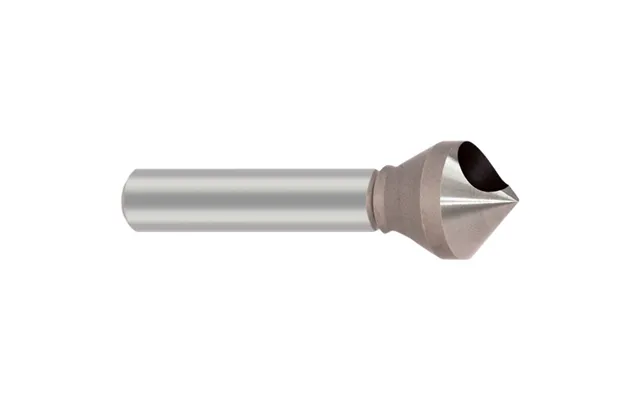
When you want a neat chamfer around a hole—maybe to sink a flat-head screw or remove the burr after drilling—countersinks are the go-to. They mount in a drill or driver and create a crisp bevel in seconds. For clean results, match the countersink to your screw head angle and go light on pressure. A handheld chamfer tool is great for touching up edges on sheet metal, aluminum extrusions, and even hardwoods where a neat beveled edge reduces splinters.
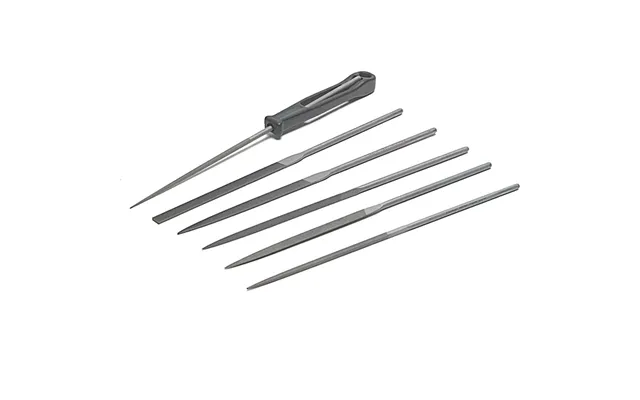
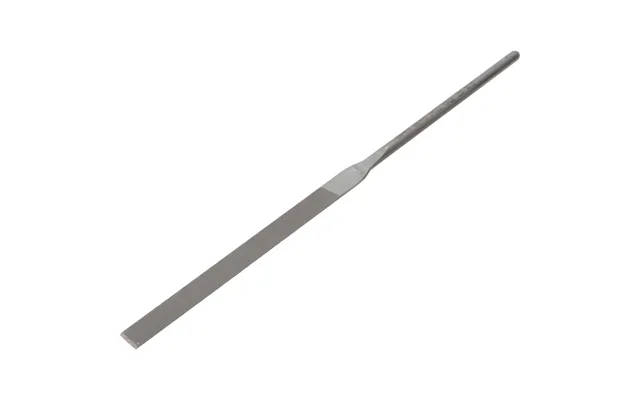
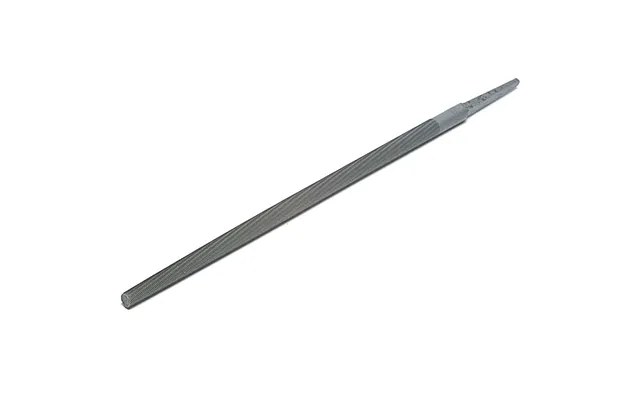
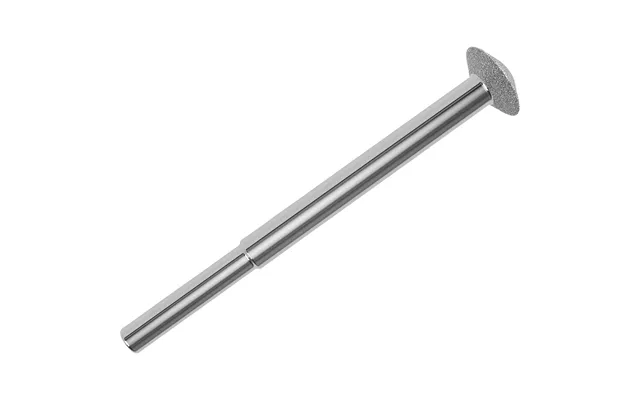
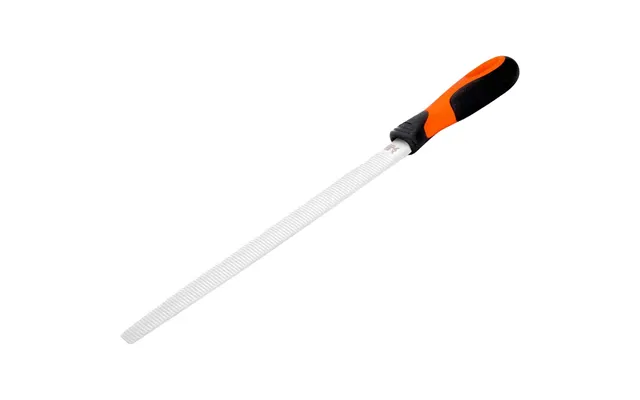
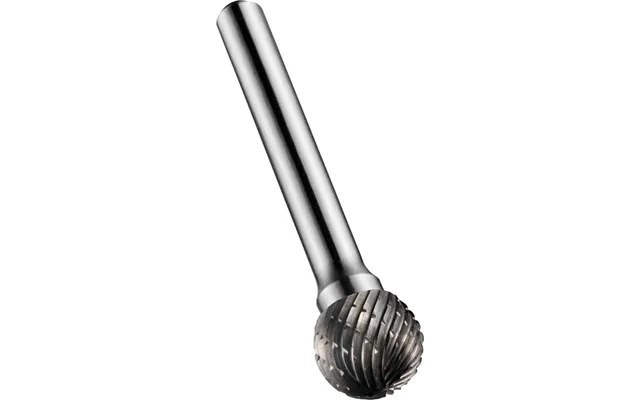
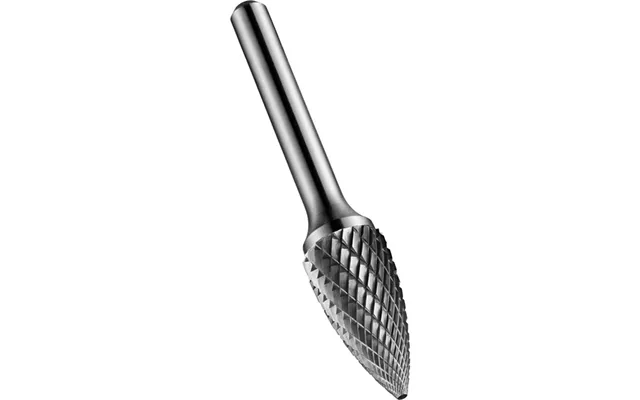
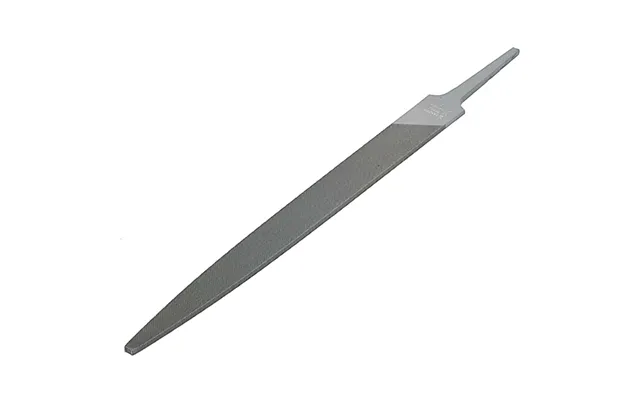
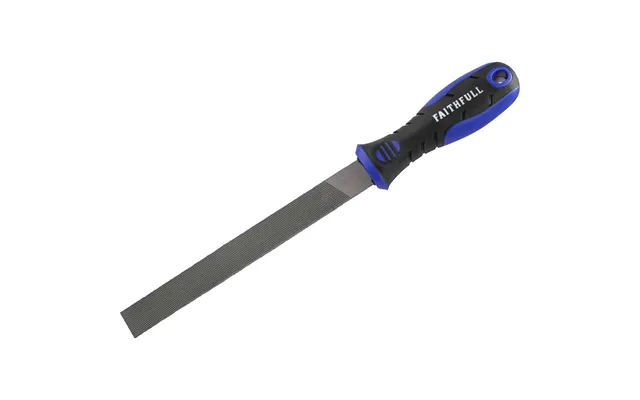
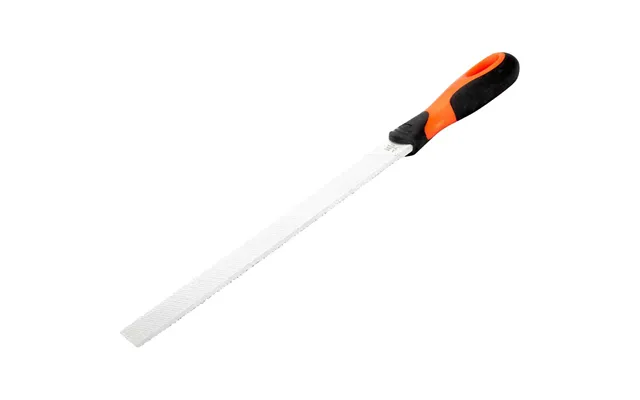
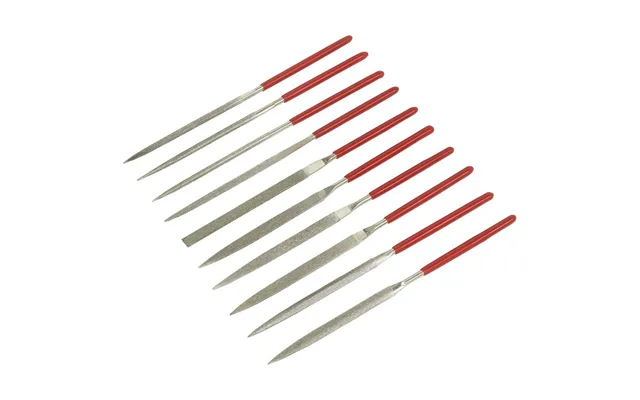
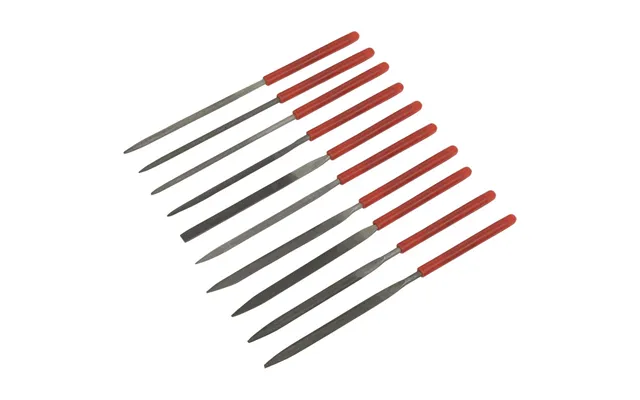
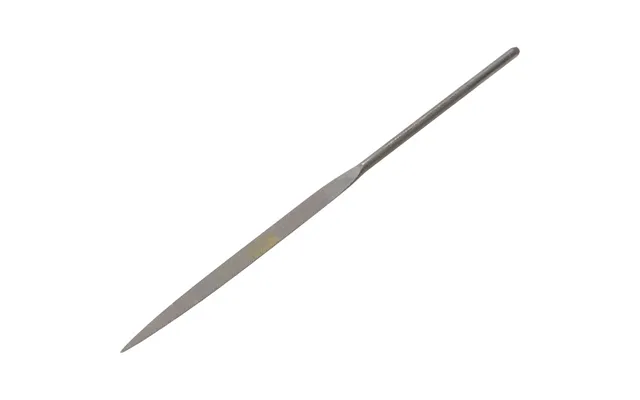
Rotary burrs fit in die grinders or rotary tools and eat through tough burrs fast. They’re perfect for hardened steel, cast iron, or thick weld spatter where a manual deburrer struggles. However, they remove material aggressively, so use a light touch. Hand files and needle files offer more control, especially on smaller parts, tight corners, or when you’re working in close quarters. Many pros keep a file and a hand deburrer together—one to shape, one to finish.
Scrapers use a sharp, straight edge to pare down burrs on flat surfaces, gasket faces, or delicate plastics where a curved blade might bite too deep. Specialty deburring blades—like hooked tips for slots or narrow grooves—let you reach places a standard blade can’t. If you regularly work on threaded parts or thin-walled tubing, specialized deburring bits can remove the burr without damaging the threads or deforming the wall.
The best deburrer for aluminum isn’t always the best for steel, and plastics behave differently from copper. Matching blade shape, sharpness, and technique to the material gives you smooth edges with minimal effort. Think of it like choosing the right grit of sandpaper: it’s all about control and finish.
For mild steel and aluminum, a hand deburrer with a sharp swivel blade works brilliantly. If you’re tackling thicker burrs after sawing or drilling, start with a file or a countersink, then finish with a deburrer for a clean edge. For stainless steel or harder alloys, a cobalt or carbide-tipped rotary burr might be faster; follow up with a light hand pass to refine the finish. With copper pipe, always deburr inside and out—clean edges help fittings seat properly and reduce turbulence in fluid flow.
Plastics cut quickly but can tear if you press too hard. Use a keen deburring blade with a gentle pass or two. For PVC pipe, an internal-external combo deburrer speeds up plumbing projects and prevents shavings from getting into fittings. For 3D prints, a handheld deburrer is perfect for trimming support nubs without marring the surface. If your parts are delicate, a scraper or hobby knife might offer more control—go slow, keep blades sharp, and avoid heat buildup that can smear plastics.
Before you add a deburrer to your kit, think about the materials you handle, the sizes you cut, and how often you’ll use the tool. A casual DIYer might need a simple handle with two blade types. A fabricator or plumber may want a full set with replaceable blades, plus dedicated pipe deburrers and countersinks. Focus on ergonomics, blade options, and long-term value—cheap tools that chew up edges cost more in the long run.
Common blade profiles handle straight edges, curved edges, or holes. S-style blades are versatile for general metal and plastic. E-style blades reach into slots and narrow grooves. For power tools, carbide burrs last longer on hard metals. If you work across sizes—from small brackets up to 2 inch pipe—choose a kit with multiple blades and an adjustable handle so you’re not stuck improvising mid-job.
Look for a handle with a secure grip and a comfortable shape—you’ll feel the difference on longer jobs. A tool with onboard blade storage is handy for switching profiles on the fly. Some handles lock the blade angle for more control on straight sections. Safety-wise, keep a blade cover or retractable design to protect the tip (and your fingers) when not in use.
Manual deburrers are quiet, precise, and great for finishing. Power options—like countersinks in a drill or rotary burrs—are faster on heavy burrs. Many pros combine both: knock the burr down with a countersink or grinder, then finish with a hand deburrer for that smooth, consistent edge. If you’re working on small parts near electronics or delicate surfaces, the finesse of a manual tool is hard to beat.
If you’re hunting for value, keep an eye on popular offers from price comparison platforms that surface discounts on hand deburrers, pipe deburring tools, and complete kits. You’ll often see bundles that include a handle, a set of interchangeable blades, and a compact case—perfect for tradespeople on the move. Sales frequently pop up on countersinks sized for common screw diameters, as well as internal-external pipe deburrers for 1/2 inch to 1 inch lines. Pro tip: watch for multi-pack blade refills; they stretch your budget and keep you ready for high-volume work.
Entry-level kits usually include a single ergonomic handle and two to four blade styles that cover most jobs—straight edges, holes, and plastics. They’re great for DIYers, homeowners, and makers who want clean results without going overboard. Look for hardened steel blades and a handle with a simple blade change mechanism. Even at a budget price, you can get reliable performance if you focus on the essentials.
Professional kits step up with more blade options, tougher materials, and extras like telescoping handles and magnetic blade holders. Sets that include specialty blades for slots or thread-safe deburring can save hours in the shop. For field trades, consider rugged pipe deburrers with metal bodies, plus countersink bits that handle common screw heads without chatter. The ability to swap in fresh blades quickly is a big deal when time equals money.
Prices vary widely depending on build quality, blade material, and whether you’re buying a single tool or a full kit. In general, hand deburrers are very affordable, while dedicated pipe tools and premium countersinks cost more. The good news is that a modest investment goes a long way—especially if you choose tools with replaceable blades and solid warranties.
Basic hand deburrers with one handle and a couple of blades typically sit in the lower price tier. These are ideal for occasional use, hobby projects, and light-duty tasks like cleaning PVC cuts and trimming 3D-printed parts. If you pick a set with at least one S-style blade and one fine blade for plastics, you’ll cover a lot of ground for minimal spend.
In the middle tier, you’ll find sturdier handles, broader blade assortments, and dedicated internal-external pipe deburrers that handle sizes like 1/2 inch, 3/4 inch, and 1 inch. Many buyers land here because the durability and versatility justify a small bump in cost. Look for countersink sets that resist chatter, plus extra blades for steel and aluminum—this is where true value lives for frequent users.
Premium tools include carbide rotary burrs, high-precision countersinks, and pro-grade kits with specialty blades for tight features and thread protection. If you’re in fabrication, aerospace, automotive, or high-volume plumbing and HVAC, the performance and longevity pay off. The finish quality is a notch above, and the time savings add up quickly.
Good technique is everything. You don’t need force—you need control. Let the blade do the work and keep your passes light and consistent. If the burr is heavy, make a few passes rather than one aggressive cut. You’ll get a smoother edge and avoid gouges that ruin the finish. Clamp your work whenever possible and keep your hands clear of the cutting path. Simple, safe, effective.
First, secure the workpiece. Second, choose the right blade—general blade for straight edges, hooked blade for holes, and a pipe deburrer for inside/outside cuts. Third, start the cut with a gentle pull at a slight angle, just enough to engage the burr. Fourth, make one or two light passes; inspect the edge and repeat if needed. Fifth, wipe away chips and test the edge with a gloved finger—it should feel smooth, not sharp. That’s it: fast, repeatable results.
Don’t press too hard—that’s how you chatter, gouge, or snap blades. Don’t rush around corners; let the swivel blade follow the curve. Avoid dull blades; they tear instead of cut. And don’t skip the inside of pipe ends—leaving that ridge can affect flow and cause poor seals. If you see smearing on plastics, slow down, lighten your touch, or switch to a sharper blade.
Sharp blades and clean tools make all the difference. Treat your deburrers like the precision tools they are. A little upkeep keeps edges crisp and prevents frustrating chatter or rough finishes. When in doubt, replace the blade—it’s faster than forcing a cut with a tired edge.
Most deburring blades are designed to be replaced, not sharpened, especially the small, curved styles. Keep extras on hand so you’re never stuck mid-project. For rotary burrs and countersinks, follow manufacturer guidance; light dressing can refresh some edges, but carbide tooling is usually replaced once it’s dulled or chipped. Track usage and rotate blades to maximize life.
After each session, brush away chips and wipe down the tool. A drop of light oil on moving parts—like swivel joints—keeps action smooth. Store blades in a case or the handle’s internal compartment to protect their edges. If you work with plastics, keep one blade reserved just for them to avoid cross-contamination with metal filings.
Deburring seems simple, but the edges you’re removing are sharp by definition. Wear gloves and eye protection, clamp your work whenever possible, and keep a clear path for your tool hand. Replace bent or chipped blades immediately; a compromised blade can slip. For power deburring, secure loose clothing, tie back long hair, and keep a steady stance—control is the name of the game.
Cut-resistant gloves guard against slips, and safety glasses protect you from flying chips—essential when using countersinks or rotary burrs. Clamping your work frees up both hands for better control and a safer angle of attack. This small setup step pays off in smoother edges and fewer accidents.
Sometimes a deburrer shares the stage with other finishing tools. A reamer can round out a drilled hole to size while taking off the burr. A fine file or sanding block refines contours before a final pass with the deburrer. In tight pockets, a hobby knife or micro file can reach where a standard blade can’t. The trick is knowing when to switch tools—let each one do what it does best.
Use a reamer when the hole is undersized and burr-prone; you’ll hit size and finish together. A file is your friend on jagged cuts from a saw—dress the edge, then finish with a deburrer for a polished result. Sanding blocks are great on wood and plastics to soften the edge without removing too much material. Think of deburring as the final flourish that elevates the whole job.
Deburrers turn sharp, messy cuts into clean, professional finishes. From hand deburrers with swivel blades to dedicated pipe tools and precision countersinks, there’s a tool for every material and task. Focus on blade quality, ergonomics, and the right tool for your common sizes—1/2 inch, 3/4 inch, and 1 inch are staple pipe dimensions, with countersinks tailored to your fasteners. Watch for popular offers and compare prices to find the best value, then keep a small assortment of blades on hand so you’re always ready. With solid technique and a few smart purchases, you’ll get safer edges, smoother fits, and projects that look as good as they function.
| Deburrers | Price | |
|---|---|---|
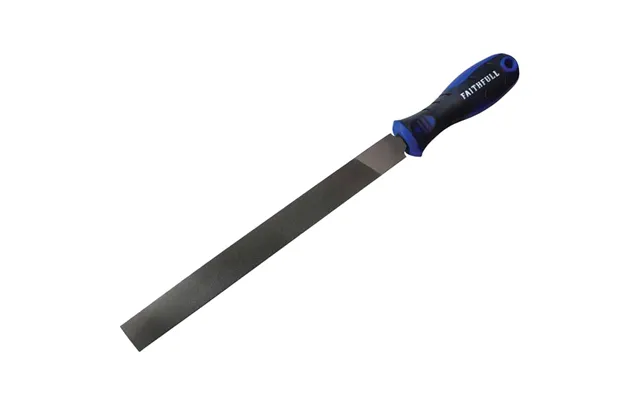
| Faithfull Faifihb6 150mm Engineers File | £ 4,41 | |
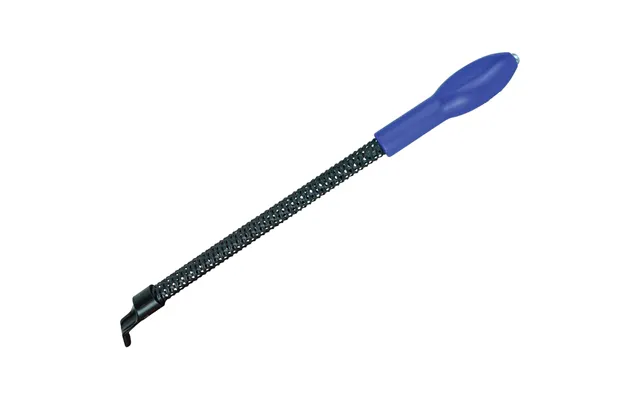
| Boa 17901rtr1 Rotary Thread Rescue | £ 8,90 | |
| Lindy 1u 8 Way Iec Sockets Horizontal Pdu With 3m Iec Mains Cable | £ 47,78 | |
| Lindy 1u 8 Way Iec Sockets Horizontal Pdu With 3m Iec Mains Cable | £ 47,78 |