All categories
Business & Offices
Electronics & Media
Fashion & Accessories
Groceries & Essentials
Health & Personal Care
Home & Living
Kids & Family
Sports & Outdoors
Search in ZoneOffer

Loading...
If you’ve ever tried to dig into hard, compacted soil or wrestle with stubborn roots, you know a regular shovel can feel like a spoon in concrete. That’s where mattocks and pickaxes shine. These heavy-hitting, ground-breaking tools slice through clay, sever roots, and crack compacted ground without breaking a sweat. Whether you’re landscaping a new bed, trenching for edging, or prepping a space for a path, having the right mattock or pickaxe turns backbreaking work into a steady rhythm. The best part? With smart comparisons across UK retailers, you can find serious value on rugged, forged-steel tools built to last for years of projects.
They look similar and both smash through tough ground, but they excel at different jobs. A mattock typically pairs an adze blade (a wide, horizontal blade) with either a chisel or a pointed pick. It’s a multitool for soil work and roots. A pickaxe, by contrast, focuses on penetration and breaking—think rocky ground, hardpan, old concrete, and frost. Knowing the differences helps you choose the tool that matches your soil, your projects, and your energy.
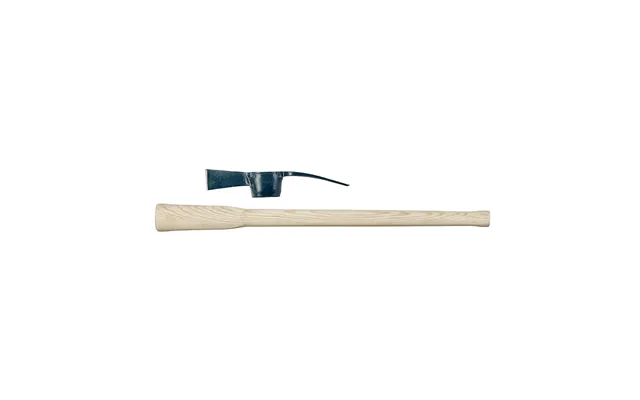
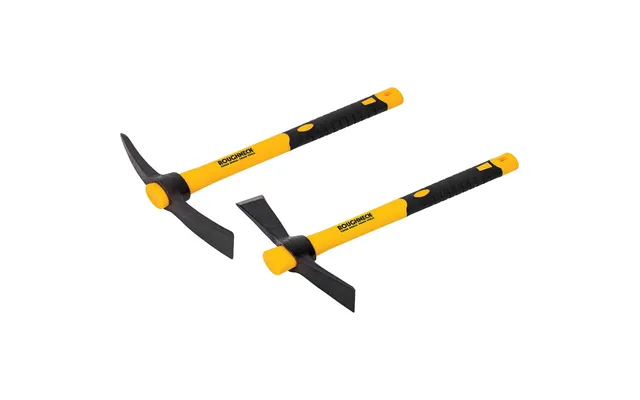
A cutter mattock usually has an adze blade on one side and a cutter (chisel-like) blade on the other. The adze side slices and scoops soil; the cutter side severs roots and busts clumps. It’s the Swiss Army knife of garden ground tools. If you’re tackling shrubs, edging new beds, or trenching for cables or drip lines, a cutter mattock turns gnarly roots into bite-sized pieces. Look for a forged-steel head, a 36 in handle for leverage, and a head weight around 5 lb to mix power with control.
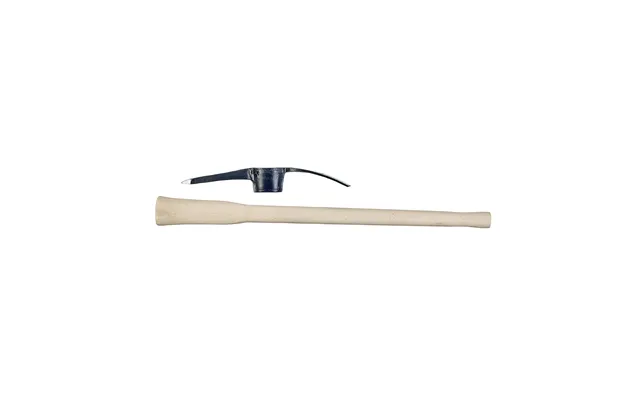
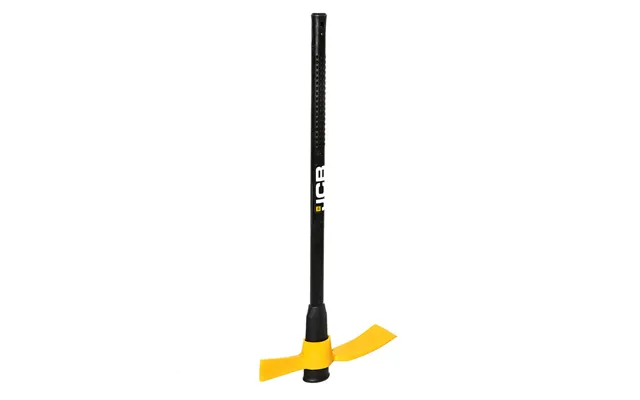
A pick mattock marries an adze blade with a pointed pick. The adze still scoops and slices soil, but the pointed end lets you punch through compacted subsoil, gravelly ground, or dry, crusted layers. If your terrain is a patchwork of clay, stones, and old construction fill, a pick mattock is a top-tier choice. It’s a versatile compromise when you want some of the root-cutting utility of a mattock and the ground-penetrating power of a pickaxe.
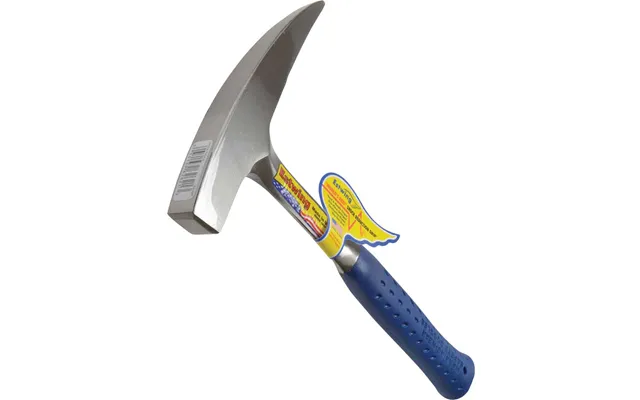
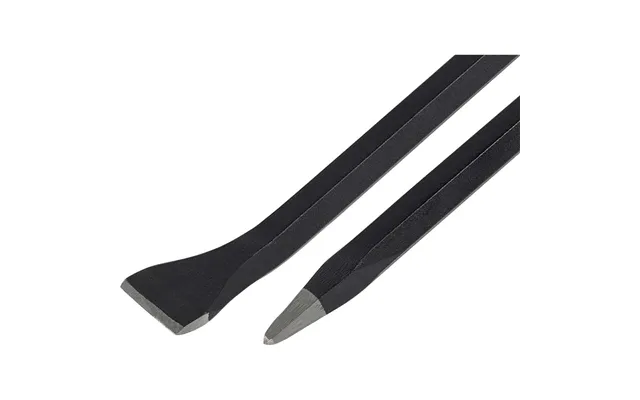
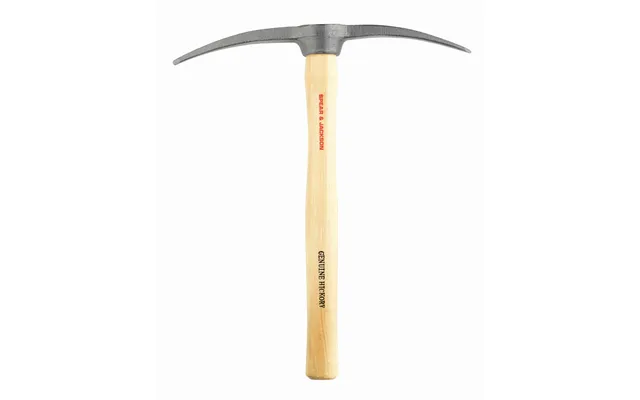
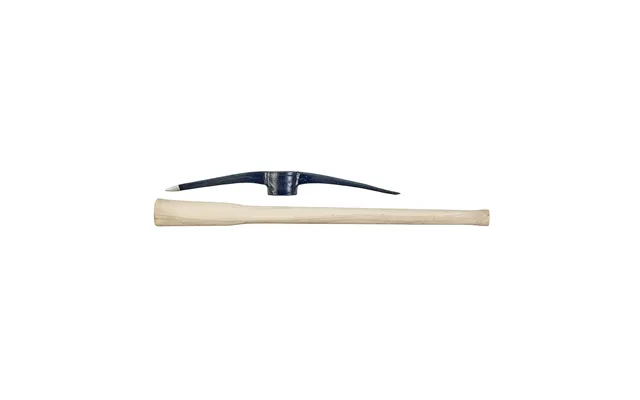
The classic pickaxe has two ends: either twin points or a pointed end paired with a chisel. This tool is all about penetration and fracture. It’s ideal for breaking hard ground, loosening compacted layers, and cracking small slabs or rubble. For rocky soil, frost-heaved surfaces, or demolition around old pavers, a 5–6 lb pickaxe with a 36 in handle brings serious bite. If your soil is more rock and hardpan than loam, the pickaxe earns its keep every weekend.
Ask yourself what you fight most: roots or rock? If roots are your nemesis, a cutter mattock is your best mate. If your soil is a concrete impersonator or loaded with stones, a pickaxe is hard to beat. Can’t decide? A pick mattock gives you both penetration and soil-shaping versatility. For small jobs, consider a compact mattock with a 15–18 in handle—great for campers, allotments, or quick root cutting around established plants where a full swing is risky.
A tough ground tool lives or dies by its materials, weight, and balance. That’s why it pays to compare specs, read the fine print, and weigh your options—literally. Focus on head steel, handle construction, overall weight, and safety features like overstrike protection and non-slip grips. These details determine how the tool feels in your hands and how it performs when the ground gets stubborn.
Forged high-carbon steel is the gold standard. It’s tough, holds an edge, and resists deformation. Look for heat-treated or tempered heads, which deliver better durability under repeated strikes. A secure, tight eye (the hole where the handle fits) prevents wobble and keeps the head seated during heavy swings. If you can find details on Rockwell hardness, that’s a bonus; many quality heads target a hardened edge with a slightly softer core to resist shattering while still biting into soil and roots.
Hickory is classic for a reason. It offers a natural flex, great shock absorption, and a comfortable feel—especially in cool weather. Fiberglass handles bring weather resistance, consistent strength, and often include anti-vibration sleeves and non-slip grips. Steel handles are virtually unbreakable, but they can be unforgiving on joints unless they have good shock-damping grips and overstrike guards. For most home users, a 36 in hickory or fiberglass handle hits the sweet spot. If you swing hard or work daily, fiberglass with an overstrike sleeve can extend tool life dramatically.
Head weights commonly range from 3 lb to 6 lb. A 3–4 lb head suits lighter users, extended sessions, or softer soils. A 5 lb head is the sweet spot for most projects—enough power to break ground without draining your energy. A 6 lb pickaxe brings extra punch for rockier terrain or demolition. Balance matters too: you want a tool that arcs smoothly and returns to ready position without fighting your wrist. When possible, try a few swings to feel the center of mass; your shoulders will thank you.
Non-slip grips, flared ends to prevent hand slippage, and overstrike protection on the neck of the handle are all worthwhile. Some fiberglass handles include anti-vibration cores, which reduce hand fatigue on long days. Rounded, chamfered edges on the head’s eye reduce handle wear. And don’t forget visibility—bright handle colors make it easier to spot your tool in tall grass or fading light.
Think of these tools as your ground crew. If it involves digging, levering, edging, chopping, or prying, there’s a mattock or pickaxe technique to match. Here are the jobs where they truly shine and save you hours.
For new beds, a cutter mattock’s adze loosens soil fast. Swing down, pull back, and you’ll carve clean swaths, especially if the soil has baked hard. For trenches—edging, cables, or drainage—use the adze to define the trench and the cutter end to sever any roots crossing your path. A pick mattock handles compacted sublayers; punch with the point, then scoop with the adze to clear spoil. Pair with a trenching shovel to lift material and tidy the sides.
Roots respond to sharp steel like ice to a hot knife. Use the cutter blade to notch around a stump and sever feeder roots. For thicker roots, strike with controlled blows, then pry to expose the underside and finish the cut. A pick mattock helps expose root tangles in clay, letting you pluck them out instead of wrestling blindly. For small stumps, a 5 lb cutter mattock plus patience can outperform powered tools in tight spaces where machines can’t reach.
Re-shaping a bed edge? The adze creates crisp lines in minutes. For perennial clumps or weedy patches, chop and lift in sections—fast, efficient, and oddly satisfying. A mini mattock is fantastic for precise work around established plants, stepping stones, and borders, giving you control with less risk of damaging roots you want to keep.
When you’re staring at hardpan, rubble, or old asphalt bits, reach for a pickaxe or pick mattock. The point concentrates force into a tiny area, cracking crusty surfaces so you can lift chunks away. For small concrete pads, a 6 lb pickaxe plus a pry bar can be surprisingly effective. Keep strikes rhythmic, not frantic—think drummer, not jackhammer. You’ll move more material with less fatigue.
With so many variations, it helps to think in families: full-size cutter mattocks for gardening and roots, heavy pickaxes for rocky conditions, compact mattocks for tight spaces and camping, and specialty picks for masonry or rail-like work. Each has a place, and many gardeners keep two sizes to cover every job from delicate to demanding.
This is the dependable all-rounder. The 5 lb head delivers satisfying bite without wearing you out. The 36 in handle gives leverage for prying stones and popping roots. Choose forged steel, a tight-fitting eye, and either hickory or fiberglass depending on your preference. If you only buy one tough ground tool for your garden, make it this.
Built for breaking, a 6 lb pickaxe turns hardpan and rubble into manageable pieces. A chisel-and-point combo helps when you need to score a line before breaking it apart. For driveways edges, rocky allotments, or post holes in tough ground, this tool earns its keep. Pair with steel-toe boots and eye protection; the chips can fly.
Small but mighty, the mini mattock is brilliant for quick root work, tight beds, and camping tasks like digging a small fire area or flattening rocky spots. With a 15–18 in handle and a lighter head (often around 2–3 lb), it’s easy to carry and safer to swing in cramped areas. It won’t replace a full-size tool, but it will become your grab-and-go favorite.
These specialty picks focus on penetration and precision. A railroad pick is typically long and heavy, excelling at deep penetration into compacted or rocky ground. A mason’s pick features a finer tip for precise chipping along lines, useful for edging pavers or helping break mortar. If your projects lean toward hardscape and stone, these are worth a look.
Great tools can still be tiring—or risky—if used poorly. A few simple techniques turn brute force into clean, comfortable efficiency. Your back and shoulders will notice the difference after the first hour.
Stand with feet shoulder-width apart, one foot slightly forward. Keep your core tight and let the tool’s weight do the work. Lift to about chest height, then let it drop in a controlled arc. Don’t death-grip the handle; slide your lead hand toward the end during the swing. Work at a steady tempo. A smooth rhythm is faster and safer than frantic blows.
Score around roots before chopping deep. Aim for clean, glancing blows that slice instead of bounce. For sod, skim with the adze at a shallow angle, then lift sections like carpet. When roots hide in clay, switch to the pick side to expose them, then flip back to the cutter blade for the finish. Think of it as a one-two: reveal, then sever.
Start with the pick end to penetrate the crust. Once the ground fractures, use the adze to scoop and clear. For larger stones, strike around the perimeter to loosen the surrounding soil, then lever them out. If the tool rebounds, you’re hitting too flat—adjust your angle so the point or blade bites first.
Don’t swing overhead; you lose control and gain risk. Avoid twisting the handle aggressively under load—let leverage, not torque, do the prying. Never strike near hidden pipes or cables; mark utility lines first. And don’t skip breaks. A five-minute pause every half hour keeps your form crisp and your strikes safer.
Treat a mattock or pickaxe like a partner, and it’ll return the favor. A little cleaning and edge care after each session keeps rust away and performance sharp. You’ll spend more time working and less time wrestling.
Knock off soil with a stiff brush, then wipe the head dry. A light coat of oil on the steel prevents rust—common choices include mineral oil or a multipurpose tool oil. Store tools off the ground in a dry shed or garage. Hang them head-down or lay them flat so moisture doesn’t wick into the handle eye.
Sharp blades bite, dull ones bounce. Every few sessions, dress the adze and cutter edges with an 8 in mill file. Maintain the original bevel; keep it clean and even. For the pick end, round it slightly rather than keeping a needle tip—that reduces chipping while still concentrating force. If you have nicks, start with a coarse file, then finish smooth. Always secure the tool before filing and wear gloves and eye protection.
Check for cracks, splinters, or looseness. A slight wiggle in the head can become dangerous under full swing. For hickory handles, sand rough spots and oil lightly to prevent drying. Fiberglass handles rarely need much care, but inspect the overstrike area for damage. If a handle fails, replace it promptly using the correct size eye and wedges for a snug fit.
The right extras make your work smoother, safer, and more precise. A few inexpensive add-ons can stretch your tool’s life and sharpen its performance—literally.
Sturdy gloves improve grip and cut down vibration. Safety glasses are non-negotiable when chips fly. Steel-toe boots protect against dropped stones or glancing blows. If you’re working for hours, consider anti-vibration gloves and a supportive belt to keep your back happy.
An 8 in mill file, a file card (to clean filings), and a small bottle of oil cover 95% of edge care. A head cover or sheath is handy if you store tools in a crowded shed, protecting both the edge and anything it might nick. Overstrike guards—especially on hickory—add durability where it counts.
Match your mattock or pickaxe with a trenching shovel for lifting loosened soil, a pry bar for popping stones, a post-hole digger for tidy holes, and a sledgehammer for persuasion when rubble refuses to budge. For root-heavy areas, a bow saw can finish thick roots cleanly after you expose and lift them with the mattock.
Entry-level tools often use lighter heads and basic steel. They work for occasional jobs but may dull faster. Midrange options bring forged, heat-treated heads and comfortable fiberglass or graded hickory handles—this is the sweet spot for most gardeners and DIYers. Pro-grade tools feature premium forging, superb balance, robust overstrike protection, and carefully shaped edges that hold longer. If you’re tackling a big project or you love proper tools, the extra spend pays off in performance and longevity. Compare specs, not just photos; details like forged steel and handle reinforcement signal real value.
Prices on tough ground tools can vary widely across the UK market. That’s why it helps to use a comparison platform rather than jumping at the first price you see. On comparison sites such as ZoneOffer, you can scan offers from multiple retailers, check specs side by side, and spot genuine savings—not just flashy banners. Look for transparent head weights (3 lb, 5 lb, 6 lb), handle length (often 36 in for full-size), and materials (forged steel, hickory or fiberglass). Watch out for look-alikes with pressed or cast heads; they may not stand up to heavy use. When you see a discount on a forged 5 lb cutter mattock or a 6 lb pickaxe with overstrike protection, you’re likely looking at a deal worth jumping on.
Your body is part of the system. Ergonomic grips, anti-vibration handles, and right-sized tools mean less strain on wrists, elbows, and back. Choose a weight you can swing for an hour, not just 5 minutes, and keep your swings controlled. On the sustainability side, tools that last are greener—fewer replacements and less waste. Hickory is a renewable resource when sourced responsibly, and many fiberglass handles are designed for long service lives. Maintain your tool well, and it will outlast trends and projects alike.
From hacking out roots to carving clean trenches, mattocks and pickaxes are the undisputed heavyweights of garden and ground work in the UK. Choose between a cutter mattock, pick mattock, or pickaxe based on your soil and tasks, then focus on forged steel, a comfortable 36 in handle, and the right head weight for your strength and project list. Keep the edges dressed, the handle sound, and your technique smooth. And when you’re ready to buy, use a trusted comparison platform to line up specs and prices, so you bring home a tool that hits hard, lasts long, and saves money. Your soil may be stubborn—but with the right tool, you’ve got the upper hand.
| Mattocks & Pickaxes | Price | |
|---|---|---|
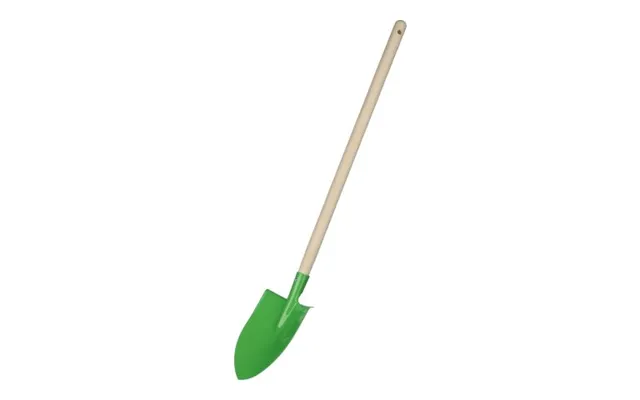
| Promotional Wooden Garden Shovel Marigold Light Green Branded With Your Logo | £ 2,75 | |
| Xtrade X1300001 Round Point Micro Shovel | £ 6,53 | |
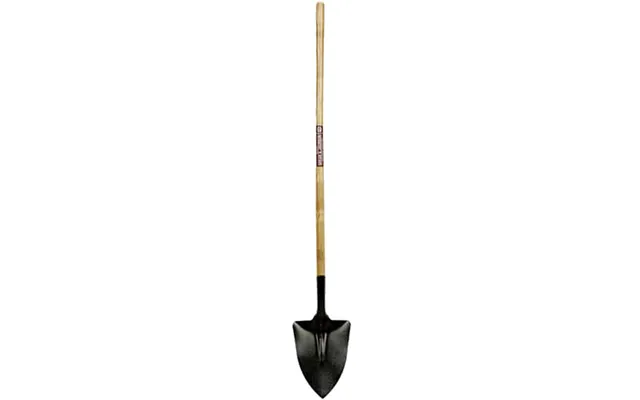
| Xtrade X1300005 All Steel Taper Mouth Shovel | £ 71,40 |