
Mattock & Pickaxe Handles price list
Last updated Friday, Sep 18, 2026





View 9 Offers
Loading...
Last updated Friday, Sep 18, 2026
Picking the right handle for your mattock or pickaxe isn't just about comfort—it's about control, safety, and efficiency. A great handle transfers power from your body into the tool head with minimal energy loss while reducing vibration and fatigue. Think of the handle as the bridge between you and the job; a poorly chosen bridge collapses under load, but the right one makes work feel almost easy. Whether you're chopping through compacted soil, prying roots, or breaking up rock, the handle determines how well you can direct force and how long you can work without wearing out your arms.
Do you want maximum swing power or all-day comfort? Often you can get both, but materials and shape influence outcomes. A stiff hardwood handle like hickory offers excellent feedback and resilience, boosting control for precise strikes. Fiberglass handles absorb shock better and require less maintenance, making them excellent for long jobs or wet conditions. Ergonomic contours and rubberized grips add comfort but might add a touch of weight. Balance these factors based on how you use the tool—short bursts of hard work or long-duration digging sessions.
Length is critical. Short handles, around 24 to 30 inches, give better control for tight spots and overhead work. Longer handles, 36 to 48 inches, increase leverage for heavy strikes and deep digging. A common sweet spot for a general-purpose mattock or pickaxe handle is 36 inches, which gives a good mix of power and maneuverability for most adults. If you're taller or frequently need extra force, consider 42 to 48 inches; for smaller users or precision tasks, 28 to 32 inches might be ideal.
Handles come in a few dominant materials: hickory or ash wood, fiberglass, and modern composites. Each one has unique traits and typical use cases. Knowing the pros and cons helps you pick the right replacement or upgrade for the job at hand. Let's walk through the common options so you can make a confident choice.
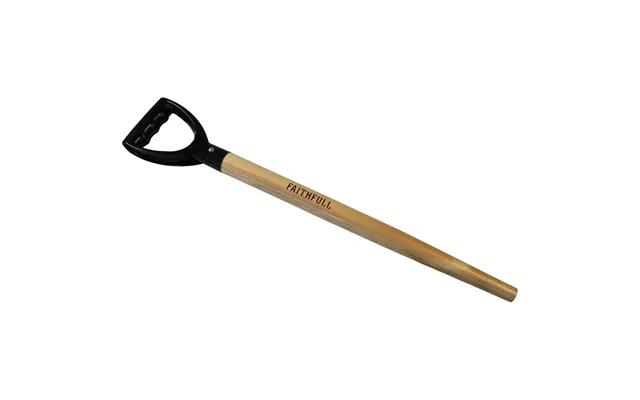
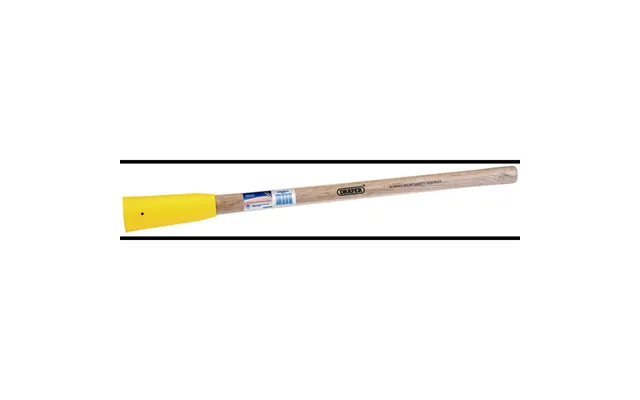
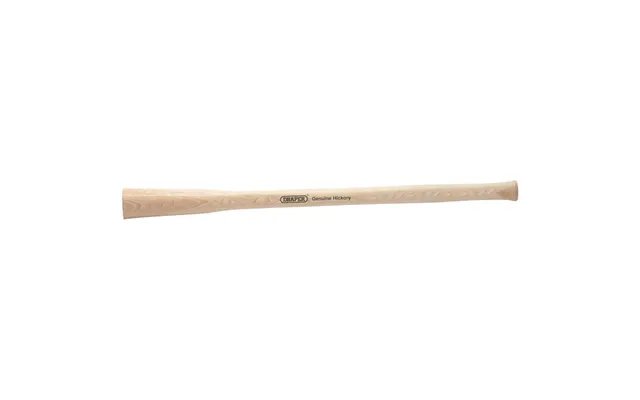
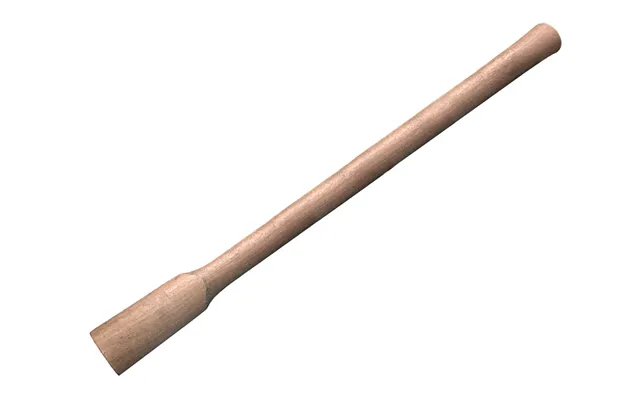
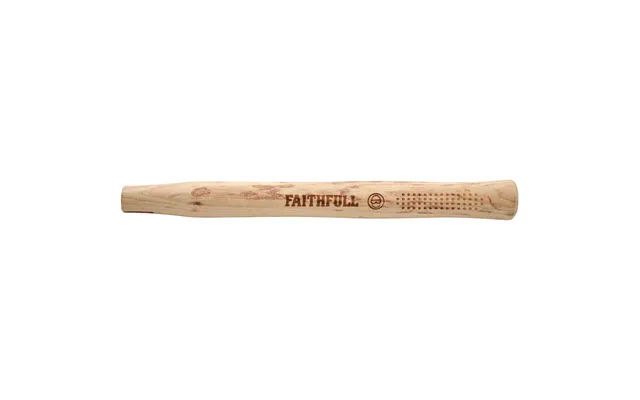
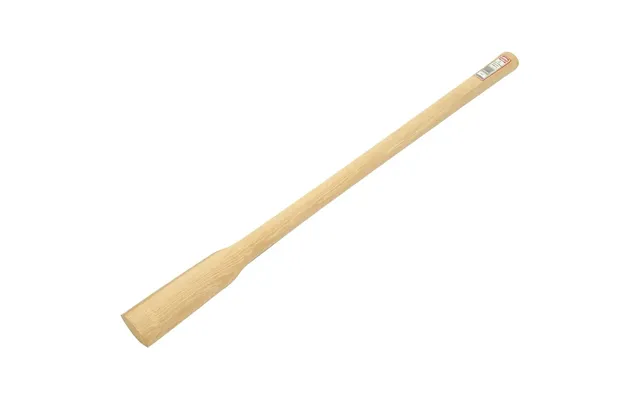
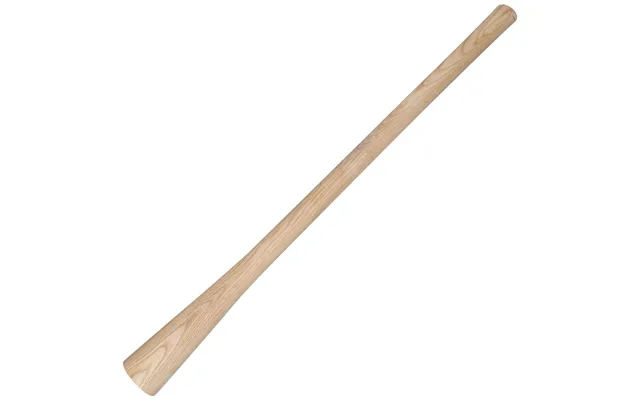
Hickory is the classic choice for striking tools. It's tough, flexes under load without breaking, and gives excellent tactile feedback. A hickory handle, usually finished with linseed oil, will absorb shock naturally and last a long time with proper care. Expect a quality hickory mattock handle to weigh a few pounds less than many fiberglass options while offering that satisfying “thud” upon impact. Downsides? It needs occasional maintenance and can split if left in damp conditions without care.
Ash is another hardwood often used for handles. It's slightly lighter than hickory and has good shock absorption. Ash can be a good budget option and is surprisingly resilient for routine yard work. If you prefer a lighter feel but still want natural wood, ash is worth considering. Just like hickory, protect it from prolonged moisture exposure and inspect it for cracks regularly.
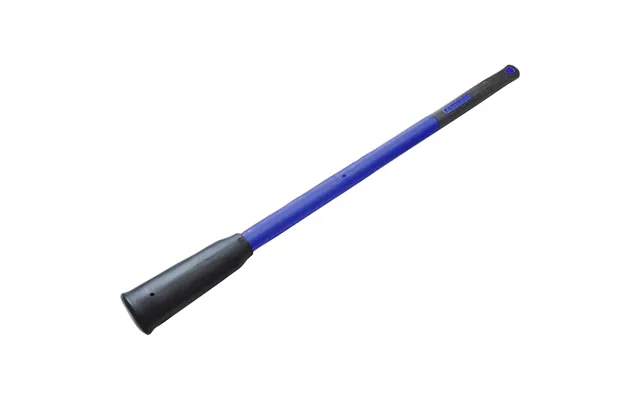
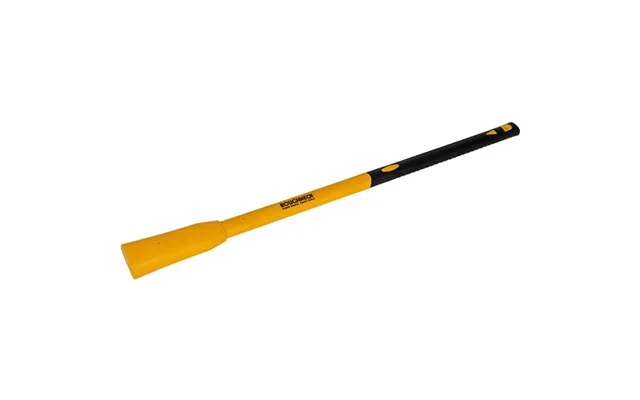
Fiberglass handles are popular for their durability and low maintenance. They resist rot, moisture, and many chemicals, and they often include built-in vibration dampening. Because they don't splinter like wood, they're safer for users who might bump or rub the shaft during heavy work. Fiberglass tends to be heavier, which some users like for added momentum; others prefer lighter wood for quicker swings. Also, many fiberglass models come with molded grips for extra comfort and nonslip handling.
Modern composite handles mix materials to reduce vibration, increase strength, and add comfort. Some have ergonomic curves, soft-grip sleeves, or shock-absorbing cores. These are great for those who spend hours using a mattock or pickaxe and want to minimize strain. They can cost more upfront but often pay off in reduced fatigue and fewer replacements over time.
Getting the handle size and head fit right is crucial for safety and effectiveness. Measuring a replacement handle involves knowing the length you prefer and the “eye” dimensions of the tool head—the opening where the handle slips through. A mismatched eye will either be loose and unsafe or require excessive force to fit, risking damage. Here’s how to measure and match handles like a pro.
First, measure the eye's internal length and width with a tape or caliper; write those numbers down in inches. Replacement handles are tapered—wider at the end fitted to the head and narrower at the grip. Match the taper and eye size closely. If the handle needs shaving to fit, use a rasp or spokeshave, then sand to smooth. After seating the head, secure it with wedges and epoxy if needed. Proper fit prevents loosening during use and keeps you safe.
Typical replacement handle lengths for mattocks and pickaxes range from 24 to 48 inches. Light-duty garden mattocks often use 28 to 36 inch handles, while heavy-duty mining-style pickaxes might have 36 to 48 inch shafts. If you’re replacing a broken handle, measure the old one from the butt end to the top of the shoulder where the head seats—this gives you an accurate length to match. When in doubt, choose a slightly longer handle for extra leverage, then trim if necessary.
Replacing a handle is a satisfying DIY task that saves money and extends tool life. With a few simple tools and a little patience, you can put a new handle on in under an hour. Here’s a practical walkthrough so you can tackle it confidently.
Start by removing the old handle and any remaining wedges. Use a hacksaw to cut off the handle close to the head, then drive out the wood core with a punch. Clean the eye, then fit the new handle from the bottom up: push the narrow end through until the shoulder seats against the head. Tap the head down firmly with a mallet until it’s fully seated. Insert wooden wedges into the top of the handle to spread it and create a tight fit; add a metal wedge across the wooden wedges for extra security. Finish by trimming the protruding portion and applying linseed oil to wooden handles.
You don’t need a full workshop—just a few basics: a mallet or sledge, a flat file or rasp for fitting, a pry bar to remove old wedges, wooden and metal wedges for securing, and linseed oil or varnish for finishing. For stubborn old heads, a drill and punch help remove wooden remnants. For fiberglass or composite handles, follow the manufacturer’s fitting instructions—these sometimes require specific wedges or adhesives.
Regular maintenance keeps handles performing and prevents unexpected failure. Simple care routines will extend the life of both wooden and fiberglass handles and keep your tools safe and reliable season after season.
Wooden handles love oil. Apply boiled linseed oil every few months or after heavy use to keep the wood from drying and cracking. Avoid leaving wooden tools standing in water or resting with the head on the ground—moisture invites rot. Inspect for hairline cracks and replace handles at the first sign of structural damage. Sand away splinters and reapply oil to maintain a smooth, safe grip.
Fiberglass requires less hands-on care but benefits from simple checks. Wipe dirt and grit away after use to prevent abrasive wear. Examine for deep gouges or cracks, especially near the head, where impacts concentrate force. Replace a fiberglass handle showing structural damage—don’t try to patch it. Keep grips clean and consider a thin rubber sleeve if you need extra slip protection.
Accessories can dramatically improve comfort, safety, and storage. These small investments transform a basic tool into something tailored to how you work. From grips to guards, here are practical add-ons to consider.
Slip-on rubber grips or tape add cushioning and improve grip in wet conditions. Wraps come in different thicknesses—choose one that fills your hand comfortably without jeopardizing control. For heavy use, consider a shock-absorbing sleeve that reduces vibration and hand fatigue. These are affordable upgrades that make long sessions feel much easier.
Protective covers for tool heads prevent accidents and protect the edge during storage. Simple leather or molded plastic covers keep your garage or shed safe from stray bruises. For storage, hang tools with the head facing the wall or secure them in racks to prevent falls and minimize damage to handles and heads.
When shopping for a replacement or upgrade, several styles consistently earn top marks. Classic 36-inch hickory handles are a go-to for gardeners and professionals who want a natural feel and proven durability. For wet or corrosive environments, consider 36 to 42 inch fiberglass shafts with molded non-slip grips. If you need a heavy hitter, look for longer 42 to 48 inch handles paired with a weightier head for deeper penetration into hard-packed ground. Trusted brands in the striking-tool space include Vaughan for hardwood handles, Estwing for one-piece steel tools with shock reduction, and Fiskars for ergonomic, composite designs. Choose based on use frequency, desired feel, and budget.
Price doesn’t always tell the whole story. A low-cost handle may save money up front but cost more in downtime and replacements. Conversely, a higher-priced composite or high-grade hickory handle can last years. Consider warranty, replacement policies, and whether the handle comes pre-fitted or requires cutting and wedging. For occasional users, a reliable hickory handle in the $20 to $40 range usually suffices. Professionals who use tools daily might spend $40 to $100 for premium composite or branded products that reduce downtime and fatigue.
Pay for fit, material quality, and comfortable ergonomics. A good handle should fit your tool head snugly, resist splintering, and feel secure in your hands. If the handle arrives rough or oversized, budget in time and tools for fitting. When shopping online, read product descriptions for eye dimensions and recommended handle lengths to ensure compatibility with your mattock or pickaxe head.
Safety should always be top of mind. Wear eye protection and sturdy boots, and keep bystanders at a safe distance. Inspect handles before each use for cracks, looseness, or splits. Swap out any compromised handle immediately—one failed swing can cause serious injury. When swinging, use controlled leg and hip movement to avoid overexertion. For projects that require repetitive strikes, rotate between tools to reduce strain on the same muscles and joints.
If sustainability matters to you, seek handles made from responsibly harvested hickory or ash certified by recognized forestry programs. Some manufacturers now offer recycled composites or sustainably sourced wood for lower environmental impact. Choosing a handle that lasts longer reduces waste, and maintaining wood with natural oils rather than synthetic varnishes is better for both your tools and the planet.
Choosing the right mattock or pickaxe handle transforms the way you work—from backyard gardening to tough landscaping jobs. Consider material, length, fit, and maintenance requirements when selecting a handle. Hickory offers classic feel and feedback, ash gives a lightweight option, and fiberglass or composites add durability and minimal upkeep. Match the handle to your height, the task at hand, and how long you’ll be working. With the right handle, even the hardest ground becomes manageable, and your tools will reward you with many seasons of reliable performance.