
Mattock & Pickaxe Accessories price list
Last updated Friday, Sep 18, 2026




View 13 Offers

Loading...
Last updated Friday, Sep 18, 2026
Ever swung a mattock or pickaxe and thought, this could feel better, hit harder, or last longer? That’s where the right accessories transform your tool from “good” to “great.” Whether you’re trenching a garden bed, prying up stubborn roots, or breaking through compacted ground, quality accessories sharpen performance, boost safety, and stretch your budget. In the UK, comparing offers across retailers makes it easy to find reliable upgrades without overspending. Let’s dig into the essentials—handles, heads, wedges, files, guards, storage, and more—so your mattock or pickaxe works smarter every time you swing.
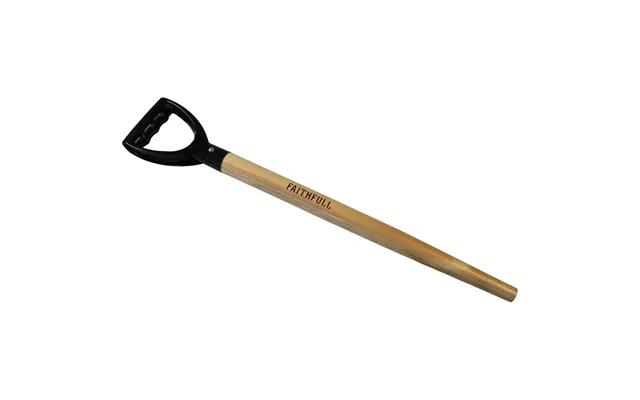
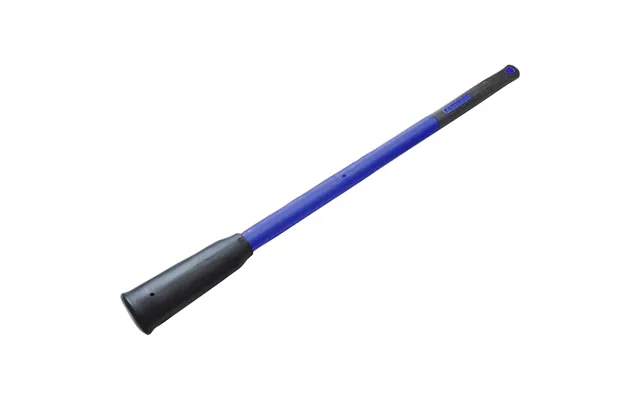
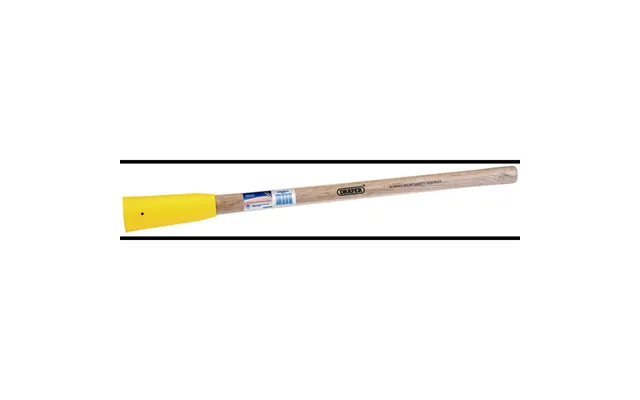
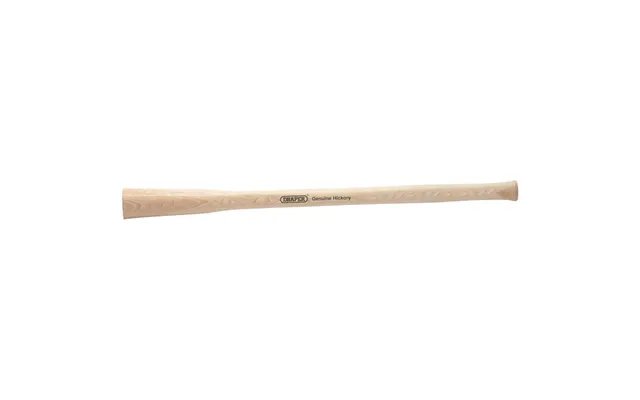
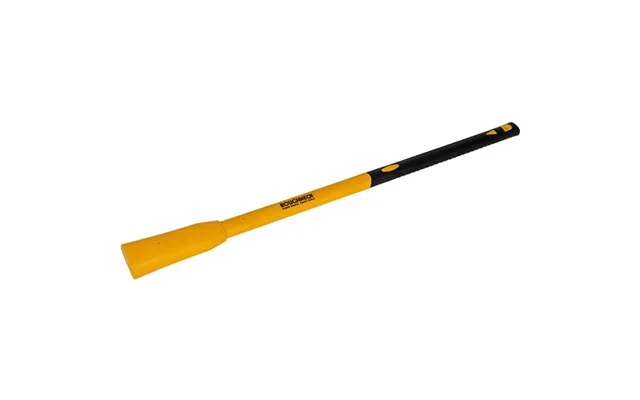
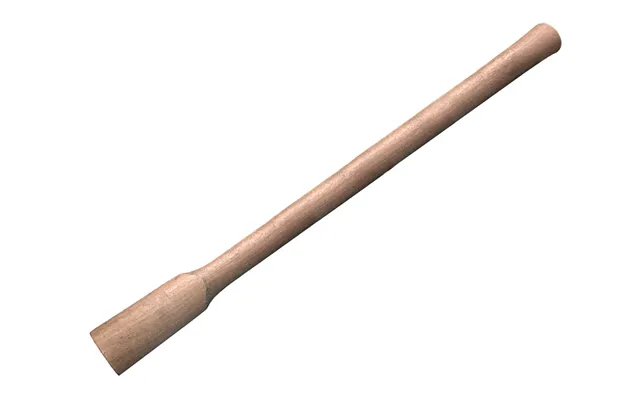
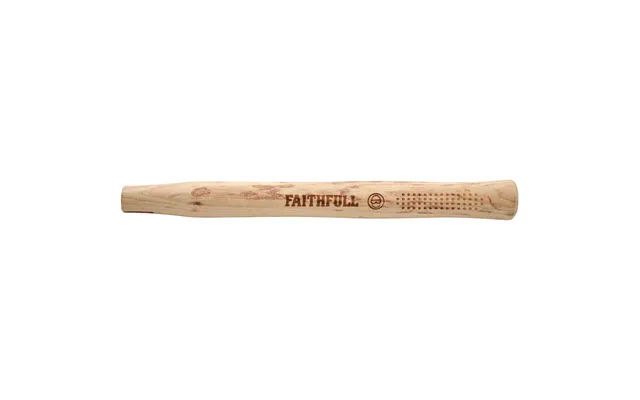
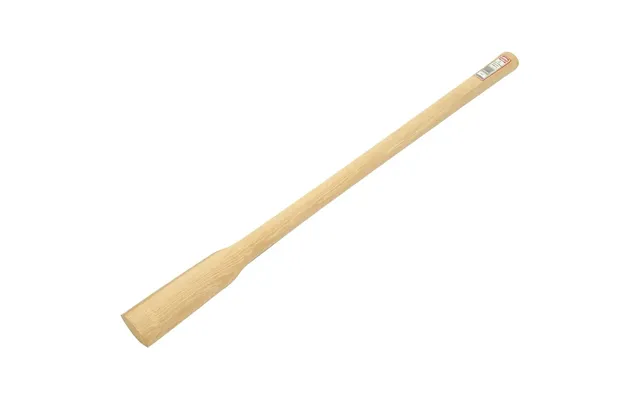
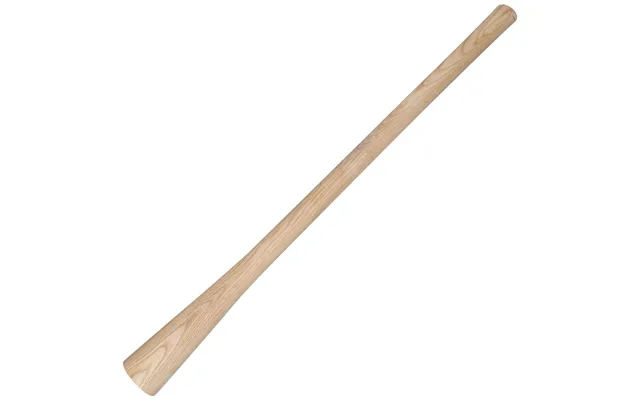
The handle is your engine mount—get it right, and everything else runs smoother. Hickory handles offer that classic, responsive feel with natural shock absorption. They’re ideal for precise control and a clean, confident swing. Fiberglass handles bring rugged durability, consistent balance, and resistance to weather and moisture. If you work in damp conditions or want lower upkeep, fiberglass is a smart pick. Typical lengths run from about 28 in to 36 in; shorter for tight spaces, longer for power and leverage. If you’re replacing a handle, always match the eye size and shape of your current head.
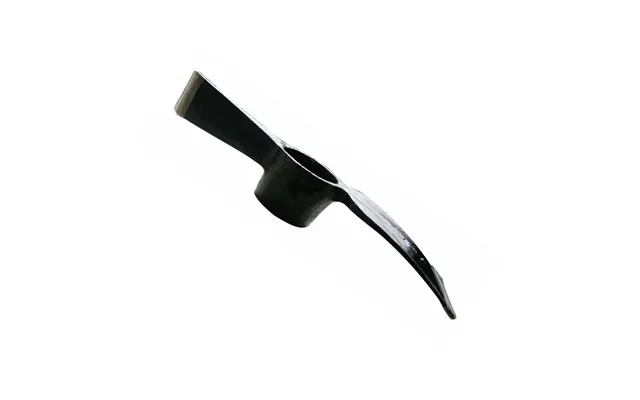
Different jobs call for different head profiles. A cutter mattock (adze on one side, cutter blade on the other) chews through roots and sod. A pick mattock pairs a chisel or adze with a pointed pick for prying, trenching, and breaking hardpan. Need to break concrete or rocky soil? A pickaxe with a pointed and chisel end delivers targeted force. If your head is cracked, excessively pitted, or worn down after countless sharpenings, a replacement head restores performance. Look for forged steel with a well-finished eye and a solid heat treatment for long-lasting bite.
A great fit isn’t luck—it’s hardware. Wooden and metal wedges lock your head in place on a wood handle. Ferrules and sleeves protect the haft from splitting under shock loads near the head. If you’re rehanging a head, don’t skip these small parts; they prevent the dreaded head wobble and extend handle life. Grab a kit with multiple wedge sizes and a quality ferrule so you can fine-tune the fit. Pro tip: keep a spare wedge and a small mallet in your tool bag; a quick tap tightens things up mid-project.
Sharp edges are great in the soil, not in the back of your car or your tool shed. Blade guards and sheaths protect cutting edges from dulling and keep you safe during transport. Leather sheaths are durable and classic, while molded plastic or nylon guards are lightweight and weather-ready. End caps for handles help prevent mushrooming or scuffing when tools rest vertically on concrete. A guard also signals a well-maintained tool—when you see it, you’ll remember to sharpen and oil on schedule.
A dull edge wastes energy. A simple 10 in mill file removes nicks and shapes a clean chamfer on your mattock or pick. Follow with a medium-grit stone or a file card to keep things smooth. Aim for a consistent bevel that’s sharp enough to bite but not razor-thin; you want durability, not fragility. If rust creeps in, use a wire brush and a dash of oil. Mark your calendar to sharpen every few sessions or whenever the tool starts bouncing off roots instead of slicing through them.
If your hands sting after every swing, anti-vibration grips and sleeves can help. Rubberized or gel-enhanced sleeves dampen shock on both wood and fiberglass handles. Some wraps add thickness for a more comfortable grip, especially in cold or wet conditions. Look for lock-on designs or adhesive-backed wraps that won’t creep. Combine with padded gloves for a noticeable reduction in fatigue on long days. It’s a small upgrade that feels like a big one when you’re 200 swings in.
Good storage pays for itself. Wall racks keep long-handled tools upright and prevent bent edges or warped handles. Sheath-and-hook systems protect sharp ends and reduce clutter. For mobile jobs, a tool carrier or trunk mat shields your vehicle; add edge guards and you’re safe to stack gear. Moisture is the enemy, so store tools in a dry space with airflow. A bit of order means your favorite mattock and pick are ready to go when you are—no more rummaging through a chaotic corner.
Think of handle length like a lever. Around 28 in gives you maneuverability in cramped beds or around fence posts; 32 in is a versatile sweet spot; 36 in adds power for heavy trenching or root busting. Taller users often prefer longer handles, but it’s about swing style too. If you choke up on the handle for precision, a mid-length haft works nicely. Try a few lengths if you can—your swing rhythm should feel natural, not forced.
Weight drives penetration, but it also drives fatigue. Many users settle in the 3 lb to 5 lb range for mattock and pick heads. Lighter tools are easier to control for long sessions or overhead work; heavier ones hit harder for demolition or rocky soil. Match weight to the task: trimming roots and edging beds calls for lighter, nimble swings; breaking compacted clay might warrant a heavier head. If you’re new to these tools, start moderate and focus on technique.
Forged steel is the backbone of a trustworthy head. Look for clean forging lines, uniform thickness, and a properly sized eye. Heat treatment matters—too soft and it deforms, too hard and it chips. A quality head keeps an edge with routine filing and resists mushrooming on the striking surfaces. If you often hit stone or concrete debris, a tougher, well-tempered head saves you from frequent dressing and protects against cracks under impact.
Hickory offers a direct connection to the work. It flexes just enough to soak up shock while delivering precise feedback through your hands. Choose straight-grained, knot-free hickory with a smooth finish. Lightly oil it to resist moisture and reduce splinters. If you work outdoors year-round, hickory rewards a bit of care—wipe it down after wet days and sand out nicks before they spread. Many pros swear by the rhythm and control a good hickory handle provides.
Fiberglass excels in harsh conditions. It shrugs off damp, resists UV better than unprotected wood, and delivers consistent balance. Many composite handles include an internal core for strength and an external cushion for comfort. If you alternate between storage in a shed and the back of a truck, fiberglass is a stress-free option. Just check the collar area regularly; add a protective sleeve if you tend to overstrike. For crews, the durability and uniform feel across tools can be a real win.
For garden beds, paths, and borders, a cutter mattock with a mid-length handle is a powerhouse. Pair it with a leather sheath, a 10 in file, and a shock sleeve for comfort. Root cutting? Keep a spare edge guard so your blade stays sharp between tasks. If you’re trenching for edging or irrigation, a pick mattock with a 32 in handle gives leverage without sacrificing control. Add a compact rack in the shed to keep everything clean and dry.
Tearing up an old path or hitting compacted soil? A heavier pickaxe head with a 36 in handle and anti-vibration wrap helps you punch deep with fewer swings. Consider a steel ferrule to protect the neck from overstrikes. Use a durable plastic guard for transport, and keep a file handy—hard impacts dull faster. Pair with a sledgehammer and pry bar for lifting slabs and rubble; your pick does the piercing, the sledge completes the break, and the pry bar moves the debris safely.
When you’re onsite and on the move, weight and portability matter. A lighter mattock with a 28 in to 32 in handle is easier to carry. A nylon or plastic edge guard keeps gear safe in a pack or vehicle. Add a compact file and a small bottle of oil in a pouch; it’s your roadside toolkit for touch-ups. For utility crews, replaceable heads and quick-fit wedges reduce downtime—swap, secure, and get back to work without missing a beat.
The eye is the opening in the head where the handle seats, and sizes are not universal. Before buying, measure your existing handle at the shoulder and check the head’s eye dimensions. Some eyes are oval, others more teardrop-shaped. The taper determines how the handle locks as it’s driven through. A mismatch leads to wobble or, worse, a dangerous fly-off mid-swing. When in doubt, choose a handle blank that’s slightly oversized and rasp it down for a custom fit.
Most traditional setups use a wood wedge across the grain to flare the handle, plus a metal wedge for lateral expansion. Some users add a dab of epoxy for extra security, especially in wet climates. After the first day’s work, recheck tightness—wood can compress a touch. Keep a spare wedge and a small hammer handy for field adjustments. If you see any gap at the eye or feel movement, stop and fix it immediately. Security isn’t optional; it’s safety.
Sharpening shouldn’t be a chore. Clamp the tool or secure it on a bench, then file in one direction, following the original bevel. Aim for a durable edge—think working sharp, not razor. Knock down burrs and finish with a few light passes. If you use your tool weekly, a quick file every couple of sessions keeps it slicing cleanly. Remember, a sharp tool is safer; it bites predictably and reduces the urge to overswing.
After work, brush off dirt, wipe metal with a bit of oil, and store the tool dry. A blade guard prevents accidental dings and saves your edge from grazing other tools. For hickory handles, a light oil rub a few times a year keeps fibers resilient. Avoid resting tools directly on concrete for long periods—use racks or hangers. Treat storage like a pit stop: a few minutes of care equals fewer repairs and a longer working life.
First, cut off the old handle flush with the head and punch out the remaining wood from the eye. Fit the new handle from the bottom of the eye up, seating it firmly. Trim excess protrusion, then drive in a wood wedge and, if needed, a metal wedge perpendicular to it. Test for movement and re-wedge if necessary. Finish with a ferrule or sleeve if you overstrike often. Take your time here; a rock-solid hang-up turns a replacement into an upgrade.
Protective gear isn’t overkill—it’s common sense. Wear sturdy gloves for grip and vibration control, shatter-resistant eye protection against chips, and boots with reinforced toes. If you’re swinging in a rocky patch, add long sleeves. Before you start, scan the work area for hazards and mark out a clear zone. A few simple steps cut risk and let you focus on clean, efficient swings.
Let the tool do the work. Keep your stance balanced, hands spaced for control, and swing through the target rather than at it. For roots, aim a series of controlled blows around the perimeter, then pry. For hard ground, score a line and break it in sections. If you’re tiring, switch to a lighter tool or shorten your grip. Consistent, measured swings beat brute force, saving your body and your tools.
Accessories often cost less in bundles—think handle plus wedges plus guard. Seasonal promos around spring and late summer can shave off a meaningful chunk for gardeners and landscapers. Keep an eye out for multipacks of files, guards, or ferrules if you maintain several tools. A small price cut on consumables adds up fast, especially if you sharpen regularly or run a crew.
Prices and stock vary widely, so comparing across multiple retailers is a smart move. Use a comparison site like ZoneOffer to scan current offers, filter by category, and gauge real value before you buy. Since it’s a comparison platform, you can quickly spot outliers—both bargains and overpriced listings—and go straight to the retailer that fits your budget and timeline. A few minutes of comparing can save you cash you’d rather invest in better tools.
A pickaxe cracks, a sledge breaks, and a pry bar lifts—together, they speed up tough jobs. If you’re removing slabs or old posts, a sledge and long pry bar reduce strain on your pick. Accessory-wise, look for sledge handle guards, wedge kits, and storage clips to keep everything organized. The right combo tool strategy isn’t about brute force; it’s about orchestrating impact, leverage, and control.
For shaping soil and clearing brush, a grub hoe or adze-style mattock can outperform a classic pickaxe. Wider blades move more material per swing, and a mid-weight head stays nimble in close quarters. Consider a secondary handle length—say, a compact 28 in tool for detail work and a 36 in for trenching. Keep shared accessories like files, guards, and storage racks uniform across tools to simplify maintenance.
Confirm your head’s eye size and shape. Choose a handle length that fits your height and workspace. Pick a head style for the job—cutter mattock for roots, pick mattock for trenching, pickaxe for rock and rubble. Add wedges, ferrules, and a guard. Include a 10 in file and light oil for maintenance. Consider anti-vibration grips if you swing a lot. Finally, compare offers across retailers to stretch your budget. When all boxes are ticked, you’ll feel the difference on the very first swing.
Great mattock and pickaxe accessories don’t just “dress up” your tools—they unlock performance. The right handle length improves leverage, quality heads cut cleaner, sharp edges save energy, and small add-ons like guards and grips protect both you and your investment. In the UK, comparing offers across retailers through a dedicated comparison site keeps quality high and costs sensible. Put it all together, and you’ll dig smarter, break faster, and finish jobs with less effort. That’s not hype—it’s what the right accessory kit does every day.