






All categories
Business & Offices
Electronics & Media
Fashion & Accessories
Groceries & Essentials
Health & Personal Care
Home & Living
Kids & Family
Sports & Outdoors
Search in ZoneOffer
Loading...
When you think about upgrading your mattock or pickaxe, you probably picture a new head or a tougher handle. But the “other” accessories category is where practical value really hides. We’re talking replacement handles, wedges, collars, ferrules, eye bushings, sheaths, blade guards, sharpening tools, anti-rust kits, carry slings, wall hooks, and even shock-absorbing grips. Whether you’re landscaping the garden, cutting roots, prying stones, or prepping for camping and trail work, these add-ons can stretch the life of your tools and make every swing count. The best part? In the UK, smart buyers lean on comparison platforms to weigh specs, reviews, and prices at a glance—so you can snag quality gear without overspending.
Think of a mattock or pickaxe as a classic truck: it’ll run forever if you give it the right care. A $10 sheath can prevent edge dings that ruin an afternoon’s progress. A properly sized collar keeps the head seated during heavy strikes. A simple file brings a tired edge back to bite like new. These are small investments that save time, protect your wrists, and help you tackle roots, hard soil, and rocks with confidence. It’s the “boring” kit that makes the big, tough jobs feel smoother—and safer.
Handles are the heart of your swing. Hickory is the traditional favorite—springy, durable, and easy to shape. It’s forgiving on the joints and offers a classic feel that many pros swear by. Fiberglass, on the other hand, is tough, weather-resistant, and often comes with a molded grip. If you store tools in damp sheds or do year-round work, fiberglass can shrug off moisture and temperature swings. For larger heads, look for 36-inch handles for leverage; for tighter spaces or lighter users, 32 to 34 inches can feel more nimble. Ultimately, it’s about comfort, balance, and the jobs you do most.
Handle length changes the story: longer handles add power and arc, while shorter handles offer control in rooty beds or rocky ground. For general landscaping, 36 inches is a versatile sweet spot. Pay attention to the shoulder and swell: a thicker palm swell gives you a confident stop, reducing slip mid-swing. If you prefer a more neutral grip, a straighter profile might suit you better. And remember, mattock and pickaxe eyes vary by brand, so confirm compatibility before you buy.
A tight head is non-negotiable. Look for handle fitting kits that include both wooden and steel wedges. Wooden wedges expand the handle in the eye for a snug fit, while a steel cross wedge adds insurance. For frequent users, a small bottle of wood-safe adhesive can help keep the wedge from creeping out over time. Take your time when you seat the head: proper fitment means fewer retightening sessions and less chatter on impact.
You don’t actually have to pick one—use both. Drive the wooden wedge first to expand the grain and fill the eye, then add a steel wedge across the grain to lock it down. This combo resists vibration, keeps the head true, and reduces the chance of the handle loosening when you’re chopping roots or levering stones. If you’re replacing handles often, grab a multi-pack of wedges so you always have spares.
These are the unsung heroes around the tool’s neck. A steel or polymer collar shields the shoulder from overstrikes—those inevitable misses that hit the handle instead of the target. Ferrules reinforce the top end where the eye meets the wood, distributing stress to cut down on splits. Pickaxe rings add another layer of mechanical hold, especially useful for heavy-duty or frequent-use tools. If you’ve cracked a handle from overstrikes before, a collar pays for itself quickly.
If your arms feel rattled after a long dig, try a shock-absorbing grip sleeve or wrap. These slip over wood or fiberglass and reduce vibration traveling up your forearms. End caps, meanwhile, stop the handle from slipping out of your hands on sweaty days and provide a cushioned bumper at the base. For folks tackling rocky ground, that little bit of comfort keeps your swing consistent from the first hour to the last.
A protected edge stays sharp longer. Leather or heavy-duty synthetic sheaths guard mattock blades from dents in the truck bed or when stacked in the shed. For pick points, rubber or polymer caps prevent accidental punctures and protect the tip. If you carry tools in a tote or on a roof rack, guards keep everything else from getting scratched up. Bonus: when you’re working around pets or curious kids, capped points and covered blades add peace of mind.
Slings free up your hands when you’re hiking into a job site or moving around a big garden. Look for adjustable straps with reinforced anchor points and padded shoulders. Holsters that wrap the head or blade sit securely at your side and make ladder work or uneven ground less awkward. If you’ve ever juggled a tool, a bucket of fasteners, and your phone at the same time, a sling earns its keep in minutes.
A dull edge wastes energy. A simple 10-inch mill file or bastard file will refresh a mattock blade or adze edge quickly. Follow with a medium-grit stone for a cleaner bite. For pick points, shape with the file, then refine the tip lightly so it penetrates without binding. Add a rust eraser to remove surface oxidation, and a rag for wipe-downs. Keep your sharpening kit in a small pouch so it’s always ready—nothing stalls a project like hunting for a file.
Moisture is the enemy. After use, wipe steel with a light machine oil or a few drops of mineral oil. For wooden handles, a couple of coats of boiled linseed oil every season keeps the grain nourished and less prone to cracking. Some users prefer a thin paste wax on the tool head, which adds slickness and slows rust in humid sheds. Store tools off concrete floors and away from damp walls; a simple wall hook can do more to prevent corrosion than you might think.
When the eye of the head is oversized or worn, an eye bushing or shim kit can make a loose fit tight again. Some DIYers use a two-part epoxy to stabilize tiny gaps after seating and wedging the handle. For chips in fiberglass handles, a fiberglass repair compound can add years of service. Always sand and clean thoroughly before any adhesive or compound—prep is half the repair.
If the head is cracked or deeply pitted, it’s time to retire it. Small chips can be ground out, but fractures near the eye are a red flag. For handles, hairline surface checks are often cosmetic, while deep splits, crushed fibers at the shoulder, or a wobbling head mean “replace.” As a rule of thumb: if you can’t get a secure fit after proper wedging, don’t risk it—swap the part.
Bundles save time and cash. Look for sets that pair a 36-inch hickory handle with wedges, a collar, and a protective sheath. Maintenance bundles that include a file, stone, rust eraser, and oil bottle keep your tool kit complete. For trail crews or campers, a lightweight sheath, compact file, and carry sling make a smart trio. In the UK, seasonal promos often bundle add-ons at strong prices—perfect for gearing up ahead of spring or fall projects.
Keep an eye out for “complete fitment” kits that match popular mattock and pickaxe head patterns, sheath-and-sling combos for commuters or hikers, and maintenance packs with a storage pouch. If you can stack savings across multiple accessories—say, a handle, wedge pack, and collar—you’ll set yourself up for a full refresh in one go.
Good accessories keep the tool safe; great safety gear keeps you safe. Slip-resistant gloves with reinforced palms improve grip on both wood and fiberglass. Eye protection with impact-rated lenses prevents chips from finding your face. If you’re swinging on hard ground or around stone, consider boots with sturdy toe protection and ankle support. And for long sessions, a pair of forearm guards can cut down on scrapes and fatigue.
Vibration-damping grip sleeves, padded end caps, and balanced handle lengths reduce strain more than you’d expect. If you experience elbow or wrist flare-ups, try a slightly shorter handle for control and add a high-cushion grip. Think of it like tuning a guitar: tiny adjustments in balance and feel can completely change your “instrument” and your performance.
Smart storage keeps edges sharp and handles straight. Heavy-duty wall hooks rated to 50 pounds easily support a head-heavy pickaxe. Horizontal racks spread weight across the handle and prevent bends. For vehicles, look for tool totes with internal dividers so a sharpened edge doesn’t rattle against other gear. A dry, well-ventilated corner of the garage beats a damp shed by a mile.
If your storage area is prone to humidity, toss in a desiccant pack or use a small dehumidifier. Keep tools off the ground and away from exterior doors where rain can creep in. Wipe down edges after each session—thirty seconds now can save you thirty minutes of rust removal later.
Different jobs demand different support gear. For root removal, pair your mattock with a root saw sheath and a compact file to keep the blade biting. For stonework, a pick point guard and collar protect your tool during prying. If you’re clearing a trail, add a sling for hiking and a sheath for safe carry. And when you’re digging post holes in tough soil, a shock-absorbing grip and shoulder collar will earn their keep in the first hour.
Spring: re-oil wood handles, refresh edges, and check wedges. Summer: wipe down steel after sweaty sessions and cover blades between tasks. Autumn: de-rust, oil, and wax before storage. Winter: store off concrete, inspect for splits, and plan handle replacements so you’re ready for the first warm weekend. A simple checklist keeps your tools “turn-key” all year.
Comparing offers pays. Look beyond the headline price: what’s included? A handle plus wedges and a collar can beat a cheaper bare handle once you add the missing pieces. Scan verified user reviews for fitment notes, especially about eye compatibility. Price-comparison platforms—such as ZoneOffer, which is a comparison site rather than a store—make it easier to track promos across multiple sellers, check stock, and pounce when a bundle drops in price.
Before you buy, confirm the handle’s eye shape matches your head—oval, teardrop, or round patterns vary. Look for clear sizing, return-friendly policies from the actual retailer, and recognizable safety standards on accessories like grips or sheaths. A good warranty on fiberglass handles and solid feedback on collars and ferrules can tip the scales between two similar deals.
Dry-fit first. Slide the head down the handle and check alignment; the shoulder should seat without gaps. Trim excess wood at the top if needed, keeping about 1/4 inch proud after seating for the wedge. Drive the wooden wedge along the kerf until snug, trim the excess, then tap in a steel cross wedge to lock it. A couple of light coats of linseed oil on the exposed end grain help resist moisture. Finally, swing-test in a safe area and re-check tightness after the first hour of use.
Balance is feel. If the head pulls too hard, move a hand higher and test; if it still feels off, consider a slightly shorter handle or add a grip sleeve to shift your hold. The goal is a smooth, controlled arc that lands square without wrist strain. A well-balanced tool is quiet in the hands—no rattle, no wobble, just clean impact.
Don’t overlook refurbished heads paired with new handles; a classic steel head can outlast many modern counterparts with basic care. Choose responsibly sourced hickory or recycled-fiber grips where available. Skip disposable plastic where a leather or heavy synthetic sheath will last years. Buying once and maintaining well is the greenest, cheapest strategy long-term.
If you work often in rocky or root-choked ground, premium collars, high-grade wedges, and a top-tier fiberglass handle will reduce downtime and fatigue. For casual users, value bundles are perfect; for frequent landscapers, premium gear is like a better pair of boots—your feet (and wrists) notice the difference immediately.
Clearing a new bed? A 36-inch hickory handle, collar, and leather sheath keep things powerful, protected, and comfortable. Installing fence posts in tough soil? Add a shock-absorbing grip and point guard for the pick. Trail clearing? Go for a sling, compact file, and polymer blade cover to keep pace while you hike. Stonework or demolition? Reinforce the neck with a ferrule and keep a file handy to maintain a crisp edge after each set.
Don’t force a mismatched handle into the eye—if it’s wrong, it’s wrong. Don’t skip the steel wedge. Don’t store a damp tool in a closed tote. And don’t assume a bargain sheath will fit every head; check dimensions and shape before you buy. A few smart checks save headaches later.
Mattock and pickaxe accessories might not be flashy, but they’re the secret sauce behind safer swings, longer tool life, and better results. From 36-inch replacement handles and reliable wedge packs to blade guards, collars, and sharpening kits, the right “other” accessories help you work faster and feel better at the end of the day. Compare offers, read the fine print on compatibility, and grab bundles that match your projects. Do that, and every dig, chop, and pry gets easier—season after season.
| Mattock & Pickaxe Accessories - Other | Price | |
|---|---|---|
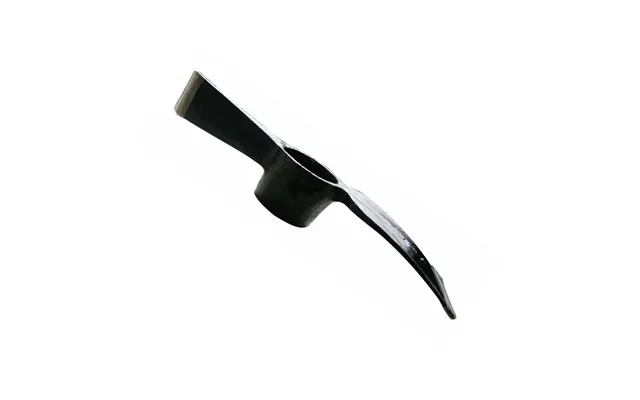
| Spear & Jackson Grubbing Mattock Head - 400mm Carbon Steel | £ 10,49 | |
| Spear & Jackson Grubbing Mattock Head - 400mm Carbon Steel | £ 10,49 | |
| Spear & Jackson Chisel & Point Pick Head - 670mm Carbon Steel | £ 15,05 | |
| Spear & Jackson Chisel & Point Pick Head - 670mm Carbon Steel | £ 15,05 | |
| Beeswift Thinsulate Lined S3 Steel Toe Cap Rigger Boots 1pr Tan 13 Ctf2813 | £ 95,47 |


