All categories
Business & Offices
Electronics & Media
Fashion & Accessories
Groceries & Essentials
Health & Personal Care
Home & Living
Kids & Family
Sports & Outdoors
Search in ZoneOffer

Loading...
If you're about to lay your first course of bricks or you're a seasoned pro refreshing your toolkit, the right brick tools make all the difference. Think of brick tools like a musician's instruments — a good trowel is like a well-tuned violin: it lets you perform with precision and speed. Whether you're tackling a garden wall, repairing a chimney, or building an outdoor BBQ, understanding which masonry tools to buy and why will save time, reduce waste, and produce neater results. This article walks through the essential hand tools, power tools, measuring equipment, and accessories every bricklayer should consider, with practical advice on choosing between budget picks and pro-level gear.
Hand tools are the backbone of any masonry project. They’re inexpensive, durable, and often determine the finish quality of your work. Key items include brick trowels, pointing trowels, jointers, hammers, chisels, and bolsters. These tools let you butter bricks, shape mortar joints, cut and trim bricks, and remove excess mortar. When choosing hand tools, look for comfortable handles, well-balanced blades that don't flex, and rust-resistant steel. A single high-quality trowel can out-perform several cheap ones, especially on longer jobs.
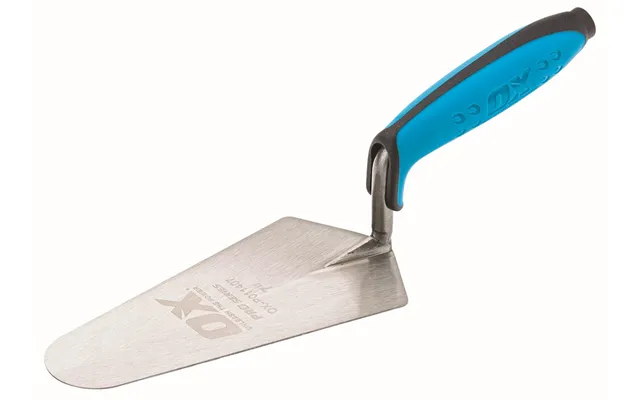
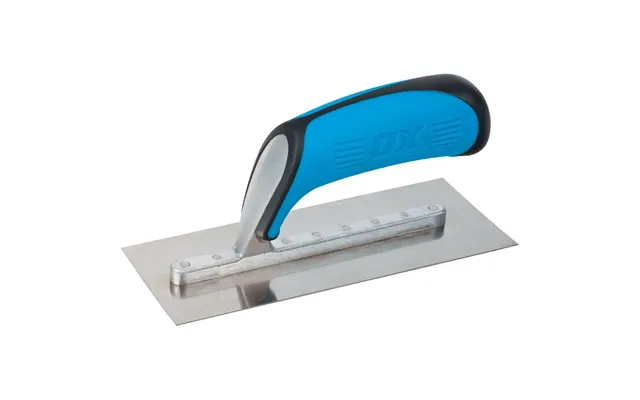
Brick trowels are the most iconic masonry tool. They come in different shapes and lengths, commonly ranging from about 10" to 14" in blade length. A 12" brick trowel is a versatile choice for general work, while a 14" gives extra reach for bigger blocks and faster spreading. Pointed trowels are ideal for corners and tight spots, while square-nosed versions suit block work. Choose a trowel with a comfortable handle — wood or composite — and a blade made of tempered stainless or carbon steel. A well-maintained blade will stay flat and resist rust, helping you lay even beds of mortar with a steady hand.
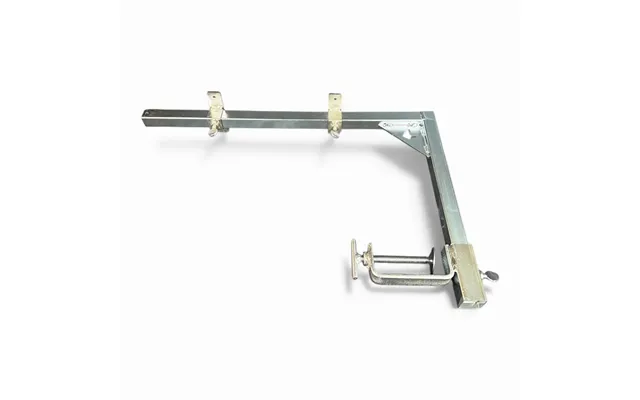
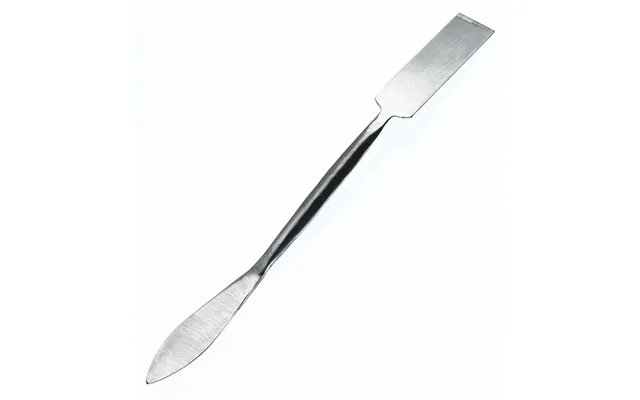
Small trowels like pointing and gauging trowels are the detail artists of bricklaying. Pointing trowels, around 6" to 8" long, are perfect for off-loading excess mortar and finishing joints neatly. Gauging trowels, slightly broader, help mix and transfer small amounts of mortar from the mortar board. These smaller tools are critical for tidy vertical joints and crisp pointing, which can elevate the look of a wall from amateur to professional. Keep at least one quality pointing trowel in your kit for touch-ups and repairs.
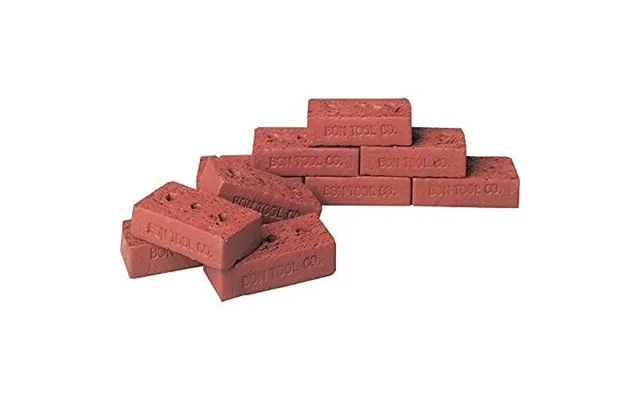
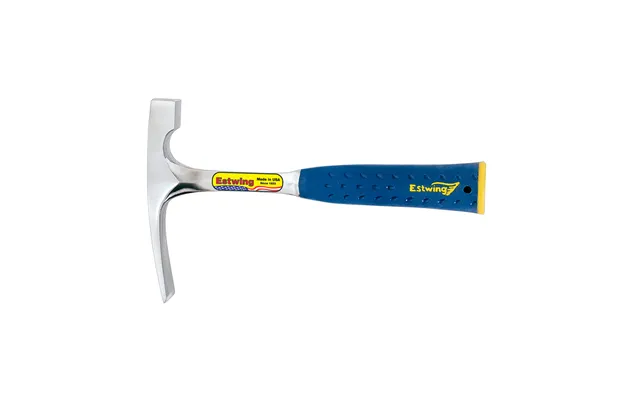
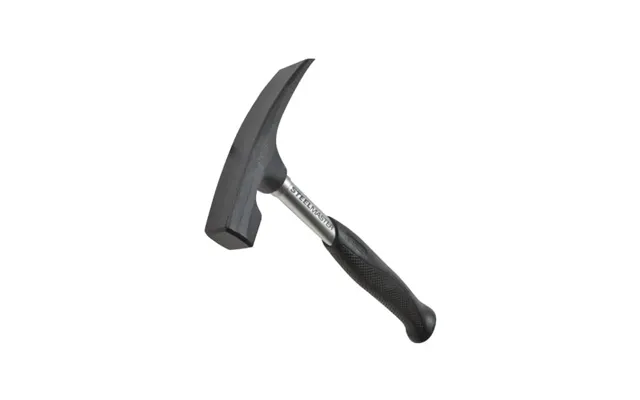
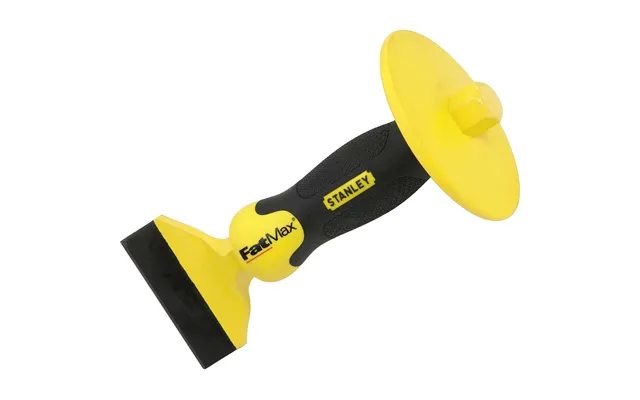
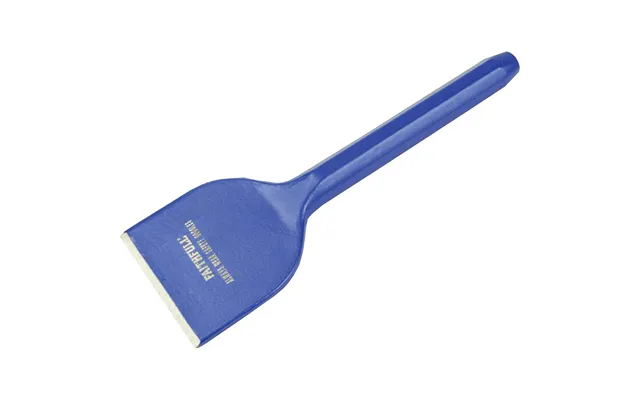
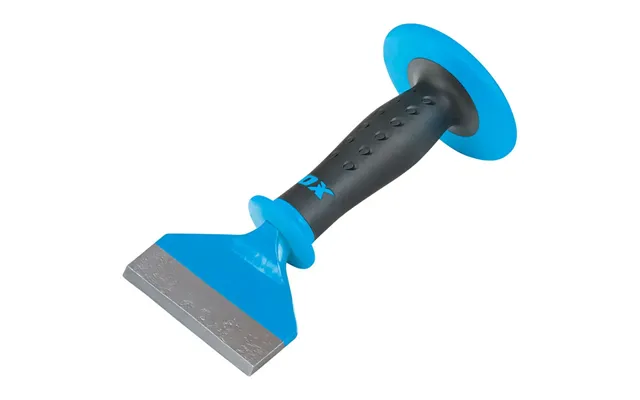
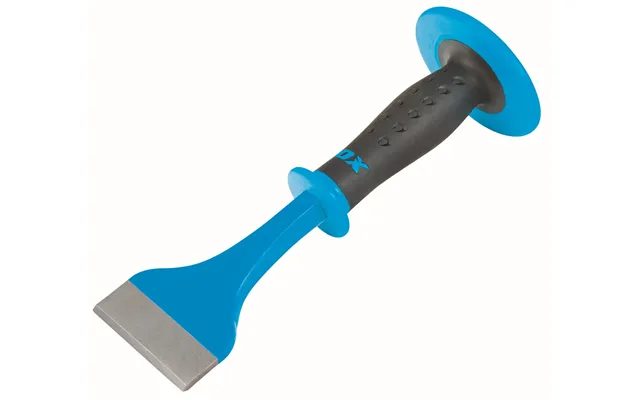
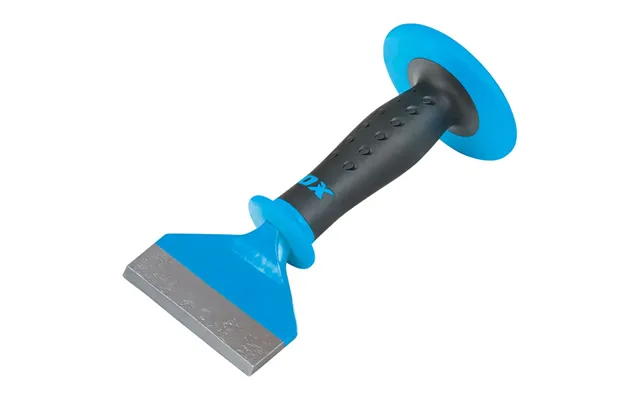
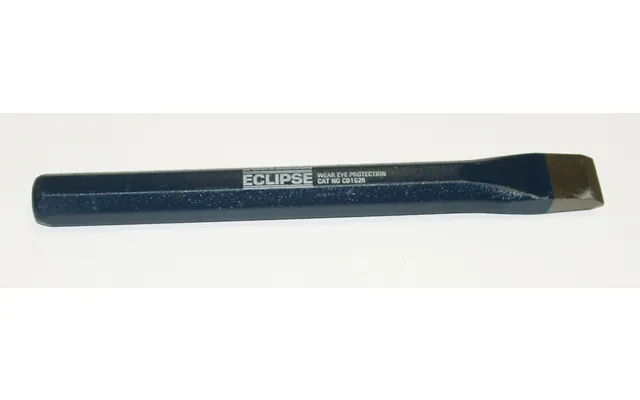
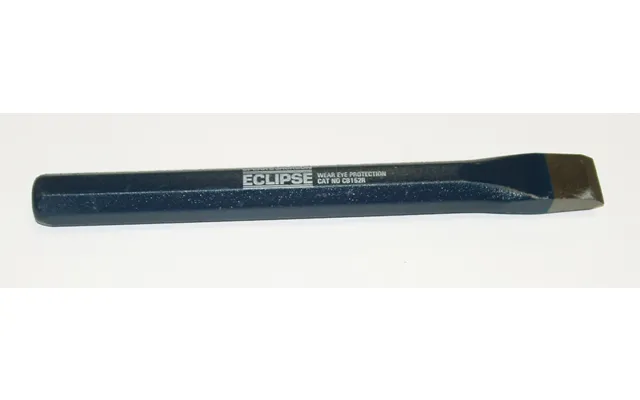
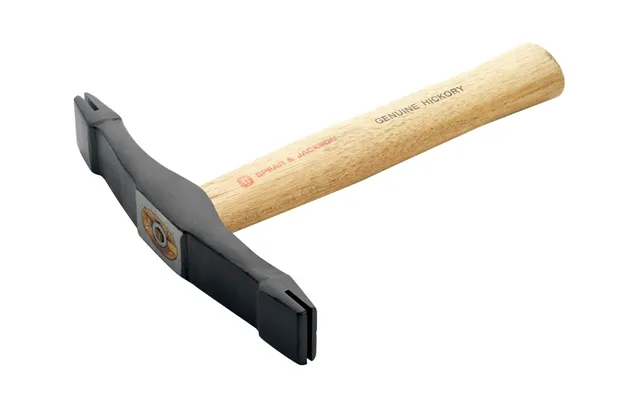
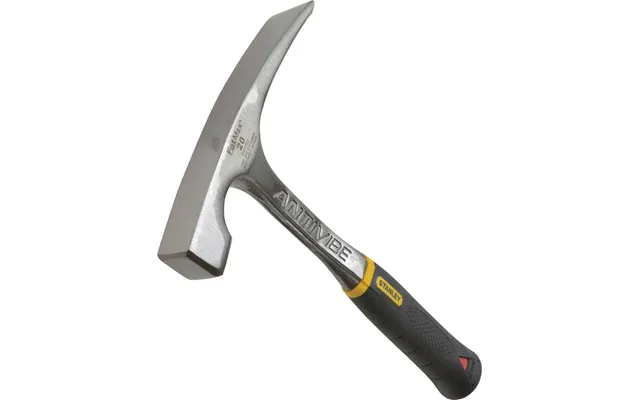
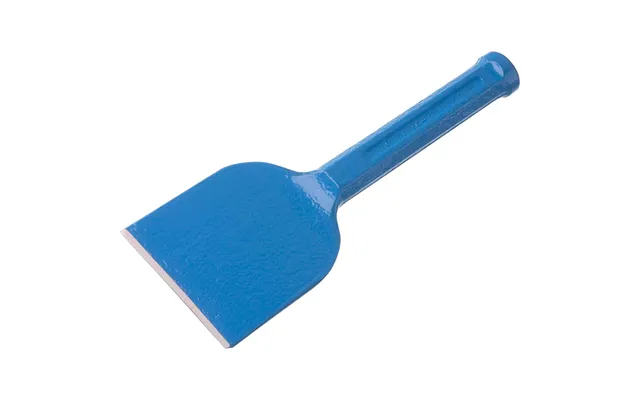
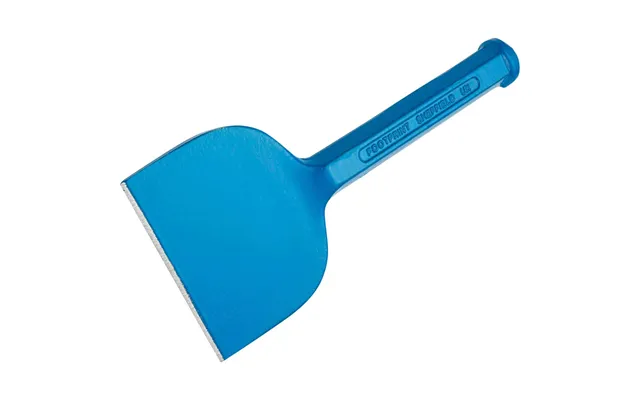
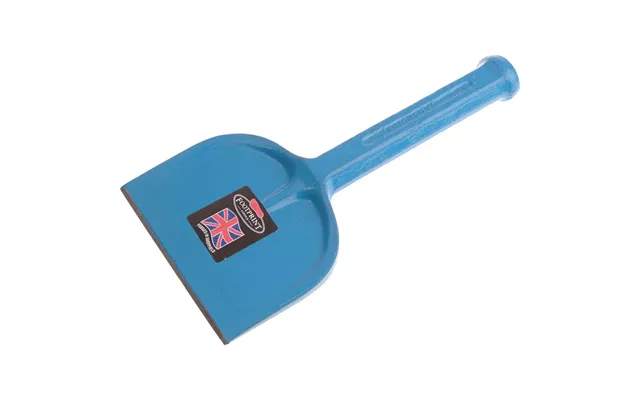
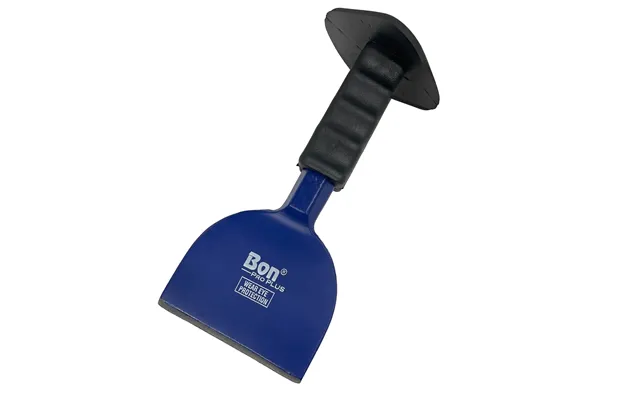
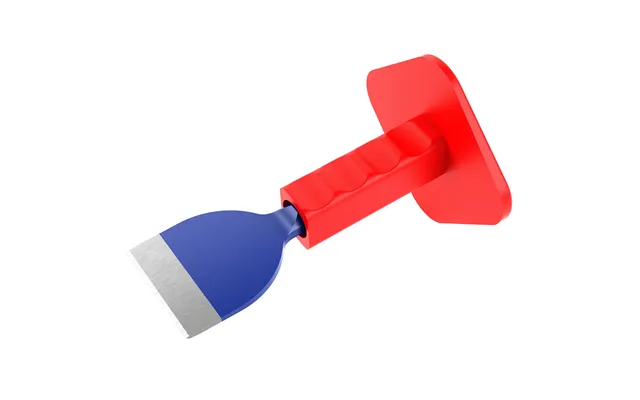
When you need to split or trim bricks, a brick hammer and bolster chisel are indispensable. A brick hammer typically weighs around 1.5 to 2.5 pounds and has a chisel edge on one end for cutting and a square hammer face on the other for tapping. Bolster chisels come in widths from 1" to 6" and are used with a mallet or hammer to score and snap bricks to size. For precision, use a gauging tool or set a straight edge to guide your cuts. Safety tip: always use eye protection and gloves when cutting masonry; flying shards are common.
Accuracy in brickwork comes down to good layout tools. The difference between a straight wall and a wavy one often starts at the measuring stage. Invest in a reliable tape measure, spirit level, mason’s line and pins, and a plumb bob. These tools help you maintain consistent course heights, vertical alignment, and tight corners. For most domestic jobs, a 10' spirit level and a 25' tape measure are practical standard choices.
Traditional spirit levels in 24" or 48" lengths are great for spotting broader irregularities, while a small torpedo level (about 9" long) is handy for tighter spaces. Plumb bobs remain a simple way to establish vertical lines, but modern laser levels can speed up layout and improve consistency across longer runs. A basic cross-line laser with a range of 30 to 50 feet can be a game-changer for aligning brick courses on larger garden walls or house facades.
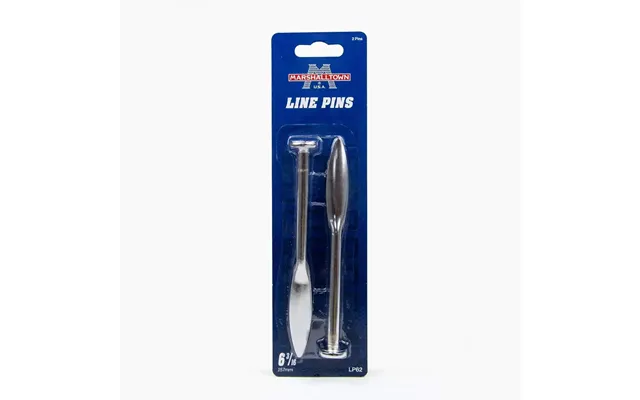
A mason’s line and pins are the unsung heroes of straight walls. The line is usually a strong twine or nylon cord, and the pins or line blocks anchor it to guide the placement of each brick course. Use a taut line for each course and check tension frequently — a sagging line equals sagging bricks. For corners, set up right-angle gauging and use a corner pole to keep the line perfectly true. These simple tools ensure a crisp, uniform appearance that reflects good craftsmanship.
Power tools can dramatically increase productivity and reduce physical strain. If you're doing multiple walls or larger projects, devices like angle grinders, masonry saws, and electric mortar mixers are worth the investment. Choose tools with reliable motors, comfortable grips, and good dust management systems. For safety and speed, pair them with the right accessories — diamond blades for cutting, heavy-duty masks for dust, and sturdy stands for saws.
Angle grinders are versatile for cutting bricks, removing old mortar, and shaping edges. Use a diamond blade designed for masonry for cleaner cuts and longer life. For occasional use, a 4-1/2" grinder is compact and manageable; for larger jobs, a 7" grinder provides more power. Remember to account for depth of cut and always clamp or support your work. Quality blades may cost more up front, but they cut faster and stay true, reducing rework and frustration.
Mixing mortar by hand in a bucket works for small repairs, but a drum or forced-action mixer saves time and delivers consistent mixes for bigger jobs. A mixer with a capacity of around 3 to 5 cubic feet handles most backyard projects without being overly cumbersome. Similarly, a wet saw with a diamond blade can produce cleaner, precise brick cuts with less dust compared to dry cutting. Wet cutting requires a water source and splash management, but the cleaner results often justify the setup when cutting many bricks.
Don't underestimate the importance of small accessories. Joint rakers, mortar boards, hawks, brushes, and buckets all play roles in the day-to-day rhythm of bricklaying. Consumables like mortar mixes, sealants, and replacement blades also add up, so choose items that offer good value without compromising quality. A few high-wear parts such as trowel handles and jointer blades are worth stocking spare, especially on long jobs.
A decent mortar board or hawk keeps your mortar at hand and your workflow steady. Mortar boards are often round or square workable sizes — around 18" to 24" across is typical for a single bricklayer. Hawks, which are handheld, are great for mobility when working on scaffolding. Use galvanized or heavy-duty plastic buckets for mixing smaller amounts. Keep multiple buckets to separate clean water from slurry — it saves time and prevents contaminated mixes.
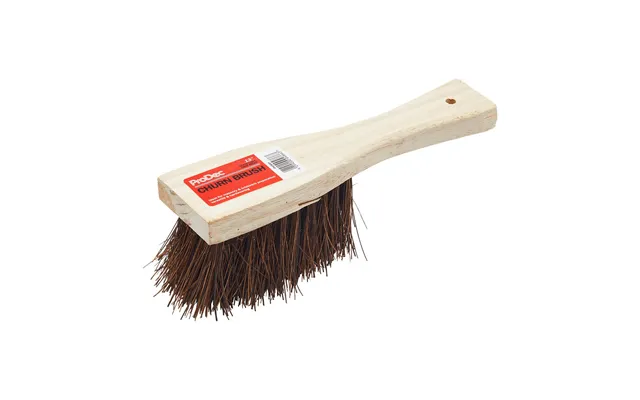
Jointers give joints that finished look, and they come in various diameters usually ranging from 1/4" to 3/4". Choose a jointer shape that matches your joint style — concave joints are popular for weather resistance and neat appearance. Stiff masonry brushes help remove loose mortar and debris before pointing. For narrow repair work, tuck pointers and narrow joint tools allow you to work with precision in tight areas.
Brand matters for some tools more than others. For hand tools, established names in masonry equipment often deliver robust steel and durable handles. For power tools, brands with good service networks and parts availability are worth the premium. Instead of buying blind, use comparison sites and customer reviews to check specs, warranty coverage, and prices across retailers. Compare factors like blade compatibility, motor power measured in amps or horsepower, and physical dimensions to ensure the tool fits your intended use.
A well-cared-for toolkit lasts decades. After each job, clean mortar from blades with water before it sets and oil metal surfaces to prevent rust. Sharpen chisels and replace worn blades promptly — a dull blade slows you down and increases risk. For power tools, follow manufacturer maintenance schedules: change brushes, clean air vents, and store tools in dry, moderate-temperature locations. Small routines save you money and downtime in the long run.
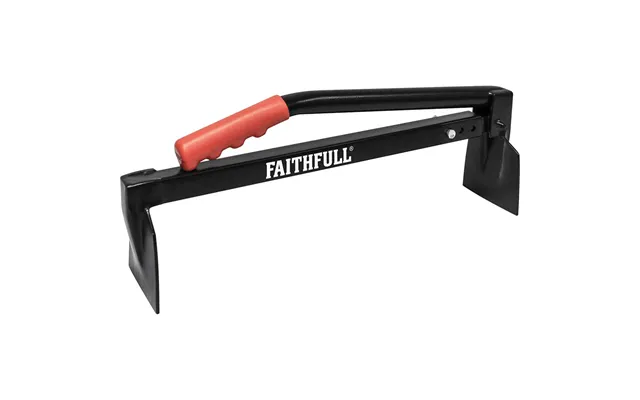
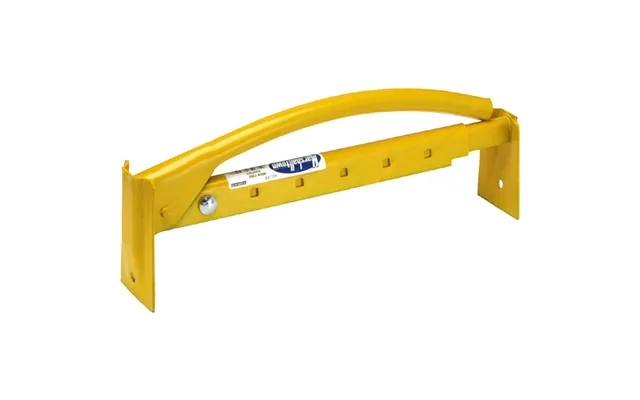
Brickwork involves dust, heavy materials, and sharp tools — safety gear is non-negotiable. Use safety glasses or goggles, a high-quality dust mask or respirator (especially when cutting), sturdy gloves, and knee pads for extended time on lower courses. When lifting, use correct body mechanics and consider a brick carrier or trolley to reduce strain. Scaffolding should be stable and inspected regularly; never compromise on fall protection. A little caution prevents big problems.
If you're building a starter kit, prioritize a good 12" brick trowel, a durable pointing trowel, a 24" spirit level, a 25' tape, a brick hammer, and a basic mason’s line. These give you the fundamentals for most DIY and small contractor jobs. If you plan to do frequent or large projects, upgrade to a high-quality grinder, a mixer with a 3 to 5 cu ft capacity, and a laser level. To balance cost and performance, mix one or two premium pieces (trowel and level) with budget-friendly accessories that you can replace as wear demands.
Sustainability is increasingly relevant in construction. Reuse leftover bricks where possible, choose mortars with lower cement content for certain repairs, and opt for tools with replaceable parts rather than disposable designs. Electric mixers and saws produce emissions at the cord, but still reduce time and waste compared to inefficient hand mixing and cutting. When buying new, consider tools with longer warranties and accessible spare parts as a small step toward more sustainable practice.
Before you order or head to the store, make a checklist: trowel sizes (10" to 14"), pointing trowel (6"–8"), spirit level length (24" or 48"), tape (25'), mason’s line and pins, brick hammer (1.5–2.5 lb), bolster chisel widths, jointers for preferred joint size (1/4"–3/4"), a 3–5 cu ft mixer if needed, angle grinder size (4-1/2" or 7") with diamond blades, and PPE (glasses, dust mask, gloves, knee pads). This simple plan helps keep costs predictable and ensures you have what you need when the mortar is ready.
Picking the right brick tools is part art, part science. Invest in quality for the tools you use all day — trowels, levels, and grinders — and balance accessories with cost-effective choices that are easy to replace. With the right gear in hand, you’ll chop project time, reduce wasted materials, and enjoy the satisfaction of a straight, clean wall. Whether you’re fixing a small patch or building a full boundary wall, a thoughtful toolkit and good technique will pay dividends in the form of durability and pride in your work.
| Brick Tools | Price | |
|---|---|---|
| Eclipse 22639r 9 × 3 Guarded Brick Cutting Chisel | £ 3,81 | |
| Faithfull Faibb3 75mm Brick Bolster | £ 4,88 | |
| Xtrade X0900259 Brick Bolster 75mm | £ 6,94 | |
| Xtrade X0900169 3.5lb Diamond Splitting Wedge | £ 9,40 | |
| Xtrade X0900138 Aluminium Hawk 12 | £ 10,49 | |
| Eclipse 22649r 9 × 4 Guarded Brick Cutting Chisel | £ 11,71 | |
| Xtrade X0900144 Bricklaying & Plastering Set | £ 11,73 | |
| Stanley 418327 Fatmax Brick Bolster Chisel 75mm With Guard | £ 14,88 | |
| Faithfull Faibl Brick Lifter | £ 19,09 | |
| Ck Bolster Chisels Display | £ 215,52 |