All categories
Business & Offices
Electronics & Media
Fashion & Accessories
Groceries & Essentials
Health & Personal Care
Home & Living
Kids & Family
Sports & Outdoors
Search in ZoneOffer
Loading...
If you've ever mixed concrete by hand, you know it can feel like trying to stir a bathtub of gravel with a spoon. A reliable cement mixer turns that tedious chore into a predictable, faster process and saves your back. Whether you’re patching a driveway, laying a patio, or tackling a foundation, the right mixer affects mix consistency, waste, and how quickly you finish. Think of a good mixer as a kitchen appliance for builders — it streamlines work, keeps ingredients uniform, and delivers the same result every time.
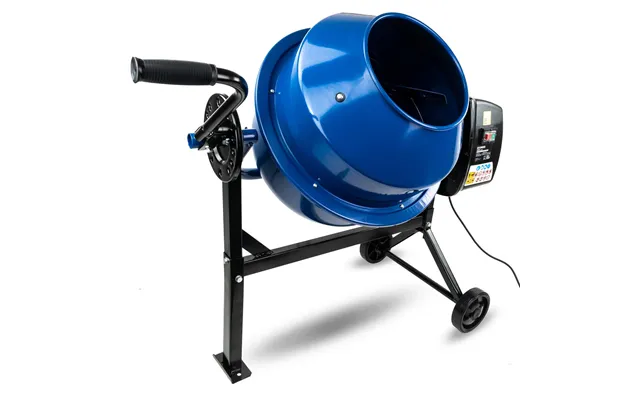
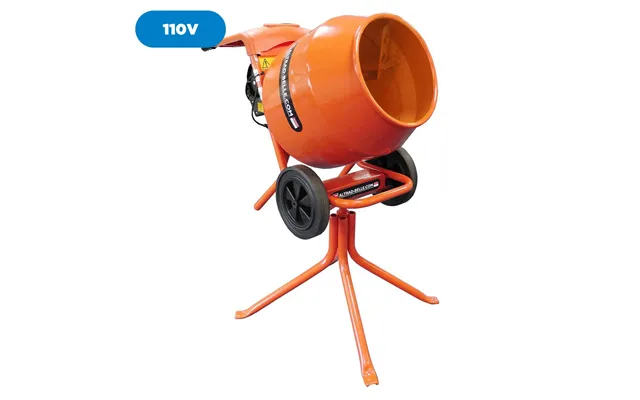
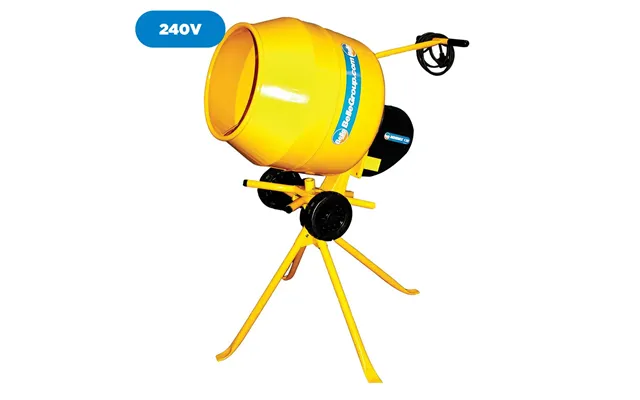
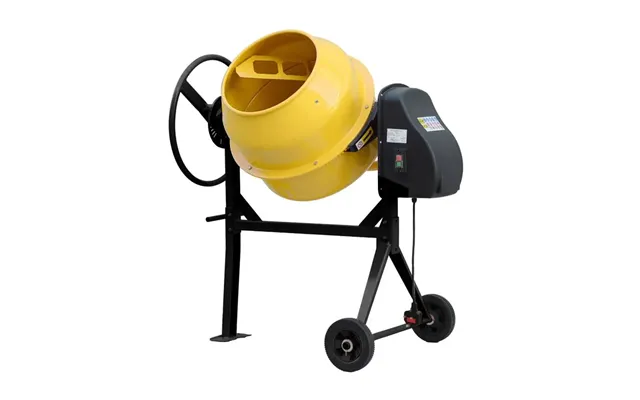
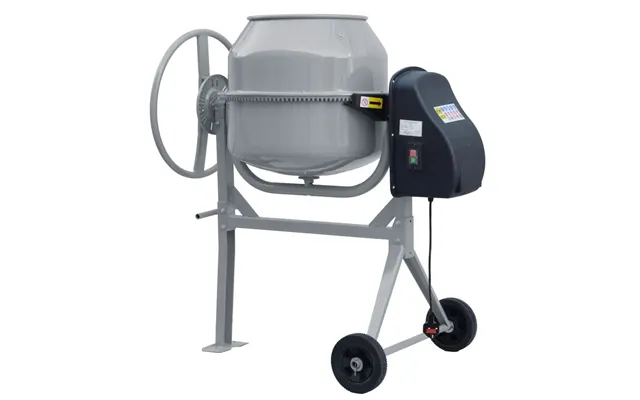
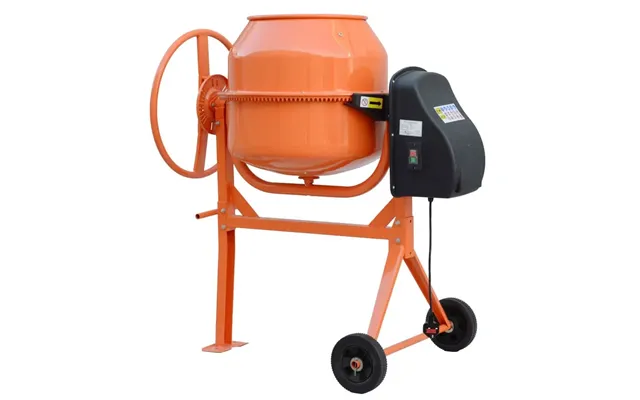
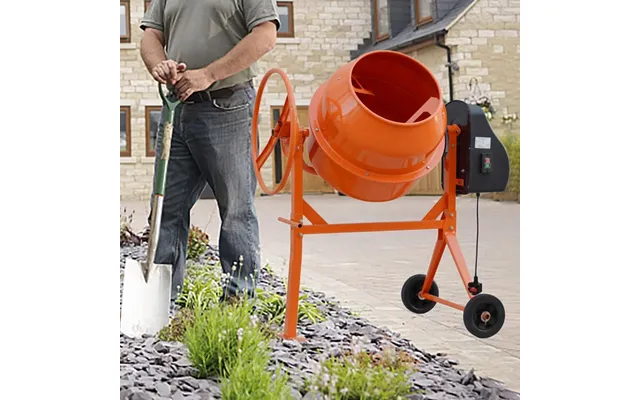
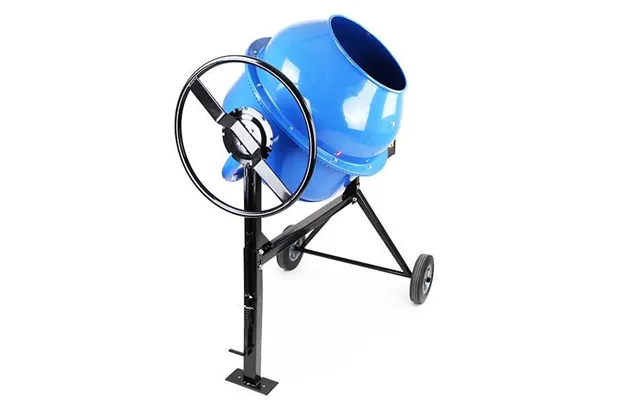
Portable drum mixers are worksite favorites for small to medium jobs. They feature a rotating drum that mixes the cement, sand, and aggregate with a set of blades inside. These units usually come on a small frame with wheels, so you can move them around a yard or site. Capacity commonly ranges from small tubs for light jobs up to larger drums holding several cubic feet. If you need a balance between portability and output, a portable drum mixer is a go-to choice.
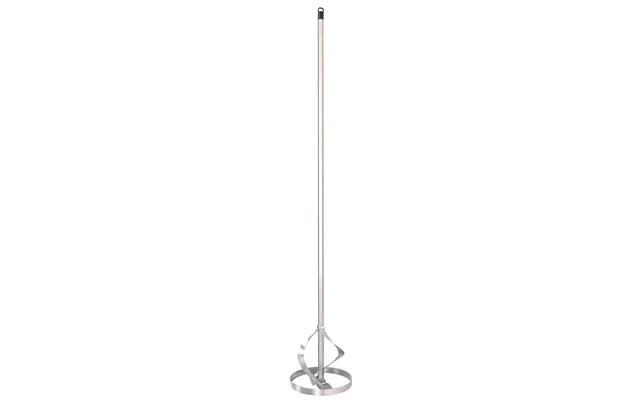
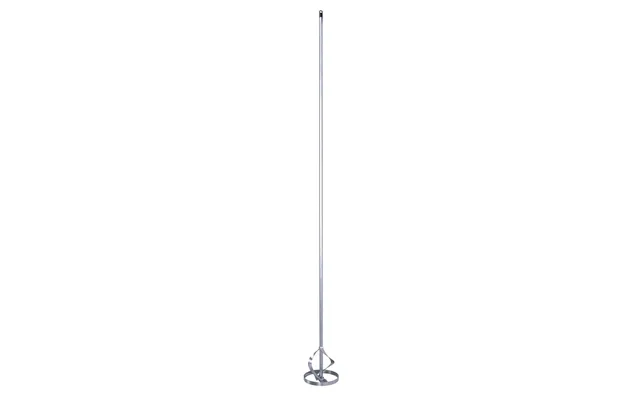
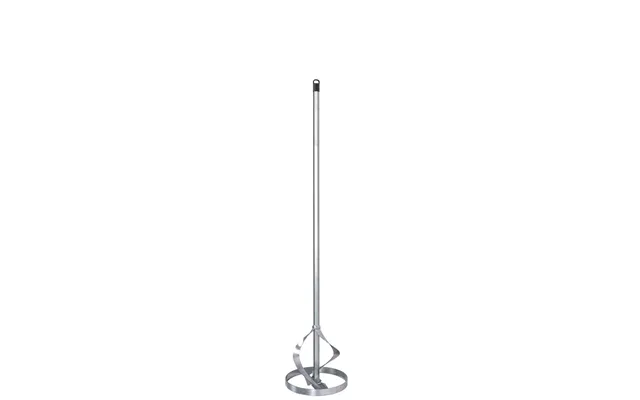
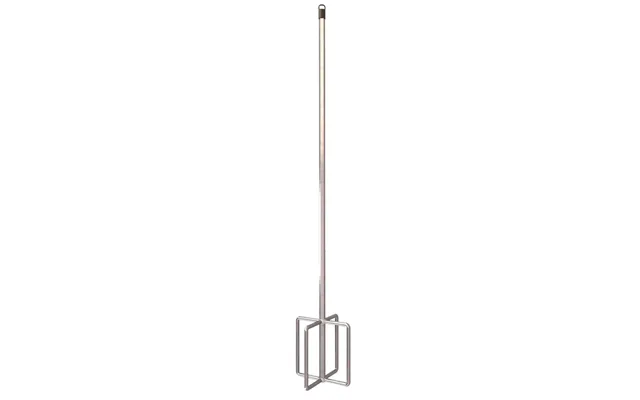
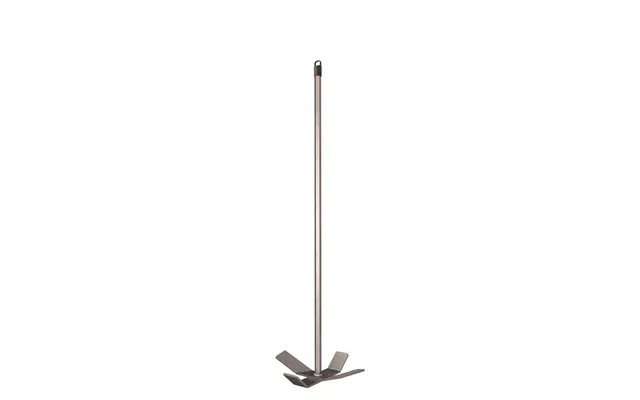
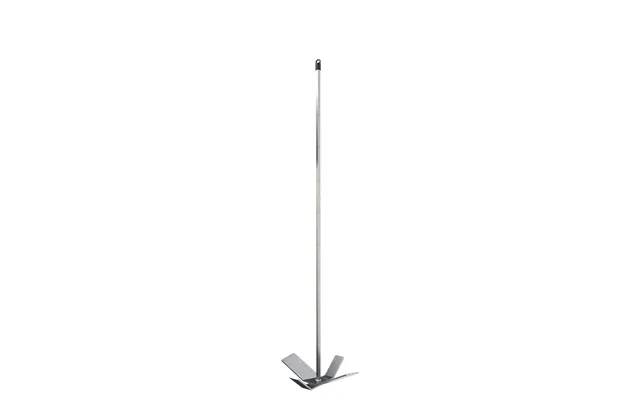
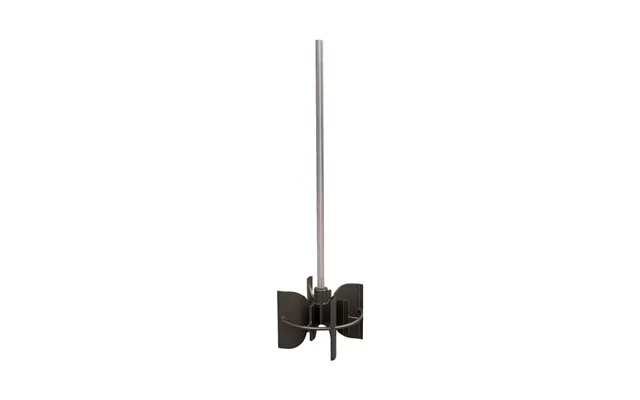
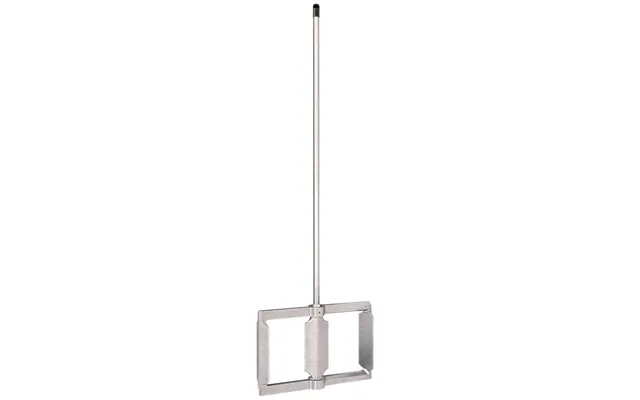
Paddle mixers use one or two paddles instead of a rotating drum to blend materials in a trough or bucket. They excel at mortar, render, and thinset, where a more aggressive mixing action is an advantage. Paddle mixers are lighter than big drum units and often plug into a standard outlet. For bricklaying, patching, or plastering, a paddle mixer is usually faster and produces less voiding in the mix.
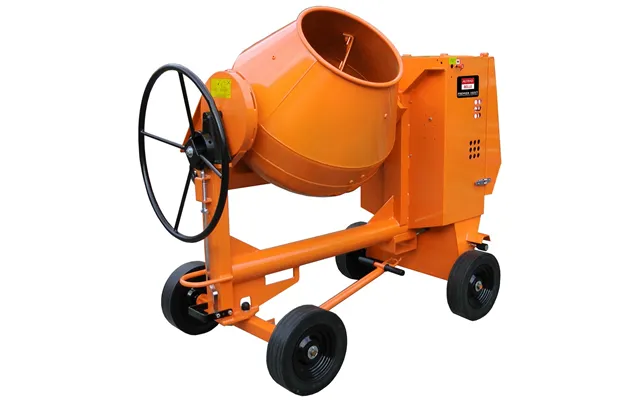
Large-scale or remote jobs often require towable petrol mixers. These models come with a fuel-powered engine and a big drum that can be towed behind a truck or van. They handle several cubic feet of concrete per load and are ideal when electricity is unavailable. They’re heavier and require more maintenance, but their on-demand output and mobility make them indispensable for big landscaping or construction projects.
For small jobs, workshops, or indoor use, a stand or bench mixer may be the simplest option. These compact machines are stable, easy to control, and usually electric. While they don’t have the capacity of portable drums, they’re great for mixing batches of mortar, grout, or small concrete patches where consistency and a tidy workspace matter.
Capacity is the first number you’ll see when shopping. It’s typically quoted in cubic feet. Smaller mixers around 3 to 4 cubic feet suit garden projects and small repairs, while 7 to 12 cubic feet models handle larger slabs or driveways. Remember: drum capacity is not the same as usable output — a drum labeled 9 cubic feet might only produce about 6 cubic feet of mixed concrete because the blades and empty space reduce usable volume. Match capacity to the size of your job and how many batches you’re willing to mix.
Electric mixers are quieter, cleaner, and cost less to run. If you have mains power close to the work area, an electric model eliminates fuel maintenance and fumes. Petrol mixers win when you need to work off-grid or require higher power for heavy loads. Petrol units are louder and heavier, and they need regular oil and fuel checks, but their portability and raw power are hard to beat for larger jobs.
Think about how you’ll move the mixer. Smaller drum and paddle models often have built-in wheels and a handle for easy shifting. Towable mixers require a vehicle with a tow hitch. If your site has stairs, tight gates, or fragile lawns, check overall weight in pounds and whether the mixer disassembles or tips for transport. A compact unit that fits through a gate can save hours of hauling material by hand.
Keep an eye on drum thickness, gear protection, and frame construction. Thicker drums and sealed gears resist wear from abrasive mixes and extend service life. Look for corrosion-resistant coatings or hard-wearing paint, especially if you’ll be using the machine frequently. The drum’s tilt mechanism should be smooth and lock securely — you want predictable discharge without surprises when tipping the load.
Drum speed affects how quickly and thoroughly ingredients combine. A slower speed can produce a dense, uniform mix without throwing material out when tipping, while higher speeds reduce batch times. Some mixers offer variable speed or gearbox-driven drums for more control. Consider the kind of mixes you’ll use: lean, heavy aggregates need robust, steady mixing action.
Concrete hardens fast, so easy cleaning is priceless. Look for drums with rounded interiors and removable paddles or plates that allow you to rinse before the mix sets. Quick-release mechanisms, accessible grease points, and a readily serviced gearbox save downtime. A little routine maintenance — greasing pivot points, checking belts or gears, and rinsing the drum after each use — dramatically extends the mixer’s life.
Safety matters on any site. Guards over moving parts, stable stands, and secure lock mechanisms reduce the risk of accidents. Some models include emergency stop switches or covers for electrical connections to keep water out. Wear the right PPE — gloves, eye protection, and sturdy boots — and handle cement bags carefully; dry cement can irritate skin. Prioritize machines with clear safety instructions and visible controls.
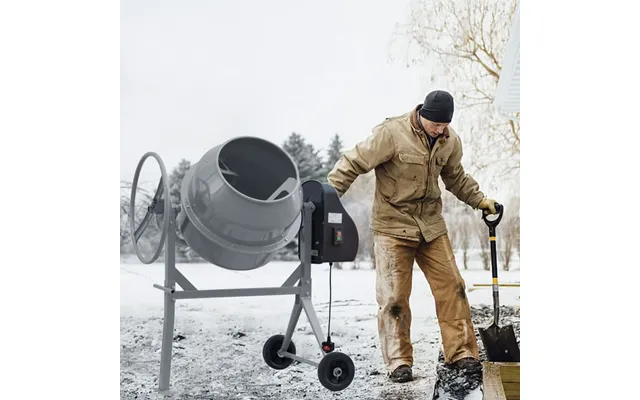
For a garden path, small patio, or shed base, a 3 to 5 cubic foot electric drum mixer or a paddle mixer is usually perfect. These allow you to mix consistent batches close to the work area without needing a tow vehicle. They’re light enough to move and provide enough concrete for moderate pours without excessive waste.
When you’re tackling a driveway or larger patio, step up to a 7 to 12 cubic foot drum mixer or a towable petrol model. Bigger drums reduce the number of batches, which helps maintain consistent mixes across the entire pour. For long stretches of brickwork or block laying, a paddle mixer keeps mortar consistent and cuts refilling trips.
On remote jobs or where large volumes are required, towable petrol mixers or even mobile concrete plants offer the continuous output you need. These units minimize downtime and keep the project moving when power is unavailable. They demand more fuel, attention, and space, but the productivity gains are significant for big jobs.
Prices vary widely based on capacity, power source, and features. Small electric paddle mixers are typically the most affordable, offering good value for homeowners. Mid-range drum mixers that balance capacity and portability fall into a middle price tier, while towable petrol units are the most expensive due to their size and engine power. Factor in accessories like wheelbarrows, chutes, and extra paddles when setting your budget — sometimes a useful attachment saves hours of labor and ends up cheaper than extra time on the job.
Not every project needs ownership. If you only need a mixer for a single weekend, renting a large drum or towable unit can be more cost-effective. But if you plan ongoing renovations, frequent masonry work, or multiple small jobs over a season, buying pays off. Consider storage, maintenance, and how often you’ll use the machine. A reliable owned mixer becomes a trusted tool in your workshop, the kind that saves money over multiple projects.
Keep your mixer working smoothly with a few simple habits: rinse the drum after each use before the concrete sets, lubricate pivot points at regular intervals, check belts and gears, and inspect electrical cords or spark plugs depending on the power source. Replace worn paddles and keep the chassis free of hardened concrete. A quick daily inspection prevents small faults from becoming job-stopping failures.
Accessories like chutes for precise discharge, stand extensions for better height, and reinforced wheels for rough terrain make a big difference. Consider a hopper if you mix very dry mortar blends, or a cover to keep rain out when storing outdoors. Some users add a drip tray or catchment to keep work areas tidy and cut cleanup time. Choose accessories that match your common jobs rather than buying every add-on available.
Not all mixes behave the same. For slabs and footings, use a standard concrete mix — usually a ratio you can remember as 1 part cement : 2 parts sand : 3 parts aggregate (by volume). For mortar used in brickwork, use a softer blend with more sand for workability. Always refer to the product guidance for water amounts and adjust by feel: the mix should be workable but not soupy. Using consistent proportions across batches helps avoid weak spots or color variations in the finished surface.
When shopping, test how the drum tilts and locks, verify wheel and handle comfort, and ask about spare part availability. Read reviews that mention long-term durability and service after the sale. If possible, see the mixer in action or ask for a demonstration. A model that feels solid and easy to control on day one will save frustration down the road. Match capacity to your typical project size and choose a power type that fits your site conditions — mains electricity for regular home use, petrol for remote or heavy-duty tasks.
Choosing the right cement mixer boils down to matching capacity, power, and portability to the work you do. For homeowners and DIYers, a small electric drum or paddle mixer often covers all common needs. For contractors, towable petrol or larger drum mixers deliver the output and durability required on site. Whatever you pick, prioritize ease of cleaning, solid construction, and a sensible match between batch size and your project. With the right machine, a job that once felt like a slog becomes manageable — even satisfying.
Conclusion: A cement mixer is an investment that pays back in time saved, better-quality mixes, and less physical strain. Choose based on the scale of your projects, whether you have access to power, and how mobile the machine needs to be. With solid maintenance and sensible accessories, a good mixer will be a reliable partner for years of masonry, concreting, and landscaping work.

| £ 359,94 |