All categories
Business & Offices
Electronics & Media
Fashion & Accessories
Groceries & Essentials
Health & Personal Care
Home & Living
Kids & Family
Sports & Outdoors
Search in ZoneOffer

Loading...
Nippers are the unsung heroes in any toolbox — lightweight, nimble, and capable of solving a surprising number of cutting problems. Whether you're snipping PCB leads, trimming jewelry wire, or taking care of a quick garden snip, the right pair of nippers can save time, reduce frustration, and give you cleaner results. Think of nippers as a precision scalpel for your workshop: tiny adjustments in angle or pressure can turn a rough job into something that looks like it was done by a pro.
Not all nippers are created equal. There are flush cutters, diagonal cutters, end nippers, and garden nippers, among others. Each type is designed with a specific cutting profile and purpose in mind, so it's worth matching the tool to the task instead of using brute force with the first cutter you find. Below I walk through the most common types and what they excel at.
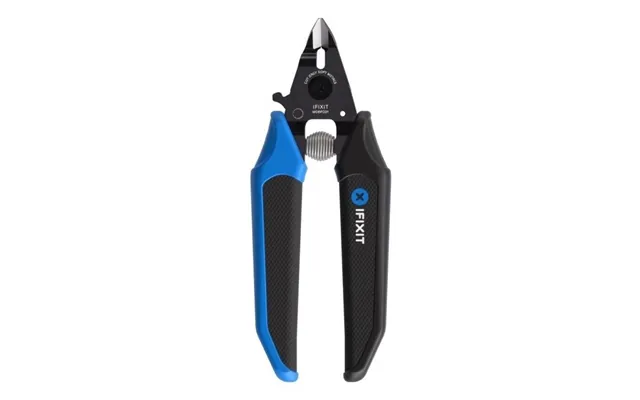
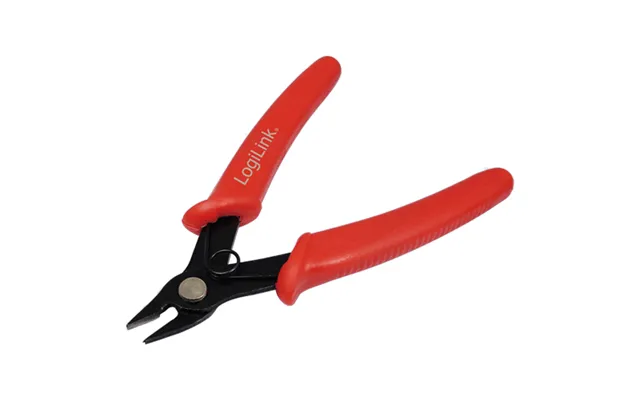
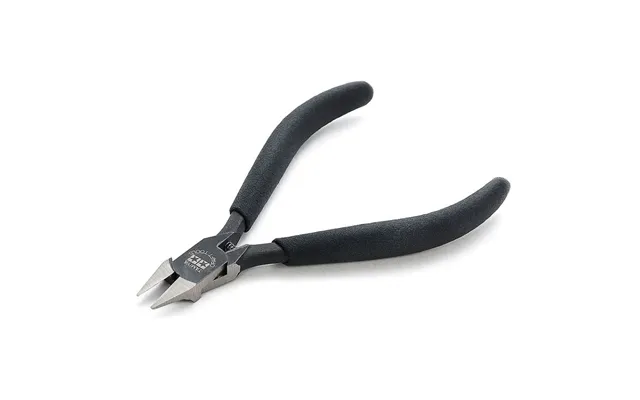
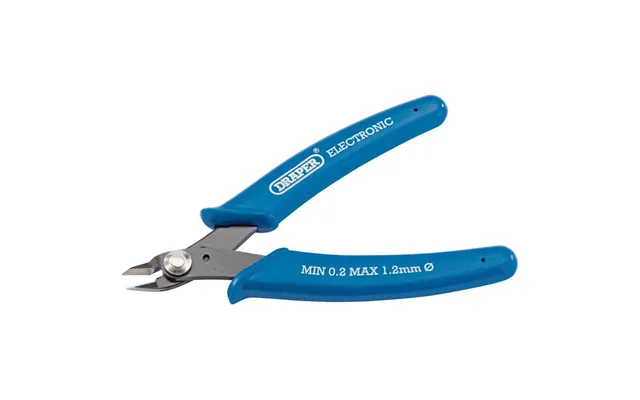
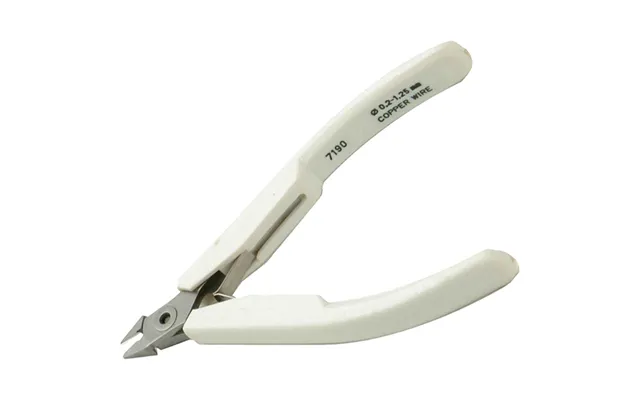
Flush cutters are designed to make cuts that leave a nearly flat finish, ideal for electronics work where protruding leads must be avoided. They usually have a short, sharp jaw that meets perfectly to produce a clean snip right up against the surface. If you solder components on a board and hate tidy-up time, flush cutters are your best friend.
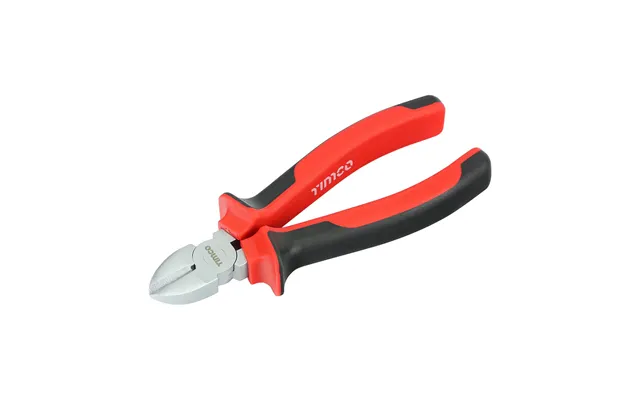
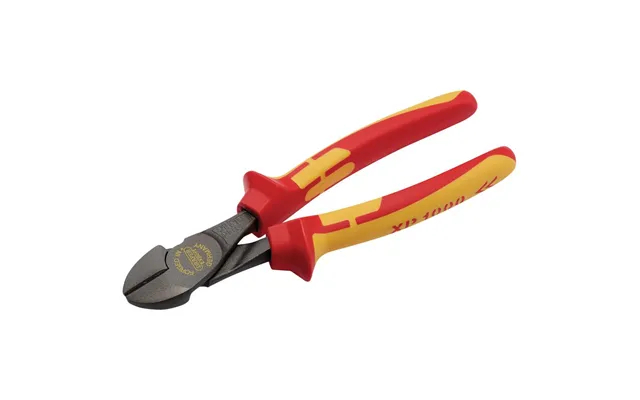
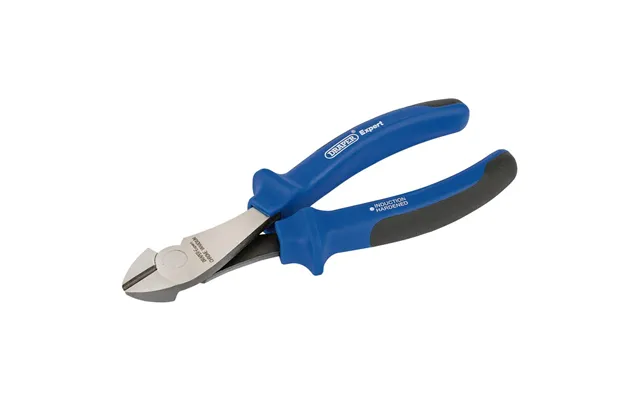
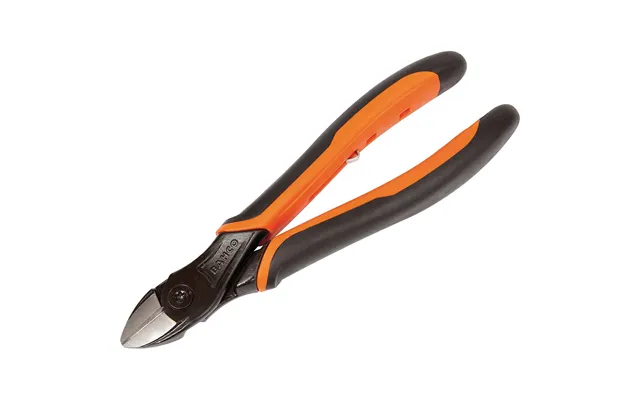
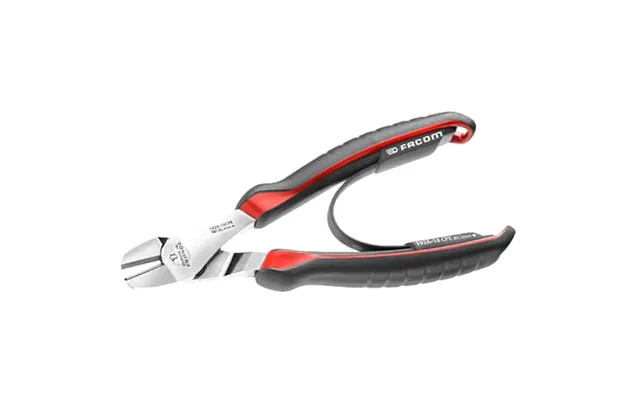
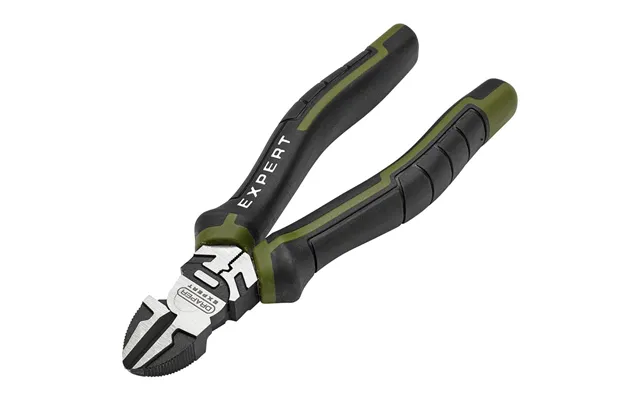
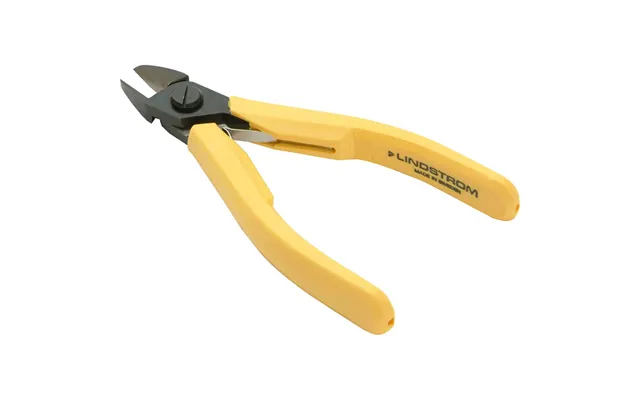
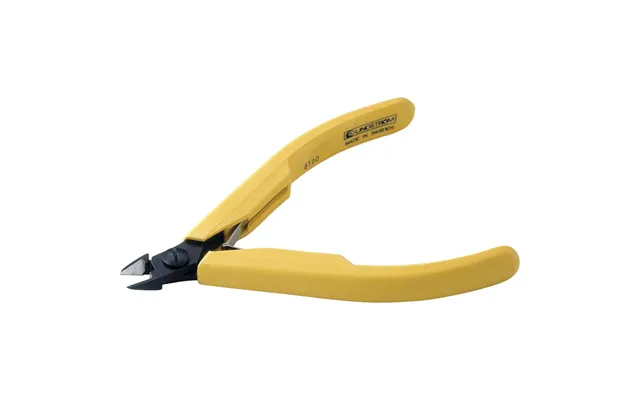
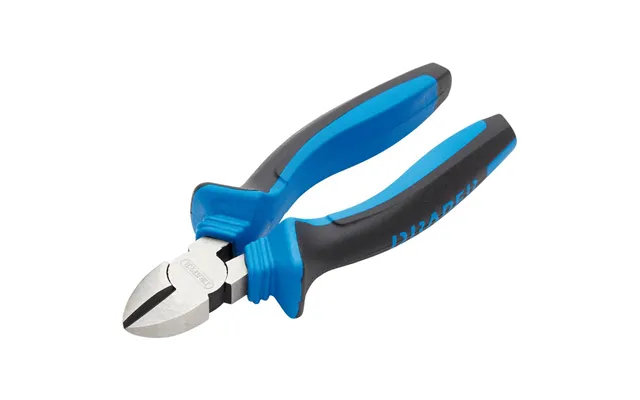
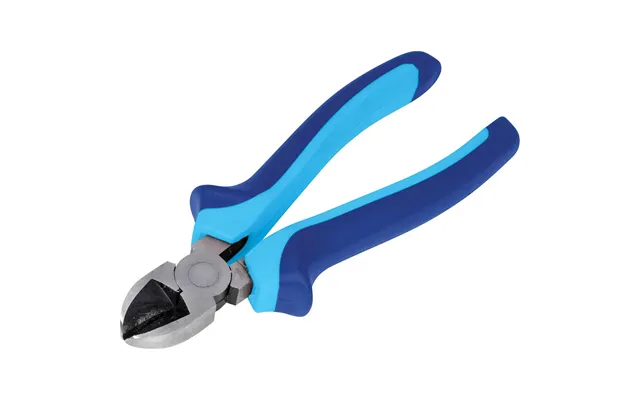
Diagonal cutters, often called "diags," have angled cutting blades that make it easier to cut wire in tight spots or at awkward angles. They don't always leave a perfectly flat surface like flush cutters, but they are more versatile for larger wire gauges and general-purpose cutting around the workshop.
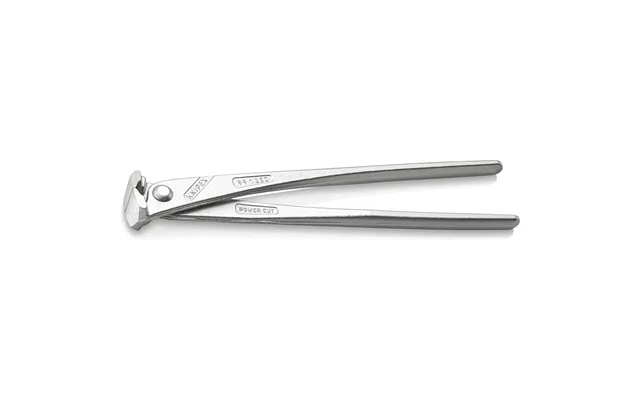
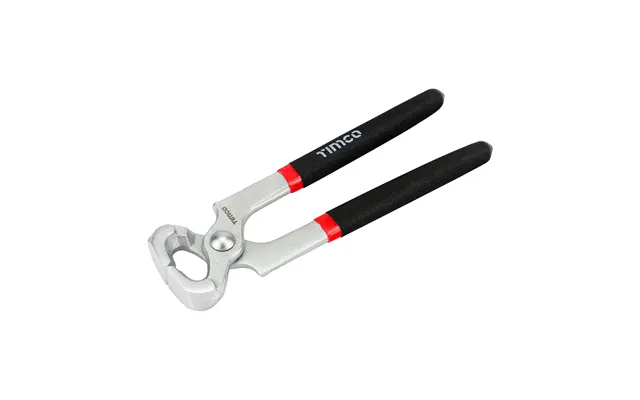
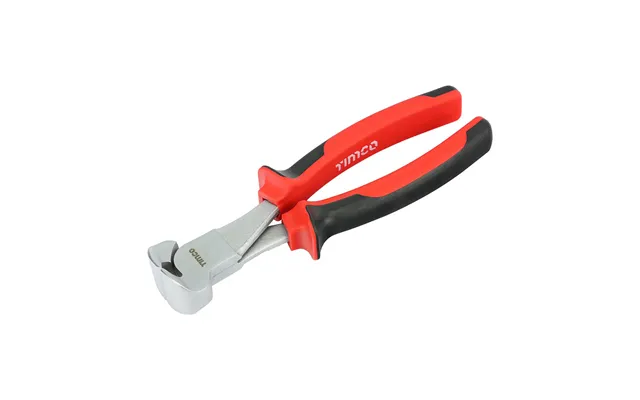
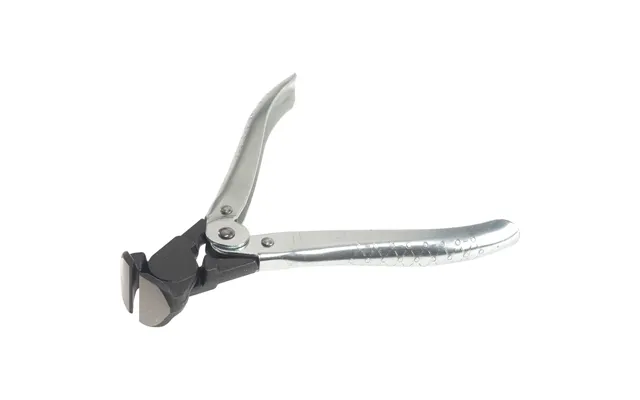
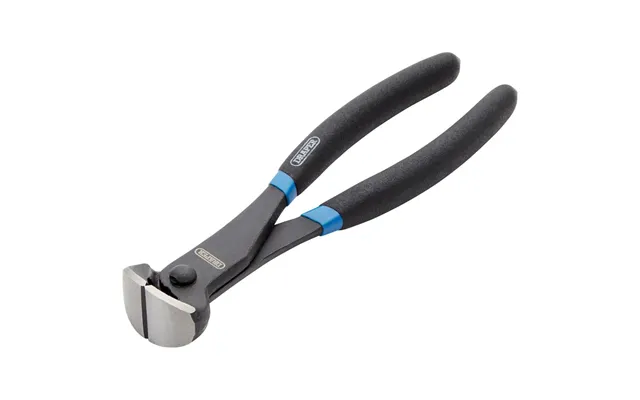
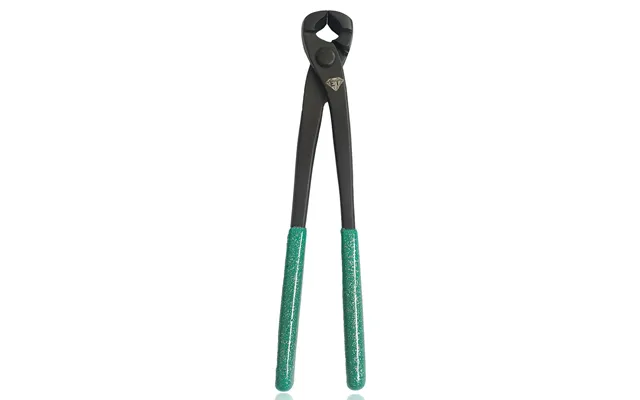
End nippers are built for pulling and cutting near surfaces with their broad, flat jaws. They're great for trimming nails, pulling staples, or removing nails from wood where you need leverage rather than finesse. Picture them as the heavy lifters of the nipper family — not delicate, but indispensable for tough jobs.
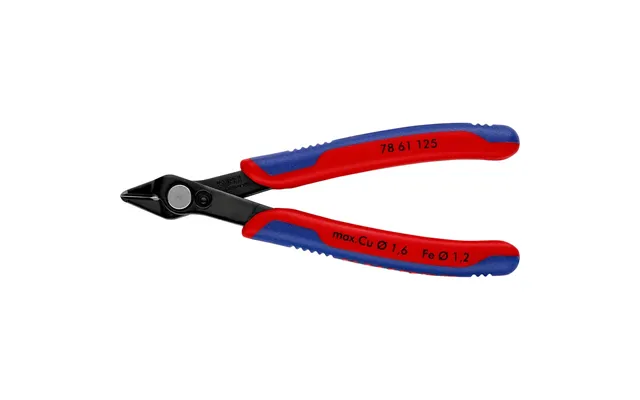
Precision nippers for electronics are typically ESD-safe, compact, and feather-light so you can make dozens of neat cuts without hand fatigue. They often have angled or top-cutter profiles to clear bodies or to snip flush with boards. If you build or repair small electronics, investing in a high-quality electronics nipper will pay off in speed and reduced rework.
Yes, nippers exist for plants too. Garden nippers or pruning nippers are designed to cut stems and small branches without crushing tissue, helping plants heal faster. These models prioritize leverage and ergonomic grips over razor-sharp, delicate edges and are a must-have for gardeners who do more than a casual clipping now and then.
The CK Sensoplus ESD Top Cutter Full Flush is a compact, top-cutting flush tool that's roughly 4.92 inches long, built specifically for electronics work. Its ESD-safe construction protects sensitive circuits from electrostatic discharge, while the full-flush cutting action leaves component leads neat and low-profile. The "top cutter" design means the cutting action happens from above, allowing for easier access in crowded assemblies. If you’re trimming surface-mount or through-hole leads and want professional-level finish every time, a tool like this is designed for that exact job.
Choosing the right nippers comes down to a few key factors: blade geometry, material, handle comfort, and any industry-specific features like ESD safety. Think of buying nippers like buying a pair of running shoes — fit, function, and the activity you'll use them for matter most. Below are the attributes worth considering closely before clicking “add to cart.”
Look for hardened, high-carbon steel or tool-grade alloys in the cutting edges — these hold an edge longer and resist chipping. Some high-end nippers are induction-hardened at the cutting tips for extra durability. A dull blade is worse than no blade at all, so prioritize edge materials that match the wire or material hardness you’ll tackle most often.
Comfortable grips and good leverage reduce hand strain during repetitive work. Soft, non-slip coatings, spring returns, and the right handle length can make a large difference when you’re doing dozens of cuts in a row. Think about hand size and whether you wear gloves — oversized handles may feel clumsy, while too-small grips will fatigue your hands faster.
If you work with electronics, ESD-safe nippers are a must. These tools are designed to prevent electrostatic buildup and provide a grounded path for static charges, protecting sensitive chips and components. ESD-rated grips and metal finishes are common on electronics nippers — if you're assembling or repairing boards, don’t skip this feature.
There's no one-size-fits-all nipper. Below I break down the best choices by common jobs so you can pick a tool that matches the most frequent tasks in your shop or home.
For precise board work choose a small, full-flush top cutter in the 4½ to 5 inch range for excellent access and control. Look for ESD-safe coatings and finely honed edges to leave clean lead cuts. A compact length helps you maneuver around tall components and get flush to the board without bending or crushing leads.
Jewelry and scale modeling demand incredibly precise, burr-free cuts. Tiny diagonal or flush cutters with ultra-fine tips are ideal — the shorter jaw length reduces the chance of damage to delicate pieces. Lightweight handles with responsive springs help you control the cut without marring precious materials.
For tougher jobs like cutting thicker steel wire or nails, lean on larger diagonal cutters or end nippers between 7 and 9 inches. These tools trade the razor-fine finish of electronics nippers for raw cutting power and leverage. If you’re prying, pulling, or cutting hard materials regularly, pick a robust tool with strong jaws and a long handle for leverage.
Even the best nippers won’t last if you toss them in a drawer and expect miracle performance forever. A little maintenance goes a long way — clean them, protect the edges, and store them correctly. Consider it like taking care of a kitchen knife: treat it well and it will reward you with consistent, reliable cuts.
Wipe blades clean after each use to remove residue, flux, or plant sap. A drop of light oil on the pivot keeps movement smooth and prevents rust, particularly if you work in humid spaces. Store nippers in a padded case or hang them where jaws cannot rub against other tools; this preserves the tip alignment and edge sharpness.
Most electronics-style nippers can be lightly honed, but they’re not meant for repetitive resharpening — over-sharpening changes jaw geometry and reduces flush performance. If you notice chips, misalignment, or difficulty cutting, it may be time to replace rather than resurface, especially for precision models where tolerances matter.
Even the best cutters can underperform without the right technique. Simple changes in angle, support, and force can turn a messy job into a precise one. Imagine the difference between slicing bread with a dull knife and a fresh serrated blade — the right technique makes everything cleaner and easier.
Always position the cutting edge as close to the work surface as possible when you need a flush finish. Use two hands for control when the cut is critical, and let the tool do the cutting — brute force often causes bending or crushing. For electronics, trim component leads before final soldering if you want the smoothest finish, and support the board to prevent flex during the cut.
Nippers range from inexpensive general-purpose cutters to precision, pro-grade tools costing significantly more. Your best value often comes from mid-range, well-reviewed brands that balance durable edges, ergonomic handles, and helpful features like ESD-safe grips. If you rely on a tool daily, invest a bit more; for occasional hobby use, a budget-friendly model can be perfectly adequate.
Nippers are deceptively simple tools that make a huge difference across electronics, jewelry, construction, and gardening. Match the type of cutter to the task, prioritize the right materials and ergonomics, and keep them clean and sharp. A compact, ESD-safe flush cutter of about 4.92 inches, like the CK Sensoplus-style top cutter, is a solid starting point for electronics work, while larger diags and end nippers serve heavier jobs. With the right pair in hand and a few technique tweaks, you’ll cut cleaner, faster, and with less effort.
| Nippers | Price | |
|---|---|---|
| Logilink Wire Cutter | £ 15,08 | |
| Logilink Wire Cutter | £ 15,08 | |
| Knipex 6801280 End Cutting Nipper 280mm | £ 22,61 | |
| Knipex 7861125sb Electronic Super Knips 125mm | £ 22,72 | |
| Ifixit Mandible Flush Cutters | £ 25,98 | |
| Ifixit Mandible Flush Cutters | £ 25,98 | |
| Knipex 9914250sb 250mm High Leverage Concreter's Nippers | £ 27,32 | |
| Ridgid 59278 Rc 556 Acsr Cable Cutter | £ 277,81 |