All categories
Business & Offices
Electronics & Media
Fashion & Accessories
Groceries & Essentials
Health & Personal Care
Home & Living
Kids & Family
Sports & Outdoors
Search in ZoneOffer

Loading...
Great caulking tools turn messy sealant jobs into clean, durable finishes. Whether you’re sealing a tub, weatherproofing windows, or filling hairline cracks before paint, the right gear makes all the difference. Smooth beads look better, last longer, and keep out drafts and moisture. The best part? You don’t need a workshop full of equipment. With a quality caulk gun, a reliable smoothing tool, and a couple of smart accessories, you can hit pro-level results without the pro-level struggle.
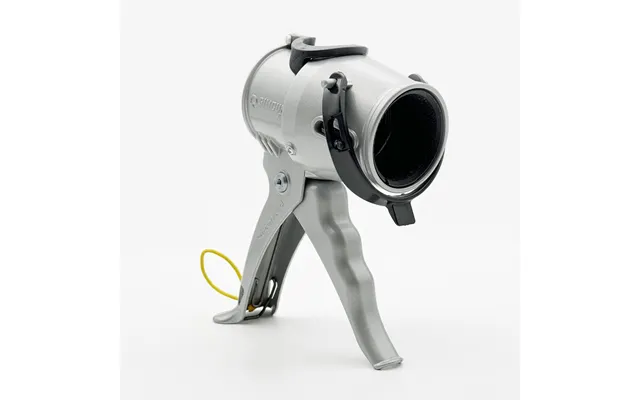
Before you buy, it helps to know what’s out there. Caulking tools come in a few core categories: guns that dispense the sealant, tools that smooth it, and accessories that make control and cleanup easier. Let’s break down the essentials so you can match your toolkit to the job—without overspending or overcomplicating things.
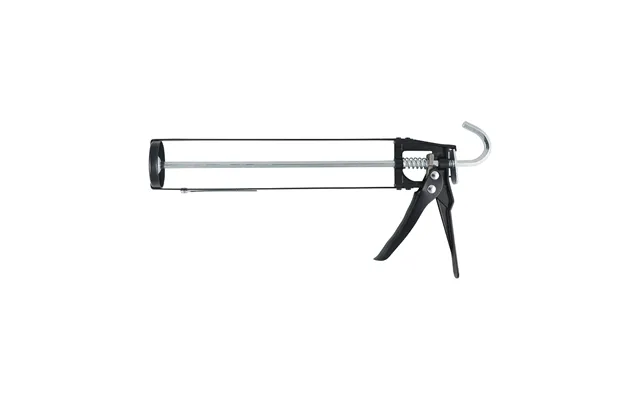
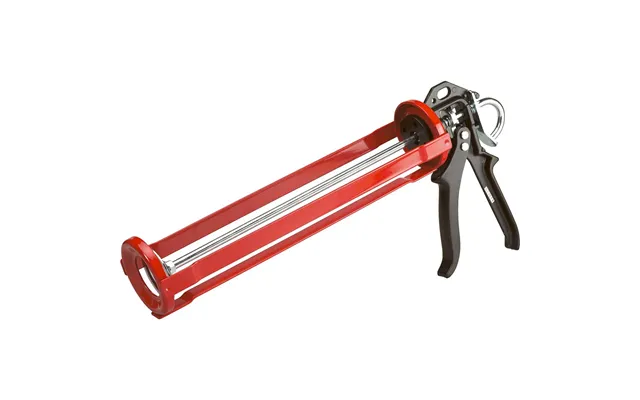
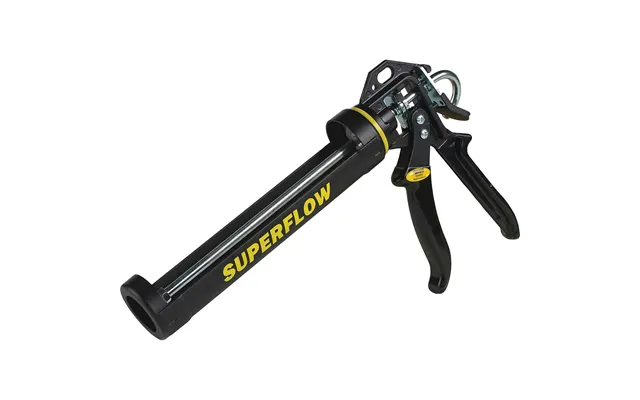
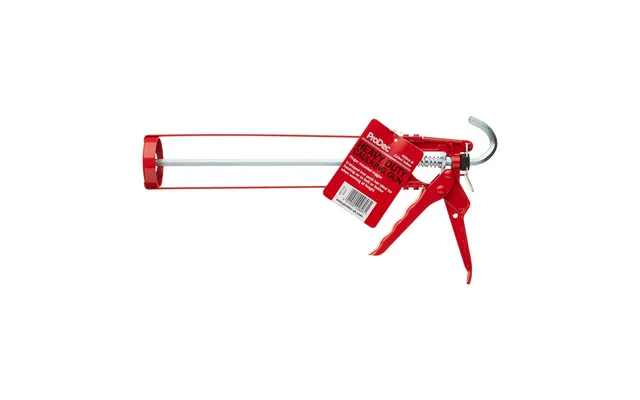
Manual caulk guns are the everyday workhorses. They come in skeleton and cradle frames, with simple ratchet or smoother dripless mechanisms. They’re light, affordable, and perfect for typical household cartridges around 10 oz. If you’re sealing a bathroom or redoing trim around doors and windows, a sturdy manual gun with a comfortable grip and a clean release will be more than enough.
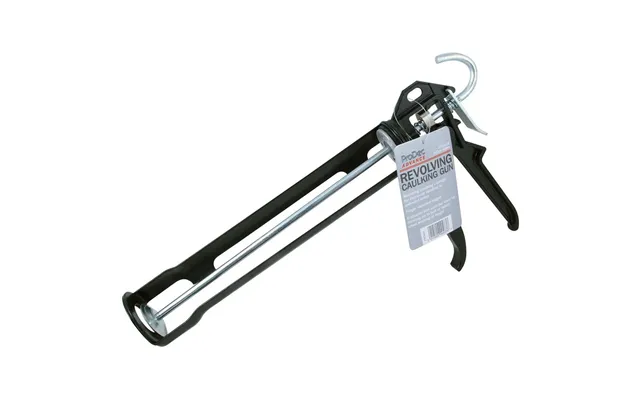
Ever laid a neat bead only to watch it ooze after you stop? Dripless guns release pressure when you let go, preventing that messy tail. Ratcheting versions can be cheaper but may need more hand strength. For most homeowners, a dripless trigger is a small upgrade that pays off with cleaner lines and much less waste on your hands and floor.
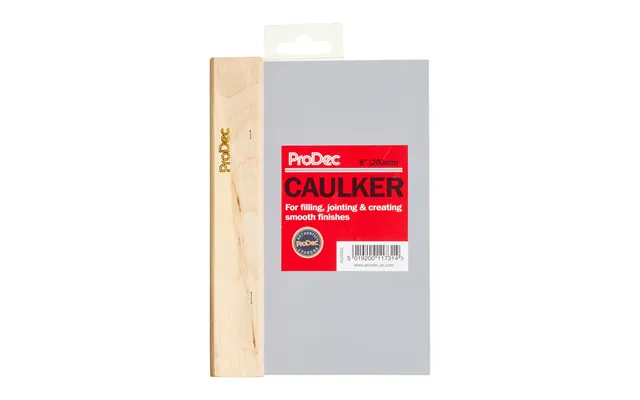
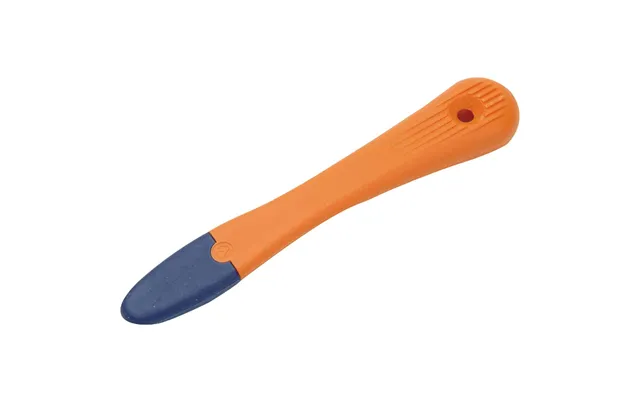
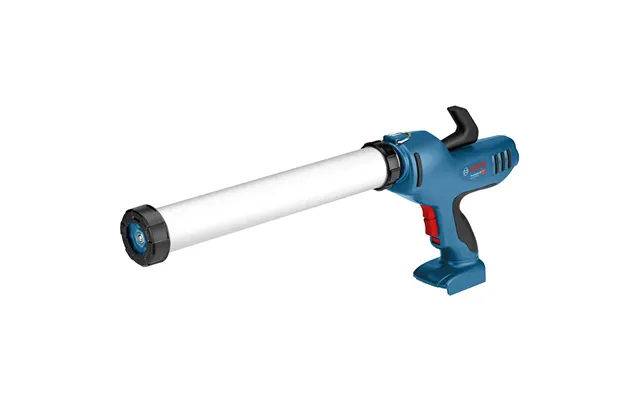
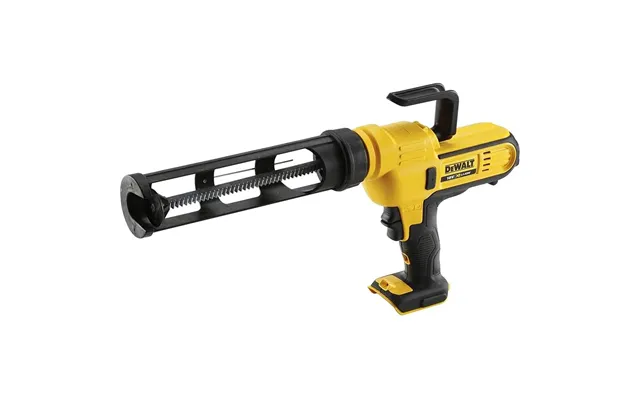
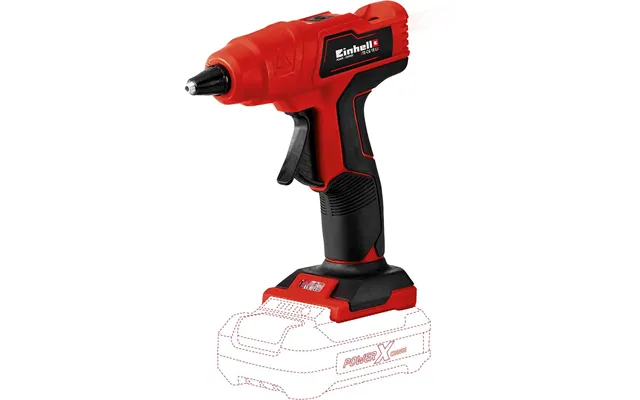
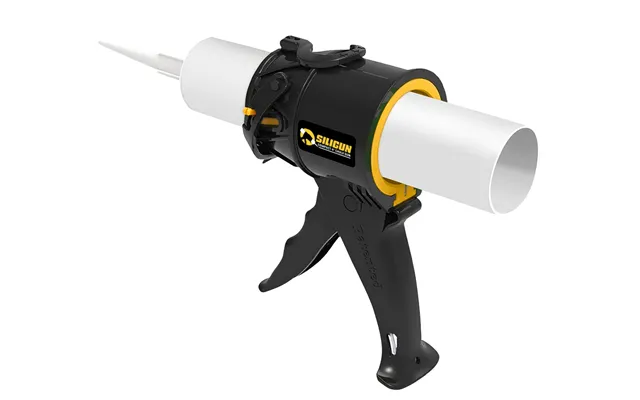
If you’re doing long runs, thicker sealants, or frequent jobs, a cordless caulk gun delivers steady, controlled pressure with less hand fatigue. Powered guns shine with heavy sealants like polyurethane, or on big tasks such as sealing exterior siding and long expansion joints. They’re pricier than manual options but offer consistency you can see in every bead.
The bead you lay is only half the story—the finish is what you’ll see every day. A dedicated smoothing tool, clever nozzles, and a good scraper keep your lines crisp and your surfaces clean, even when you’re working in awkward corners or around fixtures.
A silicone-tipped smoothing tool helps you shape perfect beads without drag marks. The best ones offer multiple radii so you can match your bead size—think 1/8 in, 3/16 in, and 1/4 in profiles. Use light, even pressure and you’ll get professional-looking results in one pass, with minimal cleanup and no fingerprints in the finish.
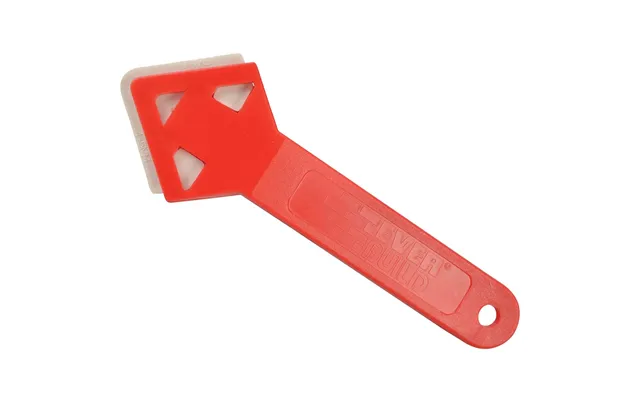
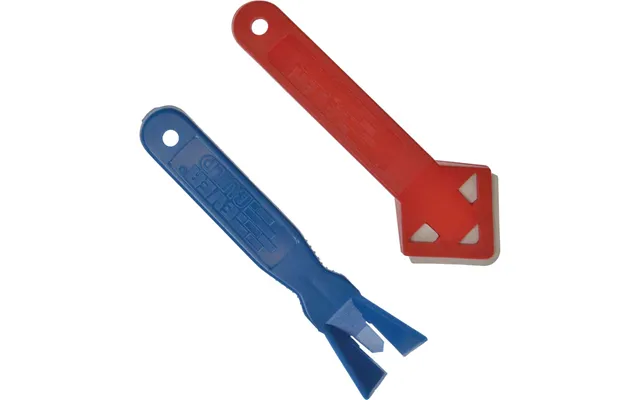
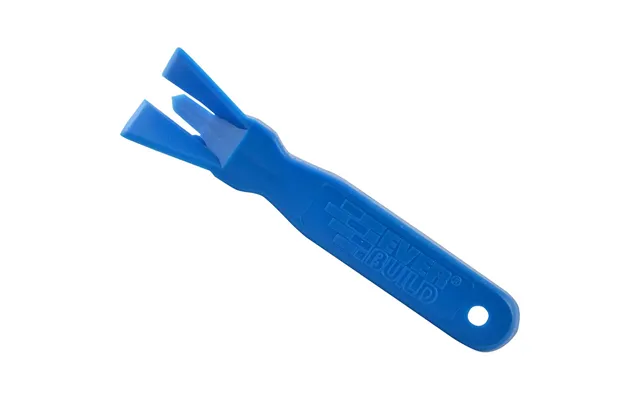
Removing old, cracked sealant is non-negotiable if you want new caulk to stick. A sharp, purpose-built scraper or a hardened plastic remover lets you lift stubborn lines without gouging the surface. For silicone, pair the scraper with a silicone remover gel, then wipe clean. Start with a clean substrate and your new bead will bond stronger and last longer.
Control starts at the nozzle. Swappable tips, cut at different angles and diameters, shape your bead right out of the tube. Extension tubes help you reach deep behind sinks, under decks, or into window frames. Specialty corner nozzles are brilliant for inside edges, delivering a neat 90-degree finish without juggling tape and multiple passes.
The best caulk gun is the one that fits your hand, your sealant, and your project. Don’t overbuy, but do look for features that actually improve control. A clean, steady bead reduces sanding, touch-ups, and rework—that’s time and money saved.
Thrust ratio tells you how much force the gun applies per squeeze. For thin acrylic latex or painter’s caulk, a lower ratio is fine. For thicker materials—think silicone, hybrid, or polyurethane—aim for higher ratios to avoid hand fatigue. Smooth trigger action and a reliable pressure release make a bigger difference than you might expect on long jobs.
Most household jobs use 10 oz cartridges. If you do exterior work or long seams, larger guns that handle 29 oz cartridges or sausage packs can save time by reducing changeovers. Always match the gun to the cartridge type—tube guns for cartridges, sausage guns for foil packs—and check that the puncture tool and tip cutter are built in for convenience.
A comfortable grip, solid frame, and rigid plunger rod equal steady, skip-free beads. Look for smooth welds and a sturdy cradle or skeleton frame that doesn’t flex. Rubberized handles help when your hands are wet or gloved. If you’ll use the tool often, spend a bit more on durability; it pays off in fewer jams and truer lines.
You don’t need a massive kit to get pro results. A few accessories turn a basic setup into a precision system. These add-ons aren’t just “nice to have”—they’re the difference between a weekend project and a weekend win.
Backer rod is a flexible foam cord you press into wider gaps before caulking. It sets the depth and shape of the bead and prevents three-sided adhesion, which can lead to premature failure. Stock a couple of sizes—say 3/8 in and 1/2 in—and you’ll handle most household gaps with a consistent, elastic finish.
Painters tape along both sides of your joint keeps lines razor-sharp. A damp lint-free cloth and isopropyl alcohol help to clean surfaces before you start and wipe tools after. Keep a small trash bag handy for spent tips and wipes. It’s a mini routine that prevents chaos and keeps your finish photo-ready.
Tools and materials work as a team. Match your gun and tips to the sealant type and you’ll enjoy smooth flow, less mess, and better long-term adhesion. If you’ve ever fought a tube that felt like concrete, you know the pain—proper pairing eliminates that struggle.
Silicone is flexible and water-resistant, so it’s perfect for baths, kitchens, and exterior joints. Use a higher thrust ratio gun for thicker silicone and a smooth, cut-to-size tip for small, neat beads—often 3/16 in to 1/4 in is ideal around tubs and sinks. A silicone-friendly smoothing tool prevents dragging or tearing as you shape the bead.
Acrylic latex is paintable and easy to tool, great for trim, baseboards, and hairline cracks. A modest thrust ratio manual gun works well here. For visible trim lines, cut the tip small and run a thin bead—around 1/8 in—so it fills gaps without oozing. Smooth immediately, paint once it skins and cures per the label.
For expansion joints, masonry, or exterior gaps that move, polyurethane and hybrid sealants offer robust adhesion and flexibility. They’re thicker, so a high-thrust manual or a powered gun is your friend. Use backer rod to control depth and ensure the joint can expand and contract without cracking or pulling away.
Good caulking is 80% prep, 20% steady hands. With a few tricks, you’ll get consistent, pro-quality results even on your first try. Think of it like piping icing on a cake—set up right, go slow and steady, and finish clean.
Remove old caulk with a scraper and, for silicone, a remover gel. Clean the joint with alcohol, then dry completely. Press in backer rod if the gap is deep. Mask both sides with painters tape if you want a crisp edge. Load your gun, puncture the seal, and cut the tip just big enough for the joint—start small and adjust if needed.
Hold the gun at about a 45-degree angle. Pull the bead toward you so you can see it fill the joint as you go. Maintain consistent speed and pressure. If your gun is dripless, releasing the trigger will stop flow cleanly at corners and breaks. For long runs, work in manageable sections so the bead doesn’t skin before you tool it.
Use a smoothing tool or a gloved finger lightly dampened with soapy water (for latex; avoid water on fresh silicone). Keep your tool clean by wiping it frequently. Aim for one gentle pass. If you used tape, pull it off while the caulk is still wet, angling away from the bead for a crisp line.
Wipe away smears right away. Clean your tools before the caulk skins over. Respect the cure time on the tube—if it says wait a day before getting it wet, do it. Rushing this step is the fastest way to ruin an otherwise perfect finish and invite premature failure.
Hunting for deals? Smart shoppers compare prices across retailers to snag the best value. Comparison sites like ZoneOffer help you scan offers from multiple sellers at once so you can focus on features, not just price tags. Here’s a quick, real-world guide to what you can expect to pay and where the savings usually pop up.
Entry-level manual caulk guns often come in at a low price and work perfectly for light-duty acrylic latex or small bathrooms. Basic smoothing tools and scraper sets are also affordable, and bundle deals sometimes include spare tips and a cutter. If you tackle a project or two a year, this tier is a smart starting point.
Mid-range guns add dripless mechanisms, better ergonomics, and sturdier frames that flex less under pressure. Expect noticeable improvements in control and bead consistency. Toolkits at this level may include multiple smoothing profiles, corner tips, and a robust scraper—great for regular DIYers who want long-lasting gear without going pro-grade.
For demanding sealants or frequent use, pro-grade manual guns with high thrust ratios or cordless models earn their keep fast. Sausage guns for high-volume jobs, heavy-duty scrapers, and premium silicone finishing tools all live in this tier. If you’re sealing exterior siding, long masonry joints, or using thicker hybrid compounds, the investment pays off in speed and reliability.
Some brands focus on ergonomics and drip control; others target high thrust and industrial reliability. It’s less about chasing a logo and more about matching features to your needs. Still, knowing the landscape helps you shop with confidence and spot genuine value when you see it.
Well-built manual guns known for smooth triggers and robust frames deliver consistent beads with less hand strain. Dripless specialists emphasize pressure release mechanisms that stop flow cleanly—critical for crisp corners and detailed trim work. If you’ve fought messy tails in the past, prioritize these features over gadgets.
Cordless guns from established power tool ecosystems bring variable speed and steady feed pressure, which means fewer skips and smoother lines on long runs. If you already own compatible batteries, the upgrade cost can be surprisingly reasonable. For sausage systems, look for rugged construction and easy-clean designs to handle frequent use.
Well-cared-for tools last longer and perform better. A few minutes of maintenance after each job and some quick troubleshooting know-how will keep your setup ready for action. Safety matters too—sealants and blades demand respect to keep your projects incident-free.
Release pressure after each bead to prevent ooze. Wipe the nozzle and tip, then cap it if you’ll reuse the tube soon. Clean removable parts on smoothing tools and scrapers. Store guns dry and upright when possible. A little attention after each project prevents clogs, rust, and sticky triggers next time you reach for the gun.
Bead won’t flow? Check if you punctured the inner seal. Uneven lines? Slow your pace or cut a smaller tip. Drips after you stop? Use a dripless gun or release pressure immediately. Poor adhesion? You likely skipped proper prep or tried to caulk over damp or dirty surfaces. Correct the root cause and your results will improve instantly.
Wear gloves and eye protection, especially when scraping or using remover gels. Ventilate indoor spaces, and keep sealants away from kids and pets. Store tubes in a cool, dry place. If you’re reusing a tube, seal the tip with a screw or cap to extend life. Treat blades with respect—change dull ones before they force you to press harder.
Not sure where to start? Think about the places where air and water sneak in. The same compact toolkit handles a surprising range of tasks, from quick touch-ups to weatherproofing projects that save on energy bills.
Seal around tubs, showers, sinks, and backsplashes with silicone for watertight protection. Use a narrow tip and a smoothing tool for tidy lines. Clean surfaces thoroughly—soap residue and moisture are common culprits behind early failure. Let it cure fully before getting it wet to lock in that fresh, mold-resistant finish.
Use acrylic latex around interior trim for paint-ready results, and flexible exterior sealants outside to block drafts and water. Work with small tips and thin beads—about 1/8 in to 3/16 in—so you fill the gap without overspreading. Smooth immediately for a clean transition that practically disappears under paint.
For wider joints or moving surfaces, reach for polyurethane or hybrid sealants. Insert backer rod to set the correct depth, then apply a generous bead and shape it with a tool that matches the joint profile. A powered gun can make long runs much easier, keeping flow steady and your wrist happier.
Best-in-class doesn’t always mean top price. The trick is comparing like-for-like features—thrust ratio, build quality, drip control, and included accessories—then weighing them against your projects. Price comparison platforms such as ZoneOffer make it simple to scan offers across multiple retailers, so you can choose the right tool at the right price without hopping from site to site.
On a tight budget? Choose a solid manual dripless gun, a basic smoothing tool with a couple of profiles, a durable scraper, and a pack of spare tips. This setup covers 90% of household jobs, and you can always add specialty nozzles or extension tubes later if your projects demand them.
If you’re tackling longer runs, thicker sealants, or frequent jobs, consider a higher-thrust manual or cordless gun. The upgrade reduces fatigue and improves finish quality, which saves time on touch-ups. For large projects, bundle kits with multiple tips and finishing tools can be surprisingly cost-effective compared to buying items one by one.
Great caulking results come from a simple formula: the right gun, a smart set of accessories, and patient, tidy technique. Start with a dependable dripless manual gun and a quality smoothing tool, then add backer rod, scrapers, and specialty tips as your projects grow. Compare prices across retailers using a trusted comparison site like ZoneOffer to stretch your budget further. With a bit of prep and the right gear, you’ll lay smooth, durable beads that look sharp and perform for years.
| Caulking Tools | Price | |
|---|---|---|
| Ck Sealant Gun 400ml | £ 4,67 | |
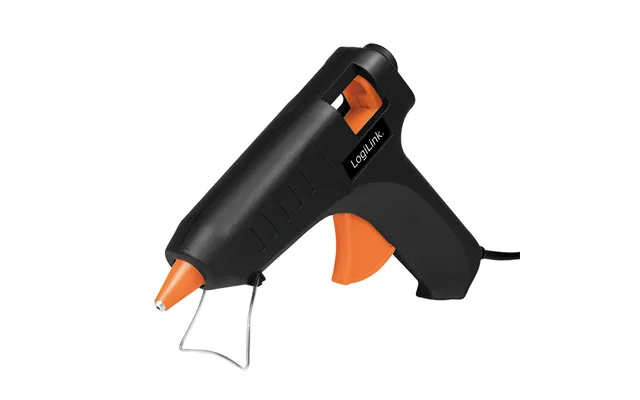
| Tilswall Hot Glue Gun Kit - 50w Mini Glue Gun | £ 11,99 | |
| Tilswall Hot Glue Gun Kit - 50w Fast Preheating Mini Melt Gun With 75pcs Glue Sticks 130mm X 7mm ,perfect For Crafting | £ 11,99 | |
| Unicrimp Professional Caulking Gun | £ 16,36 | |
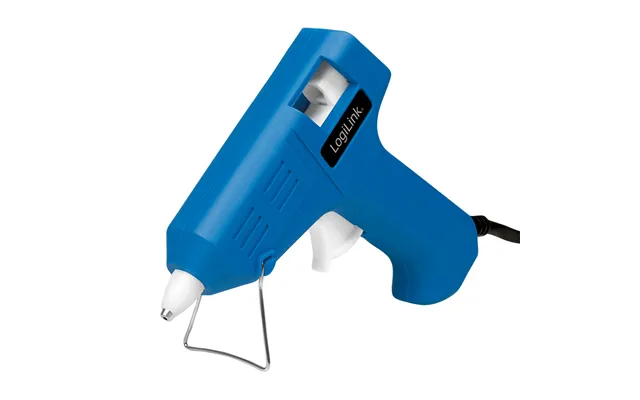
| Logilink Wz0050 Hot Glue Gun Pen Blue 10 W | £ 16,45 | |
| Logilink Wz0050 Hot Glue Gun Pen Blue 10 W | £ 16,45 | |
| Durable 5867-00 200 Ml Kit | £ 17,- | |
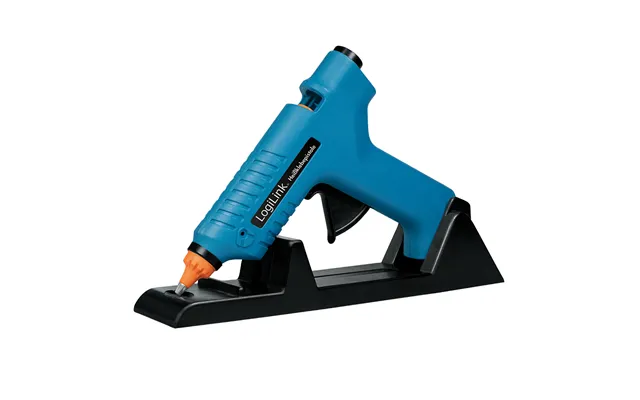
| Logilink Wz0052 Hot Glue Gun Pen Blue 80 W | £ 28,61 | |
| Logilink Wz0052 Hot Glue Gun Pen Blue 80 W | £ 28,61 | |
| Rapid Pro Eg340 Pro Industrial Glue Gun | £ 168,96 |