All categories
Business & Offices
Electronics & Media
Fashion & Accessories
Groceries & Essentials
Health & Personal Care
Home & Living
Kids & Family
Sports & Outdoors
Search in ZoneOffer
Loading...
Ever walked across a slick driveway after a shower and thought, “This could use some grip”? That’s the power of a good concrete broom finish. It adds subtle, straight-line texture that boosts slip resistance, sheds water, and gives your slabs a clean, professional look. Whether you’re refreshing a patio, pouring a new driveway, or managing footpaths at a commercial site, concrete brooms are the unsung heroes that move a job from “okay” to “outstanding.” The best part? Selecting the right broom isn’t complicated once you know the basics—head width, bristle material, handle type, and timing. Comparing offers from reputable brands and sellers across the UK via a trusted comparison site helps you snag quality tools without overpaying.
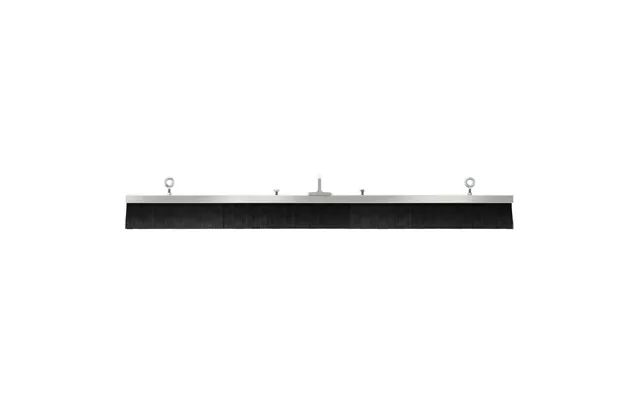
A broom finish is exactly what it sounds like: using a dry broom to lightly drag across freshly floated concrete, creating fine lines that increase traction. It’s the finish most people expect on driveways, sidewalks, steps, and ramps because it reduces the risk of slips when surfaces are wet. The texture can be subtle and refined or more pronounced—your choice comes down to bristle stiffness, stroke technique, and the moisture level of the slab when you pull the broom.
Anywhere you want safety, durability, and a clean, understated aesthetic, the broom finish shines. Driveways, footpaths, patios, pool surrounds, garden steps, and loading ramps all benefit from those fine, linear grooves. Think of the lines like tire treads for your shoes—quietly doing their job, improving grip without stealing the spotlight. If you need extra grip—say on a steep path—you can go for a stiffer bristle or a deeper, more deliberate stroke to amplify the texture.
There are times when a broom finish isn’t appropriate—polished interiors, decorative stamped patterns meant to mimic stone, or high-gloss architectural slabs where a glassy sheen is the goal. In those cases, the broom’s micro-grooves can clash with the design intent. Also, if the concrete has gone too dry, brooming can tear the surface rather than texture it, which weakens durability. If that happens, re-float lightly, wait a moment for bleed water to vanish, and try again at the right window.
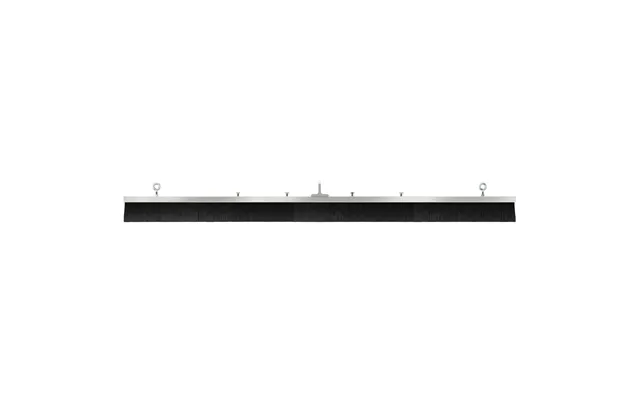

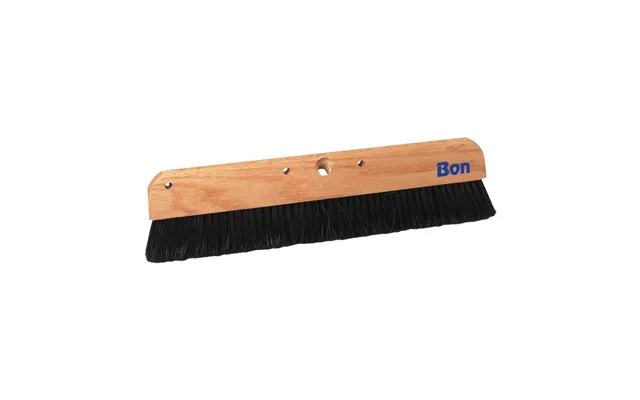
Not all “concrete brooms” are clones. You’ll find heads designed for finishing freshly placed concrete, plus heavy-duty push brooms for cleaning and prep. The key differences are bristle material, stiffness, and head width. Some finishing brooms attach to bull-float handles so you can reach deep into a slab without stepping onto it. Others are hand-held for tight spaces, steps, and edges. Understanding the types helps you stock the right tool for every phase—from surface prep to the final pass.
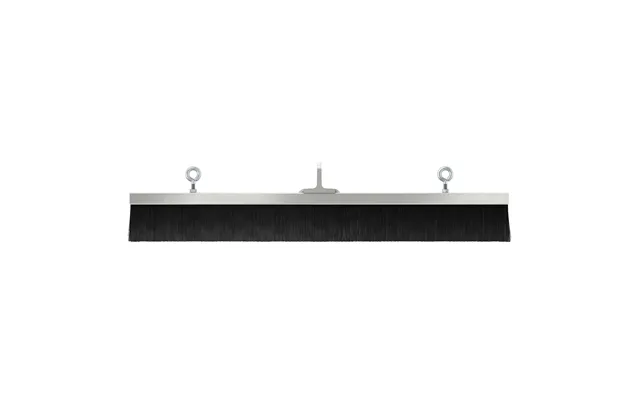
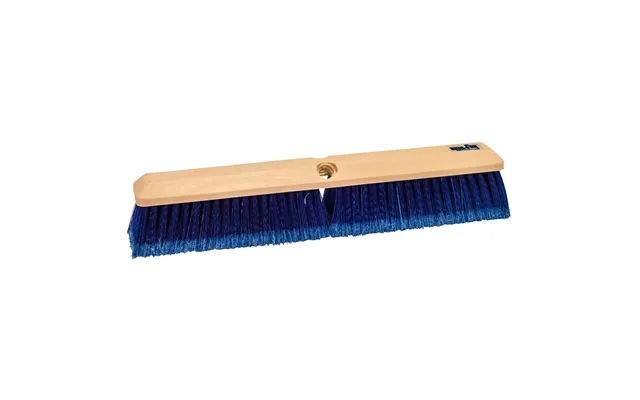
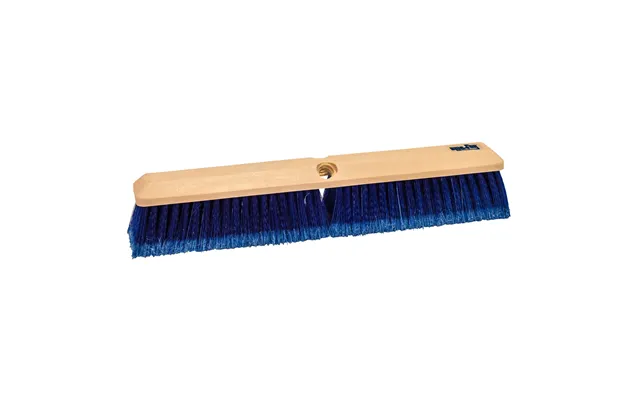
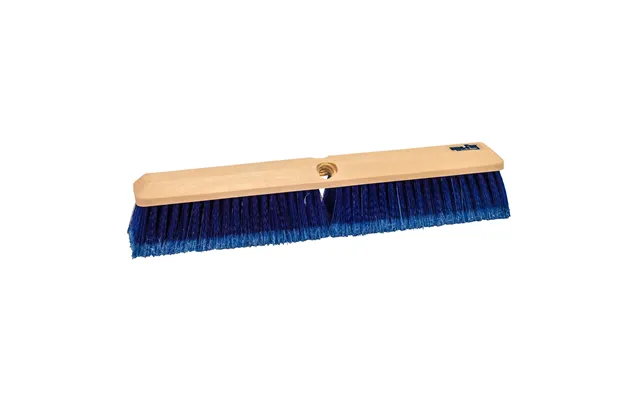
Before you pour, you’ll want a clean, debris-free base and forms. Standard push brooms with stiff polypropylene or combination bristles are ideal for sweeping sub-bases, compacted gravel, and forms. They’re also great for cleaning after saw-cutting joints, removing slurry, and sweeping up sealant grit. Look for heads around 18 to 24 inches for general use and up to 36 inches if you want to cover big areas quickly.
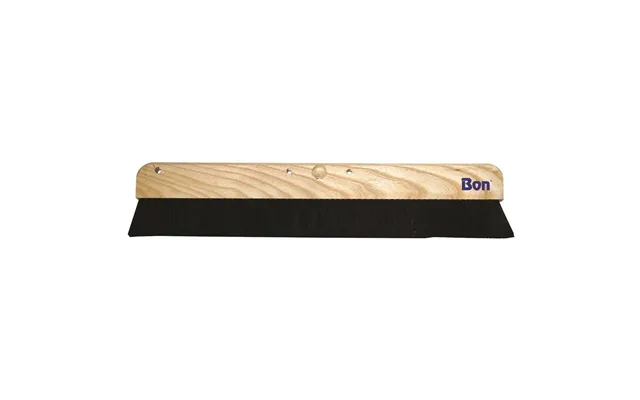
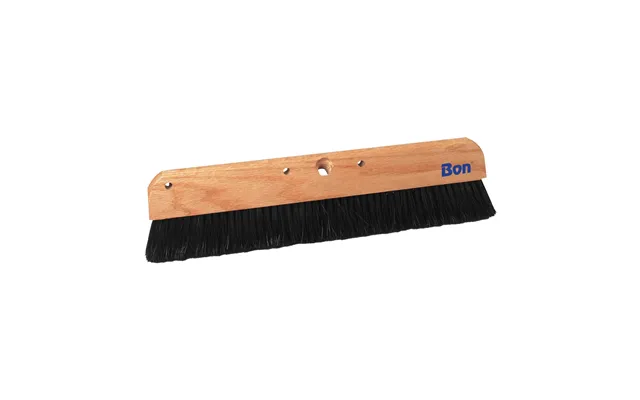
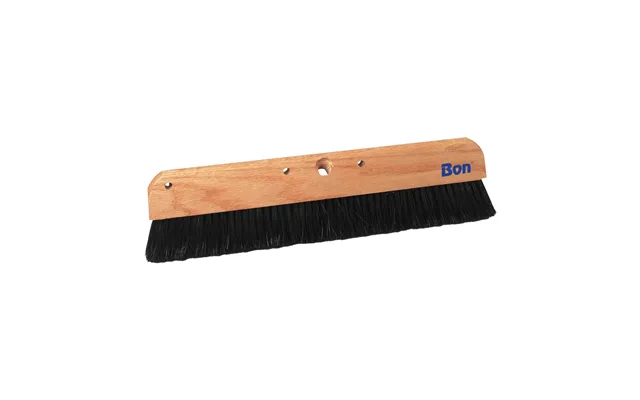
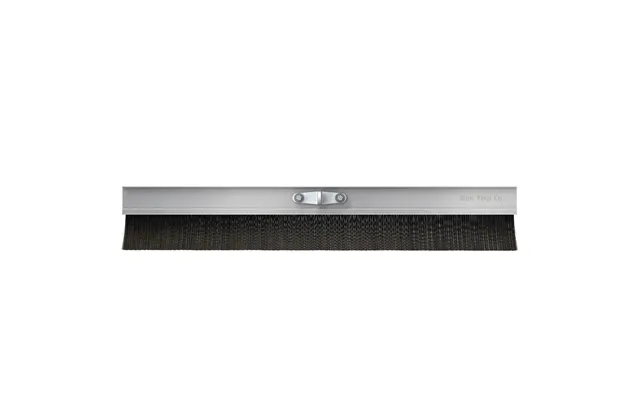
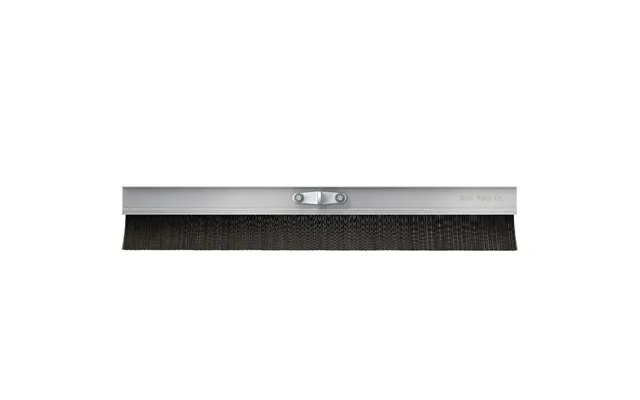
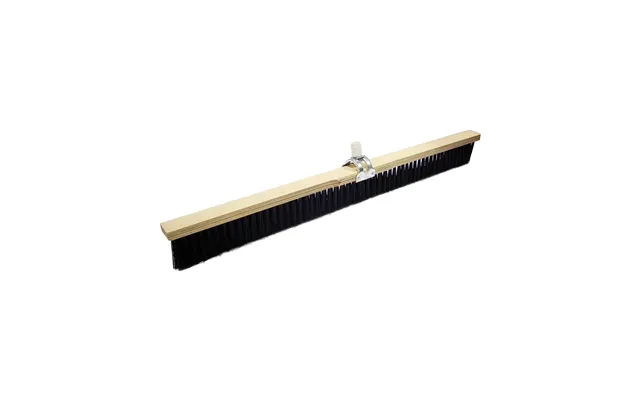
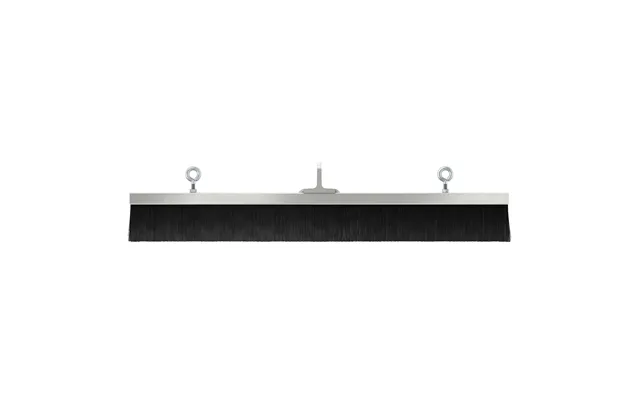
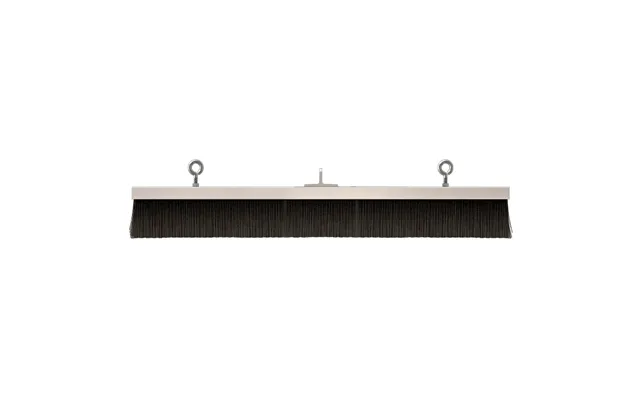
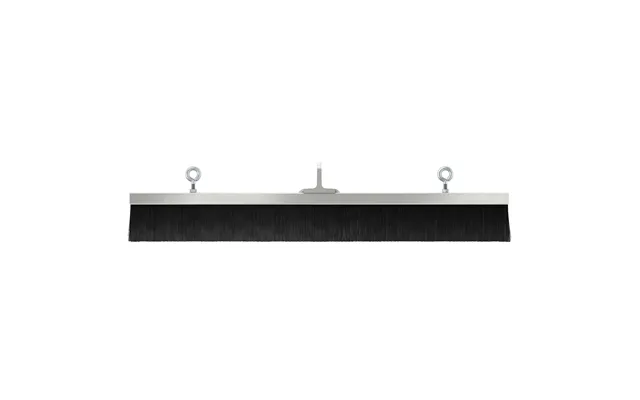
These are the stars of the show. Finishing brooms typically use fine to medium bristles arranged in dense rows to leave uniform, straight lines. Some have adjustable pitch plates or swivel heads that let you set a consistent stroke angle. Many accept threaded or snap-on extension handles—useful for reaching 8 to 16 feet across a slab while standing on the forms or from a kneeling board on fresh concrete.
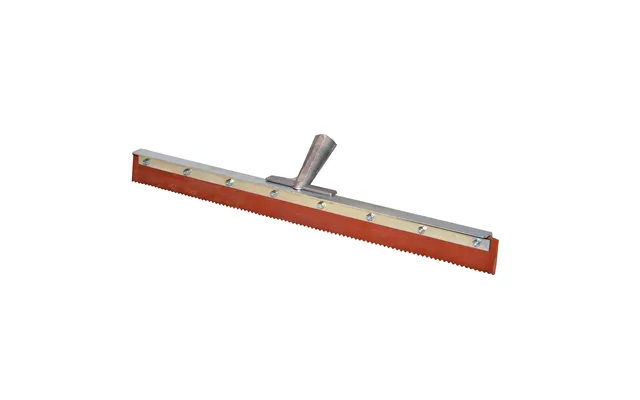
Specialty heads include softer-finish brooms that leave a delicate texture for patios and decorative work, and stiffer versions for gritty, high-traction needs like ramps and commercial entries. You might also see combo heads that integrate a squeegee edge for moving water or slurry, letting you clean and texture without swapping tools. If you’re doing exposed aggregate or brushed-and-washed finishes, match the broom to the desired final look—lighter bristles for refined lines, stiffer bristles for deeper grooves.
Bristle material sets the tone for your finish. Too soft and the broom won’t leave enough texture; too stiff and it can mark or gouge if the concrete is tender. The goal is to pair the bristle with the timing and temperature of the pour. On warm, breezy days, concrete sets faster, so a slightly softer bristle can reduce the risk of tearing. On cooler, damp days, a medium or firm bristle often works well.
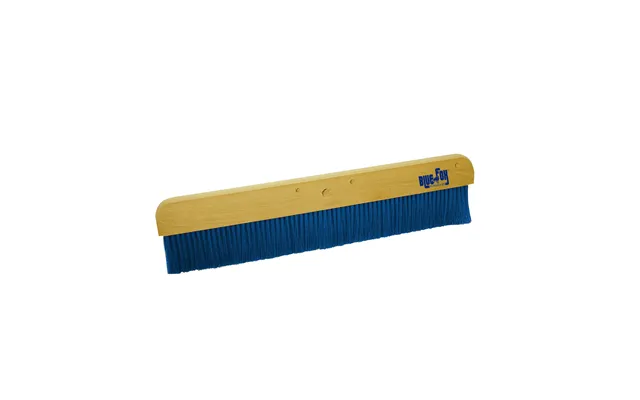
Poly bristles balance stiffness and flexibility, resist moisture, and are tough enough for daily site use. They’re common on both finishing and cleanup brooms. For broom finishing, poly delivers clean, consistent lines without soaking up water. If you handle both prep and finish, having a poly cleanup broom and a separate, finer-textured poly finishing head keeps you covered.
Nylon bristles are resilient and spring back to shape, which helps maintain uniform texture stroke after stroke. They can feel slightly “snappier” than poly and often suit contractors who want a crisp, repeatable finish. Nylon also handles repeated cleaning and storage stress, making it a solid long-term pick if you need reliability across many pours.
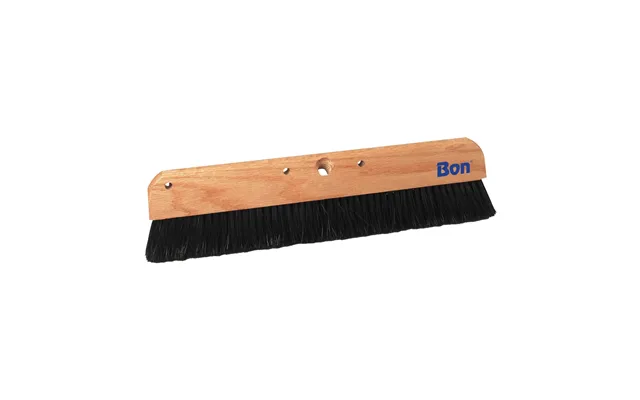
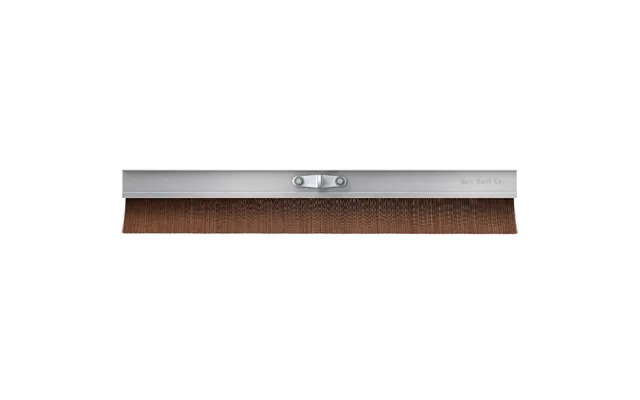
Natural fibers, like Tampico blends, can leave a very refined texture appropriate for patios, smaller slabs, and decorative projects where you’re going for “silky traction” rather than aggressive grooves. They do require proper cleaning and drying to avoid mildew, but many pros love their smooth, even lines on fresh, well-timed concrete.
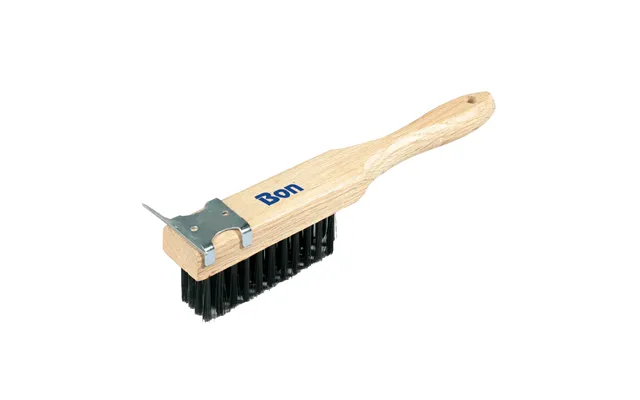
Wire or wire-plastic combos are more about heavy-duty cleanup than finishing fresh concrete. They’re excellent for scraping mud, compacted dust, or cured residue on formwork, but they’re generally too harsh for broom finishing a fresh slab. If you need deep traction, reach for a stiffer finishing broom—not a wire brush—so you don’t scar the surface.
Broom width affects coverage, control, and fatigue. The wider the head, the faster you’ll finish—but the harder it is to manage on uneven ground or in tight spaces. Handle setup determines how far you can reach without stepping onto the slab. The best approach? Have two head widths and extension handles that break down quickly.
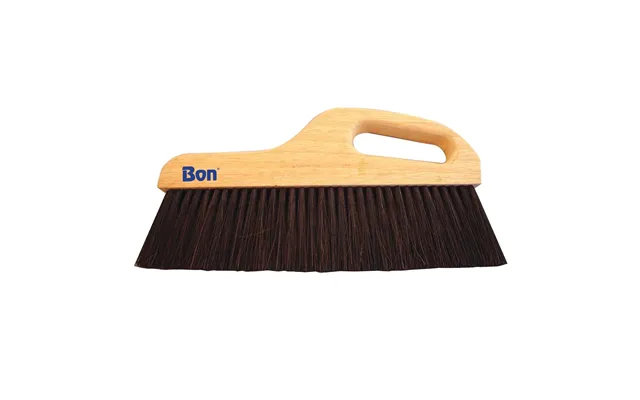
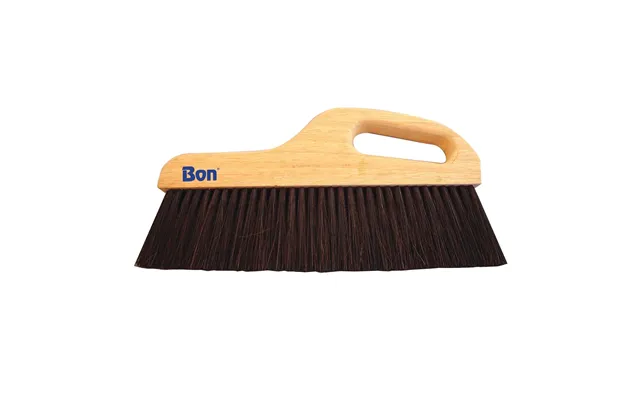
For most residential pours, a 24 to 36 inch head strikes an ideal balance between coverage and control. A 24 inch head gives you precise lines on narrower paths, while a 36 inch head speeds up driveways and patios. For steps and landings, a compact 12 to 18 inch finishing broom helps you get neat lines without tagging risers or adjacent edges.
Threaded aluminum or fiberglass poles in 4 to 8 foot sections are common, letting you build out to 12 to 16 feet or more. Snap-on bull-float handles can also connect to broom adapters, so you can broom from the same reach you floated with. If a site gets breezy, a sturdier handle reduces chatter so your lines stay straight. Consider non-slip grips—your forearms will thank you by the end of the day.
A concrete broom doesn’t work alone. For best results, pair it with the right floats and edging tools. Think of a broom finish as the finale in a short, well-choreographed routine—screed, bull float, edge, groove, float as needed, then broom at the perfect moment.
After screeding, a bull float knocks down ridges and brings cream to the surface. This sets the stage for edging and grooving. Later, a mag float helps close up after tooling and smooths small imperfections before the final broom pass. Be gentle: overworking can bring too much paste to the surface, which may weaken your finish and increase dusting.
Groovers cut control joints that help manage cracking, and edgers round off slab edges for a neat, professional profile that resists chipping. Do these before the broom pass. That way, your final broom strokes run right up to the tool lines, blending everything together in a tidy, cohesive texture.
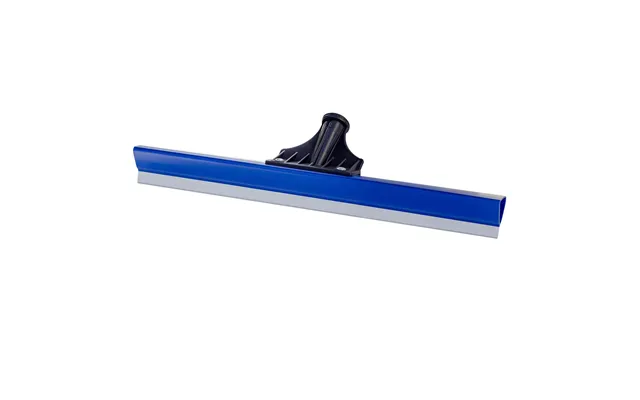
If rain visits mid-pour or standing water appears, a sturdy squeegee helps you move water off the surface without digging in. Never broom through standing water—those lines can look blotchy and weak. Clear the water, wait for the surface to reach that sweet spot (no sheen, but still plastic), then broom.
Mastering the broom finish comes down to three things: timing, touch, and consistency. Get those right, and your slabs will look sharp and perform even better. The trick is to watch the surface, not the clock. Concrete tells you when it’s ready.
Wait until bleed water disappears and the surface has firmed up. When you touch a finger to the surface and it leaves a slight impression without lifting paste, you’re in the window. If the broom drags clumps or tears, it’s still too wet. If the broom barely leaves lines, it’s too dry. On warm, breezy days, this window can be short—work in manageable sections and have your broom handles set up beforehand.
Hold the broom at a consistent angle, apply light, even pressure, and pull in straight lines—usually perpendicular to slope so water runs off quickly. Overlap passes by a couple inches so you don’t leave gaps. If you see chatter marks, relax your grip and reduce pressure. For large pours, mark reference lines or use the form edges as guides so your strokes stay straight and parallel.
Don’t broom too early, don’t broom through puddles, and don’t switch direction mid-slab unless it’s a design choice. Keep the head clean; rinse off paste buildup that can clump lines. If wind gusts cause chatter, shorten the handle length or have a second person steady the pole. And remember: less is more. Aim for clean, consistent grooves rather than deep ruts.
Good tools pay you back when you treat them right. A well-kept concrete broom holds its bristle shape, stays clean, and delivers reliable texture pour after pour. Neglect it, and you’ll battle uneven lines and premature wear. A few simple habits go a long way.
Rinse bristles thoroughly with clean water before the concrete hardens. Shake off excess water and inspect for paste clumps, gravel bits, or stuck debris. Avoid harsh scraping that fractures bristles—use a gentle combing motion with a spare piece of wood or a soft brush. If you used a natural fiber head, let it dry completely before storage to prevent mildew.
Store brooms off the ground and bristles-down only if suspended without pressure; otherwise, lay them flat or hang them bristles-up to avoid permanent bends. Keep them out of direct sunlight and away from heaters that can warp plastic. Detach handles before transport so you don’t bend ferrules or stress threads. A basic tool bag or head cover keeps dust and grit from embedding in the bristles between jobs.
The UK market offers a wide range of concrete brooms—from budget-friendly heads for occasional DIY jobs to contractor-grade kits built to last. Prices vary by width, bristle material, and handle system. Instead of hopping between dozens of sellers, use a reliable comparison site to view multiple offers side by side. That way, you can weigh specs against value and pick the setup that fits your workflow and budget. Remember, a comparison platform isn’t a store; it’s your shortcut to the best available options.
Before you click “buy,” zero in on the details: head width (such as 24, 30, or 36 inches), bristle type (poly, nylon, natural), mounting style (threaded, snap-on, or bull-float compatible), handle material (aluminum, fiberglass, wood), and total reach you can achieve (buildable to 12 to 16 feet is a common sweet spot). If you routinely tackle large driveways, a wider head and extension handle kit saves time. For steps and tight patios, add a compact finishing head to your kit.
When comparing offers, think total value, not just headline price. Does the broom include adapters? Are handles sold as a bundle or individually? Is the head reinforced to resist twisting? A comparison site like ZoneOffer helps you scan multiple retailers, filter by specs, and spot meaningful differences quickly. Since ZoneOffer is a comparison platform rather than a store, it’s designed to point you toward the most suitable deals across various sellers, saving you time and guesswork.
Not sure where to put that new broom to work first? Anywhere slip resistance matters, a broom finish fits. Think of the finish as practical elegance: it looks neat from the curb and performs quietly underfoot every rainy day.
For driveways, run your broom strokes across the slope so water drains toward the street or channel. On paths, keep lines consistent with the direction of travel for a tidy visual flow. If you need extra grip on a steep approach, go with a slightly stiffer bristle and slower, more deliberate passes to deepen the texture without tearing.
Patios and pool surrounds benefit from a refined texture—enough traction to be safe when wet but gentle on bare feet. A medium or soft finishing broom often hits the mark here. For ramps, especially at entries or loading zones, prioritize traction. Pair a firm bristle with perfectly timed passes, and consider sealing with a breathable, slip-friendly sealer once the concrete has cured.
In warehouses, workshops, and farm lanes, durability and grip dominate. A firm-bristle finish withstands frequent hose-downs and muddy boots. Combine it with well-placed control joints and a dense, properly cured mix for long-term, low-maintenance performance. Cleanup brooms earn their keep here too—stiff poly or combo bristle heads make short work of grime.
A broom finish isn’t just about appearances—it’s a safety layer. The right texture, applied at the right time, can reduce slip risks in wet, icy, or dusty conditions. While codes and standards vary, you’ll rarely go wrong choosing a uniform broom finish on exterior walking surfaces and steps, especially wherever water might collect.
Uniformity is your best friend. Consistent, straight lines help achieve predictable slip resistance. Keep the finish perpendicular to water flow on slopes so runoff moves quickly. If you’re targeting a specific anti-slip performance, maintain the same bristle and technique across the entire pour, and avoid overworking areas that could become smoother than the rest.
Finishing is physical work, but smart tools make it easier. Use extension handles to avoid leaning into the slab, keep your feet sure, and reduce repeated bending. Swap arms occasionally, maintain a neutral wrist angle, and take short breaks between sections. Think of it like raking leaves: the right handle length and a steady rhythm save your back.
Even pros hit snags—wind, sun, unexpected delays. The fix usually starts with patience and a light touch. If you see lines that look uneven, pause and re-float lightly, then wait a minute and re-broom with a steadier stroke. If edges look rough after tooling, run a short, soft broom along the perimeter to blend everything together. And if rain catches you off guard, squeegee water off, let the surface stabilize, then resume with gentle, overlapping passes.
A well-executed broom finish supports sustainability by extending slab life and reducing repair cycles. Good drainage plus good traction means fewer freeze-thaw issues and less spalling from trapped water. Clean surfaces with a stiff push broom and a hose rather than relying solely on harsh chemicals. When sealing, choose breathable, non-slip-friendly products and apply per manufacturer guidance after adequate curing. Maintenance is simple: sweep, wash, reseal when needed, and the slab will serve faithfully for years.
Concrete brooms are simple tools with an outsized impact. Pick the right head width, bristle material, and handle setup, then use a steady technique at the perfect moment, and you’ll get a finish that looks crisp, drains well, and stays safe underfoot. From driveways to ramps and patios, a quality broom finish is the practical, attractive default for exterior concrete across the UK. When you’re ready to buy, compare specs and prices across multiple retailers using a trusted comparison site like ZoneOffer so you can grab the right tool at the right value—without guesswork. Do that, and every slab you touch will look cleaner, last longer, and perform better the very first time you walk on it.
| Concrete Brooms | Price | |
|---|---|---|
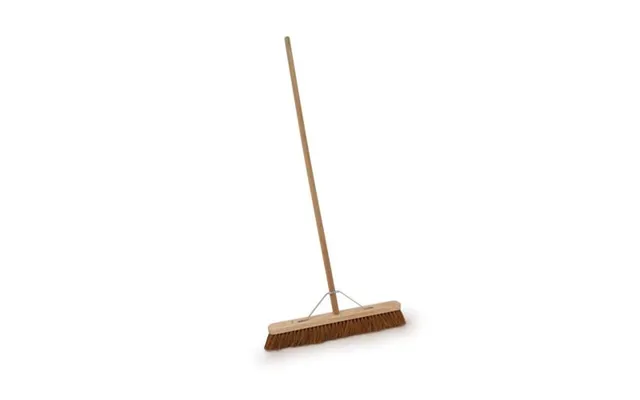
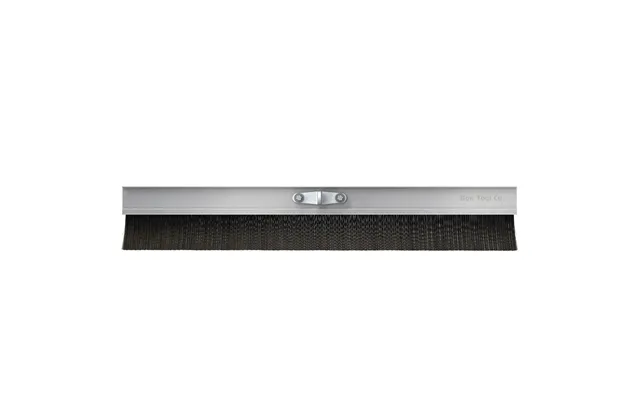
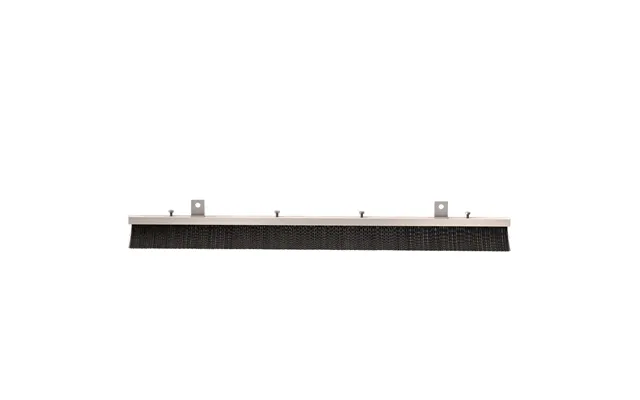
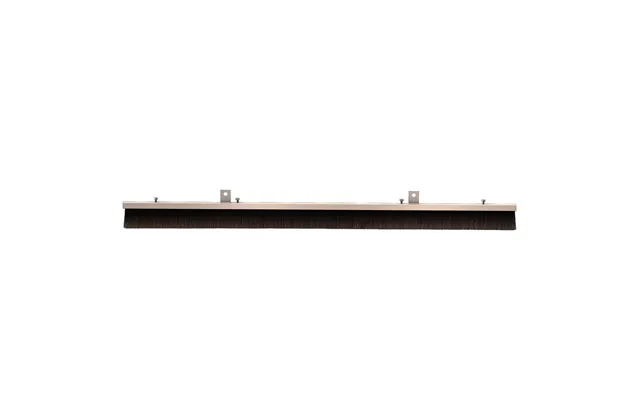
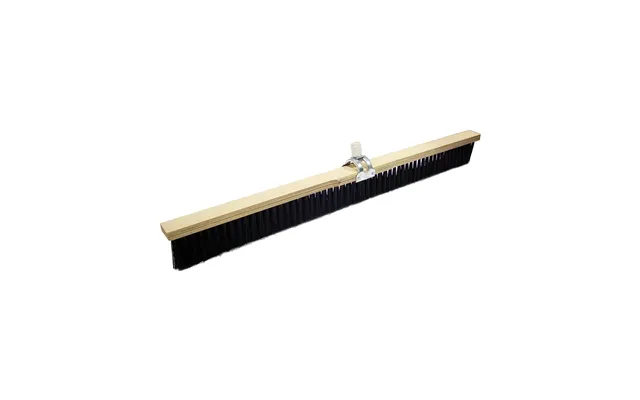
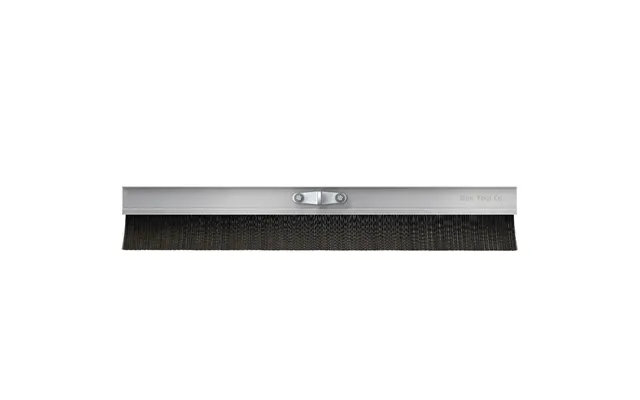
| Valuex Coco Complete Platform Brush 24 Inch - 0906012 | £ 22,94 | |
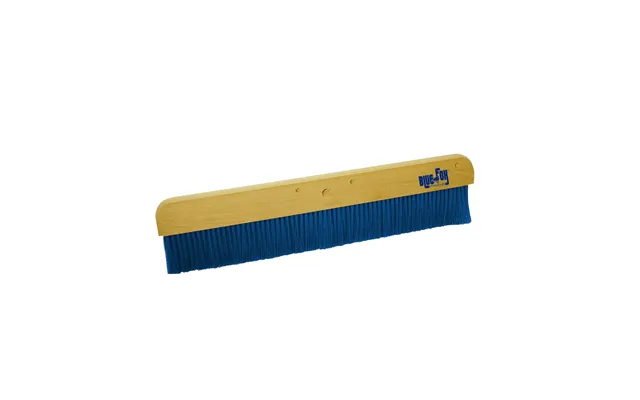
| Xtrade X0600002 24 Heavy-duty Broom | £ 89,56 |