All categories
Business & Offices
Electronics & Media
Fashion & Accessories
Groceries & Essentials
Health & Personal Care
Home & Living
Kids & Family
Sports & Outdoors
Search in ZoneOffer

Loading...
Routing tools are the secret sauce behind crisp edges, flawless joinery, and pro-grade finishes. Whether you’re building cabinets, upgrading trim, or crafting custom signs, a wood router makes it possible to shape, cut, and refine with surgical precision. The best part? You don’t need a full workshop to get started. A solid router, a handful of smart accessories, and the right bits can transform your DIY game. If you’ve been scrolling through a routing tools price list or eyeing popular offers, this guide will help you compare wisely, understand the jargon, and choose the right setup for your projects without overspending.
Not all routers are created equal, and that’s a good thing. Your perfect match depends on what you build, how often you work, and how precise you need to be. Let’s break down the main types you’ll see when browsing routing tools deals and comparing specs across trusted sellers.
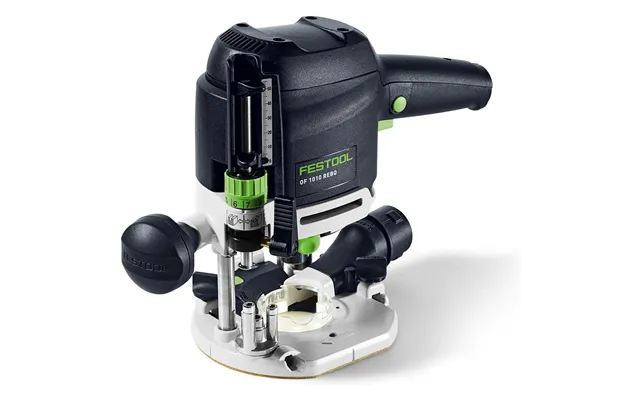
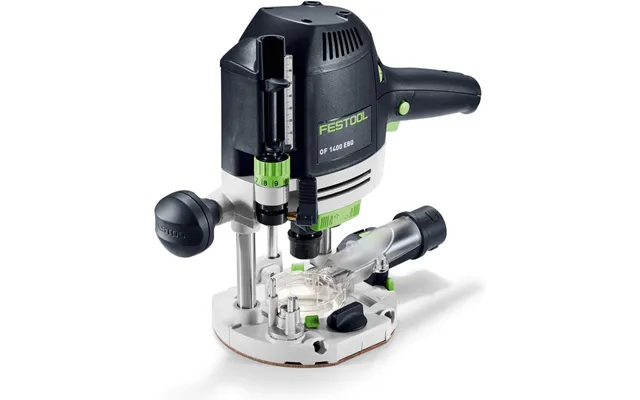
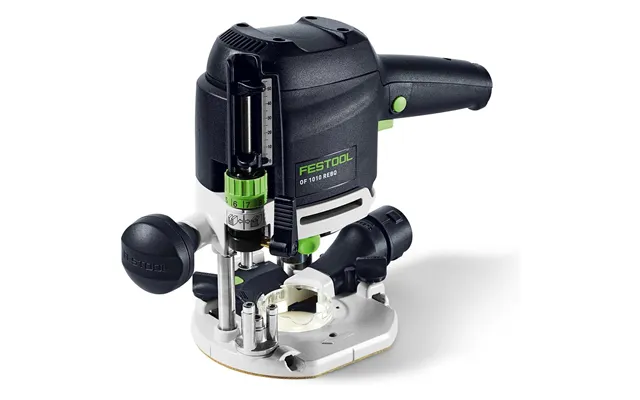
Think of a fixed-base router as your reliable daily driver. The motor sits at a set height, making it great for edge profiles, flush trimming, and repeatable cuts. If you’re installing laminate countertops or rounding over shelves, a fixed-base model stays steady and predictable. Many units support both 1/4-inch and 1/2-inch collets, so you can run everything from compact trim bits to stout panel-raising bits. Pair one with a router table and you’ll unlock consistent, hands-free control—perfect for production-style work where accuracy matters.
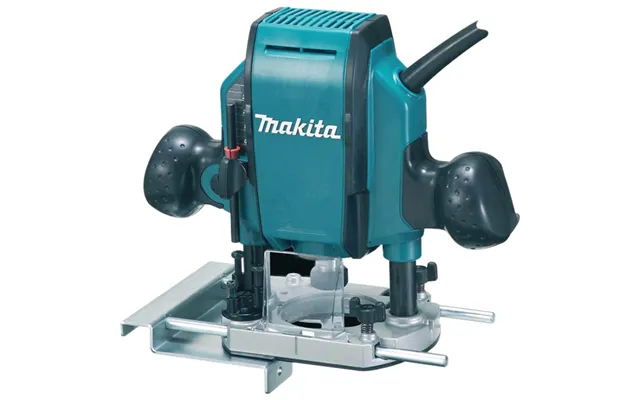
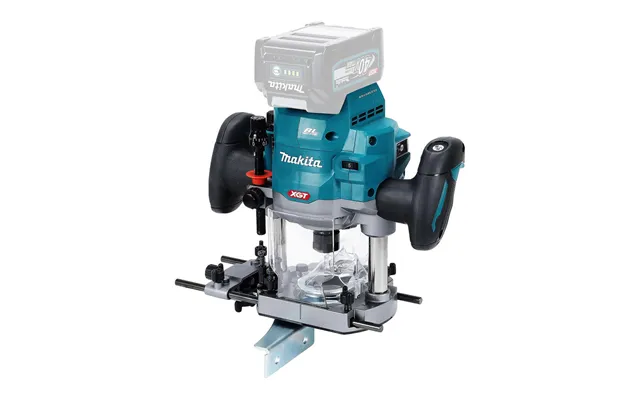
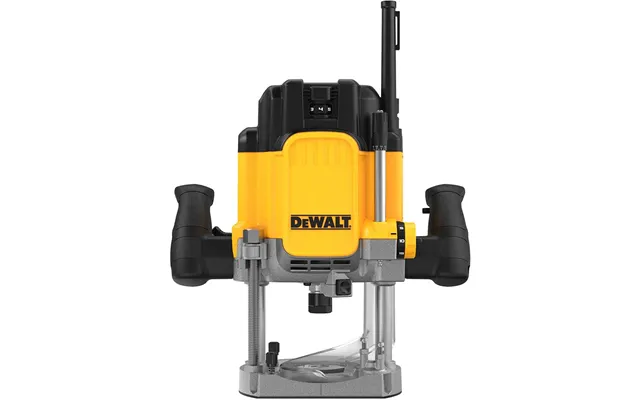
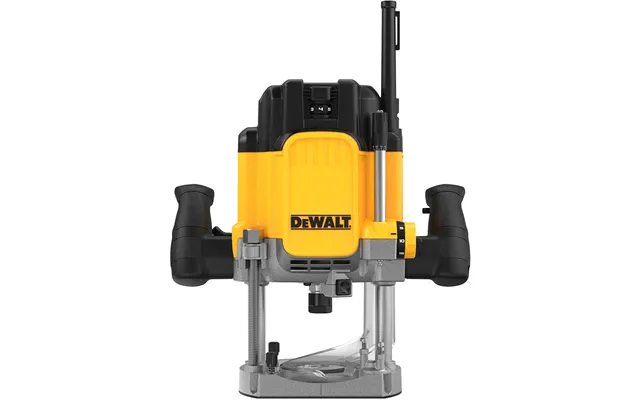
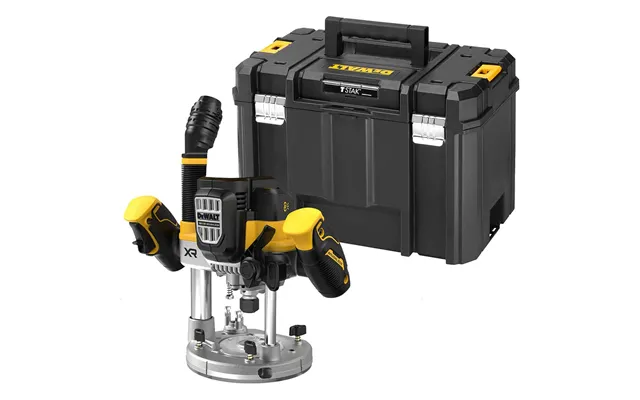
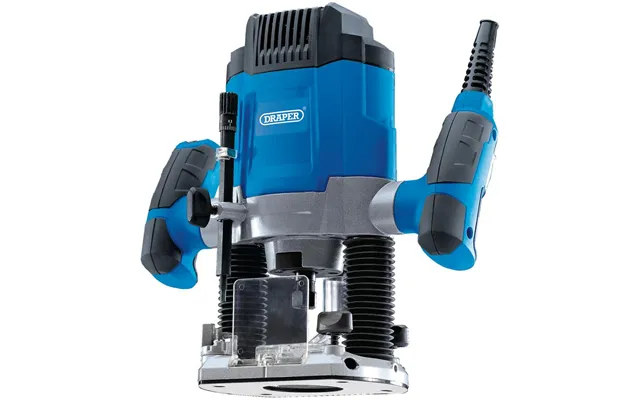
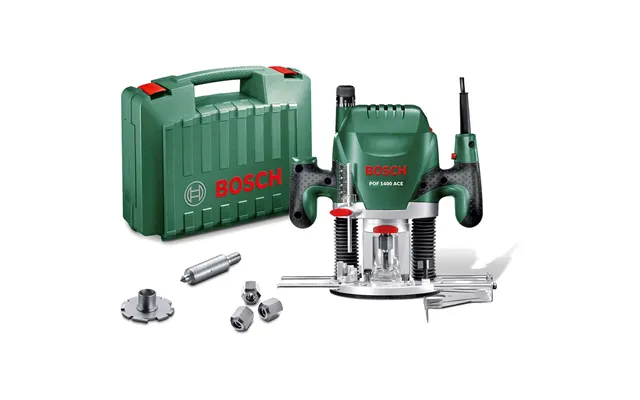
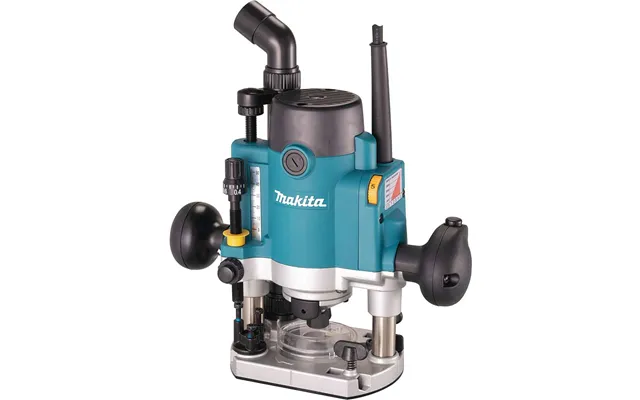
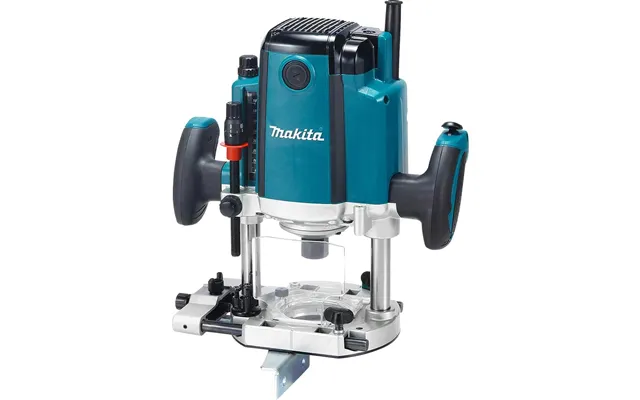
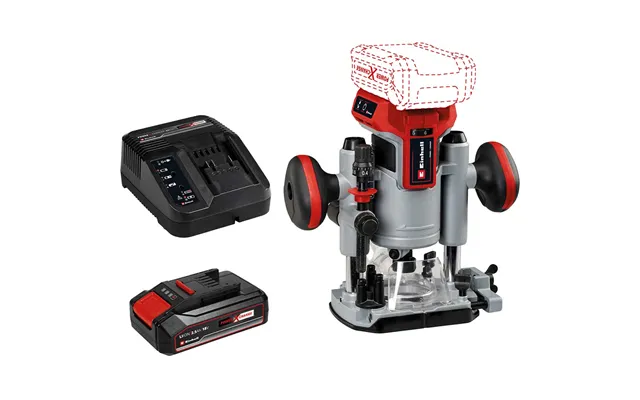
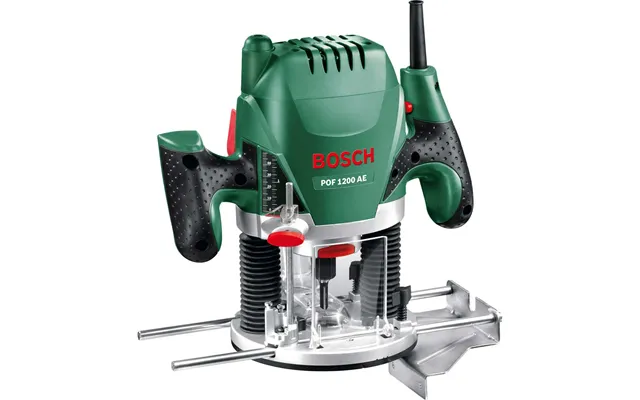
Plunge routers let you start the cut in the middle of your workpiece—ideal for mortises, stopped dadoes, hinge recesses, and inlay pockets. With smooth depth control and a spring-loaded base, you can drop the bit exactly where you need it, then pull back out cleanly. Look for a clear baseplate, easy-to-read depth scales, and micro-adjust knobs. If you handle joinery or interior cutouts, a plunge router is a game changer, especially when matched with guide rails or template bushings for dead-straight lines and repeatable results.
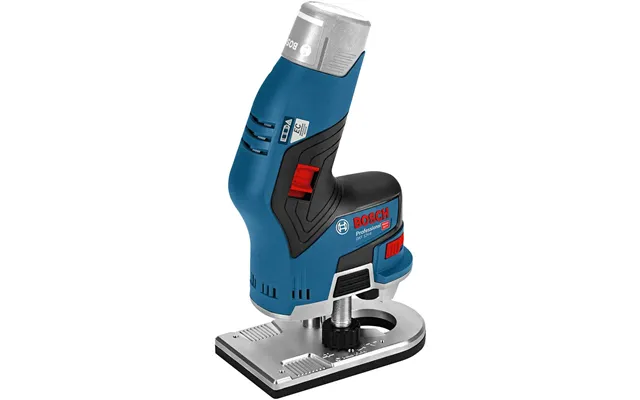
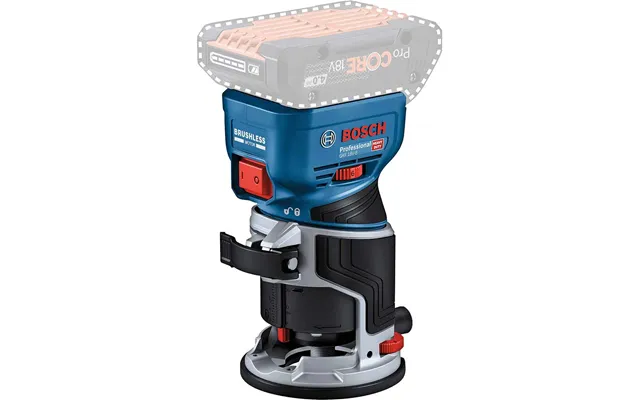
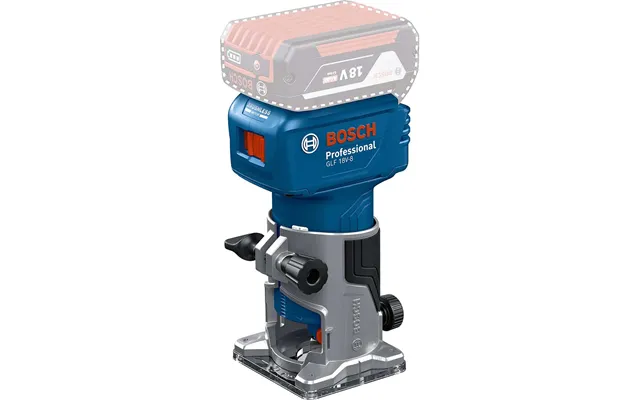
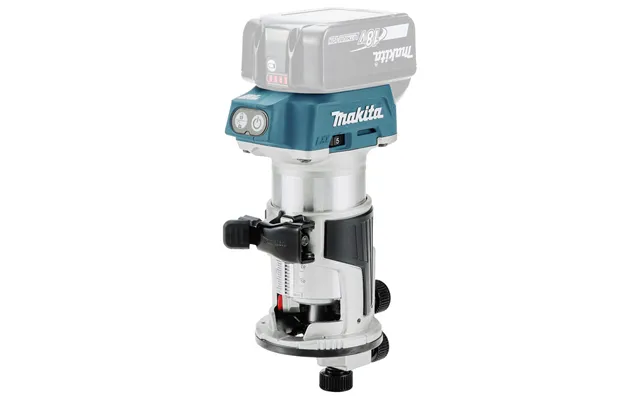
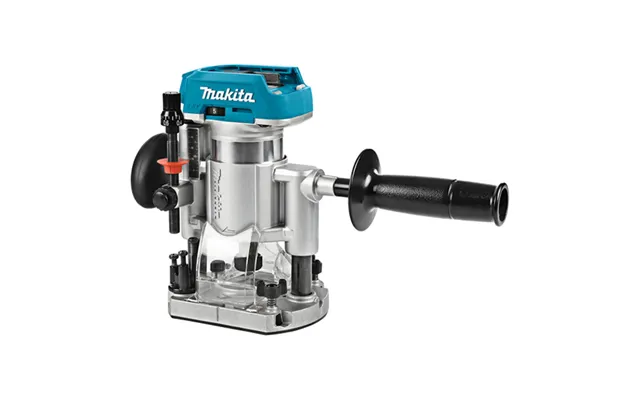
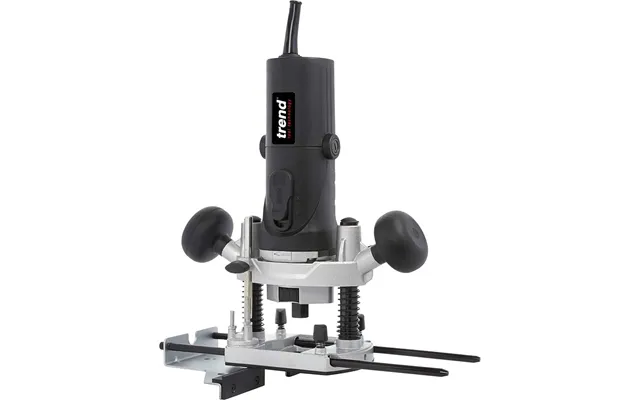
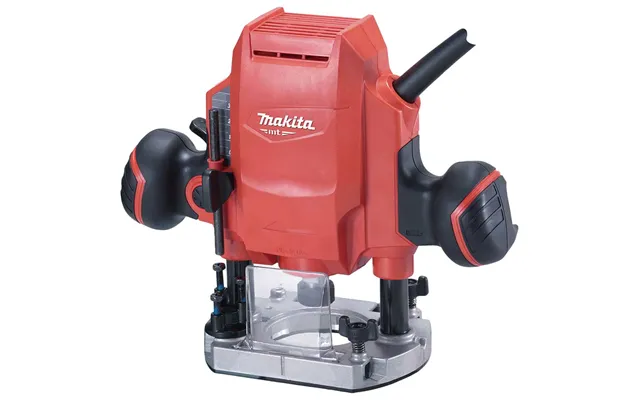
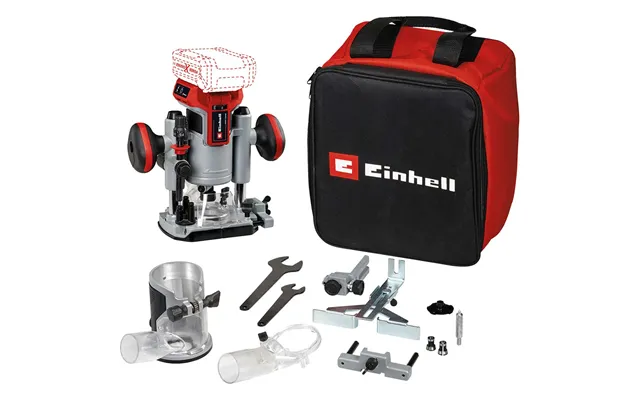
Small but mighty, trim or palm routers excel at lightweight tasks: edge rounding, flush trimming veneer, small grooves, and hardware cutouts. Their compact bodies and one-handed control make them great for ladder work or cramped spaces. Many models include quick depth adjustment and LED lights that help you see exactly where the bit meets the wood. If you’ve never owned a router before, a palm router is a friendly and affordable entry point that still delivers pro-level finesse.
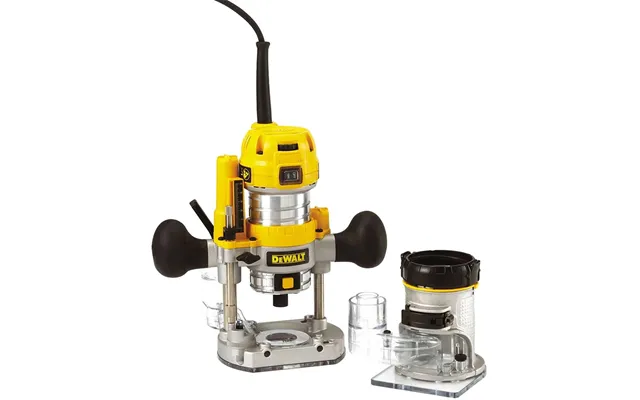
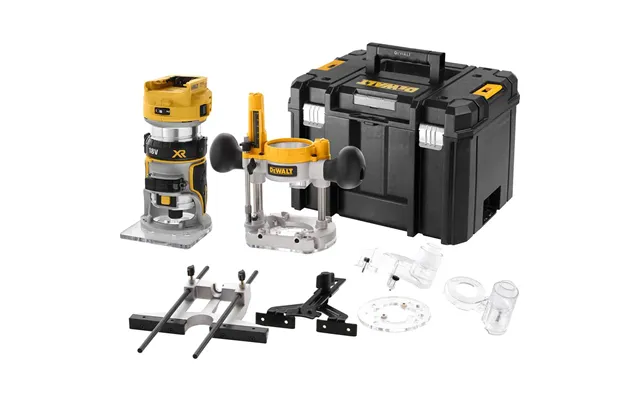
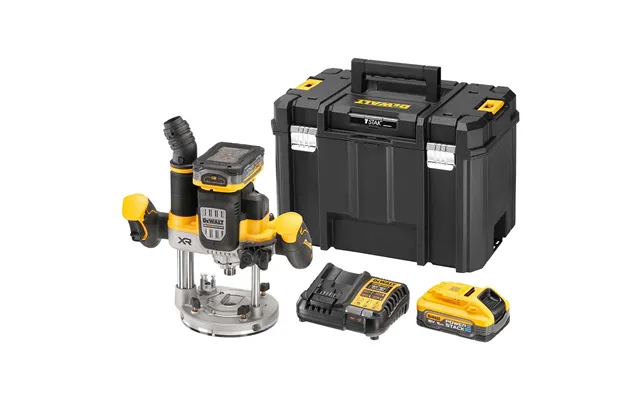
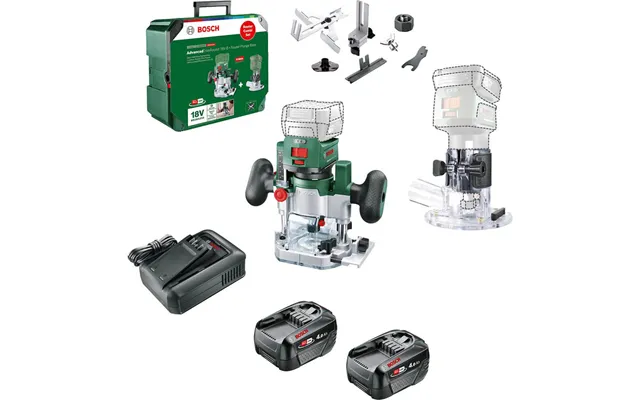
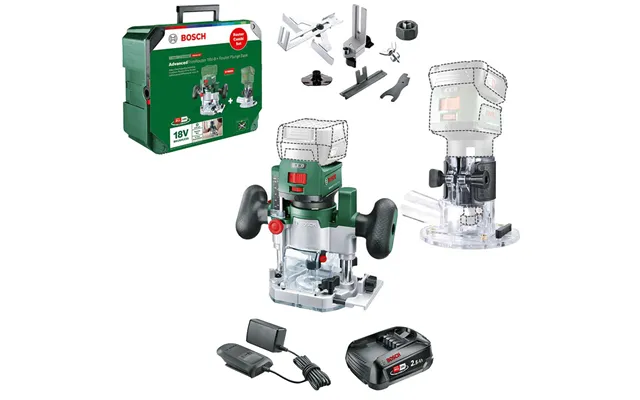
Can’t decide between fixed and plunge? Combo kits include a motor with swappable bases, giving you the best of both worlds. Use the fixed base for precision on the edge, then switch to the plunge base when you need interior cuts. Combo setups often deliver excellent value and let you build out your accessory kit around a single power unit—think multiple bases, guide fences, and dust hoods that all fit seamlessly.
When you’re weighing up routing tools deals, don’t just glance at the price. A few key features determine how a router will perform in real-world projects. Here’s what matters most—and why.
Horsepower and speed control tell you how a router behaves under load. Light trim routers might sit around 1 to 1.25 HP, while mid-range models land near 1.75 to 2.25 HP, and heavy-duty units push beyond that. Variable speed is clutch: spinning large bits too fast can cause burning, while small bits like higher RPMs for clean cuts. A soft-start feature keeps the tool from jerking in your hands at switch-on, and electronic speed control helps maintain consistent RPM even when the bit hits tough grain.
Bit shank size is the backbone of stability. A 1/2-inch collet grips more steel and reduces chatter, especially with bigger profiles or deeper cuts. A 1/4-inch collet is fine for lighter work and trim tasks. The best routers accept both, giving you flexibility to build an efficient bit collection without constantly swapping tools. Bonus points for models with high-quality, precision-ground collets that keep runout low and cuts silky smooth.
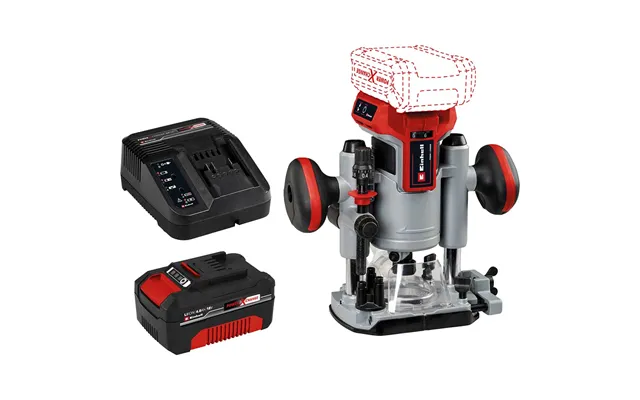
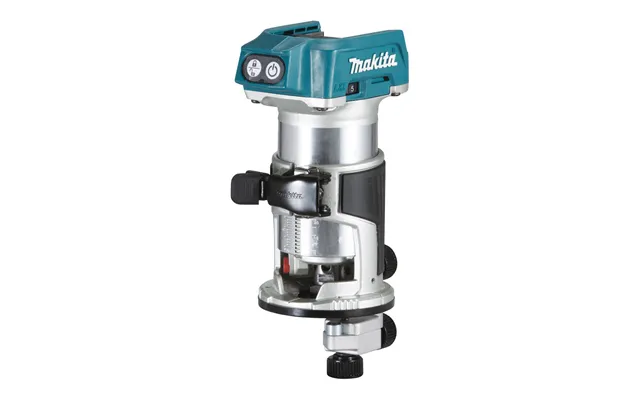
How a router feels matters more than spec sheets admit. Comfortable grips, a balanced center of gravity, and smooth depth adjustments make a long session feel like a breeze instead of a workout. Some pros prefer heavier routers for stability on the bench, while others reach for lighter bodies when working overhead. If you can, hold a few models in hand—or dig into detailed reviews—before you decide.
Routing throws chips everywhere, and dust build-up can ruin visibility. Look for included dust ports that fit common shop vac hoses. Clear baseplates and built-in LED lights help you track the cut line, especially on darker woods. Good dust capture keeps your workspace cleaner and your lungs happier, while also improving accuracy by keeping the bit and layout lines visible.
Your router is only as good as the bit you chuck into it. Investing in quality bits saves time, reduces tearout, and makes your work look intentionally professional rather than accidentally okay. If you’re browsing a routing tools price list, plan room in your budget for a small set of high-quality profiles.
Start with a few essentials: straight bits for dadoes and grooves, flush-trim bits with a bearing for template work, and roundover bits for soft edges. Add a chamfer bit for a clean, modern look; a rabbeting bit for casework; and a spiral upcut for crisp mortises. If you’re into doors and panels, a simple raised panel or cove bit can elevate your builds from basic to bespoke in a single pass.
Carbide-tipped bits hold an edge longer and resist heat, making them the go-to for hardwoods, plywood, and longer runs. High-speed steel (HSS) can be sharper out of the box but loses its bite faster. For most users, carbide is worth the investment—especially on frequently used sizes like 1/4-inch and 1/2-inch straight bits, or your favorite roundover profile.
When possible, choose 1/2-inch shanks. They’re stiffer and reduce vibration, which means cleaner cuts and safer operation. Keep a few 1/4-inch shank bits for tight spaces, small details, or trim routers. If a profile comes in both sizes and your router accepts 1/2-inch, go big—it’s the steadier option.
Mounting a router in a table turns a handheld tool into a miniature shaping station. You’ll gain stability, consistency, and new techniques you can’t do freehand. The right add-ons transform your workflow from careful guesswork to dialed-in precision.
A flat, rigid table with a level insert plate keeps your bit square to the work. If you change heights frequently, a router lift is a dream upgrade, moving the bit up and down with a turn of a handle—no more fumbling under the table. A tall, adjustable fence and featherboards keep stock firmly in place for repeatable profiles and safer cuts.
Edge guides help you cut straight grooves a set distance from the edge—perfect for shelves or stringers. Guide bushings work with templates and jigs, letting you trace shapes or follow patterns. Need identical parts? Make one template from MDF, attach it to your workpiece with double-sided tape, and run a flush-trim bit along the edge. You’ll get carbon-copy accuracy with minimal setup.
Jigs multiply your router’s potential. Dovetail jigs cut tight-fitting drawer joints in minutes. Hinge mortising jigs deliver factory-clean recesses without guesswork. Circle-cutting jigs let you dial in perfect arcs for tabletops or speaker cutouts. If you do one operation frequently, a jig often pays for itself in saved time and fewer mistakes.
Choosing a router isn’t just about specs—it’s about what you build. Here’s how to match tools to tasks so you hit the sweet spot between power, precision, and price.
For cabinets, furniture, and serious joinery, a plunge router with solid power and a 1/2-inch collet is your workhorse. You’ll cut mortises, dadoes, rabbets, and hinge recesses with confidence. Add a router table for panels and edge profiles, and keep a spiral upcut bit on hand for clean, chip-free grooves even in plywood face veneers.
Installing baseboard, casing, or custom trim? A trim router makes short work of edge softening and scribe cuts, and it’s effortless to maneuver. For wider profiles, switch to a fixed-base router in a table for consistent depth and a glass-smooth finish. A selection of roundover, chamfer, and ogee bits covers most styling needs.
For decorative work, precision is king. A plunge router with micro-adjust depth and clear sightlines shines here. Pair it with guide bushings and template kits for lettering, or use a V-groove bit for crisp sign carving. Inlay kits make it surprisingly easy to drop contrasting shapes into a tabletop or box lid—just let a template guide your way and sneak up on the perfect fit.
Routers are friendly tools when you respect a few basics. Build good habits, and you’ll work faster, safer, and with more confidence on every project.
Seat the bit fully, then pull it back about 1/8 inch so the collet grips properly. Make depth changes in small steps—especially on deep profiles. When possible, take multiple light passes instead of hogging out material in one go. Your motor will thank you, and your surface will come out cleaner.
Always secure your stock. Use clamps, featherboards, or a non-slip mat to keep things from shifting. Feed the router against the bit’s rotation—typically left to right when the bit is between you and the fence—so the cutter bites rather than runs away. If you feel the tool pulling forward, stop, reset, and approach from the safer side.
Keep your view clear with dust collection and good lighting. Eye protection isn’t optional, and hearing protection keeps you sharp and less fatigued. Router noise adds up over time, and a simple pair of earmuffs can make a long session much more comfortable.
There’s a sweet spot for every user. You don’t need the most expensive router to do great work, but you also don’t want to replace a bargain tool mid-project. Here’s how to position your spend based on needs.
If you’re new to routing or tackling occasional weekend projects, a trim router or modest fixed-base model is a smart start. Look for solid baseplates, straightforward depth adjustments, and compatibility with common 1/4-inch bits. Add a starter bit set and you’re off to the races without burning your budget.
Stepping up to a 1.75 to 2.25 HP router with variable speed opens the door to larger bits and more demanding work. Combo kits shine here, covering both edge and plunge tasks without doubling your spend. You’ll get better dust collection, smoother controls, and features that save real time on the bench.
If you live in your shop or run jobs for clients, pro-grade routers pay off. Expect rock-solid depth mechanisms, minimal runout, superb dust capture, and refined ergonomics that make long days manageable. Pair with a high-quality router table, lift, and a small fleet of carbide bits, and you’ve got a system that handles anything from doors to detailed moldings.
Finding the right price is all about timing and smart comparisons. Prices move, bundles change, and stock can be limited—so a little strategy goes a long way.
Use a comparison site, such as ZoneOffer, to line up specs, read highlights, and view prices from multiple trusted sellers at a glance. Instead of jumping between tabs, you can scan popular offers and a routing tools price list in one place, then click through to buy from the seller that fits your budget and delivery needs. It’s faster, clearer, and helps you spot genuine value.
Major sale periods and end-of-line clearances can knock serious dollars off routers and bit sets. Manufacturer-refurbished tools are another smart play—often lightly used, tested, and warrantied at a discount. If you’re flexible on features, these can deliver premium performance for mid-range money.
Bundles can be gold. Kits that include multiple bases, edge guides, dust hoods, and a few starter bits often beat buying items separately. Just make sure the included accessories match how you actually work—there’s no deal in paying for extras that gather dust.
A little upkeep goes a long way. Clean tools cut cleaner, last longer, and feel better in hand. Make maintenance a regular pit stop, not an emergency repair.
Blow out dust from vents and around the collet after every session. Wipe resin off bits with a dedicated cleaner so they stay sharp and cool. If your plunge posts feel sticky, a light application of a dry lubricant restores that silky travel you loved on day one.
Listen for noisy bearings or a motor that sounds rough—that’s your cue to inspect. Brushes on brushed motors wear down over time and are usually easy to replace. If bits slip or you notice chatter, the collet may be worn or dirty; swapping in a fresh, high-quality collet often brings precision back instantly.
Router bits hate banging into each other. Use a foam-lined case or a simple rack so edges don’t chip. Cap delicate bearings with protective sleeves, and keep everything dry to prevent corrosion. Sharp bits are safer and leave a finish that needs less sanding—always a win.
Routing tools open the door to clean joinery, custom shapes, and those small details that make a project look truly finished. Whether you’re leaning toward a nimble trim router, a powerful plunge model, or a versatile combo kit, focus on the features that match your projects: horsepower, variable speed, collet options, dust control, and ergonomics. Build a small arsenal of quality bits, consider a router table for repeatable results, and work with smart jigs to boost accuracy. When it’s time to buy, compare popular offers and scan a clear routing tools price list on a trusted comparison site so you get the right tool at the right price. With the essentials dialed in, your next build won’t just come together—it’ll stand out.
| Routing Tools | Price | |
|---|---|---|
| Black & Decker V20 18v 8mm 1 4 Router - Bare | £ 117,71 | |
| Black & Decker V20 18v 8mm 1 4 Router - Bare | £ 118,32 | |
| 18v Router Trimmer With Trimmer Base | £ 186,47 | |
| Bosch 06016c6070 18v Professional Palm Router Bare Unit | £ 208,41 | |
| Bosch Gkf 18v-8 Professional 18v Cordless Palm Router Bare Unit | £ 245,89 |