All categories
Business & Offices
Electronics & Media
Fashion & Accessories
Groceries & Essentials
Health & Personal Care
Home & Living
Kids & Family
Sports & Outdoors
Search in ZoneOffer
Loading...
If you’re building, fixing, or fabricating metal, two tools can skyrocket your results: a quality welding gun and a reliable plasma cutter. One fuses metal with precision; the other slices through steel like a hot knife through butter. When you match the right tool to your projects and compare smartly across brands and features, you save time, money, and a lot of headache. The good news? There are excellent options for every budget—whether you’re tackling weekend projects at home or turning out parts for paying clients. Let’s break it all down so you can shop with confidence and choose a setup that actually delivers.
Choosing a welding gun isn’t just about grabbing what’s on sale. It’s about matching the welding process—MIG, TIG, or Stick—to your material, position, and finish requirements. MIG guns are fast and forgiving, TIG torches give you surgical control, and stick electrode holders shine outdoors and on dirty steel. You don’t need them all, but understanding the trade-offs helps you decide once and buy right.
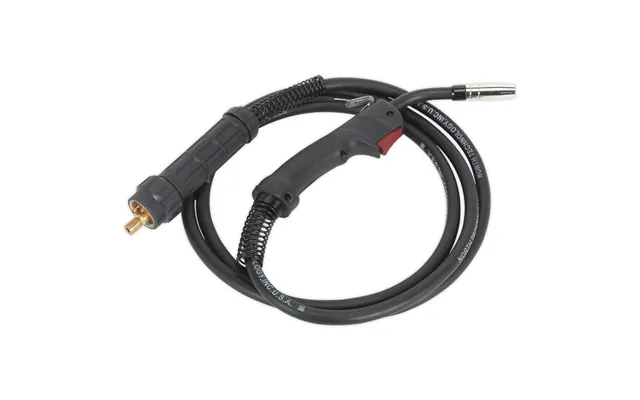
MIG guns are the go-to for speed and ease. A solid MIG gun balances amperage rating, duty cycle, and ergonomics. Look for a comfortable handle, a smooth trigger, and a neck angle that lets you reach tight corners without twisting your wrist. Pay attention to the amp rating and duty cycle at a realistic output—think in the 150–250 amp range for most home and small-shop work. Consumables matter, too: quality tips, nozzles, and diffusers reduce spatter and birdnesting. A 10–15 ft lead is common; if you need more reach, consider a 15–20 ft setup but make sure your wire drive can push consistently at that distance.
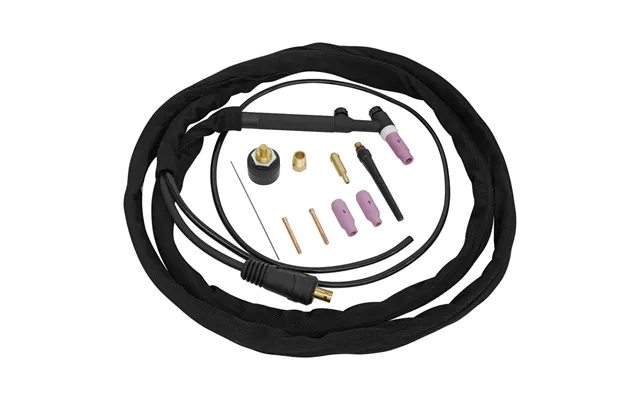
TIG torches are all about finesse and heat control. Air-cooled torches are lighter and simpler, ideal up to moderate amperage. Water-cooled torches stay cooler at higher amps but add hoses and a cooler box to your rig. A flex-head torch gives you angles without contorting your body, and a comfortable back cap reduces fatigue on longer runs. If your machine supports it, a foot pedal or fingertip remote puts fine-tuned heat control at your fingertips. Look for robust power cables and a braided sheath that won’t snag. For most light fabrication, a 12.5–25 ft lead strikes a good balance between reach and responsiveness.
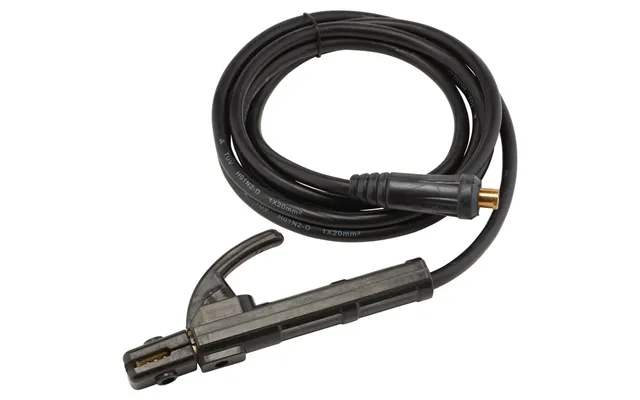
Stick is still king for structural work, quick repairs, and welding outdoors. A good electrode holder grips firmly with a solid bite and resists heat creep during extended runs. Insulation is critical for safety and comfort. Pair your holder with heavy-duty leads sized appropriately—2/0 gauge for long 50–100 ft runs and higher amps, 1/0 for moderate distances. Don’t skimp on clamps either; a poor ground clamp turns even the best machine into a headache.
A plasma cutter can change how you work. You’ll cut faster, cleaner, and with less grinding compared to a cutoff wheel. But not all plasma cutters are equal. Focus on cut capacity, duty cycle, starting method, and air requirements. When you get those right, the rest feels effortless—and your consumables last longer.
Manufacturers list cut ratings in three flavors: clean cut, pierce, and severance. Clean cut is where you get smooth edges with minimal dross—great for parts that need to fit up or paint fast. Pierce rating tells you how thick you can start the cut in the middle of a plate without drilling a pilot hole. Severance is the absolute max thickness the machine can hack through if you’re patient, though the edge will be rougher. If you regularly cut 3/8 in steel, look for a machine that clean-cuts at least 1/2 in and severs around 3/4 in. That headroom keeps your duty cycle comfortable and your consumables happy.
Plasma cutters need dry, steady air. Starve them and you’ll chew through consumables and get inconsistent arcs. Check the spec sheet for psi and SCFM at the working pressure. A common sweet spot is around 90–120 psi at 4–6 SCFM for midrange units, while bigger cutters can demand 7–10 SCFM or more. If you use a compressor, consider at least a 20–30 gallon tank for reasonable duty on midrange cutters and add a moisture filter or refrigerated dryer. Keep hose runs under 25–50 ft where possible, and use 1/4 in or 3/8 in hose with clean fittings. Water in the line? Expect sputtering arcs and premature nozzle wear.
Pilot arc lets you cut through paint, rust, and expanded metal without perfect grounding on the workpiece. It’s a time saver and a consumable saver. Blowback start is a modern, electronics-friendly method that avoids high-frequency (HF) interference—handy if you work near sensitive electronics or CNC controls. HF start can be smooth and reliable, but it may require extra shielding for nearby devices. If you’re cutting on a CNC table, blowback start and machine torch compatibility are a big plus.
Everyone compares sticker prices, but the day-to-day costs come from consumables and cables. A smart pick up front can cut operating costs by a big margin. Look for systems with readily available tips, electrodes, cups, and diffusers. If replacements are scarce or overpriced, that “deal” fades fast. Also, cable quality is key—cheap insulation cracks, stiff leads tangle, and undersized conductors heat up. Better gear pays you back in consistency and safety.
For MIG guns, 10–15 ft is standard; 20 ft is doable with a strong wire drive and clean liner. TIG torches commonly run 12.5–25 ft; longer sets can feel laggy and heavier. Stick leads often stretch 25–100 ft, with cable gauge chosen for current and distance—1/0 or 2/0 for long runs or high amps. For plasma cutters, a 12–20 ft torch lead keeps you mobile around a fab table. If you need more reach, consider an extension but watch for voltage drops and signal integrity on CNC setups.
Consumable life is a litmus test for overall system health. If tips are burning out fast in MIG, check contact-tip size, stickout, and gas flow. For TIG, contaminated tungsten or cracked cups trash your finish. With plasma, nozzle and electrode wear spikes when air is wet, pressure is off, or the torch angle is unstable. Buy multi-pack kits for the parts you replace most, keep them organized, and track replacement frequency. This tells you whether a different brand, machine setting, or airflow tweak could save you serious money over time.
Great tools that don’t connect are just expensive paperweights. Check the connector standard on your welder and gun or torch. Many MIG guns use Tweco-style or Euro-type connectors, while power connections often use Dinse-style connectors on stick and TIG. Plasma cutters may offer machine-torch ports for CNC and remote on/off. Adapters exist, but native compatibility is cleaner and less failure-prone. If you plan to upgrade later, buy with that path in mind to avoid a dead-end ecosystem.
If you bounce between MIG and TIG, quick-change setups save time. On MIG, a quick-disconnect gun with a consistent liner and drive rolls tuned for your wire size avoids birdnesting. On TIG, a gas-through Dinse connection with a solid collet system simplifies swaps. For plasma, a torch with a quick plug and keyed alignment keeps consumable seating precise. The less you wrestle cables and adapters, the more you weld and cut.
A tough shell, reinforced strain reliefs, and heat-resistant materials matter more than flashy paint. Look for comfortable grips, balanced weight, and protective boots or guards where leads meet the handle. Duty cycle isn’t just a spec sheet brag—it’s a real limit. If you’re running close to max output, consider stepping up a size so you can work longer without tripping thermal protection. Portable units under 40–50 lb are easier to move around, but check that lighter weight doesn’t mean plastic parts where metal should be.
In a fixed shop, longer leads and heavier guns are fine. On mobile jobs, you’ll want lighter torches, rugged cases, and connectors that hold tight even when tossed in the truck. If you’re climbing ladders with a stick setup, a compact electrode holder and flexible cable reduce fatigue. For plasma, a shoulder strap and a 15–20 ft torch lead keep you nimble without dragging the machine over every obstacle.
Good safety is good productivity. Clear lenses and the right shade level help you see the puddle and reduce rework. A well-ventilated area or a fume extractor near the arc protects your lungs and your focus. Comfortable gloves that fit your process—thin for TIG finesse, padded for MIG heat—keep your hands steady. Keep tips, nozzles, and cups clean, and replace parts before they fail. A little maintenance between passes beats wrestling a clogged liner mid-bead.
A strong ground clamp on clean metal is the unsung hero of a stable arc. For MIG and TIG, stable gas flow matters—too much and you suck in air; too little and your bead oxidizes. For plasma, dry air at the right pressure is everything. Fix these basics, and your welds and cuts improve overnight. Skip them, and no fancy feature can save you.
Comparing across multiple sellers and brands pays off. Prioritize the specs you actually need—amp range, duty cycle, pilot arc, cable length—and weigh them against warranty terms and the availability of consumables. Bundles can be great if they include the right extras: extra tips and nozzles, a regulator, quality leads, or a carry case. Keep an eye out for seasonal promos, loyalty discounts, or refurbished units with full warranties. Using a comparison site helps you line up features side by side so you’re not guessing what you’re paying for.
New gear brings the latest features and the longest warranties. Refurbished units can deliver top performance at a lower price if they’re factory-inspected and carry a solid warranty. Just verify what’s included—torches, leads, regulators—and check that consumables are standard and easy to find. If a deal looks too good, confirm parts availability before you commit.
While the best choice depends on your workload, certain models and families have earned their reputation. For MIG guns, Tweco-compatible and Euro-style options dominate due to wide parts availability. Many users like the balance and durability of mid-size guns in the 150–250 amp range, especially when paired with common wire sizes from 0.023–0.035 in. On the TIG side, compact air-cooled torches with flex heads and gas lenses deliver clean, controlled beads on thin material, while water-cooled packages shine on thicker sections and extended runs. For plasma cutting, units known for clean 3/8–1/2 in cuts with pilot arc and blowback start are sweet spots for small shops—quick, clean, and easy on consumables when fed with dry air.
Big-name brands like Lincoln Electric, Miller, ESAB, and Hypertherm are popular for good reason—robust parts networks and reliable performance. Hobart’s compact plasma units often stand out for portability and straightforward operation. That said, there are excellent value picks from newer entrants, especially if they use standard connectors and common consumables. Before you decide, verify connector types, cable lengths, and kit contents. Two nearly identical boxes can differ wildly in what’s inside.
Great results start with a simple checklist. On MIG, match your tip to the wire size, trim the liner correctly, and keep your stickout consistent. On TIG, sharpen tungsten with a consistent taper and keep the cup clean; gas lens kits can smooth your puddle and reduce turbulence. With plasma, set air pressure per the chart, hold a steady standoff with a drag shield when possible, and move at the right speed—too slow and you’ll see slag piling up, too fast and the arc trails behind with sparks on top of the work.
Getting birdnests at the feeder? Check drive roll size, tension, and liner cleanliness. Porosity in MIG or TIG? Confirm gas flow, look for drafts, and clean the base metal. Plasma cutting with ragged edges? Re-check air dryness and pressure, slow your travel slightly, and replace worn nozzles. Nine times out of ten, simple fixes solve the problem and restore your groove.
The best bargain is the tool that stays consistent and cheap to run. That often means spending a little more up front for standard consumables, better cables, and solid connectors. Track what you replace, how often, and why. If you find yourself burning tips every few hours, something upstream needs attention—air quality, settings, or technique. Tuning your setup can save you far more over a year than the difference between two boxes at checkout.
If you plan to add a spool gun for aluminum, a machine torch for CNC, or a water cooler for TIG, choose equipment with clear upgrade paths. Keep manuals handy and note connector standards in your shop log. Building a compatible ecosystem lets you swap parts, share leads, and keep downtime to a minimum.
Welding guns and plasma cutters are the muscle and finesse of any serious metal shop. Focus on the fundamentals—amp range, duty cycle, consumables, connectors, and air requirements—and the right choice becomes obvious. Compare across brands with your real needs in mind, prioritize availability of parts, and don’t overlook warranty details. With a smart pick, you’ll spend less time fighting your tools and more time producing clean welds and crisp cuts you’re proud to show off.
| Welding Guns & Plasma Cutters | Price | |
|---|---|---|
| Climax Cpa Welding Shield Black Cx405cpa | £ 42,98 | |
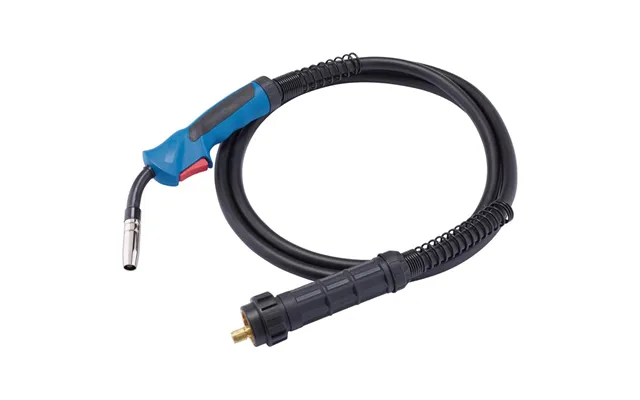
| Draper Wtrcheuro Mig Welding Torch | £ 48,95 | |
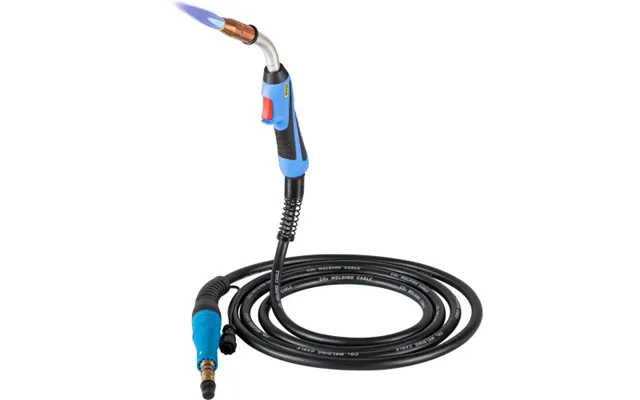
| Vevor Mig Welding Gun 250amp 15ft - Fit For Torch Welder Gun Miller Welding Gun M-25 Welding Torch Stinger Replacement F | £ 51,99 | |
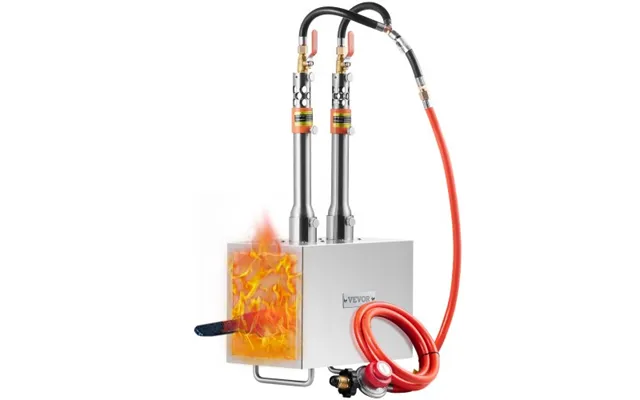
| Vevor Portable Propane Forge - 2 Burner Farrier Forge | £ 95,99 | |
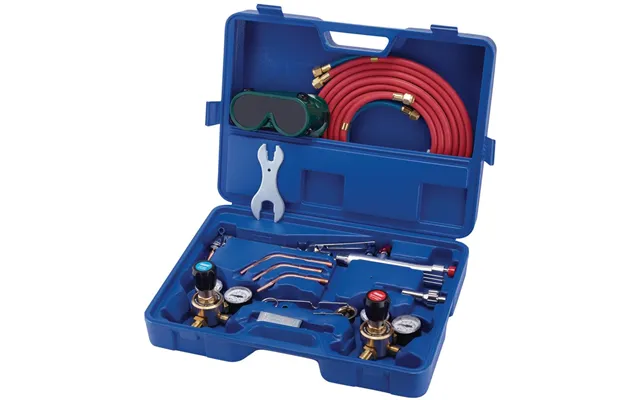
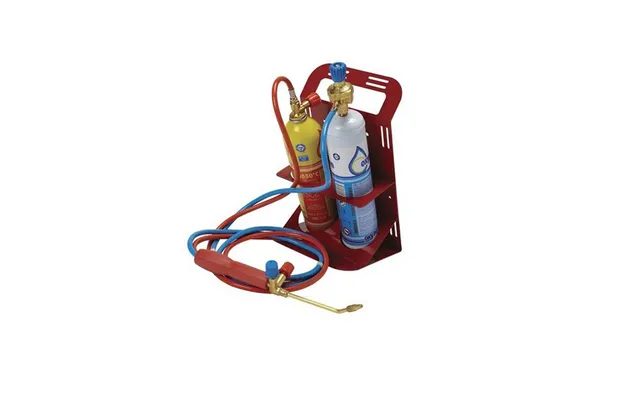
| Draper 12 Piece Oxyacetylene Welding And Cutting Tool Kit | £ 193,95 |