
Pneumatic Drills price list
Last updated Sunday, 27 Sept 2026





View 13 Offers
Loading...
Last updated Sunday, 27 Sept 2026
If you're weighing up whether to add a pneumatic drill to your toolbox, you're in the right place. This guide walks through what pneumatic drills do best, how they work, what to look for when buying, and the accessories and maintenance tips that keep them running like a champ. Think of this as a friendly chat over a workbench — practical, no-nonsense, and focused on helping you get the most out of air-powered drilling tools.
Pneumatic drills, often called air drills, are built for repetitive, heavy-duty work where durability and consistent power matter. They’re lighter than many electric counterparts, deliver strong torque, and resist overheating when used continuously. If you spend long hours on a job site, run a busy garage, or need a tool that thrives under tough conditions, an air drill often makes sense. Plus, with the right compressor, you avoid the drain on electrical circuits that can trip breakers when multiple electric tools run at once.
At their core, pneumatic drills convert compressed air into rotational motion. The compressor pushes air through a hose into the drill’s motor, which spins the chuck and drives the bit. It’s a simple system, but when matched properly to your compressor and job, the results are reliable and powerful — like delivering steady steam to a turbine.
When sizing an air system, watch two key specs: pressure (measured in psi) and flow (measured in cubic feet per minute, or CFM). Most common pneumatic drills run comfortably at 90 to 120 psi, but each model lists a recommended operating psi. The CFM requirement tells you how much continuous air the drill consumes — for example, a small 3/8-inch air drill may need around 3 to 4 CFM, while a 1/2-inch heavy-duty model might demand 8 CFM or more. If your compressor can’t keep up, the drill will bog down and perform poorly.
Pneumatic drills come in several shapes and sizes, each tailored to different tasks. Selecting the right style means matching tool form to function — like picking hiking boots for the right terrain.
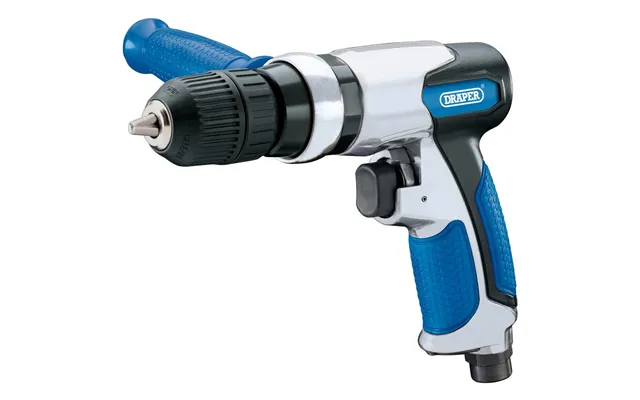
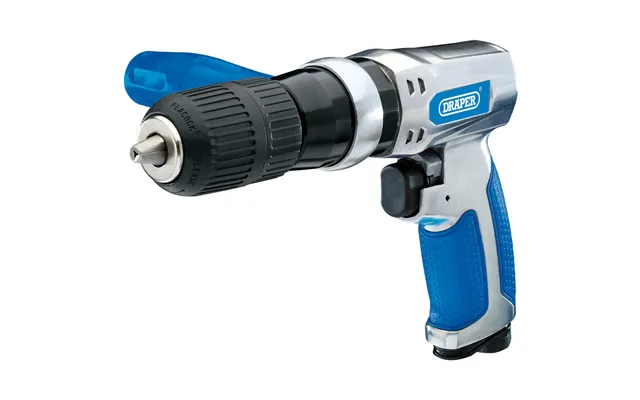
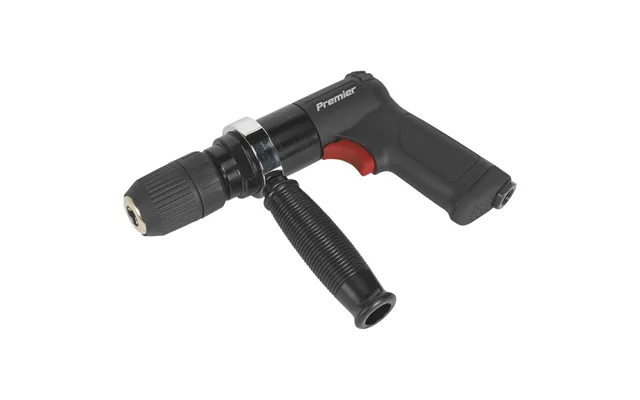
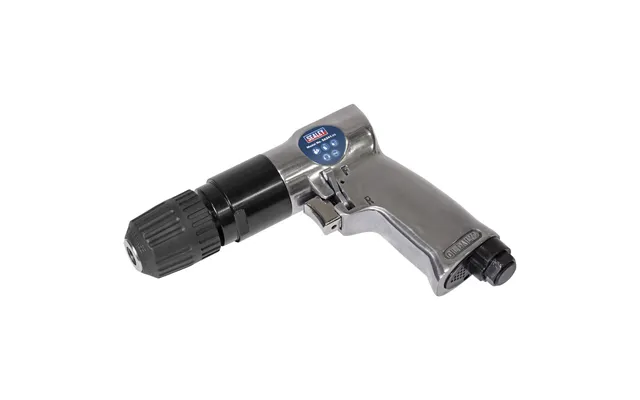
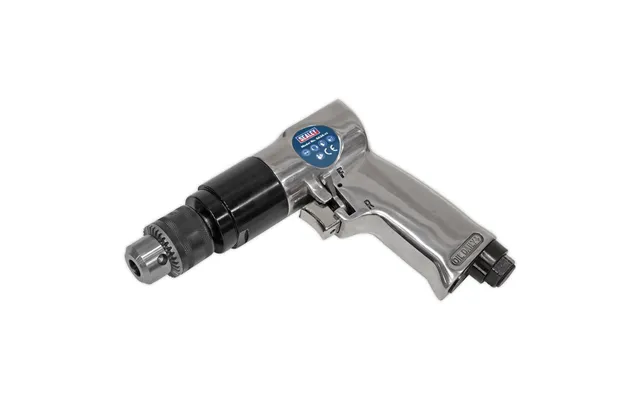
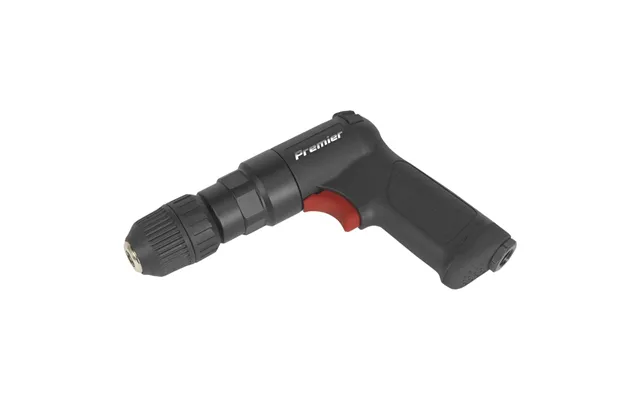
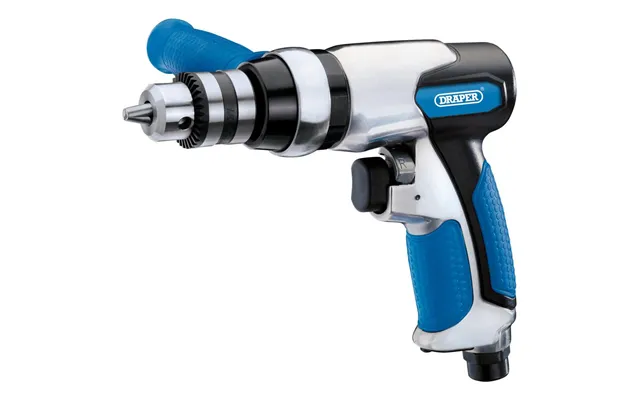
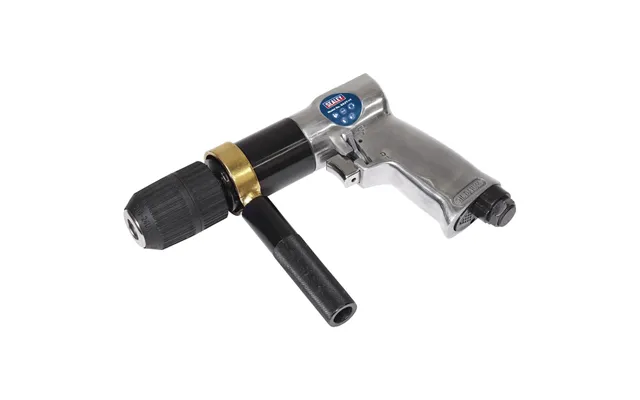
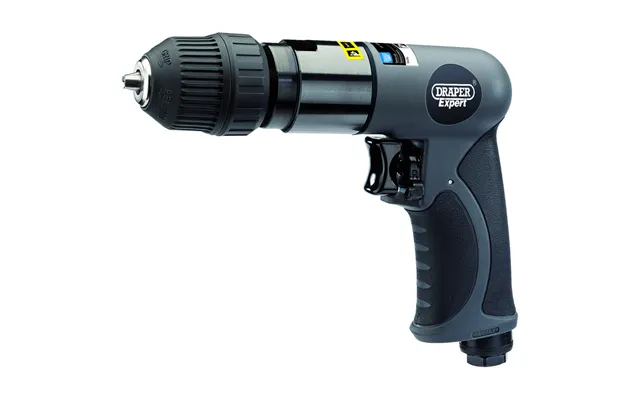
Pistol-grip or inline air drills are versatile and common. They feel familiar to anyone used to a standard electric drill, making them great for general drilling and fastening tasks. They’re typically available with 3/8-inch or 1/2-inch chucks and work well in both tight and open spaces.
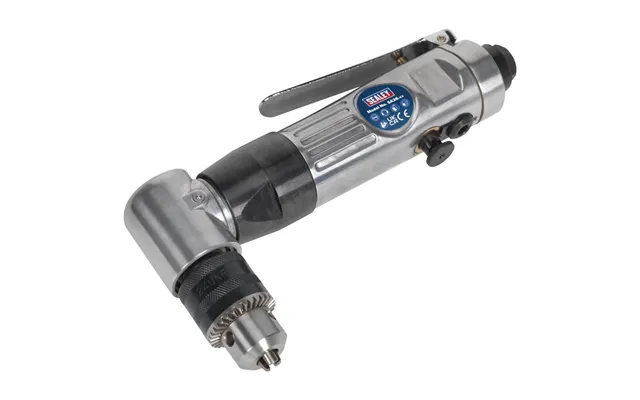
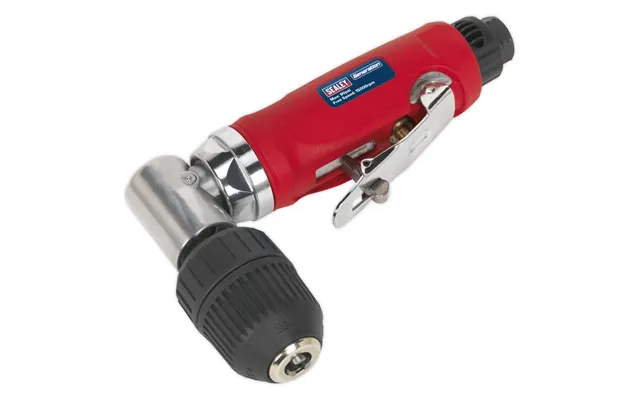
When space is tight — think inside a cabinet or between studs — right-angle air drills shine. Their head sits at 90 degrees to the handle, so you can drive fasteners or drill holes where a straight tool won’t fit. Expect these to be compact and often lower in torque compared to full-size inlines.
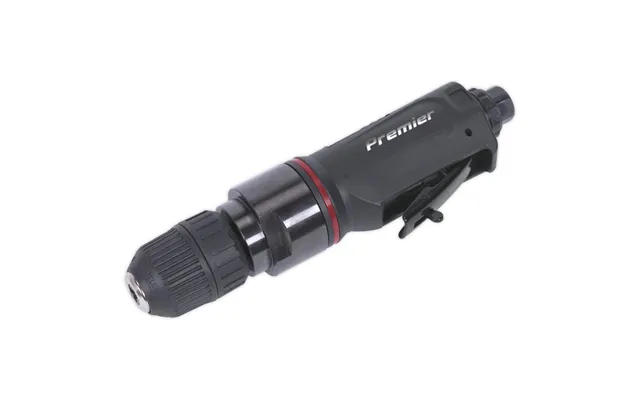
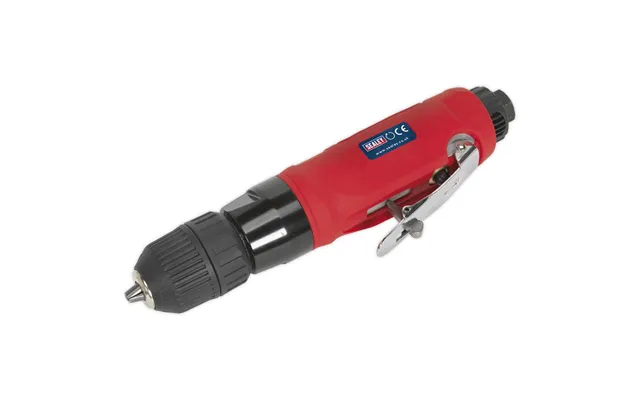
Straight air drills look more like a die grinder than a typical drill and are excellent for overhead or awkward-angle work. They’re usually lighter and easier to maneuver in cramped environments, though they may require adapters for bit types.
Some pneumatic tools combine rotational drilling with percussive action, useful in masonry or heavy construction. These are specialized, heavier tools and need robust compressors — but they’re invaluable when drilling into brick or concrete where a normal drill would struggle.
Deciding between air and electric drills is like choosing between a sports car and a pickup truck — each has its place. Pneumatic drills are lighter per unit of power, resist heat buildup, and are rugged for continuous use. Electric drills offer portability without a compressor, more variable speed controls on some models, and ease for occasional DIYers. If you work in a shop with multiple air tools, a pneumatic drill is often the smarter long-term pick. If you need a grab-and-go solution for light tasks, an electric drill is tempting.
While I won’t push a single model, it helps to know the categories and reputable manufacturers. Look for air drills from established tool makers known for air tools — their models often share durable internals and better warranty support. Consider pairing a compact 3/8-inch air drill for general fastening with a 1/2-inch model for heavier holes and larger fasteners. Add a right-angle drill for tight spaces and a rotary hammer-style pneumatic tool if you ever tackle masonry.
No pneumatic drill operates without a compressor. Match the compressor’s tank size and CFM output to your tool needs. For one or two light air tools, a portable compressor with a 6 to 10-gallon tank and 4 to 5 CFM at 90 psi may suffice. For busy shops with multiple tools, consider a stationary unit with a 60-gallon tank or more and a CFM rating that covers peak demand. Bigger tanks smooth out short bursts; higher CFM keeps tools running without pulsing.
Don’t skimp on hose diameter or quality — larger hoses reduce pressure drop. For runs under 50 feet, a 3/8-inch hose often works, but for longer distances or higher flow needs, a 1/2-inch hose cuts pressure loss. Use quality fittings and quick-connect couplers to prevent leaks; a hairline leak can cost you performance and patience.
An FRL assembly keeps your drill happy. Filters remove moisture, regulators control pressure, and lubricators add a fine mist of oil to protect internal parts. Set the regulator to your drill’s recommended psi and top up the lubricator with a few drops of pneumatic tool oil before long runs.
Shopping for a pneumatic drill comes down to matching specs to your jobs and environment. Think about torque, chuck size, air consumption, ergonomics, and durability. Here are the key things to check before you click “buy.”
Common chuck sizes are 3/8-inch and 1/2-inch. A 3/8-inch chuck handles most standard bits and is lighter, while a 1/2-inch chuck is better for larger bits and tougher drilling jobs. Also decide whether you want a keyed chuck for a tight grip or a quick-change style for speed.
Torque determines how well the drill drives screws and large bits without stalling; RPM affects how fast you can drill. If you’re doing metalwork or large wood holes, higher torque matters. For small pilot holes and general fastening, higher RPM with moderate torque usually does the trick.
You’ll thank yourself for a comfortable grip and a well-balanced tool, especially on long jobs. Weight measured in pounds matters: lighter tools reduce fatigue, but very light tools may sacrifice durability. Aim for a tool that feels solid without being a burden — roughly in the 2 to 6-pound range for handheld models, depending on size.
Look for metal housings and easily replaceable parts. Tools that can be disassembled for slight repairs or brush replacement extend the life of your investment. A clear warranty and parts availability from the manufacturer are nice bonuses.
Besides the drill and compressor, a few accessories make the whole system smoother and safer. Invest in these and you’ll save time and money down the road.
Using the right bit material matters. For metal, pick cobalt or high-speed steel bits; for masonry, use carbide-tipped bits. Sharp, appropriate bits reduce strain on the drill and make holes cleaner and faster.
Regular oiling prevents corrosion and wear. A daily drop or two from a dedicated pneumatic tool oil bottle keeps internal parts lubricated. Some users prefer an inline oiler for continuous lubrication during longer work stretches.
Keep hoses tidy with a reel. It reduces tripping hazards, prevents kinks that restrict airflow, and makes it easier to move around the job site. A 25- to 50-foot hose reel is a solid middle ground for most workshops.
Simple maintenance is the secret sauce for air tools. Spend a few minutes each day and the drill will reward you with years of steady service.
Before use, inspect hoses and fittings for leaks, ensure the chuck is tight, and give the tool a quick air blast to clear debris. Run the tool briefly to feel for odd noises or vibration — they’re early warning signs.
Drop a few drops of pneumatic oil into the air inlet before long work sessions and after extended idle periods. If you use an inline lubricator, set it to the manufacturer’s recommended drip rate — too much oil can be messy, too little leaves parts dry.
Moisture is the enemy of air tools. Drain your compressor tank daily if you work in humid conditions and keep your drill in a dry case or cabinet. Wipe off grime after each use; a clean tool works better and reveals small problems before they become big ones.
Air tools are energetic machines — respect them. Always wear eye protection, consider hearing protection (air tools can be loud), and secure the workpiece with clamps or a vise. Never point an air hose at yourself or others, and disconnect the hose before changing bits or doing maintenance. Treat air pressure with the same seriousness as electricity or open flame.
Pneumatic drills are ubiquitous in auto shops, fabrication shops, assembly lines, and construction sites. They’re perfect for repetitive fastening, drilling through metal and wood, and working in environments where tool weight and continuous operation matter. If your day involves dozens or hundreds of fasteners, the consistent power and durability of an air drill can save time and reduce fatigue.
Initial cost for a pneumatic drill can be attractive, but remember the total system price: the compressor, hoses, FRL, and maintenance consumables add up. If you already have a compressor and air infrastructure, adding a quality air drill is often a high-value choice. If you don’t, weigh the upfront investment against how often and intensely you'll use the tool. For pros and frequent users, the durability and serviceability of air tools often deliver better lifetime value than cheap electric alternatives.
Buying tips in a nutshell: match CFM and psi requirements, choose the right chuck size, invest in quality bits and a proper compressor, and keep up with simple maintenance. Think of a pneumatic drill as a reliable workhorse — with the right care and setup it will outperform for years.
Conclusion: Pneumatic drills are a smart choice when you need dependable, lightweight power for prolonged or heavy-duty tasks. They pair well with a properly sized compressor and a good set of accessories, and they reward maintenance with long life and consistent performance. Whether you're a DIY enthusiast looking to step up your toolkit or a professional outfitting a workshop, an air drill is worth serious consideration — just size your system right and treat it with basic care.