
Oil Filter Drains price list
Last updated Sunday, 27 Sept 2026
| Oil Filter Drains | Price |
|---|---|
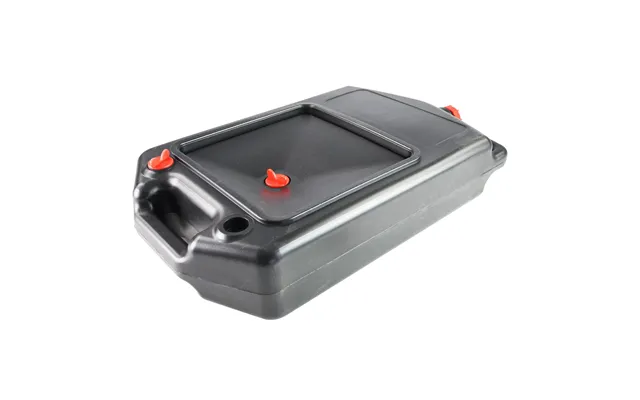
| Bike It Oil Drain Can - 8 Litres | £22.98 |
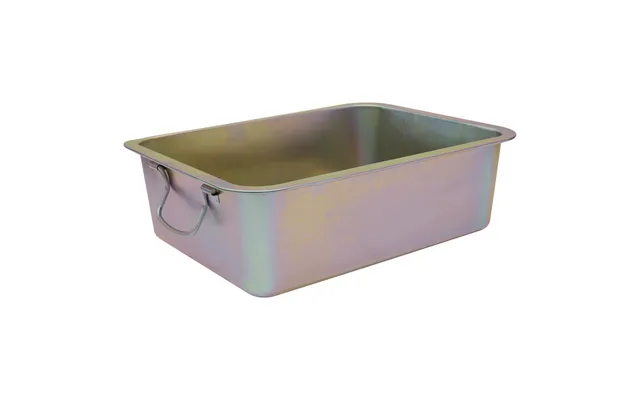
| Sealey Metal Drain Pan | £39.95 |
| Sealey Metal Drain Pan | £39.95 |
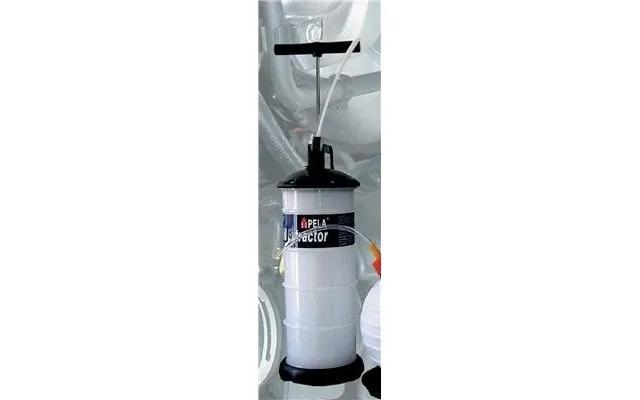
| Pela Oil Extractor - 4 Litres | £95.09 |




Loading...
Last updated Sunday, 27 Sept 2026
| Oil Filter Drains | Price |
|---|---|
| Bike It Oil Drain Can - 8 Litres | £22.98 |
| Sealey Metal Drain Pan | £39.95 |
| Sealey Metal Drain Pan | £39.95 |
| Pela Oil Extractor - 4 Litres | £95.09 |
If you’ve ever changed your own oil and ended up with slicks on the driveway, you already know the value of a good oil filter drain setup. Oil filter drains and related tools are designed to channel, contain, and carry used oil without the mess. Think of them as the safety net beneath your engine—catching every drop so you don’t have to scramble for shop towels. Whether you’re wrenching on a daily driver, a weekend toy, or a work truck, the right drain pans, funnels, wrenches, and quick-drain valves turn a chore into a clean, quick routine. And with popular offers available across comparison platforms, it’s easier than ever to upgrade your setup without overspending.
Let’s build a no-drama toolkit. The essentials revolve around catching oil, loosening filters without slippage, and moving used oil safely to a recycling point. Below are the must-haves many DIYers and pros keep within arm’s reach.
A sturdy drain pan is the backbone of any oil change. For compact cars, a 6 to 8 qt pan usually does the trick; for SUVs and light trucks, 8 to 10 qt gives you extra room. Look for pans with a wide mouth, an anti-splash lip, and integrated handles so you can carry them without tipping. Sealed drain containers with screw caps are especially convenient when you need to transport a few quarts to a recycling facility—no drips, no smells, no regrets.
Oil filters can be stubborn, especially if they were overtightened last time. Cap wrenches fit over the filter end like a socket and are great for tight spaces. Strap wrenches wrap around the filter body and give a strong, even grip without crushing the canister. Three-jaw “claw” wrenches bite harder as you turn—handy for filters that refuse to budge. Choose based on your engine bay clearance and filter size, and keep at least two styles on hand if you maintain multiple vehicles.
Quick-drain valves replace your drain plug and let you drain oil by flipping a lever or connecting a short hose. The result? No more scrambling to catch the first hot gush. They’re lifesavers if your drain plug is in a tricky spot or you change oil often. Make sure the thread size matches your oil pan and consider a valve with a safety lock to prevent accidental opening.
A good funnel with a long neck is like a guided runway for oil. Collapsible silicone funnels save storage space, while rigid funnels with integrated screens catch grit and old gasket debris. Spill guards that clip to the filter housing or engine block guide drips straight into the pan—great for engines that love to hide the filter behind frame rails or under splash shields.
Not all drain solutions are created equal. Some pans and drain containers are surprisingly clumsy; others are engineered to make even the messiest engines behave. Here are design features that separate winners from the rest.
If your ride sits low, a typical pan can be too tall to slide under without ramps. Low-profile pans—around 3 to 4 inches tall—fit under the engine and still hold 6 to 8 qt comfortably. Look for a wide capture area and molded channels that lead oil to the reservoir so you’re not trying to “aim” a hot stream while dodging crosswinds.
Sealed drain containers double as storage cans. You drain directly into the container, screw the lid closed, and carry it upright or on its side without spills. Many include a small air port to prevent glugging when you pour oil out—simple but effective. If you maintain more than one vehicle, sealed designs save time and keep your garage floor spotless.
For high-mileage trucks or vehicles with skid plates, a heavy-duty steel tray resists warping and stands up to hot oil without flexing. Some trays come with grippy rubber feet and rolled edges to keep oil from sloshing over. Pair a steel tray with a quick-drain valve and you’ve got a rugged, repeatable setup that feels almost professional.
Choosing the right tools comes down to fit, capacity, and durability. Aim for tools that match your engine layout and the way you work—tight space in a city garage calls for compact, multi-function tools; roomy driveways invite larger, high-capacity gear.
Cap-style wrenches come sized to specific filter caps measured in inches across the flats. Measure your oil filter housing or check the filter manufacturer’s specs to pick the correct cap. Adjustable strap wrenches are flexible, but a perfect-fit cap wrench grips better, reduces slippage, and avoids denting the filter canister—especially in cramped engine bays.
Ask yourself: how many quarts does my engine hold? If your car takes 5 qt, a 6 to 8 qt drain container is a safe bet. If you’re tackling an SUV that drinks 7 to 8 qt, aim for 10 qt. If you walk your used oil to a recycling point, sealed, stackable containers with comfortable handles are game changers. If you pour into larger bins at home, a simple open pan with a wide lip might be plenty.
Hot oil can hit 200°F or more right after a highway run, so your gear needs to cope. Quality polymers resist softening and warping, while metal trays shrug off heat without complaint. For wrenches, steel with a durable coating resists rust and cleans up fast. Silicone or nitrile funnel seals hold up better against oil and additives, keeping your tools from swelling, cracking, or leaking.
Want fewer spills and a faster cleanup? A smart process pays for itself every time. Here’s a streamlined approach that keeps the mess to a minimum and your confidence high.
Park on level ground, set the parking brake, and let the engine cool so the oil is warm but not scalding—think cozy coffee, not boiling kettle. Lay down a drip mat or cardboard to catch the stray drop. Pop the oil fill cap on the engine; it helps the oil drain faster. Gloves and safety glasses aren’t overkill—they’re common sense.
Position your low-profile drain pan under the plug with a few inches of buffer where you expect the initial arc. If you’re using a quick-drain valve, connect its hose and let gravity do the work. Without a valve, crack the drain plug gently and keep your hand clear of the stream. Once the flow slows to a drip, swap in a new crush washer (if your plug uses one) and snug the plug to the manufacturer’s torque—most plugs only need modest force, not a bodybuilder’s twist.
Slide the pan so it sits directly under the filter; many engines will dribble oil from the filter mount when you loosen it. Use a cap or strap wrench to break it free, then spin off slowly so the oil drains neatly into the pan. Wipe the mounting surface clean, oil the new filter’s gasket with a fingertip of fresh oil, and install hand-tight—then an extra quarter turn. That’s it. Over-tightening is what causes the next removal headache.
Pour used oil from your pan into a sealed container, and cap it securely. Many local recycling centers accept used motor oil and filters at no cost. Let filters drain into the pan for a while; some hold a surprising number of ounces even after removal. Keep your containers labeled and upright during transport to avoid accidental spills.
Treat your tools well and they’ll return the favor for years. A quick wipe-down and proper storage after each oil change keeps everything ready for the next round.
Rinse plastic pans with a small splash of fresh oil or dedicated degreaser, then wipe clean. Avoid harsh abrasives that scratch and trap grime. Store sealed containers with the caps loosened just a hair to prevent vacuum lock, and keep funnels suspended or upright so any residue drips into a catch cup—not onto your shelf.
Cap wrenches and quick-drain valves often rely on O-rings. A light coat of clean oil keeps rubber supple. Inspect for nicks or flat spots; replace at the first sign of wear to prevent slow weeps or sudden leaks. If your funnel or drain lid uses gaskets, give them the same attention—tiny seals do big jobs.
There’s a sweet spot for every budget. You don’t need the priciest gadget on the shelf, but cheaping out on critical tools can cost more in frustration—and clean-up time—than you save up front.
Basic 6 to 8 qt plastic pans, adjustable strap wrenches, and simple funnels are affordable and get the job done. Many budget pans now include molded pour spouts and a partial splash guard—little touches that make a big difference. If you’re just starting out, these tools will handle routine changes with ease.
Stepping up to sealed drain containers with screw-on caps, low-profile designs, sturdy side handles, and anti-splash baffles brings noticeable convenience. Quick-drain valves are another premium upgrade that pays off if you change oil more than once or twice a year. Metal cap wrenches sized perfectly to your filter housing feel better in hand and slip less, especially in tight spaces.
Different vehicles throw different curveballs. Matching your gear to your ride makes every step smoother—and cleaner.
Most small cars take around 4 to 5 qt, so an 8 qt sealed container gives plenty of room. A cap wrench sized to your filter and a low-profile pan will tackle the tight clearances under smaller sumps. A narrow spout funnel helps refill without bathing your valve cover.
Bigger engines often mean 6 to 8 qt oil capacities and filters tucked near frame rails. A 10 qt pan with side handles and a wide mouth catches the higher flow rate easily. A three-jaw claw wrench earns its keep here—especially if the last oil change ended with an enthusiastic filter twist. Consider a quick-drain valve if you do frequent towing or high-mileage commuting.
Motorcycles and small engines tend to have tiny filters and modest oil capacities—sometimes just a few ounces to a couple of quarts. A compact pan, small strap wrench, and narrow funnel are your MVPs. Keep a dedicated, clearly labeled container for these smaller oil changes so you don’t mix in debris from bigger jobs.
Even seasoned DIYers have off days. Here are the pitfalls to avoid so you don’t repeat the greatest hits of garage mishaps.
Hot oil shoots farther than you think. Always offset your pan a few inches from the plug’s centerline. When the flow slows, slide the pan inward—smooth and steady. Think of it like catching a baseball: track the arc, not where the ball started.
Hand-tight plus a quarter turn is enough in almost every case. Crushing the gasket distorts the seal, making leaks more likely. If you need a wrench to install a filter, you’re doing too much. Save the torque for lug nuts.
Those little washers are designed to deform once to make a perfect seal. Reusing them can invite drips. Keep a small bag of the right washers in your toolbox—cheap insurance.
If you’re browsing oil filter drains, wrenches, and quick-drain valves, comparison sites are your friend. You can scan popular offers, sort by price or features, and click through to the retailer that fits your budget and delivery needs. Because listings pull together deals from multiple sources, it’s easier to spot value—whether you’re upgrading to a sealed 10 qt drain container, picking up a low-profile pan, or finally adding a cap wrench that fits your filter like a glove. Remember, a comparison platform isn’t a store—it’s a guide to the best options so you buy with confidence.
Want your gear to feel new after dozens of oil changes? A couple of habits make all the difference. Warm your oil slightly with a short drive—it flows faster and carries more contaminants out with it. Wipe your drain plug and mating surfaces before reinstalling to avoid grit that could cause weeping. Keep dedicated microfiber rags for oil duty and wash them separately. Finally, label your sealed containers by date and vehicle so you can track intervals at a glance.
The right oil filter drains and tools turn a messy job into a tidy, predictable routine. Start with a properly sized drain pan or sealed container, add a reliable filter wrench (cap, strap, or claw), and consider a quick-drain valve if you value speed and control. Round it out with a good funnel and a few spare crush washers, and you’re set. With popular offers easy to compare across trusted platforms, upgrading your setup doesn’t have to stretch the budget. Cleaner changes, faster cleanup, and fewer headaches—once you’ve experienced that, you’ll never go back.